


United Kingdom Travel Guide: Best Hotels, Restaurants & Experiences 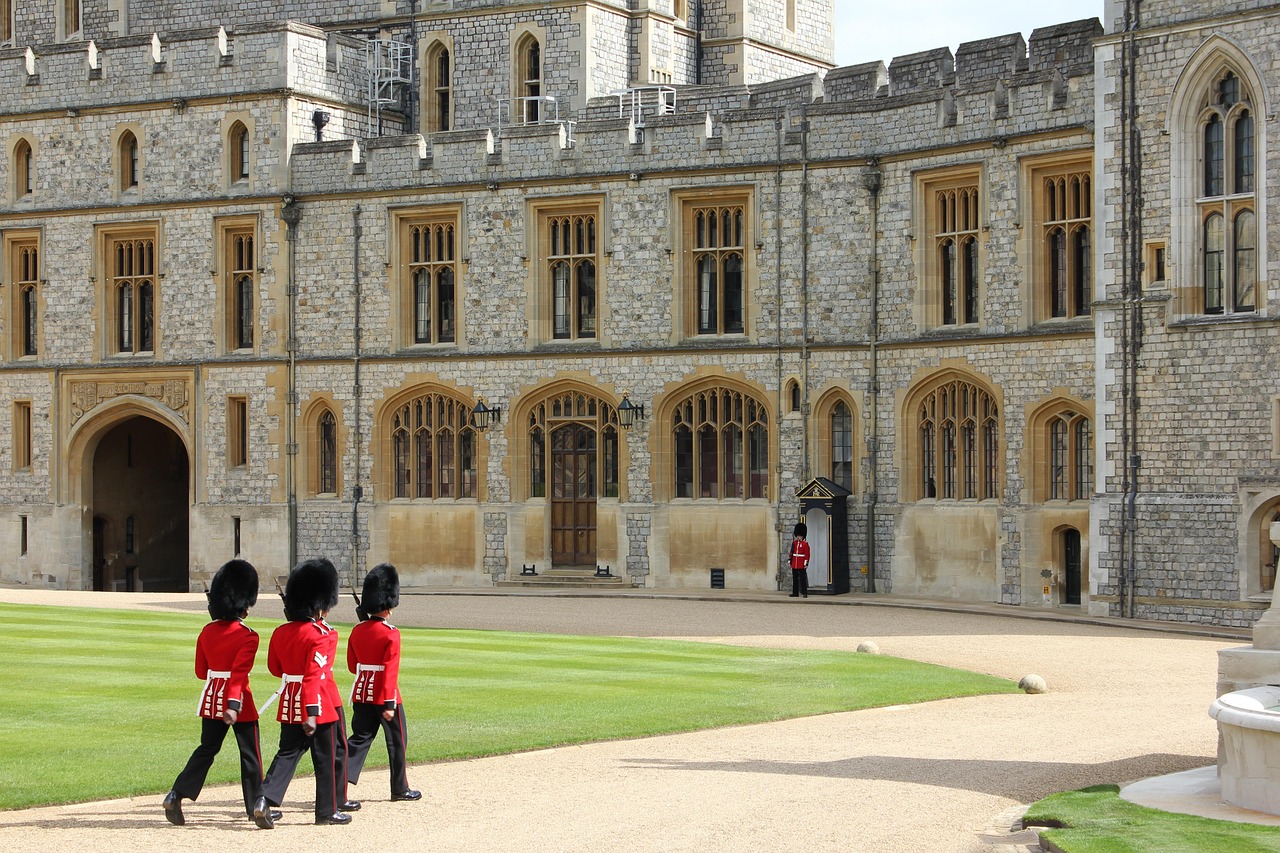






Explore by Region
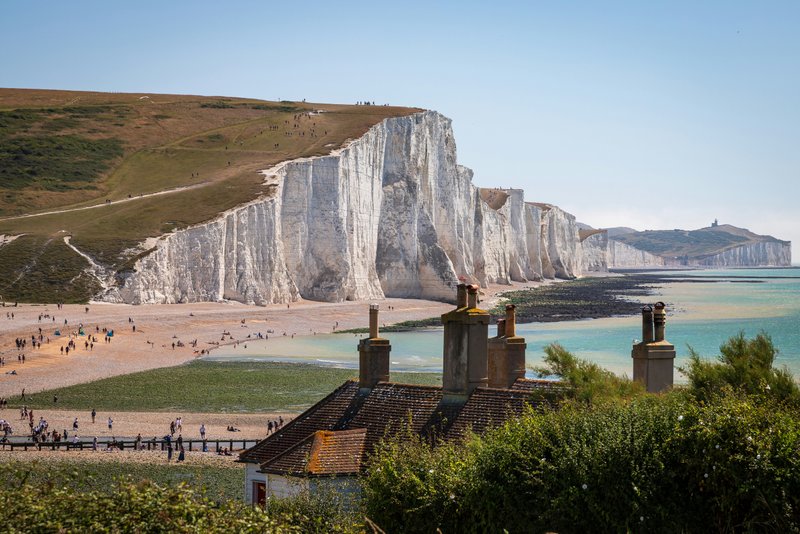
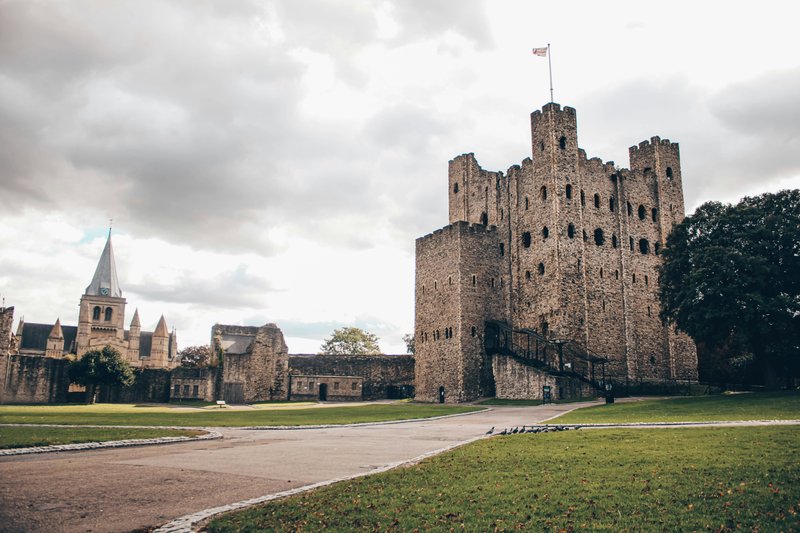
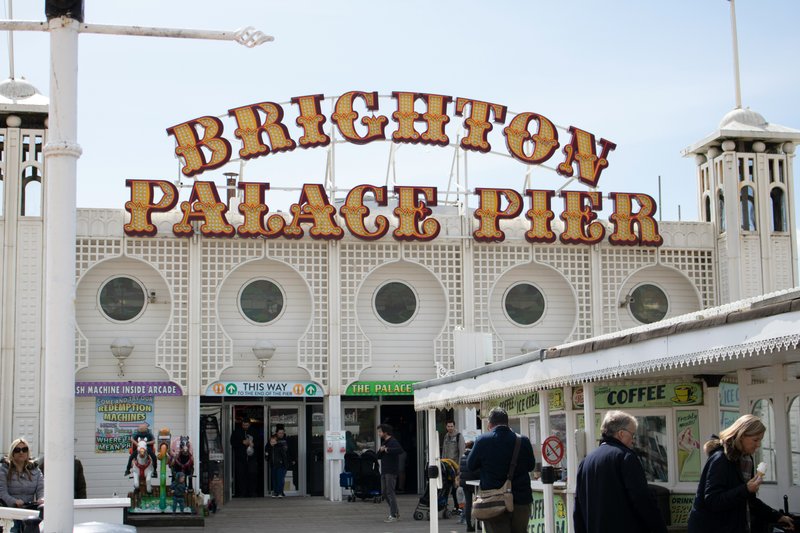
South-East England
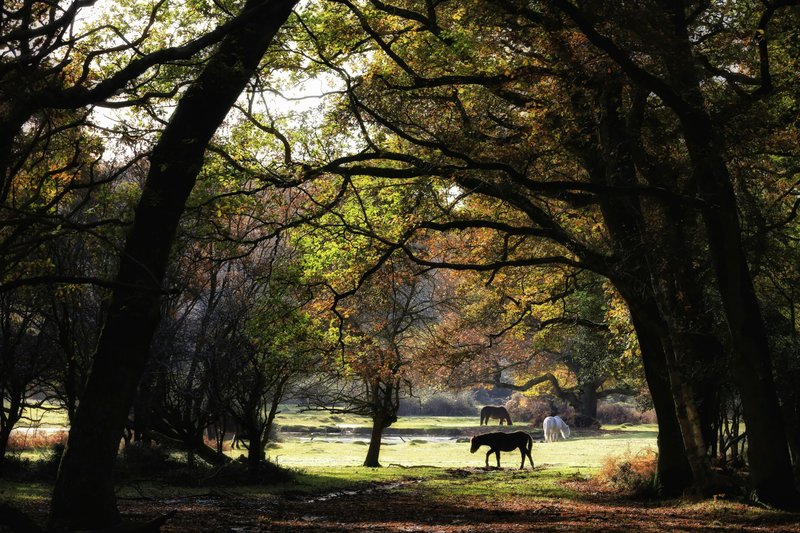
Scotland
Scotland
Edinburgh
Glasgow
Fife
Scottish Borders
Ayrshire
Stirling & Trossachs
Argyll, Islands & Hebrides
Perthshire
Aberdeenshire & Royal Deeside
Isle of Skye
Northwest Highlands
Inverness & Loch Ness
Speyside
Cairngorms
South-West England
Cotswolds
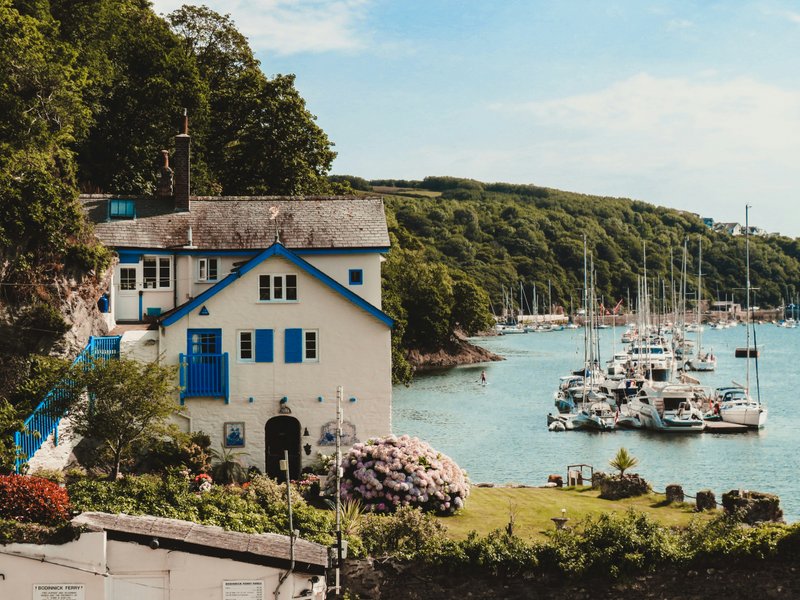
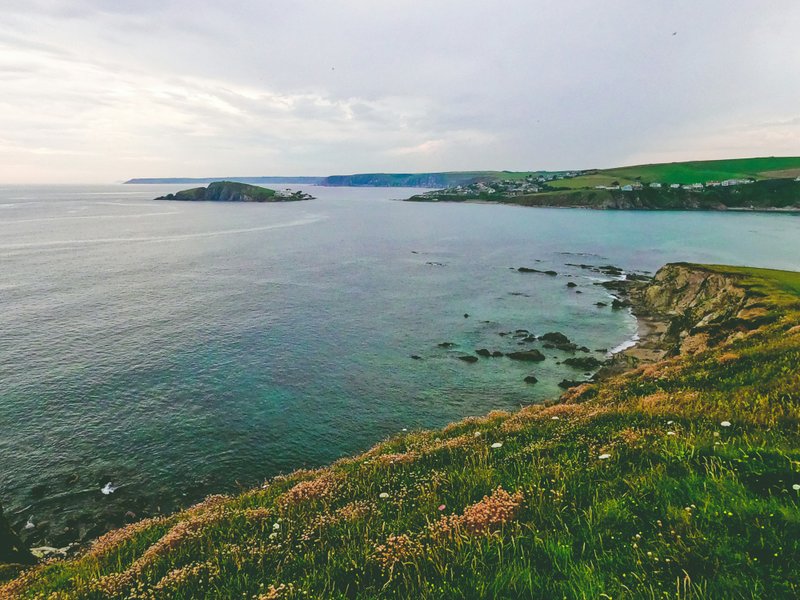
Cornwall
Devon
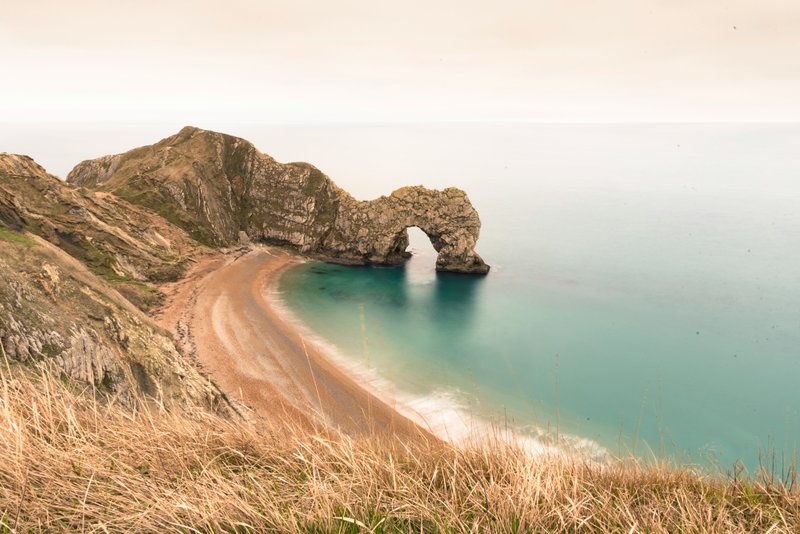
Dorset
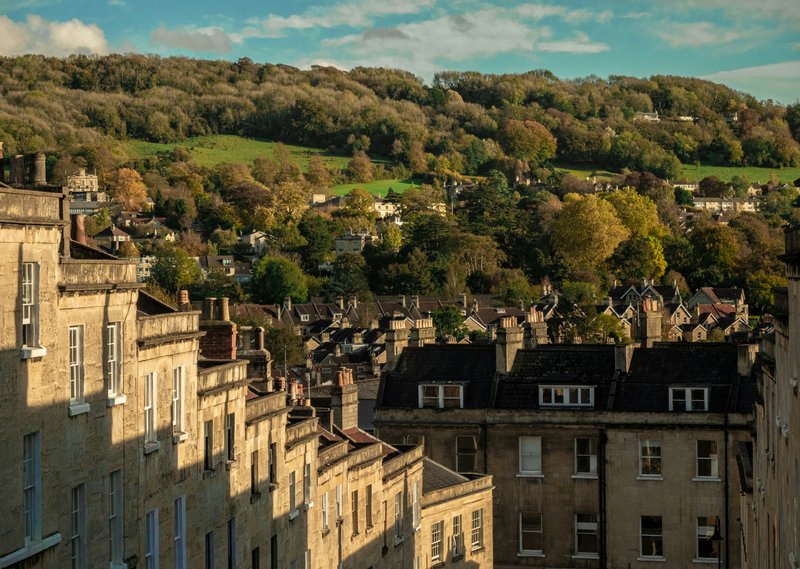
Bath
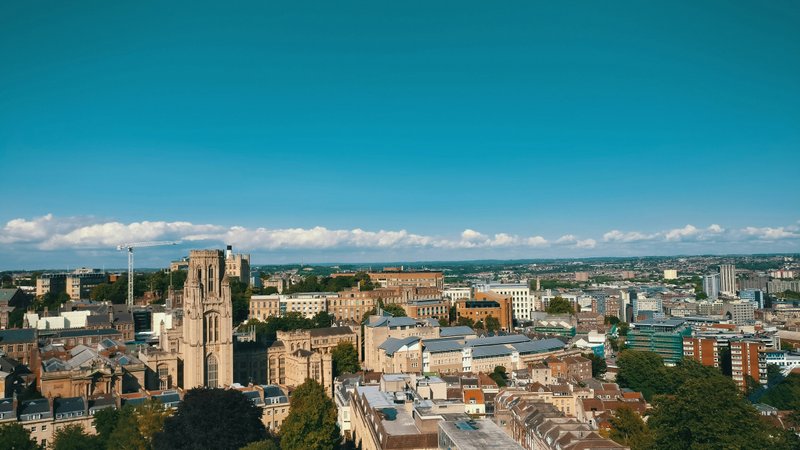
Bristol
Exmoor & North Devon
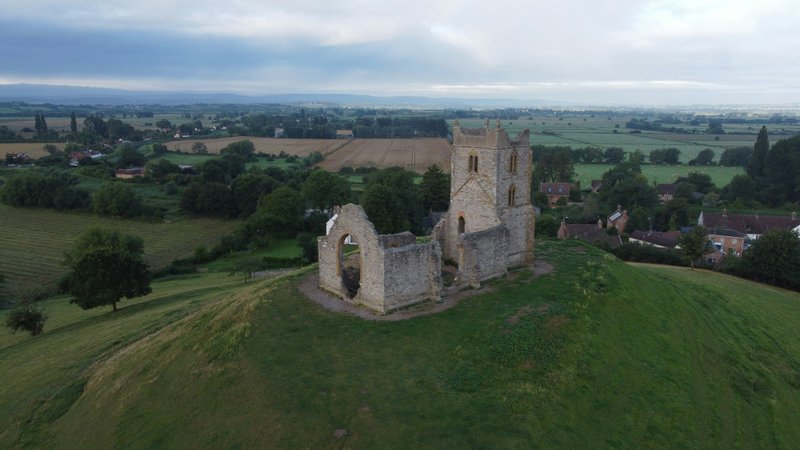
Somerset Levels
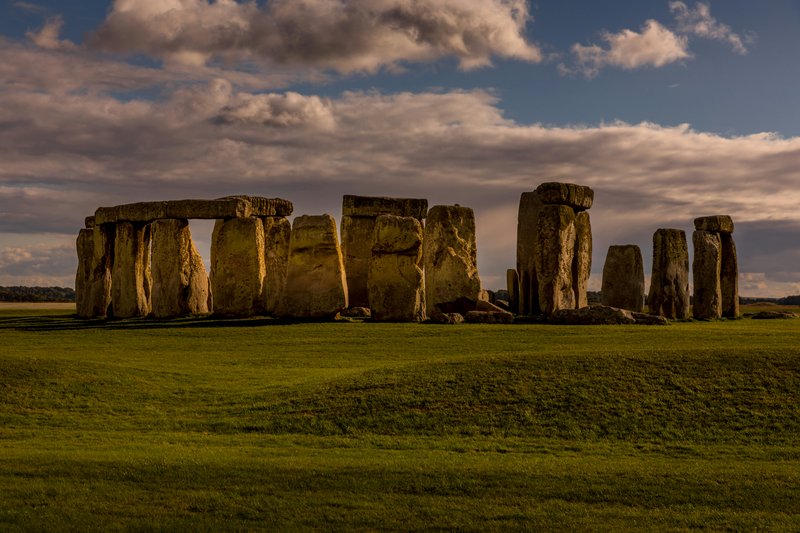
Wiltshire
Isles of Scilly
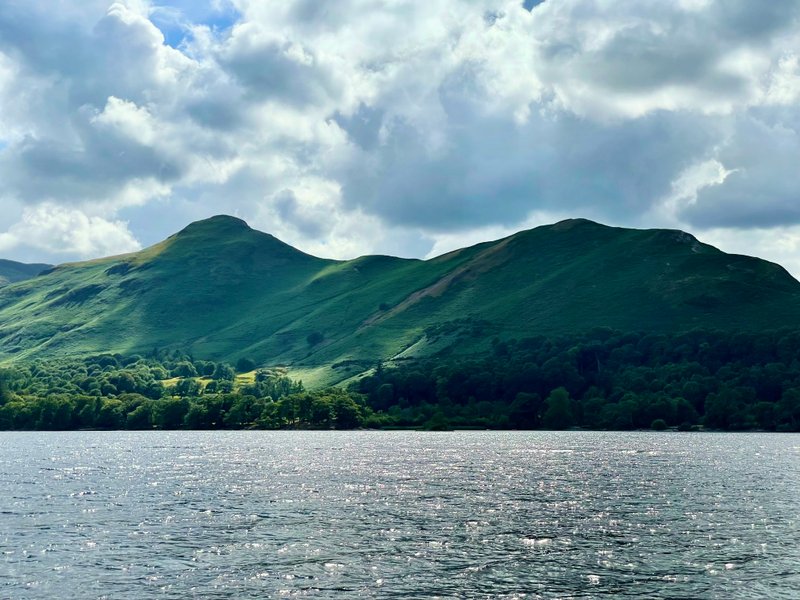
Northern England
Central England
Wales
Pembrokeshire
Cardiff
Brecon Beacons
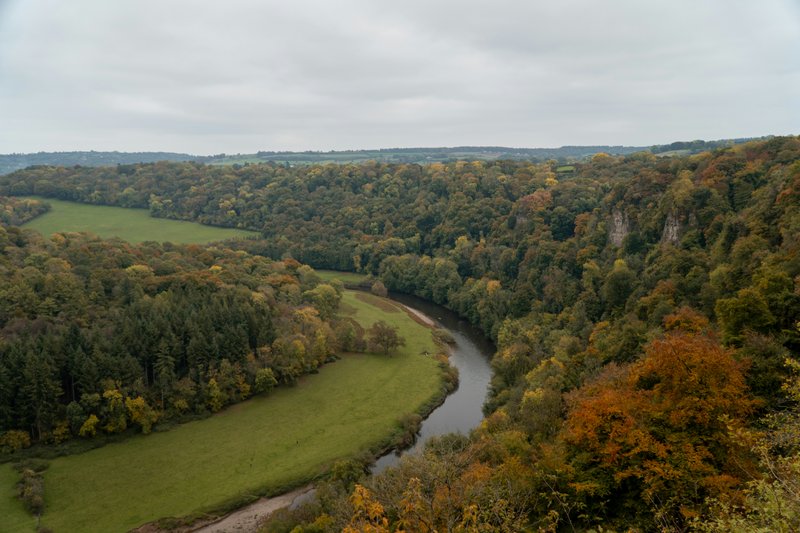
Wye Valley
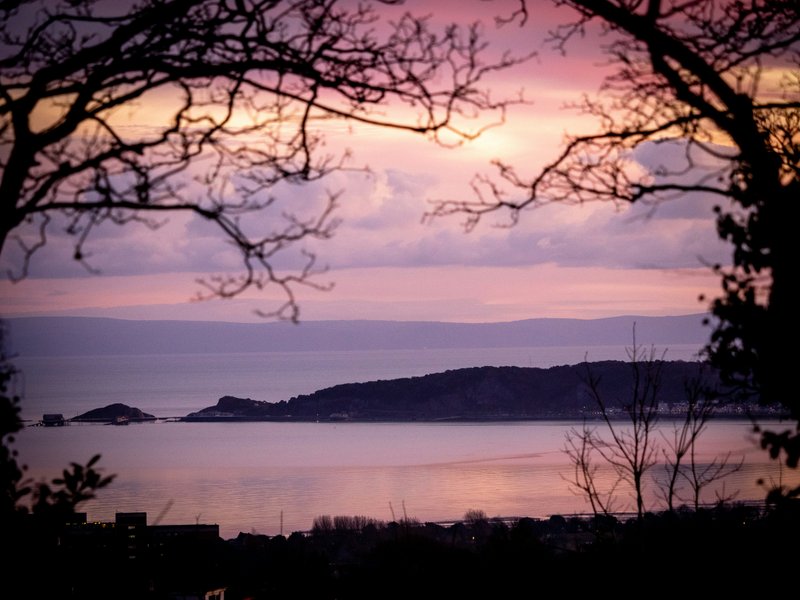
Gower & Swansea
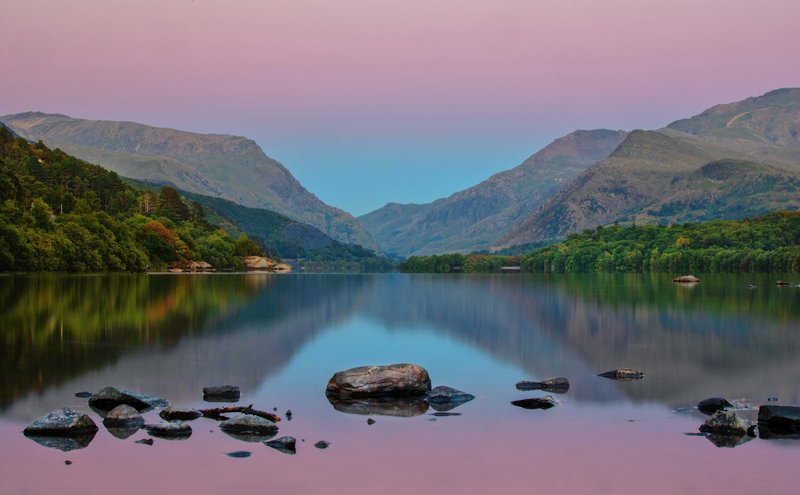
Snowdonia
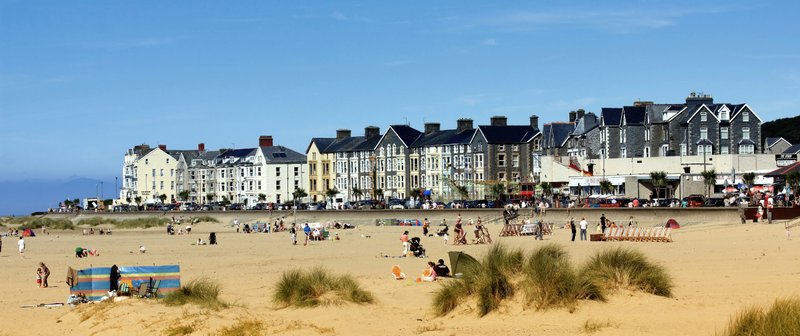
North Wales Coast
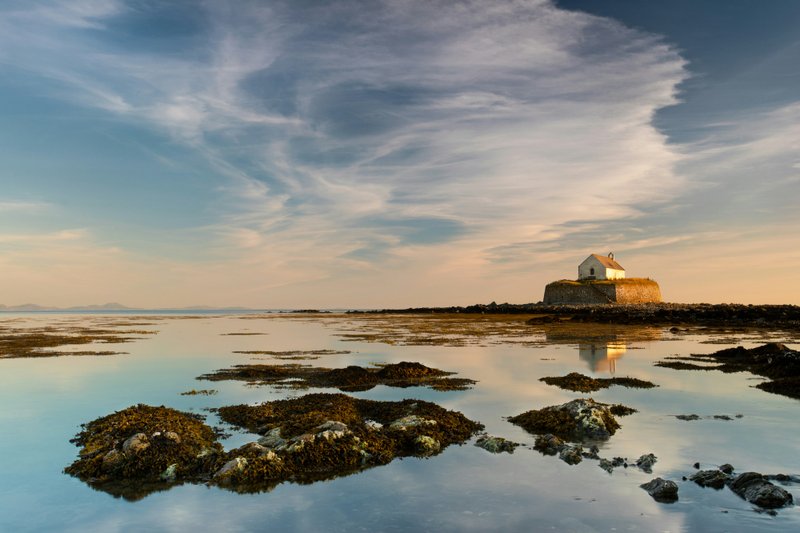
Anglesey & Llyn Peninsula
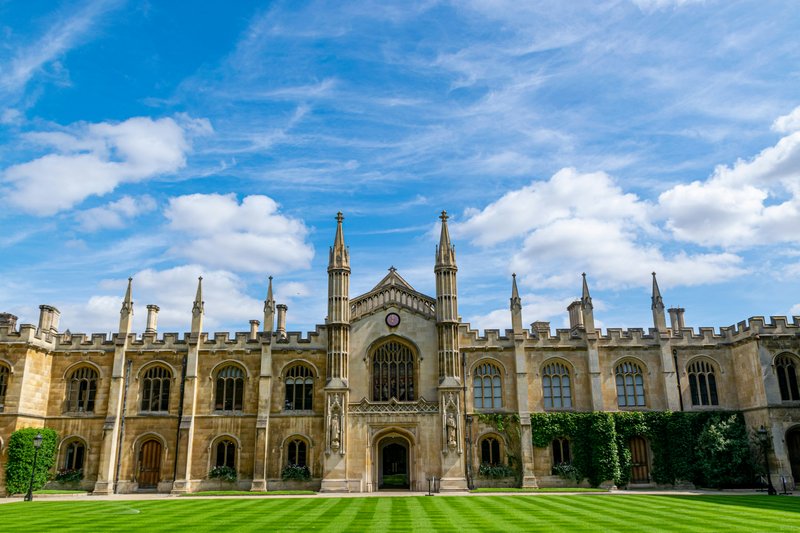
East England
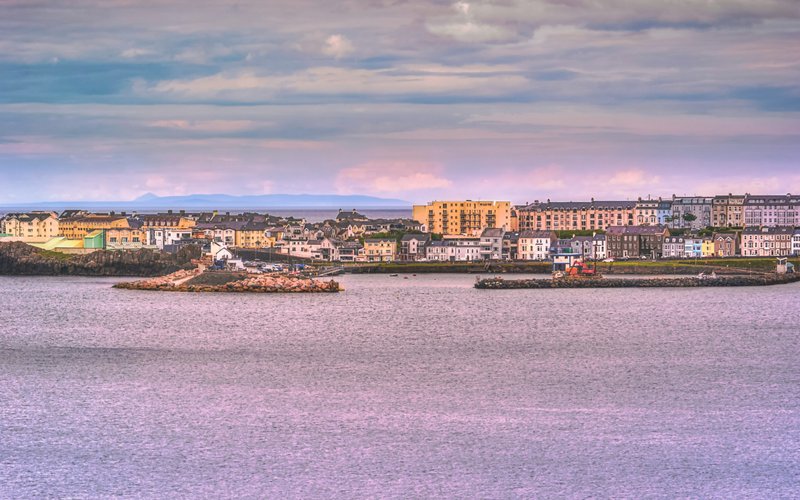
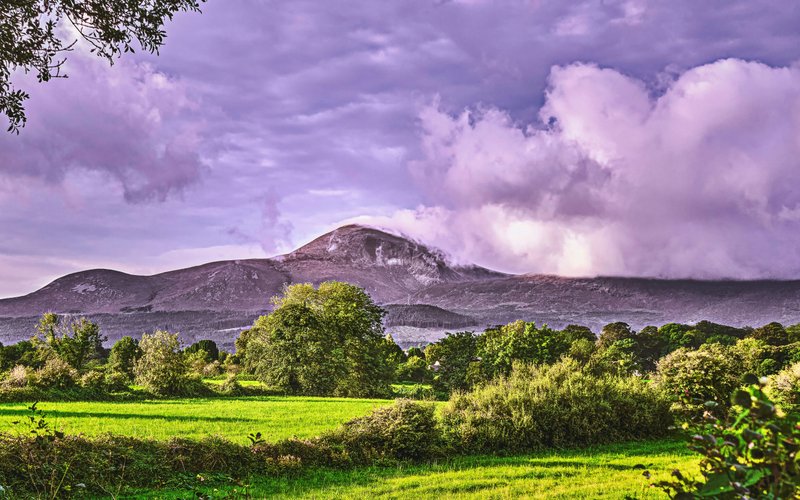
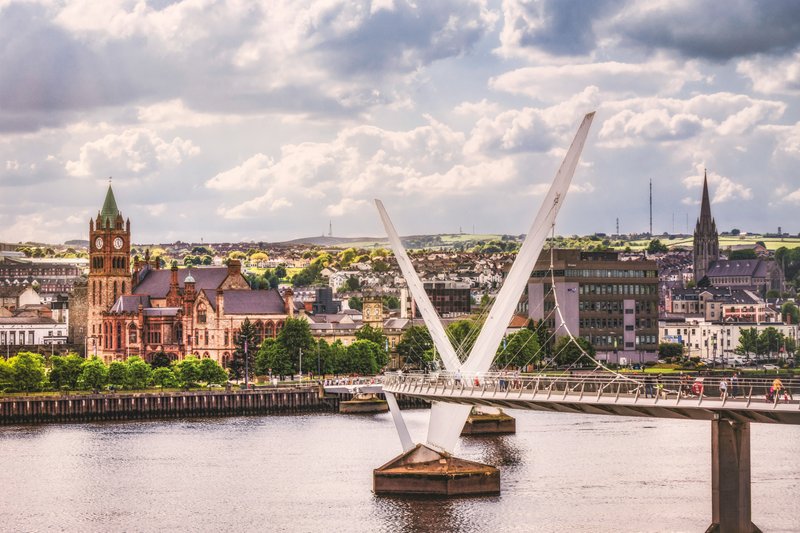
Northern Ireland
Channel Islands & Isle of Wight
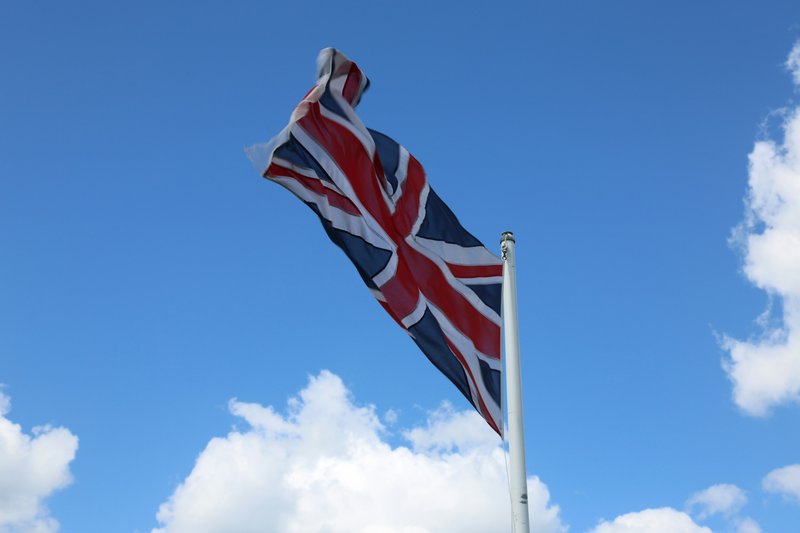
United Kingdom
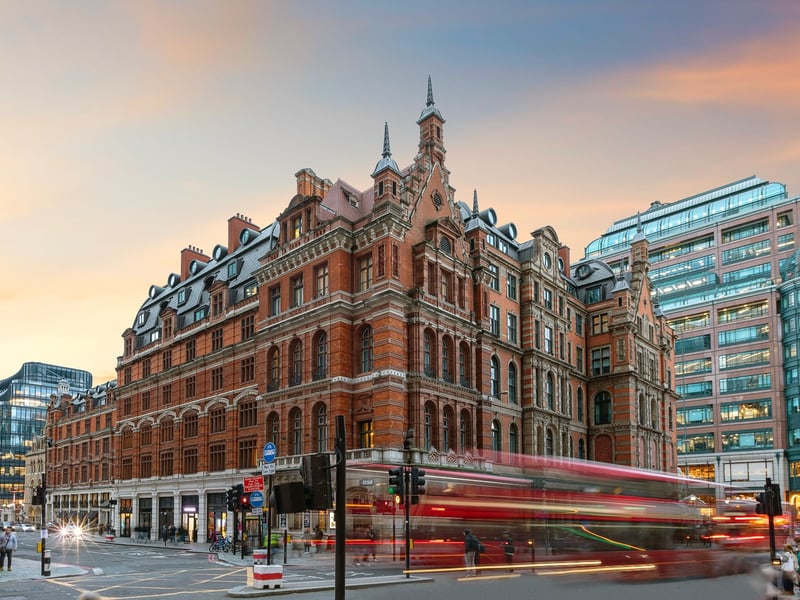
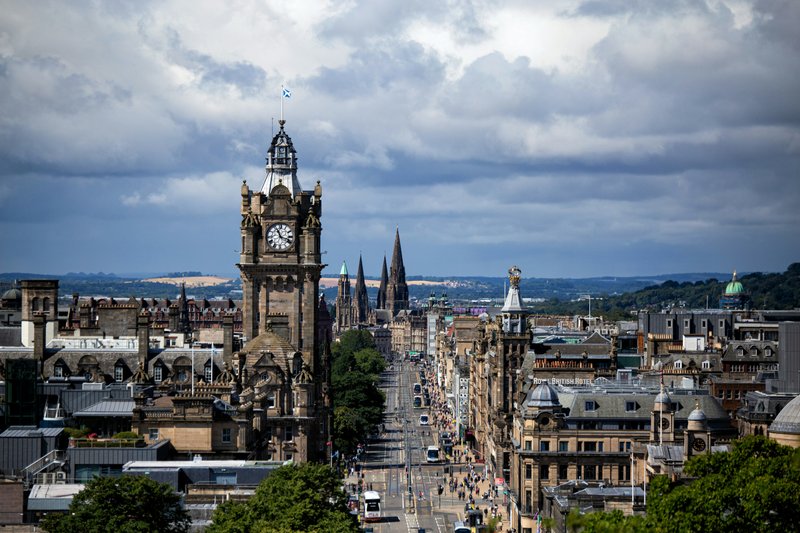
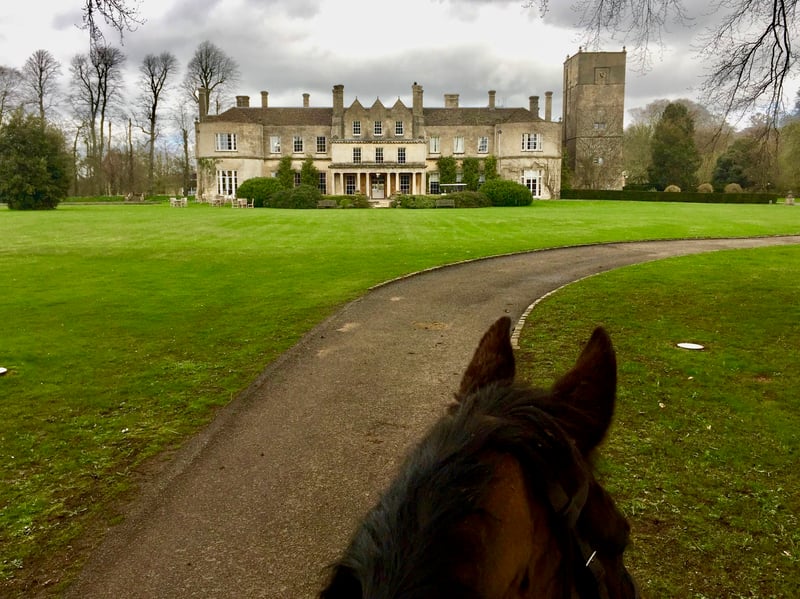
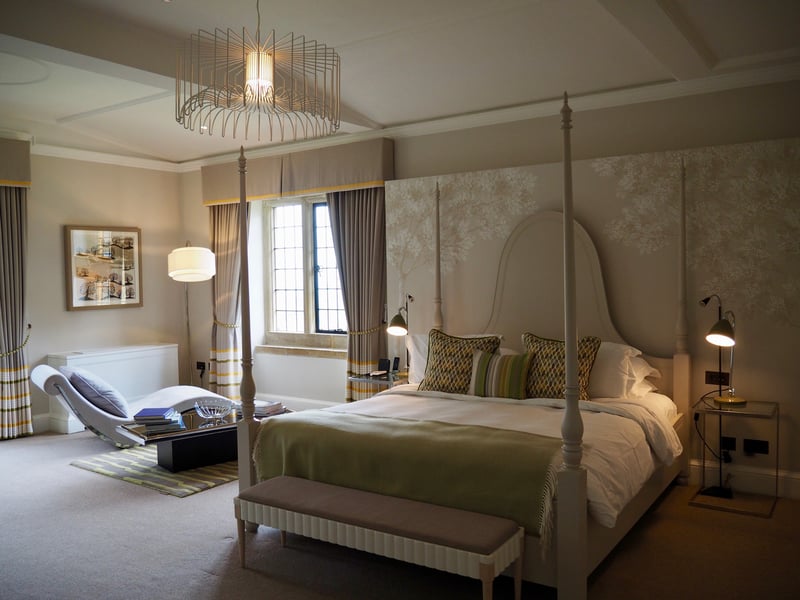
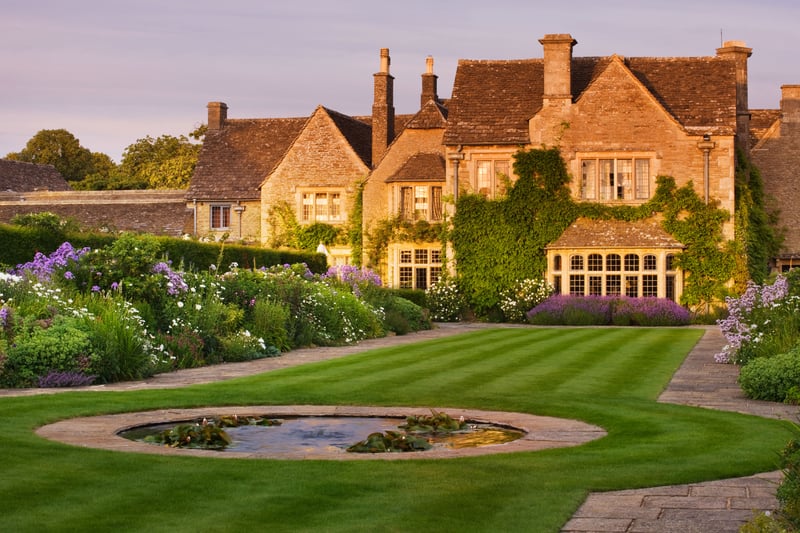
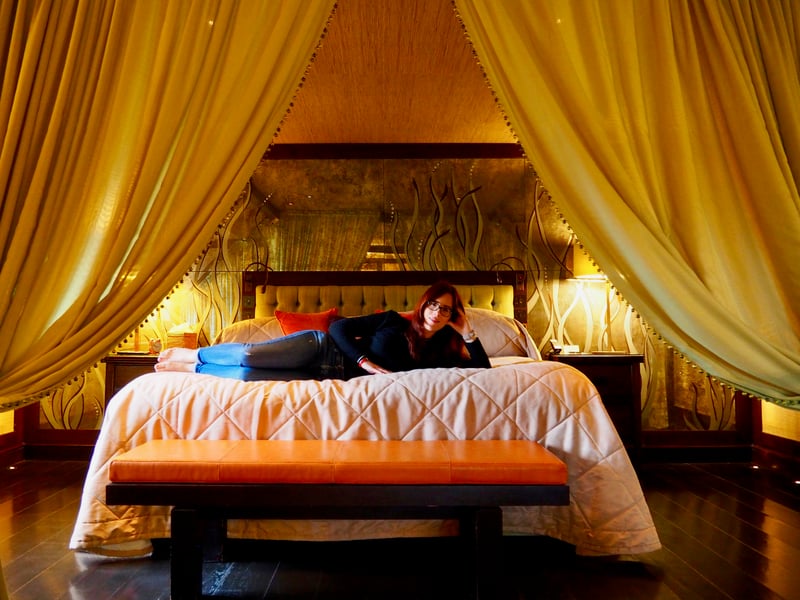
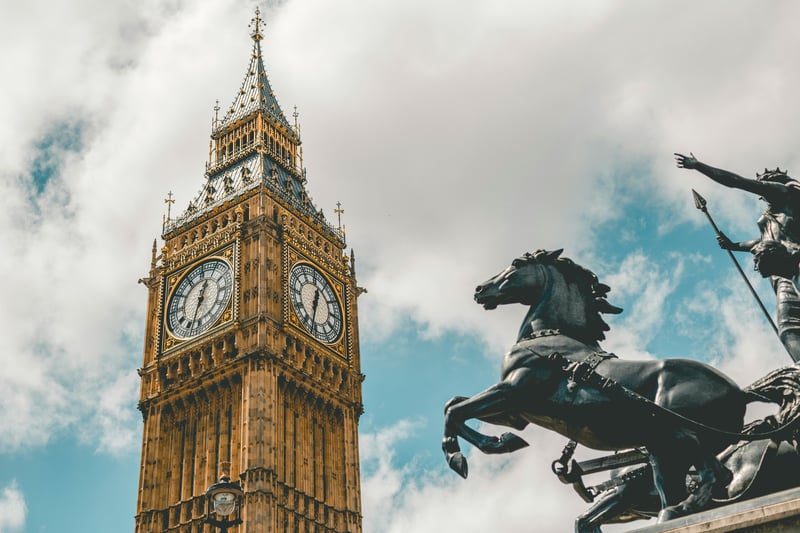
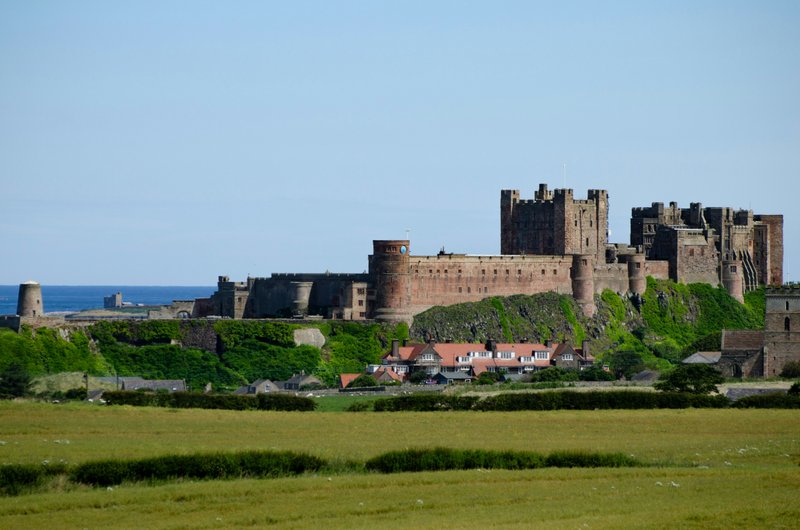
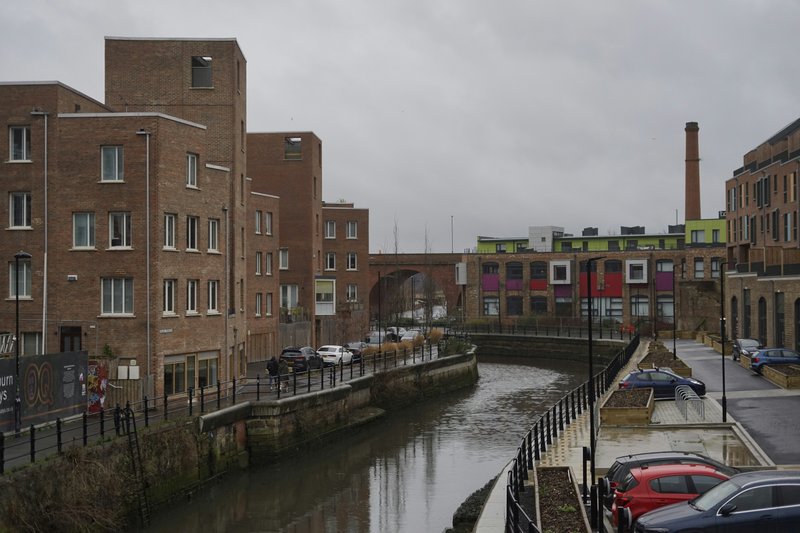
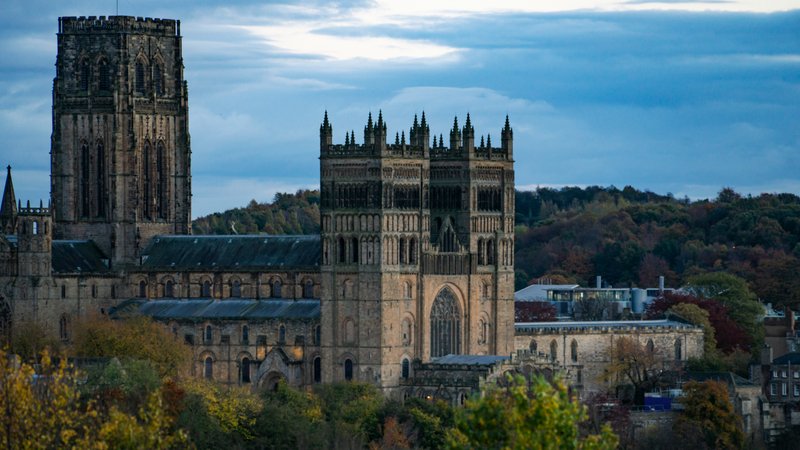
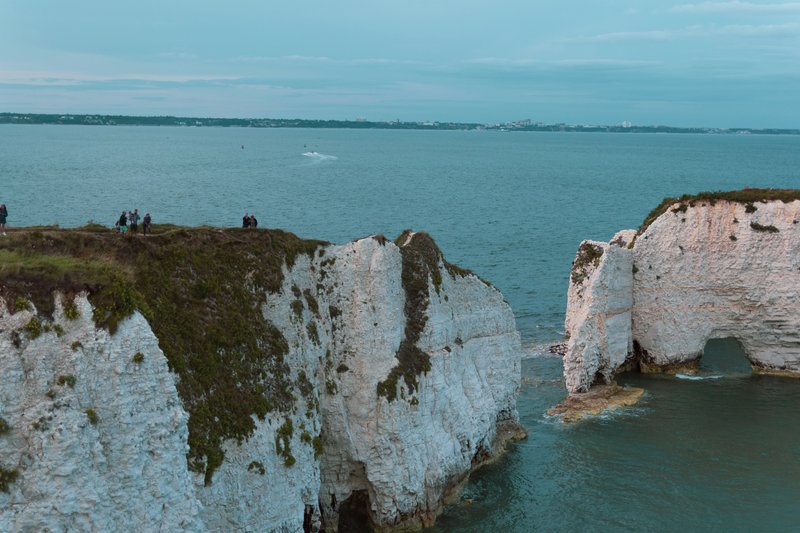
The United Kingdom layers centuries of architectural tradition across four distinct nations, each with its own character. London's Georgian terraces and Victorian mansion blocks frame Mayfair and Belgravia, while Edinburgh's New Town unfolds in axial symmetry above the medieval Old Town. France may claim the château, but Britain perfected the country house—many now reimagined as hotels. In Northern Ireland, the Causeway Coast meets the Antrim glens; Wales offers Snowdonia and the Pembrokeshire cliffs. The hotel landscape reflects this: Jacobean manor estates in the Cotswolds, modernist conversions in Manchester's Northern Quarter, seafront Regency terraces in Brighton.
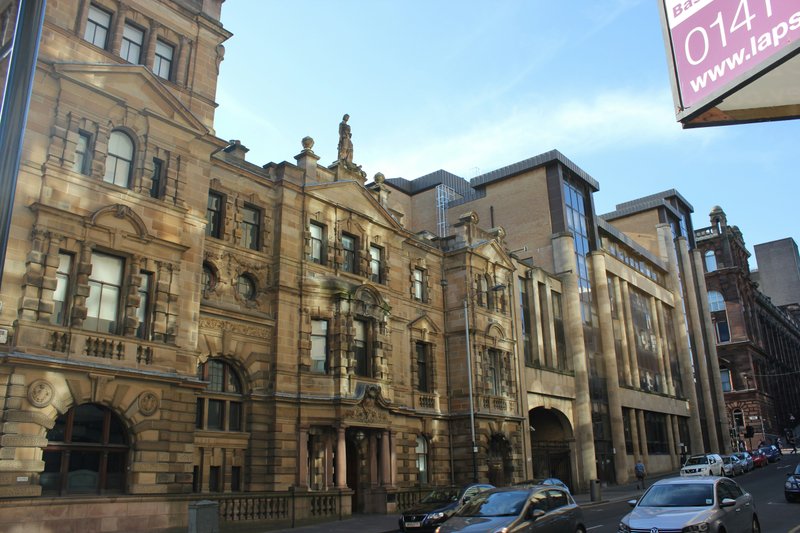
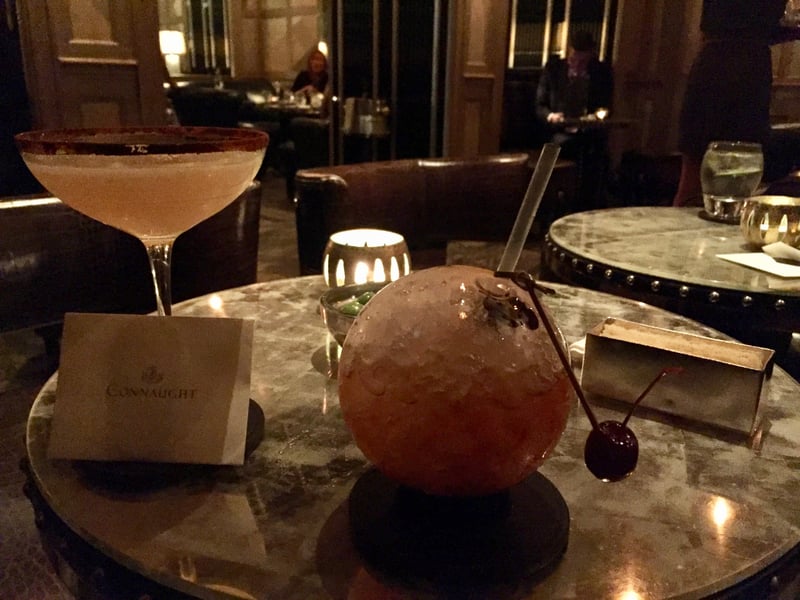
The dining scene extends beyond London's Michelin-starred establishments into regional cities—Glasgow, Bristol, Birmingham—where chef-driven restaurants occupy former industrial buildings and Victorian arcades. Afternoon tea persists as ritual, though now often reinterpreted. Pubs remain the social anchor, their Victorian tilework and etched glass intact, menus increasingly ambitious. The bar culture has evolved: London's cocktail rooms reference both pre-Prohibition America and the British Empire's spice routes, while Denmark and Belgium may have influenced the craft beer revival, but British brewers now export their own interpretations. From the Lake District to the Scottish Highlands, the landscape shapes the offer—farm-to-table before the phrase existed, whisky distilleries opening their doors, coastal restaurants serving that morning's catch.