Local artists once decorated these 23 rooms in exchange for lodging, lending each space an unrepeatable character—retro furnishings against boldly pigmented walls, eclectic artwork at every turn. The atmosphere channels a grown-up bohemian club, relaxed yet considered. Blakes restaurant anchors the ground floor with seasonal dishes from an open grill, while upper rooms with balconies catch the sea light. Pet-friendly throughout.
Where to Stay
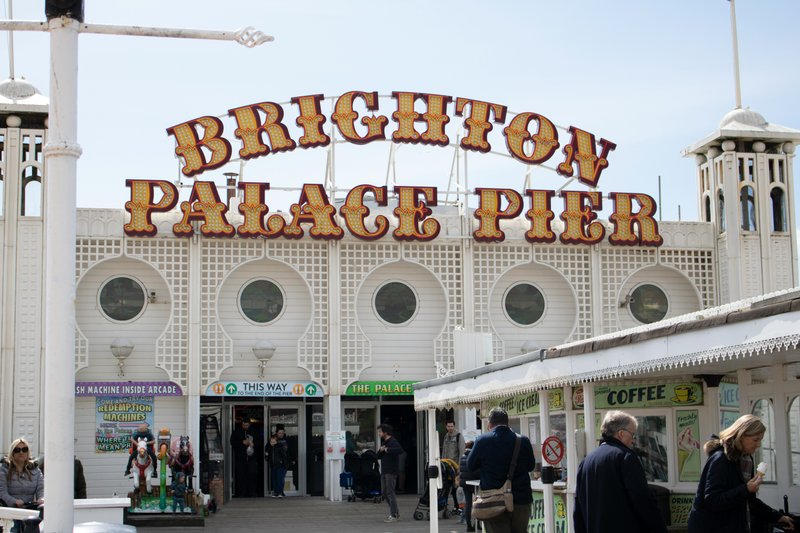
Occupying a coveted stretch of Kings Road with direct sightlines to the sea, this 32-room property from the GuestHouse group delivers Brighton's seaside spirit through bright, airy interiors and thoughtful family provisions—Yoto audio players, mini teepees, children's menus. A compact spa offers respite from the nearby Lanes, while the on-site restaurant adds polish to an already prime location steps from Palace Pier.
Two Regency townhouses on Regency Square unite behind a single door to form this twenty-room boutique B&B, positioned a short stroll north of the West Pier. Period bones—high ceilings, original fireplaces—meet contemporary art and sharp design throughout. The atmosphere suits couples seeking style without stuffiness, while cots and highchairs make it equally practical for families exploring Brighton's seafront.
Where to Eat
Seven tables, one seating at 7pm, and a tasting menu that draws liberally from Japanese technique—The Set operates on its own terms. Tempura and a brief sushi course share the evening with unexpected detours like tomato dashi paired with ricotta or a spicy lamb taco. The format encourages conversation between strangers; the kitchen's precision ensures they have something worth discussing.
A handsome former bank on Church Road houses Steven Edwards's ambitious tasting-menu restaurant, where an open kitchen commands the room and technique-driven plates deliver bold, textural surprises—marmite brioche and a playful 'dippy egg' among the signatures. Sussex wines feature prominently, while downstairs the Ink Bar (named for the building's tattoo-parlour past) mixes cocktails beneath the old vault.
Named after the red-brown dulse seaweed that might appear during the meal, Dilsk occupies an intimate, moody dining room within the Drakes Hotel—a celebrity-favoured address in two late-Georgian townhouses opposite Brighton Pier. The tasting menus showcase modern British cooking through vibrant plates like hogget paired with wild garlic and purple sprouting broccoli, while a thoughtfully assembled wine list favours lesser-known bottles.
Dave Mothersill's first solo restaurant brings his years on Brighton's culinary scene to a stylish New Road address. The open kitchen becomes theatre here—chefs deliver their precisely crafted plates directly to diners, many seated at the counter for an unobstructed view. Seasonal British ingredients anchor the menu, though subtle international inflections add creative edge. Vintage touches soften the contemporary space.
The flagship of a respected local restaurant group, Gingerman occupies a quiet Norfolk Square address minutes from the seafront. Scandinavian-inflected interiors create an intimate setting for seafood-driven cooking that favors restraint over elaboration. Dishes arrive with clean, focused flavors and an unforced naturalness — the work of a kitchen confident enough to let quality ingredients speak without embellishment.
A converted fishmonger's opposite Brighton's Victorian fish market provides the fitting backdrop for Duncan Ray's precise, Asian-inflected seafood cooking. The chef-owner, ever-present in his intimate dining room after years of quiet refinement, delivers a six-course set menu where each dish demonstrates deep understanding of marine ingredients—balanced, technical, and unmistakably personal.
Rafael Cagali, the chef behind London's acclaimed Da Terra, brings his Brazilian-rooted culinary vision to this sleek Hove neighbourhood spot. The name—Portuguese for 'tide'—signals a menu that shifts with the seasons, weaving Mediterranean, Mexican and Japanese influences into modern British plates. Chefs deliver dishes tableside, and the signature baba au cachaça provides a spirited finale worth lingering over.
An early twentieth-century inn steps from Hove seafront, The Ginger Pig pairs a ground-floor restaurant with eleven elegantly understated rooms above. The kitchen moves confidently between British classics and Mediterranean influences, while the bar crafts bespoke cocktails for pre-dinner drinks. Charming, switched-on service and family-friendly flexibility—Z-beds on request—make it a reliable choice for relaxed coastal dining with the option to stay.
Tucked into Brighton's Lanes, this Bib Gourmand address channels a lively, retro-inflected atmosphere where cocktails flow freely and sharing plates arrive from the wood-burning fire. The kitchen draws on Middle Eastern and North African traditions, producing dishes like a golden-crusted leek and spinach pastilla that rewards adventurous palates. A spirited choice for groups seeking bold, flame-kissed cooking.
A Bib Gourmand holder on Western Road, Cin Cin delivers Italian cooking where fresh ingredients speak for themselves through simple, precise preparation. The handmade pasta—watch the blackboard for daily specials—draws a devoted following, while the horseshoe counter and open-kitchen seats offer front-row views of the action. An all-Italian wine list rounds out the cheerfully unfussy experience.
Frequently Asked Questions
Which Brighton neighbourhoods are best for upscale accommodation?
+
The Marine Parade and Regency Square area offers heritage properties with direct sea views, while Hove's seafront provides a more residential atmosphere with larger Victorian and Edwardian buildings. Kemptown suits those who prefer proximity to independent restaurants and a village-within-a-city feel.
What defines Brighton's restaurant scene?
+
The city punches above its weight for a coastal town of its size. A concentration of chef-owned restaurants in North Laine and Kemptown focuses on seasonal British cooking with strong vegetarian traditions dating to the 1970s. Seafood from local boats features prominently, though Brighton's eclectic character means the range spans from Japanese to Middle Eastern influences.
When is the best season to visit Brighton?
+
Late spring through early autumn offers the mildest weather for seafront walks and terrace dining. May and September avoid peak summer crowds while retaining long evenings. Winter appeals to those drawn to off-season rates and the city's year-round cultural programme at venues like the Theatre Royal and Brighton Dome.
Brighton built its reputation as London's seaside escape during the Regency era, when the Prince Regent commissioned the Royal Pavilion and the city became synonymous with aristocratic leisure. That spirit of elegant transgression persists. The Lanes, a tangle of narrow passages dating to the fishing village Brighton once was, now house antique dealers and independent boutiques beneath bow-fronted Georgian facades. Kemptown, east of the pier, maintains its raffish Victorian character — terraced squares overlooking the sea, basement wine bars, a morning coffee culture centred on St James's Street.
The dining scene draws on both London proximity and south coast produce. Restaurants along the seafront and in the North Laine quarter source from Newhaven day boats and Sussex farms, while chefs who trained in the capital bring metropolitan technique to a city small enough to feel personal. Hotels range from converted Regency townhouses on the Marine Parade to contemporary properties set back from the front in Hove, where the atmosphere turns quieter and the architecture shifts to white stucco and broad avenues.