Adnams brewery's foray into hospitality occupies a handsomely preserved Georgian building on Southwold's market square, its 35 rooms dressed in antique furniture rendered in unexpectedly bold, contemporary hues. The Tap Room anchors the social scene with the brewery's own ales, while the Still Room delivers polished modern British cooking. A garden and pet-friendly policy suit travelers exploring the Suffolk coast at leisure.
Where to Stay
Built on foundations tracing to a 12th-century inn beside Orford Castle, this Tudor-style property has flourished under Ruth Watson's two-decade stewardship. Twenty-one individually appointed rooms—some with private terraces overlooking the estuary—complement Garden Suites opening directly onto landscaped grounds. The kitchen delivers seasonal British cooking, while mapped walking routes guide guests through Suffolk's coastal landscapes. Pet-friendly, with golf nearby.
Sixteenth-century barns scattered across Suffolk farmland form the backbone of Retreat East, their timber frames now dressed in rustic-chic interiors. Spa barns add outdoor roll-top baths for soaking under open skies, while a wellness centre delivers sauna and jacuzzi sessions. Dog owners will appreciate the practical touch: a washing station outside the main barn handles post-walk mud. Ideal for couples and families seeking countryside quiet with polished comforts.
Bedford Lodge occupies prime position in Newmarket, Britain's horse racing capital, with renowned stables visible from the grounds. The spa anchors the experience: a hydrotherapy pool and sauna provide genuine restoration after days spent trackside. Service runs consistently strong throughout the property. Families find practical accommodation in Superior rooms and Junior suites fitted with sofa beds, with extra beds available on request.
An English agriturismo in spirit, Husk operates as a supper club with rooms, offering seven individually designed accommodations across a working Suffolk farm. Weekend evenings bring farm-to-table dinners showcasing the estate's produce, while days unfold around a magical natural swimming pool set within expansive grounds. Adults-only and intimate, this retreat suits couples seeking countryside immersion without sacrificing culinary ambition.
Tudor architecture and sprawling historic grounds define Seckford Hall, a Suffolk estate where period grandeur meets comfortable country hospitality. The kitchen delivers moments of genuine excellence, while accommodation ranges from characterful main-house rooms to The Loft suite with interconnecting family spaces. Families with young children find practical options in the Courtyard rooms. A property awaiting its full renaissance, yet already rewarding those who appreciate heritage settings.
This village pub in Sibton delivers the essence of rural Suffolk hospitality: comfortable rooms with genuine character, and a kitchen that treats local produce with uncommon respect. The hearty, ingredient-driven cooking draws food-focused travelers seeking substance over fuss. An adults-only evening dining policy ensures unhurried meals, while the tucked-away setting provides easy access to both countryside walks and the Suffolk coast.
On Southwold's handsome High Street, Sutherland House operates as a restaurant with rooms where the kitchen takes precedence. The historic building houses an intimate adults-only retreat aimed squarely at couples drawn to Suffolk's most charming coastal town. With children under twelve not encouraged, the atmosphere remains refined—a base for those who consider dinner the main event of any seaside escape.
A Georgian coaching inn restored with careful attention by a family firm, The Bell at Sax' anchors the Suffolk Coast with ten individually named rooms honoring nearby villages. The intimate scale suits travelers seeking a slower pace—spacious quarters accommodate families with ease, while the restaurant's children's menu signals a relaxed, multigenerational welcome rare in properties of this character.
This 15th-century coaching inn anchors Bildeston's High Street with timber-framed charm and a kitchen driven by the nearby Nedging Hall Estate's seasonal harvest. The creative menu rewards evening returns after days exploring Suffolk's wool villages and heritage coastline. Impeccably finished bedrooms accommodate families with ease, making The Bildeston Crown a practical yet characterful base for rural discovery.
Where to Eat
A husband-and-wife operation on a quiet residential square, Pea Porridge earns its Michelin star through charcoal-fired cooking that draws on North African, Middle Eastern, and Mediterranean traditions. The menu shifts daily, opening with sourdough flatbread pulled hot from the oven, followed by dishes of bold, precisely executed flavors. An esoteric wine list favoring organic and natural bottles completes this intimate neighborhood table.
Born from a pop-up of London's legendary L'Escargot, this smart beachside brasserie on Aldeburgh's high street delivers precisely what the Suffolk coast demands: impeccable seafood. Dressed crab, moules marinière, and daily catches like pan-fried halibut with beurre blanc dominate the menu, while a dozen escargots nod to the restaurant's Gallic roots. The rooftop terrace, overlooking shingle and sea, rewards those who time their visit well.
A 20-seat counter in Bury St Edmunds places diners inches from the action, where Spanish chef Ruben Aquilar Bel and his team cook and serve each plate themselves. The format shifts between sharing plates at lunch and a tasting menu at dinner, threading Spanish flavours through dishes like his grandmother's signature Iberian ham croqueta. His wife Gabi contributes house-made desserts and exceptional bread.
A former police station, bus shelter, and florist transformed into a pared-back dining room with polished concrete floors and contemporary art against whitewashed walls—Lark occupies a characterful building overlooking Bury St Edmunds' abbey and cathedral. The kitchen delivers Mediterranean-inflected small plates: tempura courgette flower, sopressini cacio e pepe, or a chef's selection for those preferring to surrender to the moment.
A 17th-century townhouse on Churchgate Street provides the intimate setting for this French-accented table, where the kitchen demonstrates particular confidence with seafood—turbot handled with precision, its freshness uncompromised. The Gallic foundation absorbs subtle modern inflections without losing focus, and meals conclude memorably: a trolley of French cheeses, brûléed pear, glasses of well-chosen wine.
A former lawyer's eye for detail shapes this Suffolk dining pub, where suited managers deliver service that balances formality with genuine warmth. The kitchen applies contemporary techniques to Mediterranean-leaning plates—Ibérico pork, bucatini vongole—while the dining room pairs wood panelling with striking modern art against traditional pub bones. Set menus offer the smartest route through the menu.
An 18th-century watermill provides the atmospheric setting for this Suffolk restaurant, where original machinery remains visible in the ground-floor bar below the beamed dining room. The kitchen takes a modern approach to seasonal British produce, offering both tasting and à la carte formats. Black furnishings contrast with rustic timbers overhead, and the chocolate marquise has earned a devoted following among regulars.
This neighbourhood Italian on Framlingham's Church Street delivers bright, unpretentious cooking with genuine depth of flavour. A wood-fired oven anchors the menu, turning out charred fish and meats alongside house-made pastas and a thoughtful plant-based selection. The all-Italian wine list rewards exploration without punishing the bill, and the same team's adjacent ice cream shop and cocktail bar extend the evening naturally.
Named for the fifteenth-century flint bridge crossing the river beside Moulton's village green, this smart contemporary inn delivers understated modern cooking built on prime Suffolk produce. Flavour combinations arrive with quiet confidence—subtle, precise, effective. Overnight guests retreat to bedrooms dressed in plush fabrics with freestanding roll-top baths, making it a polished base for Newmarket racing weekends or leisurely country escapes.
A timbered 14th-century inn in the village of Chelsworth, the Peacock holds a Bib Gourmand for accomplished cooking at accessible prices. The kitchen delivers confident dishes—roasted Gressingham duck arrives with a polished red wine sauce and fermented blackberries—while a garden terrace adds pastoral charm. Three menus, including a keenly priced set lunch, make skilled technique remarkably approachable.
Frequently Asked Questions
Which Suffolk towns are best for exploring medieval architecture?
+
Lavenham and Long Melford contain exceptional concentrations of timber-framed buildings from the 15th-century wool trade. Lavenham's high street has barely changed since the Tudor period, while Long Melford stretches along a single main road lined with antiques dealers and a church that rivals small cathedrals in scale.
What is the Suffolk Heritage Coast known for?
+
This protected coastline runs from Kessingland to Felixstowe, encompassing Aldeburgh's fishing beach, the RSPB reserve at Minsmere, and the peculiar geography of Orford Ness — a shingle spit that served as a secret military testing ground until 1993. The marshes attract birdwatchers throughout the year.
How does Suffolk's food scene reflect its agricultural character?
+
The county's heavy clay soils and coastal position create distinct food traditions. Cromer crabs and Brancaster mussels come from nearby waters, Sutton Hoo produces chicken on the site of the famous burial mounds, and the Pinneys smokehouse in Orford has perfected its technique over seven decades. Farm shops and pick-your-own operations dot the rural roads.
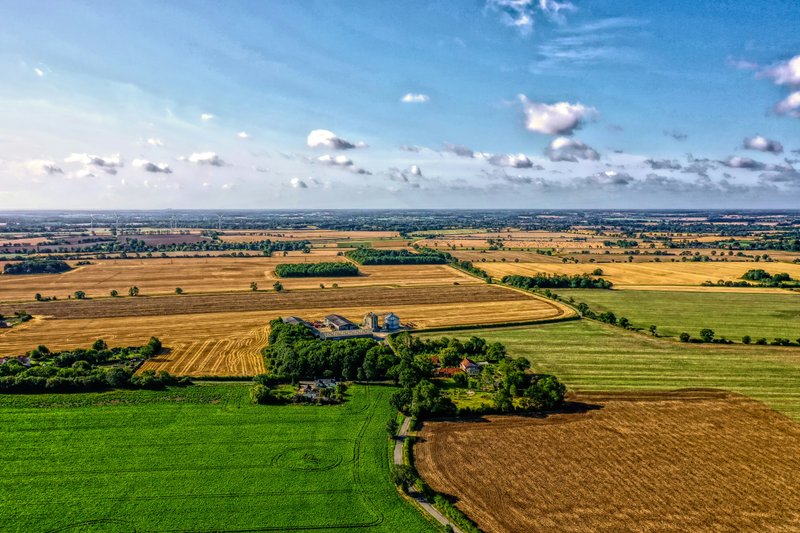
Suffolk's landscape unfolds in a patchwork of medieval wool towns, tidal estuaries, and shingle beaches that have drawn painters since Constable set up his easel along the Stour. Aldeburgh maintains its working fishing boats, selling catch directly from beach huts, while Southwold's pastel bathing huts line a Victorian pier town that refuses to modernize beyond its 1930s aesthetic. The interior tells a different story — Lavenham's timber-framed buildings lean at improbable angles, preserved since the cloth trade collapsed five centuries ago.
The dining scene draws from this agricultural richness: Orford's smokehouse has cured fish since 1956, Bury St Edmunds hosts a market that predates the Domesday Book, and the Deben estuary supplies oysters to restaurants across the county. Hotels occupy converted rectories, Georgian merchant houses, and estate buildings where the grounds often matter as much as the rooms — walled gardens, deer parks, and private stretches of river define the Suffolk hospitality tradition.