Across 26 acres of Welsh countryside, this layered estate weaves a 17th-century manor, Victorian additions, and a 15th-century longhouse into one coherent retreat. Martin Hulbert's interiors pair period details with local craftsmanship, while cottages scattered through the grounds offer seclusion and wood-burning stoves. The Fernery restaurant has earned a reputation as one of Wales's finest tables, and Pembrokeshire Coast National Park lies minutes away.
Where to Stay
Deep in rural Pembrokeshire, this adults-only guesthouse operates with meticulous precision across its spacious, modern rooms. The real draw lies at the communal dining table, where guests gather each evening for meals so accomplished they justify the journey alone. Run with genuine care, Ael y Bryn suits travelers seeking convivial intimacy over anonymous luxury—a retreat for those who appreciate shared conversation as much as comfort.
Five acres of manicured grounds frame this Georgian mansion, where revamped interiors channel country-house grandeur with contemporary polish. Floor-to-ceiling windows capture sweeping views across the Towy Estuary to Carmarthen Bay, while the kitchen champions Welsh produce in refined preparations. Sandy beaches, ruined castles, and Dylan Thomas's Laugharne sit within easy reach—ideal terrain for families seeking cultured coastal escapes.
A late-Victorian mansion perched above a wooded valley on the outskirts of St Davids, Penrhiw operates as a refined adults-only retreat. The eight bedrooms strike a masculine, pared-back tone—clean lines, muted palettes—while bold abstract canvases punctuate public spaces. Morning brings generous Welsh breakfasts showcasing local produce, setting guests up for coastal path explorations or cathedral visits.
Eight centuries of Norman military architecture meet contemporary Welsh design at this adults-only castle perched above Pembrokeshire's coastline. The meticulously restored fortress houses just a handful of rooms, each featuring specially commissioned artwork against a backdrop of panoramic sea views. Guests dine via complimentary shuttle at the sister property in nearby St Davids, making this an intimate base for exploring the coastal path.
Perched on Saundersfoot's headland, St Brides Spa Hotel commands sweeping coastal views that set the tone for its sea-inspired identity. The award-winning spa draws on marine therapies, while the harbour-facing Cliff Restaurant showcases regional Welsh produce. Art-filled interiors bring contemporary polish to the clifftop setting. Families find genuine welcome here, with self-catering apartments and early children's dining available.
A Victorian riverside warehouse converted into Cardigan's first luxury address, The Albion layers 19th-century sketches preserved on limewashed walls with Scandinavian-Japanese design restraint. Traditional Welsh blankets drape the beds, grounding contemporary minimalism in local textile heritage. The adults-only policy—guests sixteen and over—ensures a contemplative atmosphere suited to couples seeking Welsh coastal quiet without family-resort bustle.
Where to Eat
Inside a former bank on Narberth's Market Square, Annwn channels Welsh folklore through fiercely seasonal cooking. The chef moves between tables, sharing stories and offering extra pours of sauce alongside dishes built on foraged greens and Preseli Hills lamb. A Michelin Green Star signals the kitchen's sustainability commitments. Occasional foraging excursions deepen the connection between plate and landscape.
Inside the acclaimed Grove of Narberth, Fernery draws its identity from the Welsh landscape—both in design, where nature seems to spill indoors, and on the plate, where garden-grown ingredients anchor a tasting menu of remarkable intricacy. Cryptic dish names like 'Walled Garden' hint at compositions that reward close attention, while polished service guides each course with quiet precision.
Perched above the sea in a beautifully restored Strawberry Gothic house, Rhosyn occupies one of Pembrokeshire's most romantic settings—tumbling gardens, coastal views, and Tenby just a half-hour stroll away. The kitchen champions local provenance, with lamb and new potatoes from surrounding farms given modern treatment on both tasting and à la carte menus. A Michelin Plate destination where place and plate feel inseparable.
Six tables occupy this intimate dining room within Wolfscastle Country Hotel, where a concise seasonal menu reflects the southwestern Welsh landscape with evident precision. The kitchen demonstrates genuine understanding of local produce, building dishes with careful technique—none more accomplished than a signature pistachio soufflé, its delicate rise tempered by chocolate ice cream and tart raspberry purée. Attentive service matches the cooking's quiet confidence.
Housed within an 1806 windmill conversion adorned with striking contemporary art, Blas delivers pared-back modern cooking that lets Pembrokeshire's larder shine. John Dory, local lamb, and seasonal produce arrive in clean, unfussy preparations that reward restraint over spectacle. The Pembrokeshire Coast Path begins at the doorstep—an ideal prelude or coda to dinner. Michelin-recognised, warmly run, thoroughly Welsh.
Perched directly on Coppet Hall Beach, Lan y Môr—Welsh for 'seashore'—delivers coastal dining with an enclosed terrace framing sweeping sea views. The menu divides into 'Sea', 'Pasture' and 'Land', though local oysters, fresh catch, and the signature 'frockles' (crisp-fried cockles) command attention. A richly layered chocolate and cherry cake provides the ideal finish to this relaxed Pembrokeshire seaside table.
A former stone chapel turned newspaper printworks now hosts one of Pembrokeshire's most compelling Bib Gourmand tables. The restored interior feels crisp and contemporary, a fitting backdrop for seasonally driven small plates—many featuring meat from the owners' family farm. The cod with romesco sauce has earned particular devotion. Accessible pricing makes this an easy recommendation for relaxed, ingredient-focused dining.
Inside Tenby Golf Club, an experienced local chef champions the Welsh larder through unpretentious yet carefully executed modern cooking. The meal opens memorably with house-made ale bread and whipped marmite butter, setting a tone of confident simplicity. Spacious and relaxed, the dining room suits golfers and coastal wanderers alike—ideally paired with a stroll along the neighbouring beach.
Along an ancient drovers' road near Pembrokeshire, Y Polyn occupies a country pub where decorative tin ceiling tiles set a characterful scene. The kitchen works confidently with regional produce, turning out hearty plates of fish soup and crispy belly pork that reward without pretension. Locally brewed ales complete the picture—straightforward, satisfying cooking in a setting steeped in Welsh countryside tradition.
Frequently Asked Questions
When is the best time to visit Pembrokeshire?
+
Late spring through early autumn offers the most reliable weather for coastal walks and wildlife. May and June bring puffin season on Skomer Island, while September delivers quieter beaches and golden light along the Coast Path.
Is St Davids worth visiting?
+
Britain's smallest city rewards a full day. The medieval cathedral sits dramatically below street level, and the ruined Bishop's Palace alongside it adds historical weight. The surrounding headland offers some of Pembrokeshire's finest coastal walking, with Whitesands Bay a short drive away.
What seafood should visitors try in Pembrokeshire?
+
Pembrokeshire crab and lobster pulled from baited pots along the coast appear on most serious menus. Laverbread — seaweed traditionally served with cockles and bacon — remains a distinctly Welsh speciality worth seeking out at breakfast.
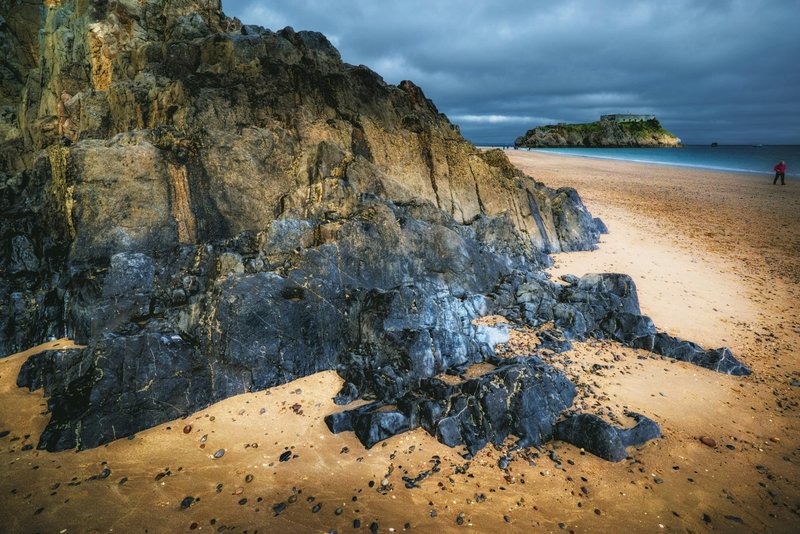
Wales's southwestern peninsula delivers dramatic coastal scenery without pretension. The Pembrokeshire Coast National Park — Britain's only coastal national park — wraps around fishing villages like Tenby, with its pastel Georgian townhouses stacked above North Beach, and St Davids, technically a city despite its population of barely 1,600, anchored by a 12th-century cathedral set in a hollow to hide it from Viking raiders.
The hospitality scene here favours substance over flash. Converted farmsteads in the Preseli Hills offer slate floors and Aga-warmed kitchens. Victorian seaside villas in Saundersfoot have been reimagined with contemporary interiors. Dining tilts heavily toward the catch — Milford Haven remains one of Britain's busiest fishing ports, and menus from Narberth to Newport reflect the day's haul. The real currency is access: cliff walks along the 186-mile Coast Path, boat trips to Skomer Island's puffin colonies, and evenings where the only competition for attention is the sunset over St Brides Bay.