


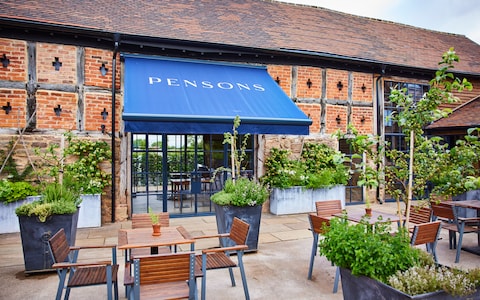
Britain's smallest Michelin-starred restaurant with rooms offers just two bedrooms arranged around a courtyard, steps from the brick-and-beam dining room. Each accommodation reflects the same meticulous attention that earned the kitchen its star—an adults-only retreat where gastronomy and rest share equal billing. The intimate scale ensures a sense of exclusivity rarely found at properties of any size.
Herefordshire Travel Guide: Best Hotels, Restaurants & Experiences 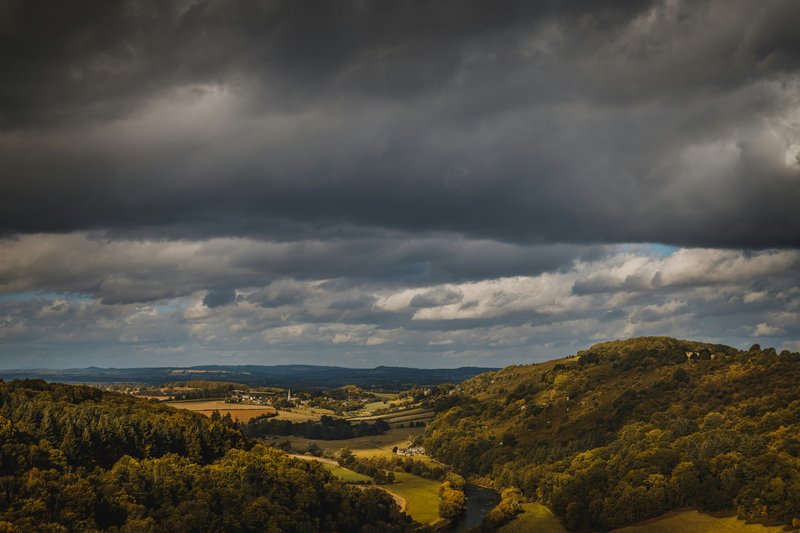
Explore Herefordshire
Hotels (3)
Restaurants (4)
Where to Stay

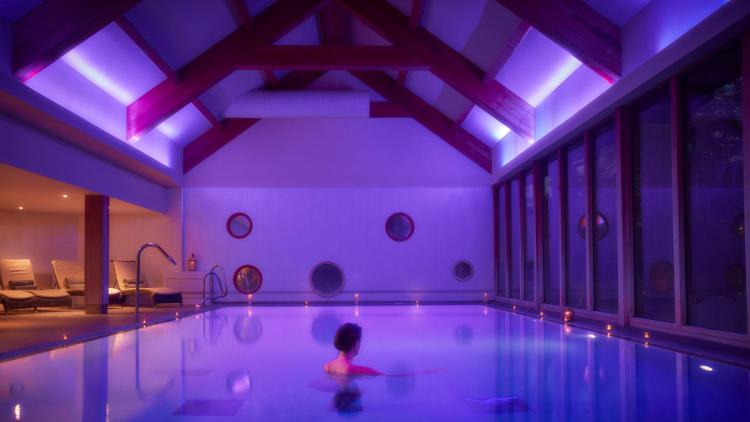
This Grade II-listed Queen Anne country house delivers character without stuffiness, its handsome period architecture framing views of Worcestershire's gentle hills. The spa anchors the experience—thermal suite, outdoor hot tub, an invitation to decompress. Families find practical flexibility in interconnecting rooms, sofa beds, and a three-bedroom suite, though the atmosphere skews adult, with restricted pool hours for children.

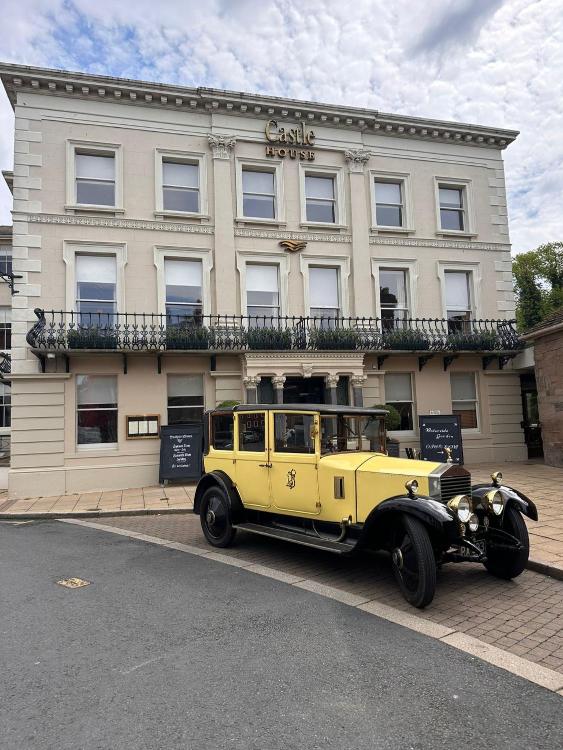
A Grade II-listed Georgian villa and adjoining townhouse occupy a quiet cul-de-sac beside Hereford's ancient moat, steps from the cathedral. Castle House delivers the city's finest accommodation with an accomplished restaurant and bar on site. Families find genuine welcome here: the townhouse opens onto a private garden, while larger rooms accommodate extra beds and cots with ease.

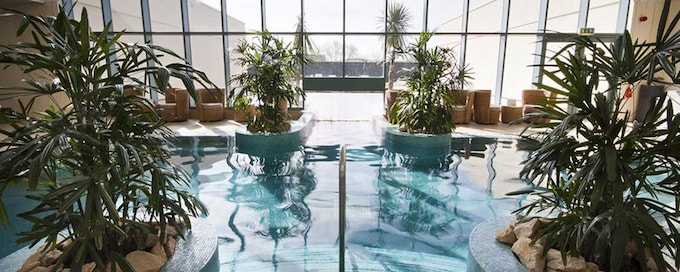
Roman columns, Jerusalem stone floors, and olive trees create an unmistakably Italianate atmosphere at this adults-only retreat on the edge of Great Malvern—the town's first spa hotel in over a century. The Mediterranean design belies its English setting, though the remarkable Malvern Hills remain close at hand for restorative walks between treatments. A refined escape for couples seeking wellness without distraction.

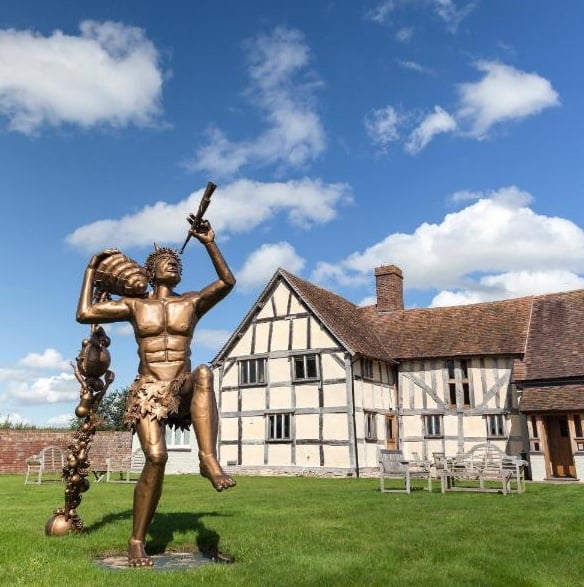
A working farm on the Cotswolds' edge, Eckington Manor scatters its sixteen rooms across the original manor house and converted agricultural buildings—each space shaped by centuries-old floor plans into something singular. The restaurant draws directly from the estate's own produce and nearby suppliers, while an ambitious cooking school offers hands-on immersion. Dogs welcome; gardens ramble. For travelers seeking rural authenticity with substance.
Where to Eat

★ Michelin
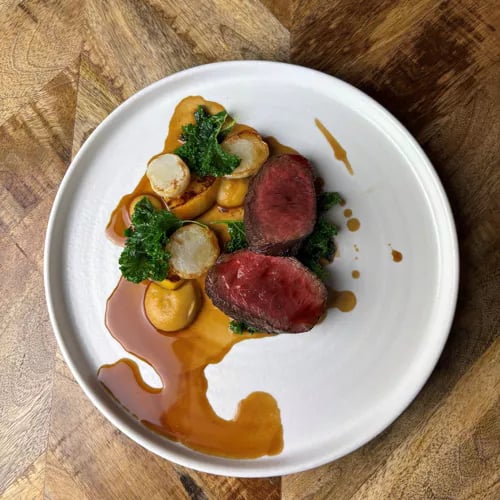
Inside a Grade II listed Georgian building on Ledbury's main thoroughfare, chef James cooks alone, sending out plates of unadorned clarity — Salcombe crab lifted by punchy romesco, seasonal deer paired with a richly savoury faggot. His wife Elizabeth runs the intimate dining room with genuine warmth. One Michelin star confirms the kitchen's quietly confident mastery of British produce.

Michelin Selected
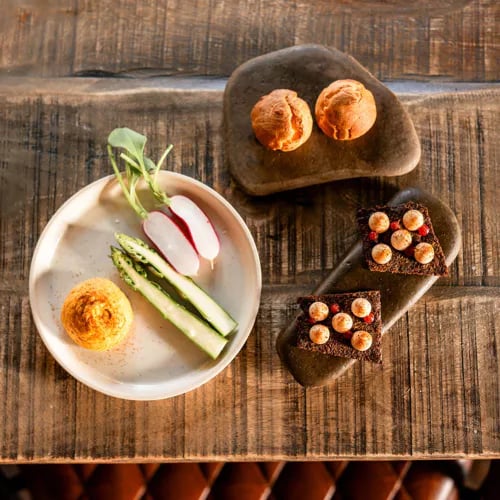
A sixteenth-century barn on the Netherwood Estate provides the dramatic setting for Andrew Sheridan's modern British cooking. The kitchen draws from gardens visible through ancient timbers, weaving estate-grown produce into dishes that carry occasional East Asian inflections—Japanese milk bread among them. Luxury accommodation across the courtyard allows guests to extend the evening into an unhurried country retreat.

Michelin Selected· Green Star ●
A stone-built former chapel meeting room sets the stage at Chapters, where parquet floors, wood panelling, and leaded windows create an atmosphere of rustic-vintage intimacy. The kitchen's unwavering commitment to sustainability earns a Michelin Green Star, with set menus shaped entirely by hyper-seasonal, local produce. House-made pickles and preserves line the walls, while a small shop offers natural and organic wines to take home.

Michelin Selected
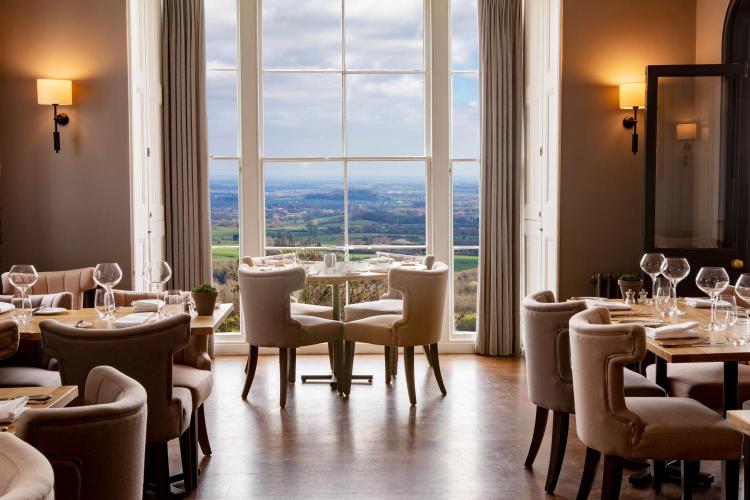
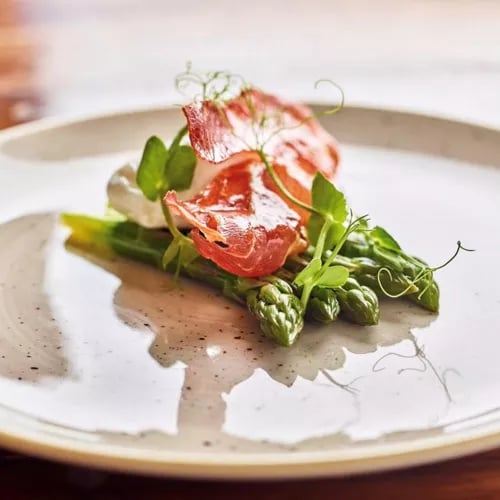
Perched on the wooded eastern flank of the Malvern Hills, this Modern British restaurant commands sweeping views across the Severn Vale—best appreciated from the terrace. The kitchen champions local provenance with conviction: Exmoor caviar, Evesham asparagus, butter sauces enriched with English sparkling wine. Both tasting and à la carte menus unfold in a bright, contemporary dining room where the pace feels unhurried and the pricing refreshingly sensible.

Bib Gourmand
Malvern Hills unfold from the terrace of this Bib Gourmand country inn, where a New England-inflected dining room sets the stage for generous modern British cooking. The kitchen builds dishes around bold contrasts — pickled enoki cutting through rich red wine jus, starters sized like mains. Check the specials board for the sharpest value; the style-to-substance ratio here rewards the hungry.

Michelin Selected
Saved from conversion to private housing by a determined village campaign, Kilpeck Inn now thrives as a beacon of community spirit with a strong environmental ethos. The kitchen champions Herefordshire producers, sending out robust plates of locally reared meats followed by comforting old-fashioned puddings. Smart, characterful interiors and a Michelin Plate recognition make this a compelling rural stop.

Michelin Selected
A 19th-century wheelwright's workshop turned drovers' rest, The Baiting House retains its rustic bones while serving confident modern British cooking. The kitchen favours restraint over theatrics, letting quality ingredients speak through well-balanced plates that consistently deliver depth and flavour. After dinner, guests can retreat to private lodges fitted with hot tubs — a persuasive reason to linger in this quiet corner of Worcestershire.

Michelin Selected
A former drovers' inn at the end of a six-mile single-track road from Hay-on-Wye, The Bull's Head keeps its flagstone floors, slate walls and open fires intact. The kitchen works with meat from the owners' own farm, turning out homemade charcuterie and hearty Sunday roasts. Cooking stays unfussy and ingredient-led, paired with low intervention wines and well-chosen beers.

Michelin Selected
A salvaged ship's door marks the threshold to this rural inn, where hop bines drape low beams alongside regulars' tankards. The kitchen works a deliberately short menu, letting seasonal ingredients speak through honest, unfussy cooking. Ales drawn straight from the keg match the straightforward ethos. A Michelin Plate holder, The Butchers Arms rewards those seeking substance over spectacle in the Gloucestershire countryside.
Frequently Asked Questions
What is the best time of year to visit Herefordshire?
+
Late spring brings apple blossom across the orchards, while autumn offers harvest festivals, cider-making season, and golden light along the Wye Valley. The Big Apple celebration in October showcases the county's cider heritage with tastings and orchard walks.
How accessible is Herefordshire from major UK cities?
+
Hereford lies roughly three hours from London by car via the M50, with direct trains from Birmingham taking under ninety minutes. The lack of motorway connections has helped preserve the county's unhurried character.
What distinguishes Herefordshire's food and drink scene?
+
The county produces both Hereford beef (a heritage breed now raised worldwide) and perry — pear cider made from ancient orchards containing varieties found nowhere else. Local restaurants work closely with farms, and many estates offer direct-to-table dining experiences.



Herefordshire
The Welsh Marches borderland unfolds across Herefordshire in a patchwork of hop yards, cider orchards, and cattle-dotted pastures threaded by the River Wye. The county town of Hereford anchors the region with its eleventh-century cathedral housing the Mappa Mundi, while market towns like Ledbury and Ross-on-Wye preserve half-timbered streetscapes largely unchanged since the Tudor era. This is farming country with a sophisticated palate — the local Hereford beef carries protected status, and the orchards produce single-variety ciders that rival fine wines.
The dining scene draws on this agricultural bounty with a farm-to-table ethos that predates the term. Accommodation ranges from converted hop kilns and Georgian rectories to working farms where the eggs at breakfast come from the field you can see from your window. The Black Mountains rise along the western edge, offering walking country that feels genuinely remote yet sits barely three hours from London. Evening entertainment tends toward the convivial — local pubs with flagstone floors and real fires, serving ales from microbreweries scattered across the county.