


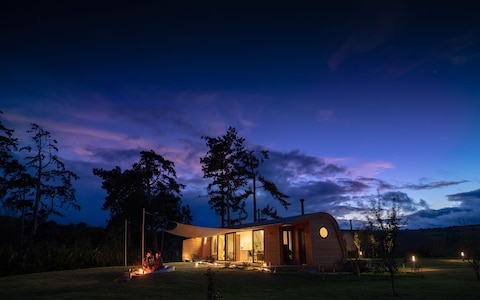
Chimney-topped pods and timber-clad family lodges dot this pea-green Welsh landscape with Scandinavian restraint. The design prioritizes unbroken sightlines across tree-framed valleys, while the site's dark sky reserve status delivers exceptional stargazing after dusk. Families gravitate toward lodges equipped with forest dens and outdoor swings; couples claim the pods, unwinding in hot tubs as the firmament unfolds overhead.
Brecon Beacons Travel Guide: Best Hotels, Restaurants & Experiences 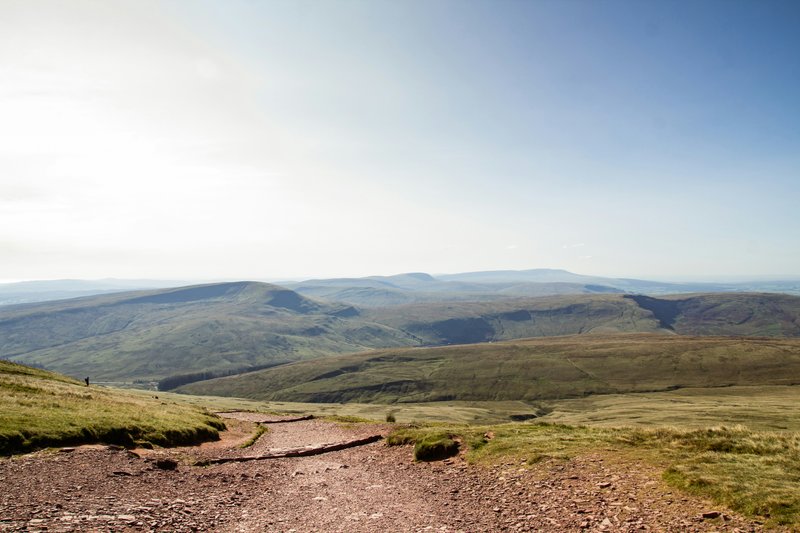
Explore Brecon Beacons
Hotels (2)
Restaurants (1)
Where to Stay

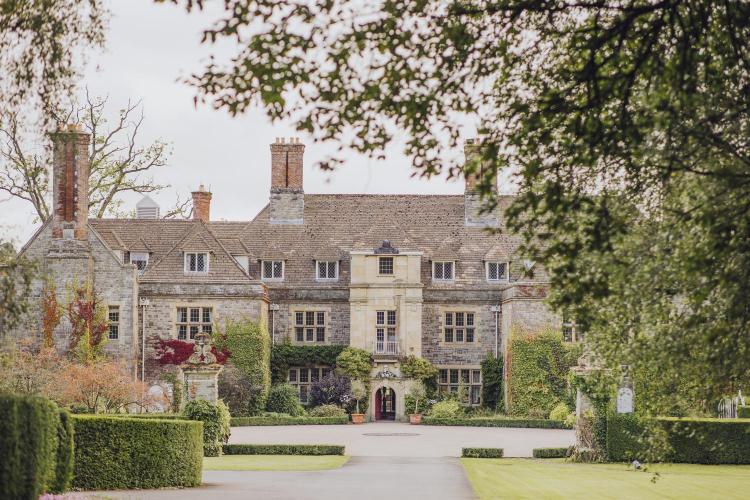
Centuries of Welsh history converge at Llangoed Hall, a country manor where the Ashley family's decorative vision earned a perfect style score. The river-bounded grounds reward long walks before afternoon tea beside a roaring fire. Its restaurant ranks among the finest in Wales, built on seasonal produce and precise technique—an address for travelers seeking both landscape and table.

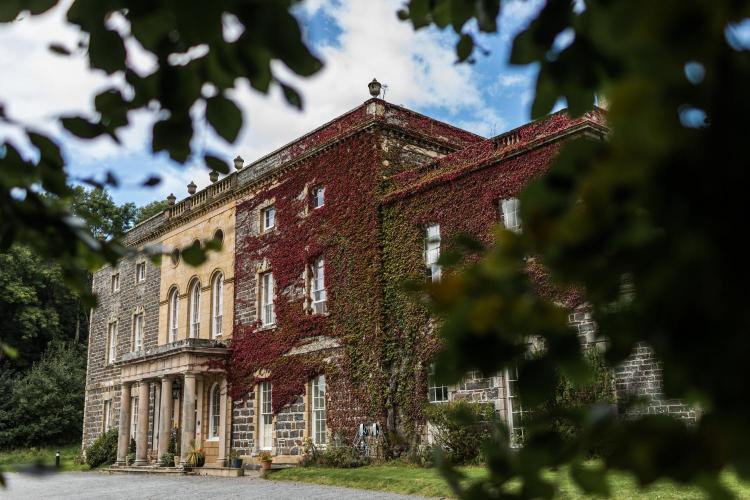
A Grade I-Listed Georgian mansion wrapped in ancient woodland, Nanteos has emerged from an extensive restoration with opulent suites and a dining room championing inventive Welsh cuisine. The position between Cambrian hills and Cardigan Bay coastline creates a compelling sense of seclusion. Four rooms accommodate families, though the atmosphere skews decidedly romantic—couples seeking countryside drama with polished comfort will find it here.

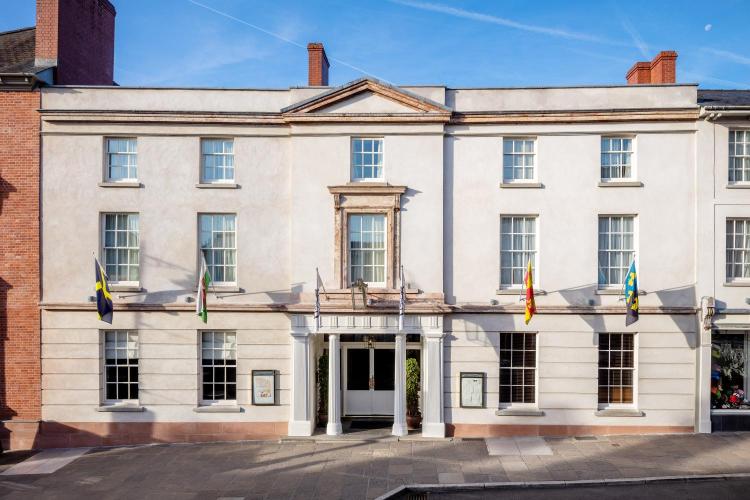
A Georgian coaching inn reimagined with Art Deco touches, The Angel occupies a prime position on Abergavenny's main street. Cosy alcoves invite lingering over local ales, while the kitchen draws heavily on Welsh producers for its seasonal menus. Families find genuine welcome here—cots, activity packs, babysitting on hand—and the Brecon Beacons trails start practically at the door.

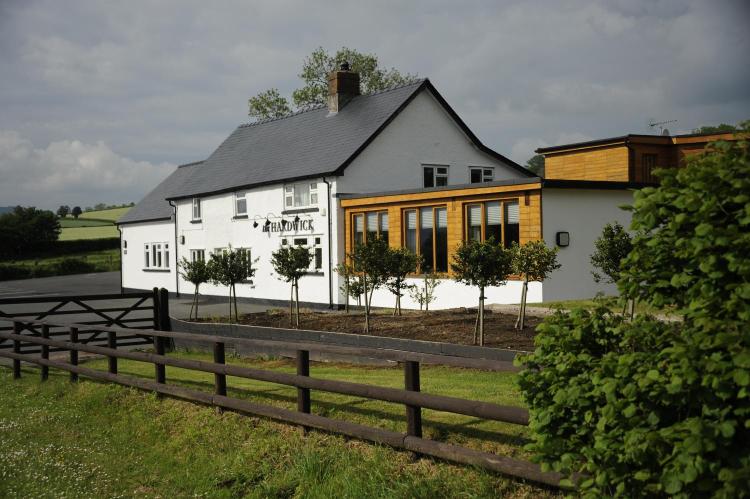
A celebrated dining destination with rooms attached, The Hardwick delivers ambitious menus at lunch and dinner alongside an all-day bar that draws locals and visitors alike. Eight contemporary rooms occupy a purpose-built extension, each fitted with quality bedding and well-appointed bathrooms. Families find genuine welcome here—children's menus, fold-up beds, and cots available—making it a practical base minutes from Abergavenny.

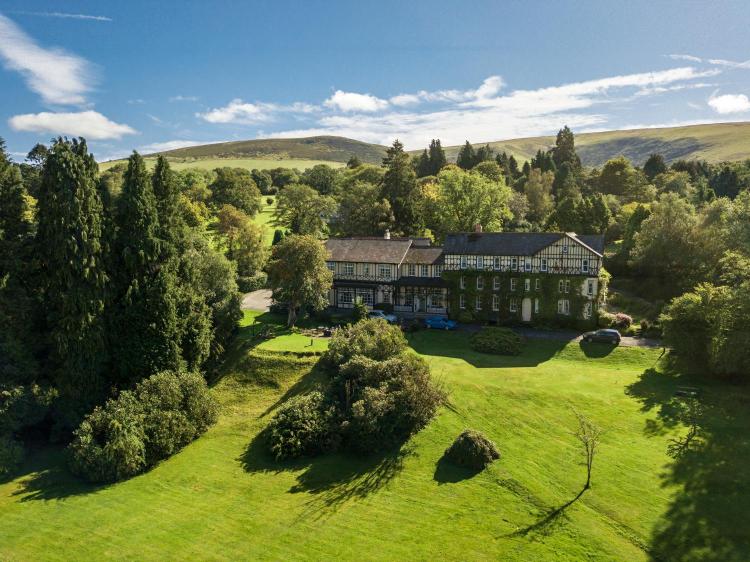
This mock-Tudor manor in Llangammarch Wells delivers a refined Welsh escape across lake-dotted grounds where croquet games unfold beneath hedgerowed hills. Rooms carry touches of antique romance, while a lodge-style spa provides restorative contrast to rambling countryside walks. The kitchen draws on local producers, making it a compelling retreat for those seeking pastoral grandeur without pretense.
Where to Eat

★★ Michelin
Chef-Owner Gareth Ward orchestrates a five-hour, thirty-course immersion at this two-Michelin-starred destination in rural Powys. The surprise menu swings from delicate sashimi to richly marbled A5 Wagyu, punctuated by fermented preparations and bold, fatty cuts. Inside the striking matt-black building, Scandi-minimalist design meets Welsh craft—sheepskins, handmade ceramics—while luxurious bedrooms allow the evening to extend into morning.

★ Michelin
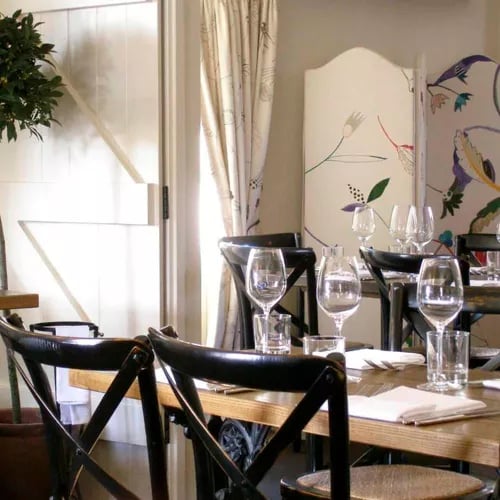
Shaun Hill has manned the stove at this whitewashed inn for over two decades, earning a Michelin star with cooking that moves fluidly between classical technique and modern sensibility. Fish dishes shine brightest—red mullet lifted by dashi, cod paired with brown shrimps—while an open-fired bar and art-filled dining room provide the rustic warmth. The surrounding hills of the Brecon Beacons complete the picture.

Michelin Selected
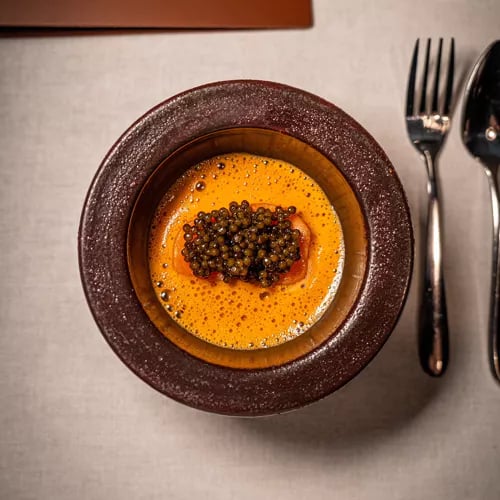
Inside a boldly painted former coaching inn in Llangattock, chef Matt Sampson runs a four-table dining room where intimacy defines the experience. Each meal begins with a presentation of the day's produce before Sampson crafts, serves, and narrates every course from his open kitchen. The tasting menu balances technique with restraint—Chalk Stream trout with chilli-infused langoustine bisque and caviar demonstrates his precise, citrus-driven style.

Michelin Selected
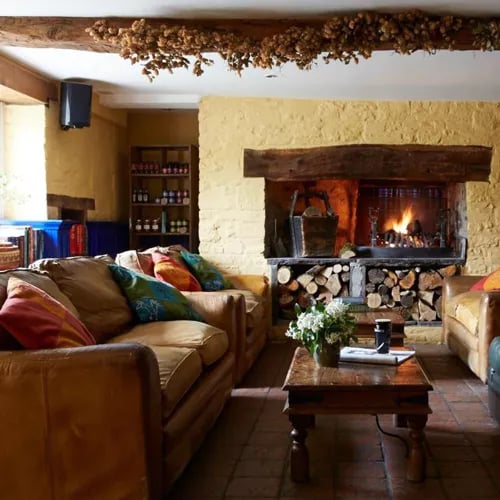
A crackling fire, sofas worn soft by hikers, and pints of local ale set the scene at this country inn on the Brecon Beacons' edge. The kitchen garden feeds a Michelin-recognized menu of unfussy excellence—think cod with fondant potatoes and beurre blanc. After dinner, the dark sky reserve overhead offers stargazing to rival any dessert. Families find genuine welcome here, from children's high tea to autumn foraging walks.

Michelin Selected
Three converted sheds tucked off a central Abergavenny courtyard house this bright Modern British restaurant, where a seasonally shifting menu favors well-priced small plates and generous sharing dishes. The cooking delivers bold, satisfying flavors—evident from the first tear of excellent sourdough with Marmite butter. A leafy terrace extends the experience outdoors in warmer months, matched by genuinely warm service throughout.

Michelin Selected
A 17th-century drover's inn where the convivial bar rooms remain the heart of the experience, Y Talbot delivers robust Welsh cooking built on seasonal, local produce. The kitchen favours traditional preparations with pronounced, honest flavours — hearty fare suited to the wild Cambrian landscape outside. Bright, contemporary bedrooms provide comfortable overnight stays, and an elephant lies buried in the garden, a genuine historical curiosity.
Frequently Asked Questions
Which towns make the best base for exploring the Brecon Beacons?
+
Crickhowell offers the strongest concentration of independent restaurants and easy access to the eastern peaks. Brecon provides a larger market town atmosphere with the cathedral and canal basin. For remoteness, the western reaches around Llandovery place you closer to the Carmarthen Fans and the ancient drovers' roads.
When is the best season to visit the Brecon Beacons?
+
Late spring brings bluebells to the wooded valleys and lambing season across the farms. Autumn offers bracken turning copper on the hillsides and fewer walkers on Pen y Fan. Winter appeals to those seeking dark-sky stargazing — the park holds International Dark Sky Reserve status — though be prepared for snow on higher ground.
What distinguishes the food scene in this part of Wales?
+
The region benefits from exceptional raw materials: salt marsh lamb, beef from native Welsh Black cattle, and river fish from the Usk and Wye. Local producers supply venison, wild garlic, and farmhouse cheeses. Several restaurants have earned recognition for menus that change with what the surrounding landscape provides each week.




Brecon Beacons
The Brecon Beacons — now officially Bannau Brycheiniog — spread across 520 square miles of sandstone peaks, glacier-carved valleys, and market towns that have changed little since drovers passed through with their cattle. Crickhowell anchors the eastern edge with its thirteen-arch bridge and independent shops; Brecon itself clusters around a Norman cathedral and Georgian coaching inns. The landscape shifts from the dramatic escarpment of Pen y Fan to the remote moorland of Fforest Fawr, a UNESCO Global Geopark where red kite circle above waterfalls hidden in oak woodland.
Accommodation here tends toward character over conformity: Victorian shooting lodges converted with contemporary comfort, working farms offering refined simplicity, and Georgian townhouses where fires burn in original hearths. The dining scene has sharpened considerably, with chefs drawing on Welsh lamb from the Black Mountains, trout from the Usk, and foraged ingredients from the surrounding hills. Village pubs serve real ale alongside increasingly ambitious menus, while the region's growing reputation for wild swimming and dark-sky stargazing draws visitors year-round.