


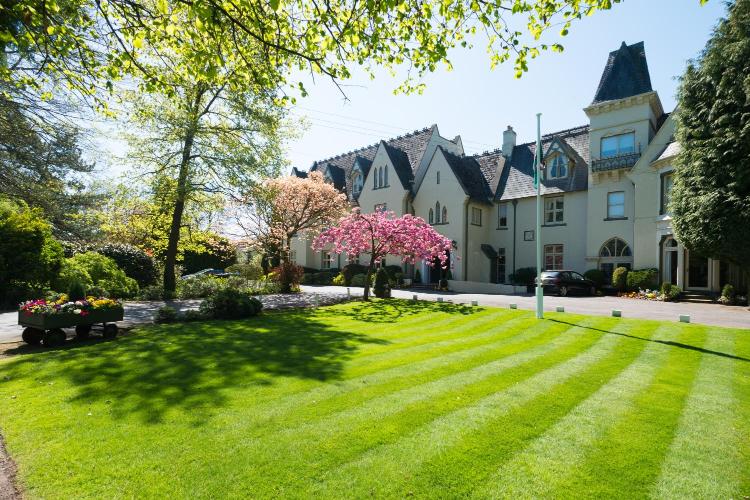
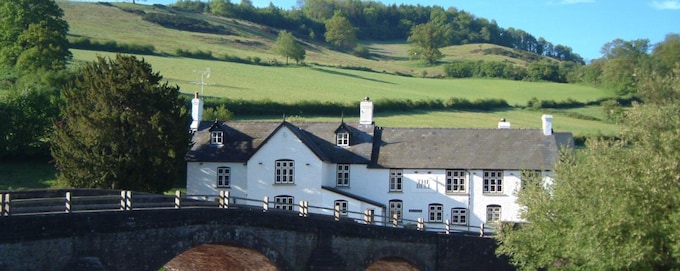
A handsome white Victorian villa presiding over three acres in the picturesque town of Usk, Glen-Yr-Afon operates as a privately-owned retreat with 27 individually designed rooms. Families appreciate the spacious two-level suites accommodating both double and twin beds, while the on-site restaurant and intimate bar make this address particularly suited to milestone celebrations in the Welsh countryside.
Wye Valley Travel Guide: Best Hotels, Restaurants & Experiences 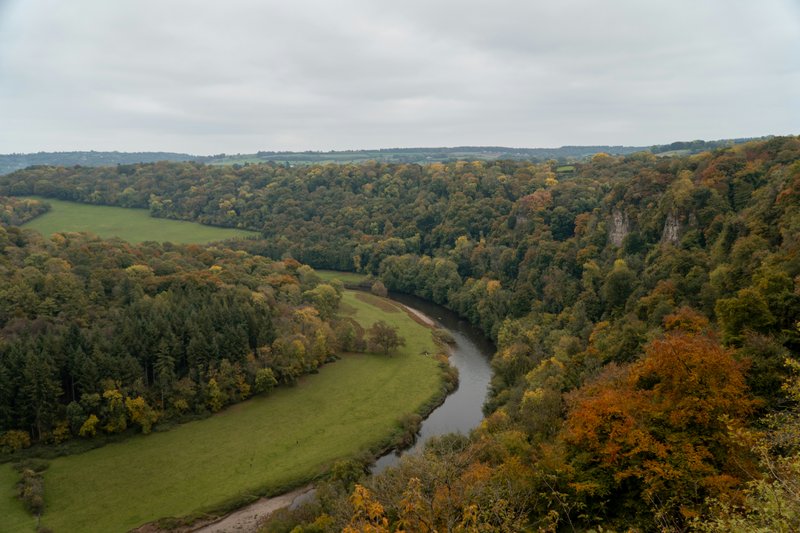
Explore Wye Valley
Hotels (1)
Restaurants (2)
Where to Stay

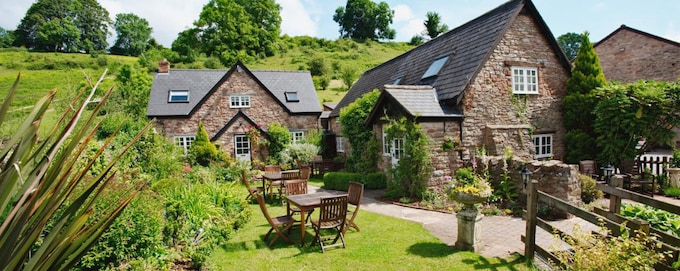
A cluster of converted farm buildings in the historic village of Clearwell forms this immaculate 20-room retreat on the edge of Gloucestershire's Forest of Dean. The kitchen delivers exceptional results, while the surrounding woodland offers walking, cycling, and foraging right from the door. Families find flexible suites with bunk beds and sofa beds; dogs settle happily into designated rooms—a proper country escape without pretension.
Where to Eat

★ Michelin· Green Star ●
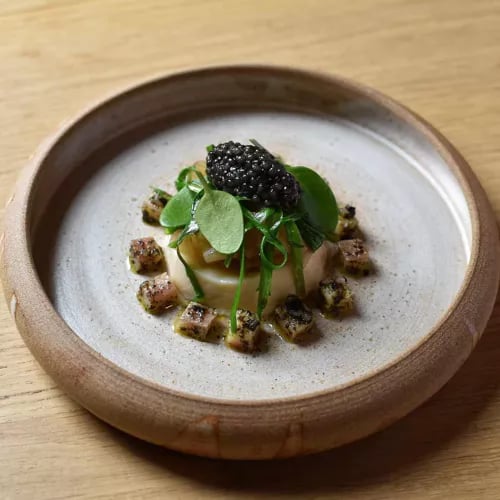
A former drover's cottage deep in the Wye Valley woodlands, this Michelin-starred restaurant holds a green star for its commitment to sustainability. The kitchen forages locally and cultivates its own garden, channeling the surrounding landscape into dishes like the signature Middle White suckling pig—a nose-to-tail preparation featuring pig's head croquette and offal faggot. An equally inventive vegetarian menu rewards those who venture here.

Michelin Selected
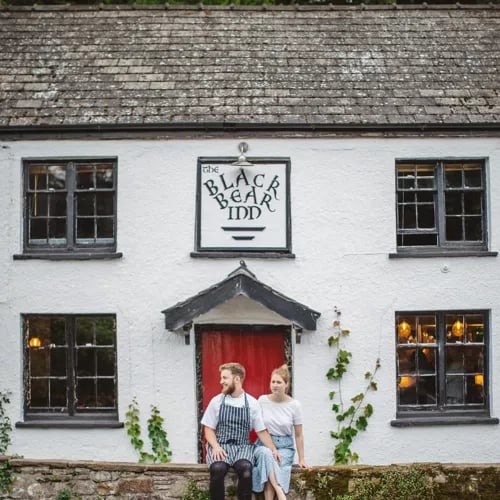
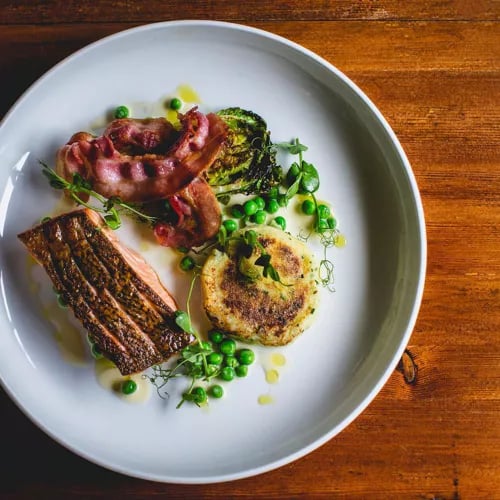
A whitewashed country inn near the Victorian market town of Usk, the Black Bear delivers classically rooted cooking with particular finesse in its fish dishes—hake arrives with a rich butter sauce and capers that demonstrate real technical command. The concise menu reflects a kitchen that makes everything from scratch, down to the sorbets and ice creams. Log fires and weathered beams complete the rural Welsh picture.

Michelin Selected
A 17th-century coaching inn on the Welsh-English border, The Bell at Skenfrith draws from its organic kitchen garden for hearty dishes like Welsh beef with dauphinoise and brandy peppercorn sauce. The peerless wine list and impressive cognac selection reward lingering, while the muddy-boot bar and garden Pooch Parlour welcome walkers fresh from the surrounding valleys.

Michelin Selected
A 17th-century stone farmhouse perched above the River Wye, Parva Farmhouse operates on its own terms: menus arrive a day ahead, and booking is non-negotiable. The intimate dining room, warmed by an inglenook fireplace, serves gutsy modern British cooking underpinned by French technique, with occasional Italian and Asian inflections. Michelin Plate recognition confirms the kitchen's confident, unfussy approach.
Frequently Asked Questions
Which towns make the best base for exploring the Wye Valley?
+
Ross-on-Wye offers the widest range of accommodation and sits at the valley's northern gateway with good road connections. Monmouth provides a more compact Welsh market town atmosphere with direct access to the lower valley. For full immersion, smaller villages like Tintern or Symonds Yat place you directly on the river.
When is the best season to visit the Wye Valley?
+
Late spring brings wild garlic and bluebell displays across the woodland floors, with comfortable walking temperatures. Autumn transforms the gorge with vivid foliage reflected in the river — October particularly rewards photographers. Summer sees more visitors but allows riverside activities; winter offers solitude and atmospheric mists rising from the water.
What outdoor activities are available in the Wye Valley?
+
Canoeing and kayaking along the river remain the signature experiences, with routes from Hay-on-Wye downstream through the gorge. The Wye Valley Walk follows the river for 136 miles. Offa's Dyke Path crosses through, and the limestone cliffs at Symonds Yat attract rock climbers. Cycling routes wind through quieter lanes above the valley.




Wye Valley
The Wye Valley carves through the borderlands between England and Wales, a deep limestone gorge where the river bends past ruined abbeys and oak forests that have barely changed since medieval times. Tintern's abbey ruins draw visitors, but the valley's character lies in its working farms, cider orchards near Monmouth, and small market towns like Ross-on-Wye where independent shops line Tudor-era streets. The accommodation scene reflects this pastoral setting — converted coaching inns, Georgian manor houses turned country hotels, and farmhouse B&Bs where breakfast features eggs from the garden.
Dining follows the land. Restaurants source from Herefordshire beef farms, Wye salmon when the season allows, and Forest of Dean mushroom foragers. Pubs in villages like Symonds Yat and Llandogo serve local ales alongside refined cooking. The rhythm here is slow — canoe down the river by day, return to a fireside dinner as the valley darkens. Spring brings wild garlic carpeting the woodland floors; autumn turns the gorge amber and rust.