Dating to 1598, this Elizabethan manor wrapped in a thousand acres of William Robinson's celebrated gardens feels remarkably distant from London, though barely an hour away. Oak-paneled interiors and just seventeen rooms create the intimacy of a private country estate. The Michelin-starred restaurant, a striking contemporary space, draws on the kitchen garden for dishes as rooted in the land as the house itself.
Explore Sussex
Where to Stay
A working portcullis still guards this 900-year-old fortress, where Henry VIII once walked corridors now lined with museum-worthy artefacts. The Brownsword family has fitted nineteen rooms with Vispring beds and gas fireplaces while preserving medieval stone and timber. Dinner unfolds in two grand historic chambers, and thirteen acres of manicured grounds offer croquet, tennis, and golf—an immersive retreat for history-seeking romantics.
Built in the 1930s from salvaged medieval stones and beams, Bailiffscourt cultivates an atmosphere of authentic antiquity across thirty acres of private parkland. The 39 rooms scatter between the original Medieval House and outlying cottages—Baylies, with its vaulted ceiling and four-poster bed, ranks among the finest. Kevin the peacock patrols the grounds while guests drift between the modern spa and nearby Climping beach.
Carved fireplaces and ornate Victorian ceilings anchor this 93-acre estate overlooking the Sussex Downs, where an indoor-outdoor spa complex extends to a tree-ringed swimming lake. Three restaurants include Michelin-starred The Pass, while the grounds shelter a fledgling vineyard and England's largest rhododendron, the fabled 'Big Rhodey'. Dog-friendly rooms and interconnecting family suites broaden the appeal.
Three King Georges and George Clooney have passed through this 400-year-old coaching inn, its labyrinthine corridors and half-timbered ceilings preserving centuries of character. The 24 rooms offer deep antique-style bathtubs and fine linens, while The George Grill plates local seafood alongside South of England wines. Families gravitate toward Hayloft suites, where children claim cubby hole pod beds with built-in televisions.
An Elizabethan manor house rising from the Sussex Weald, Ockenden pairs period architecture with a contemporary spa featuring an outdoor pool and sun terrace. The restaurant delivers refined dining against countryside panoramas, while pampering packages draw couples celebrating milestones. Families benefit from interconnecting rooms, designated swim sessions, and early dinner service—a thoughtful balance of indulgence and practicality.
A restored 16th-century farmhouse positioned off the South Downs Way, Saltmarsh Farmhouse offers six serene rooms with stripped-back, wholesome interiors. The setting proves exceptional: the Cuckmere river traces dramatic oxbow loops toward the Seven Sisters cliffs, while surrounding habitats—salt marsh, chalk downland, river meadow—create ideal terrain for families. A volunteer-run visitor centre next door provides walking routes and wildlife exhibits.
A 19th-century Italianate mansion perched on a West Sussex ridge, Leonardslee House commands views across rhododendron gardens, vineyards, and the South Downs. Ten bedrooms showcase statement wallpapers, antiques, and marble fireplaces, while after-hours access to the 240-acre Grade I-listed gardens ensures genuine seclusion. The restaurant's foraged tasting menus and mirrored dining room reward those seeking refined countryside retreat with family-friendly flexibility.
A rare example of beachy-chic on the English coast, The Gallivant channels a relaxed surf-shack sensibility through rooms dressed with custom headboards, vintage artworks, and well-stocked bookshelves—some opening onto private decks or gardens. The ritual of English wine at five o'clock sets the tone before dinner at Harry's, where seasonal Sussex produce anchors the menu. Picnic baskets with cocktails await beachgoers. Adults only.
A neo-Gothic mansion from the nineteenth century, Ashdown Park rises from 186 acres of Wealden parkland where secret gardens and ornamental lakes punctuate the landscape. The 18-hole par 3 course threads through ancient forest, while indoors the Anderida restaurant holds two AA Rosettes for its contemporary British cooking. Families find particular appeal here—a Winnie the Pooh afternoon tea with 'hunny' sandwiches delights younger guests, and the spa and indoor pool suit all ages.
Where to Eat
At South Lodge's counter-seated dining room, chef Ben Wilkinson orchestrates a kitchen of quiet precision. Guests perched at high-topped tables witness day boat turbot and wild fallow deer transformed through meticulous technique, each course building toward desserts that serve as the meal's crescendo. The South Downs provide a pastoral backdrop to cooking that rewards close attention.
Within an Italianate mansion on the 240-acre Leonardslee estate—its lakes and gardens first planted in 1801—Chef Jean Delport delivers a one-starred 'Estate Experience' menu rooted in hyper-local ingredients and his South African heritage. The signature 'Rabbit Eats Carrot' features house-made carrot biltong, while the wine list draws from their own Benguela Cove vineyards. A Green Star confirms the kitchen's sustainability commitment.
Within a striking contemporary extension of this Elizabethan manor, a one-Michelin-starred kitchen draws its pulse from the estate's own garden. Traditional British cooking here means immaculate produce—vegetables, herbs, fruit—transformed into dishes of deceptive simplicity, like a garden salad that lingers in memory. Beyond the glass, 35 acres of William Robinson's pioneering English gardens unfold, while wood-panelled rooms with crackling fires await after dinner.
Exposed brick and weathered beams set a rustic tone at this passionately run restaurant near Chichester, where classical technique meets contemporary ambition. Generous portions deliver bold, assertive flavours that reward hearty appetites, while regular gourmet evenings draw devoted locals seeking something beyond the everyday. The cooking reflects genuine conviction—unfussy, confident, and satisfying in its directness.
Behind an unmarked door in Hastings, ten guests descend into chef Jack Lury's intimate domain where he cooks solo, drawing on British, European and Sri Lankan roots. The tasting menu applies confident spicing to local produce—puréed aubergine lifted by mustard seeds, venison partnered with a fragrant garlic sauce. A personal, precisely executed evening for those who value proximity to the pass.
A husband-and-wife operation in Arundel's Castle Mews, The Parsons Table delivers classic-rooted cooking with a subtle contemporary edge. The intimate dining room draws a loyal local following for dishes that prioritize flavour and honest technique over fuss. Michelin recognition confirms the kitchen's confident hand—an understated address for travellers seeking genuine craft rather than theatrical performance.
Converted farm buildings with floor-to-ceiling windows frame rolling vineyard views at this 70-acre wine estate near Rye. The kitchen's ingredient-driven approach yields dishes of striking purity—fixed-price lunches or sharing plates that fill the rustic dining room with convivial energy by evening. A Michelin Green Star recognizes the estate's sustainability commitment, while the wine list draws from their own low-intervention production.
Beamed ceilings, pewter tankards, and open fires set the scene at this 16th-century village inn, where Modern British cooking earns a Michelin Plate distinction. The kitchen champions Sussex produce in hearty classics—think steak, mushroom, and ale pie with triple-cooked chips—while the bar welcomes dogs alongside their owners. Four rooms upstairs extend the stay beyond supper.
Rudyard Kipling once frequented this 16th-century coaching inn on the Sussex-Kent border, and its eccentric spirit endures—top hats serve as lampshades, tubas decorate the loos. The kitchen delivers boldly flavoured dishes alongside sourdough pizzas from the outdoor Smithy Kitchen in fair weather. A wine list featuring magnums, jeroboams, and imperials rewards those who linger in this picture-postcard village setting.
Frequently Asked Questions
Which Sussex Coast towns are best for a weekend trip from London?
+
Brighton offers the most variety within walking distance — restaurants, bars, beach, and cultural venues — and takes under an hour from Victoria or London Bridge. Lewes, fifteen minutes further inland, suits those wanting a quieter base with good pubs and antique shops. Rye, though slower to reach, rewards with its cobbled streets and medieval architecture.
When is the best season to visit the Sussex Coast?
+
Late spring through early autumn provides the most reliable weather for coastal walks and outdoor dining. September often brings settled conditions with thinner crowds. Winter has its own appeal in Brighton, where indoor venues keep running, and the Lewes bonfire celebrations in early November draw dedicated crowds.
What are the notable dining areas along the Sussex Coast?
+
Brighton's North Laine and the Lanes contain the densest concentration of independent restaurants and wine bars. Hastings Old Town has developed a scene around its fishing beach, with several restaurants sourcing directly from day boats. Arundel and Lewes both offer smaller but considered selections, often with a focus on South Downs produce.
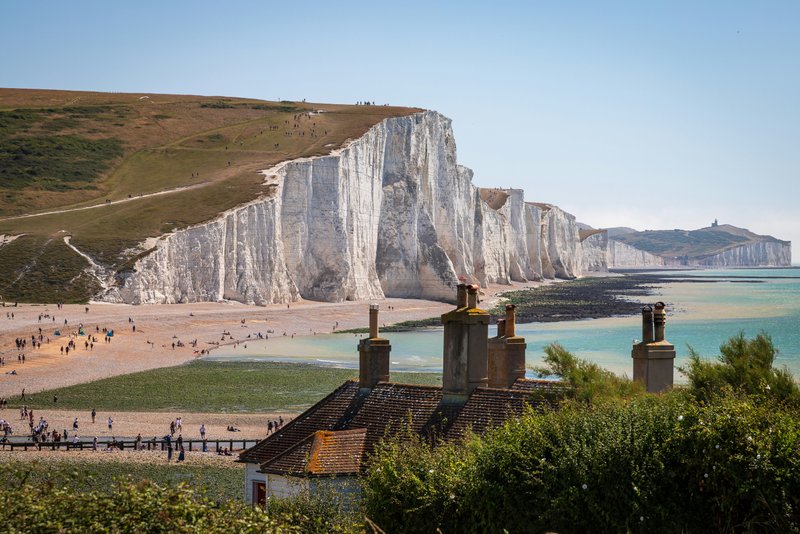
The Sussex Coast stretches from the white chalk headland of Beachy Head to the medieval harbour town of Rye, taking in the faded Regency grandeur of Brighton and the quieter Victorian resort towns of Eastbourne and Worthing along the way. Brighton remains the anchor — its lanes packed with independent shops, its seafront a collision of Edwardian pleasure pier and brutalist conference centre, its North Laine neighbourhood a useful compass for the region's creative pulse. Head east and the pace slows: Lewes offers a county-town antidote with its own November bonfire traditions, while the Cuckmere Valley leads to the Seven Sisters cliffs.
Dining here splits between Brighton's urban variety — where Thai fishcakes might sit beside natural wine bars and tasting-menu restaurants — and the simpler pleasures of coastal towns: smoked fish from Hastings beach huts, oysters from the beds near Pagham. Hotels range from seafront Regency conversions to countryside manor houses set back from the cliffs. The coast's proximity to London, under two hours by rail, makes it both a weekend escape and a place where metropolitan expectations arrive intact.