


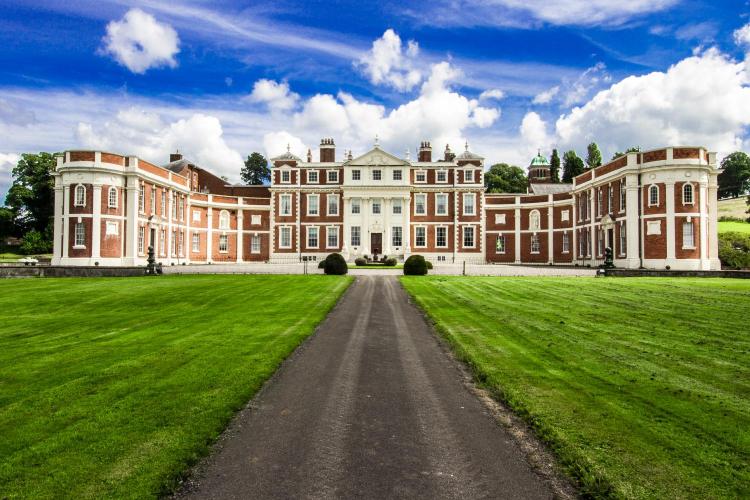
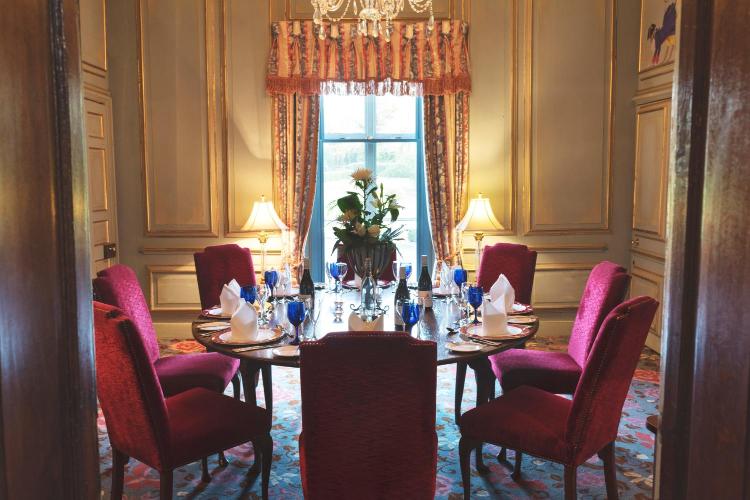
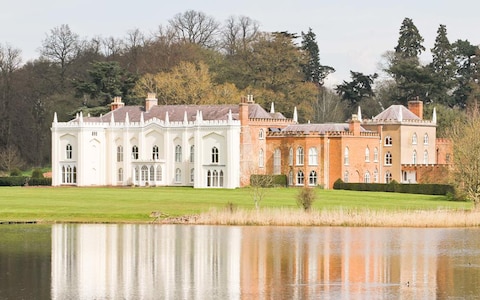
Sprawling across 88 acres of Shropshire countryside, Hawkstone Hall pairs Georgian grandeur with genuine family appeal. The Tennyson suite's interconnecting rooms accommodate multigenerational stays, while resident donkeys Jasmine and Ellie delight younger visitors between rounds of garden games. Come evening, the portrait-lined Saloon restaurant delivers seasonal, locally sourced dishes—a fitting reward after afternoons spent exploring the extensive grounds.
Shropshire Travel Guide: Best Hotels, Restaurants & Experiences 
Explore Shropshire
Hotels (3)
Restaurants (4)
Where to Stay

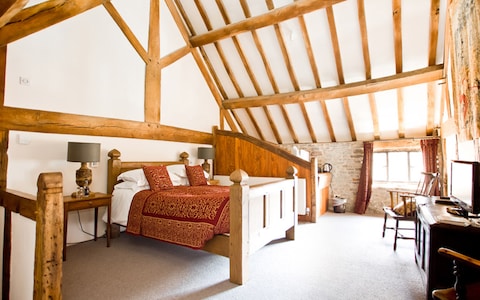
Converted barns and stables form this intimate nine-room retreat on the edge of Ludlow, where rustic architecture meets refined hospitality. Each room carries its own character, shaped by the buildings' agricultural past. The fine dining kitchen anchors the experience, drawing couples seeking an adults-only escape into the Shropshire hills — romantic, unhurried, and deliberately secluded from the everyday.

A 17th-century castle surrounded by sweeping Shropshire countryside, Rowton Castle trades on atmosphere rather than flash. The garden terrace offers drinks with views across the grounds, while the dining room welcomes non-residents seeking a quiet evening. Families find genuine accommodation here—dedicated rooms, cots on request, and a children's menu that suggests actual thought rather than afterthought.

A meticulously restored North Wing within this historic abbey offers just two guest rooms, lending an intimate grandeur rarely found in country house stays. The surrounding estate unfolds across woodland paths, a tranquil lake, and a curious maze woven from fruit trees. Reserved exclusively for adults, this retreat suits couples seeking seclusion amid architectural splendor and pastoral English landscapes.

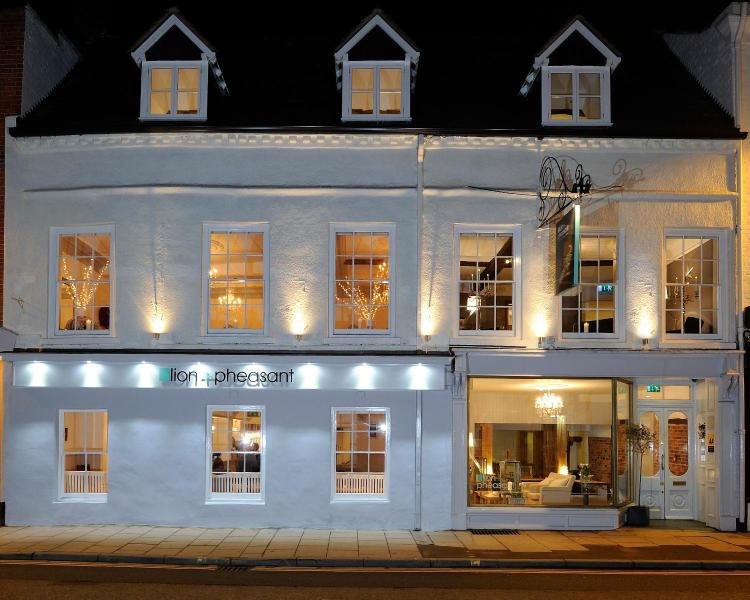
A characterful boutique address on Wyle Cop, one of Shrewsbury's finest medieval streets, the Lion + Pheasant occupies Georgian townhouses with 25 individually styled rooms balancing period detail and contemporary comfort. The two AA-Rosette restaurant delivers inventive seasonal cooking, while a glass-roofed courtyard provides an animated setting for drinks. Ideal for travelers seeking historic immersion with polished hospitality.
Where to Eat

Michelin Selected
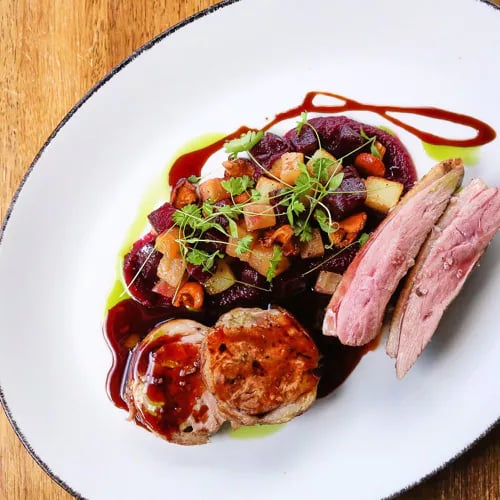
Stuart and Frances Collins channel years of globe-trotting into this unassuming high street address in Whitchurch, where a tasting menu format allows Stuart's classical training to meet worldly imagination. The cooking is Modern British with cosmopolitan undertones, served in a compact dining room where Frances orchestrates service with genuine warmth. A Michelin Plate holder suited to curious palates seeking substance over spectacle.

Michelin Selected· Green Star ●
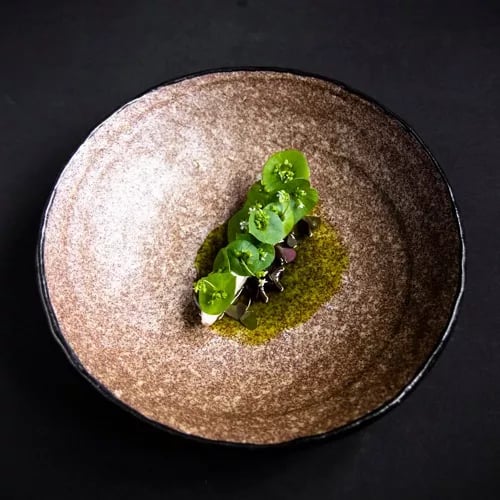
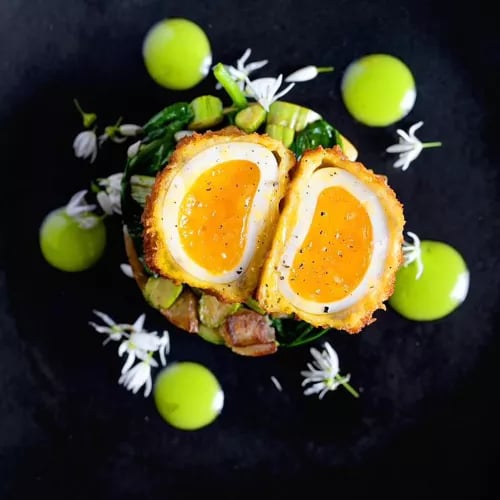
Self-taught chef James Sherwin cultivates micro-seasonal produce on his own farm before transforming it into a daily changing surprise menu for just fourteen guests. Japanese techniques—furikake, koji, yuzu—thread through Modern British dishes with quiet precision, while an optional sake pairing deepens the experience. Awarded a Michelin Green Star for its sustainable approach, this intimate Whitchurch address rewards those seeking genuine field-to-fork authenticity.

Michelin Selected
Green walls and trailing foliage frame rustic upcycled furniture at this Michelin Plate restaurant in Stone, where regional Staffordshire ingredients become eye-catching British plates with playful touches. The walled garden and drinks terrace offer warm-weather dining, while Sunday lunch draws locals for roast Staffordshire beef. A bright, homely address for ingredient-driven cooking in relaxed surroundings.

Michelin Selected
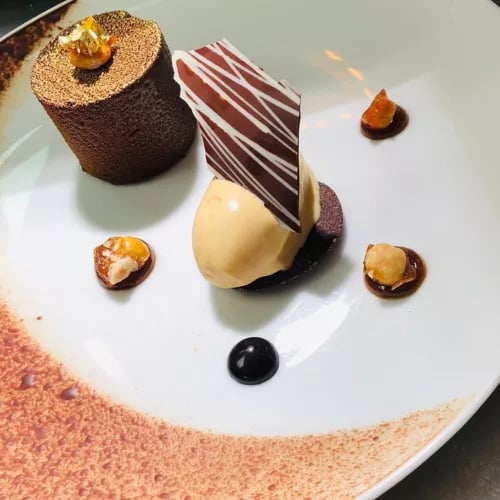
Named after a local forest, Mortimers occupies a 16th-century townhouse where sloping floors and exposed stone create an atmosphere of unhurried authenticity. The kitchen delivers classically rooted British cooking through concise set menus, each dish bearing a personal signature. Dessert demands attention here—particularly the cherry Bakewell tart, a rendition that has earned devoted following among regulars and visitors alike.

Michelin Selected
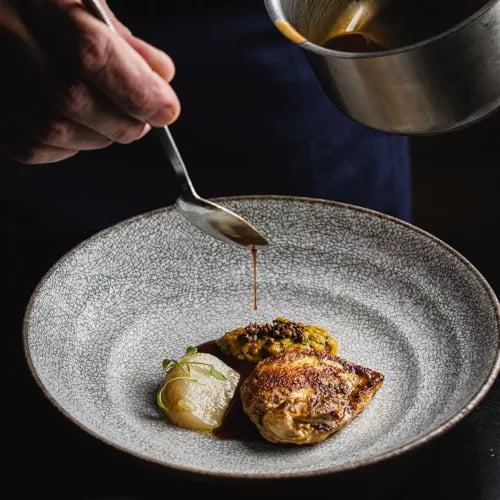
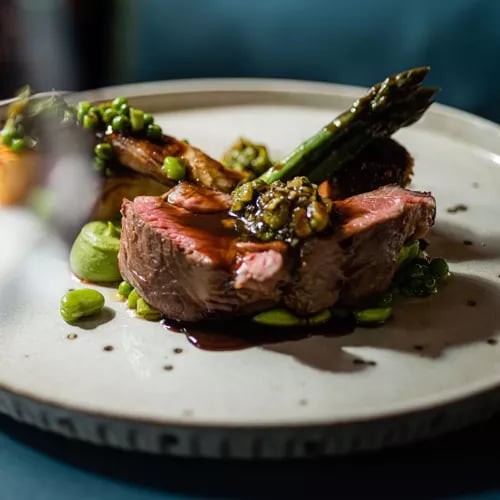
A former village pub with characterful low beams, The Checkers is run by a husband-and-wife team whose classically trained chef builds tasting menus around local, seasonal produce. Line-caught turbot arrives with a laverbread and chervil butter sauce—a signature dish where simplicity amplifies skill. Wine pairings sharpen each course, and four cosy bedrooms upstairs allow the evening to extend without interruption.

Michelin Selected
Ben and Carla, a young chef-owner duo, helm this two-storey Shrewsbury address where the evening begins with drinks in the upstairs bar before descending to watch the pair work an open kitchen. The cooking is ambitious and modern, layering pronounced flavours with textural contrasts while drawing deeply on Shropshire's seasonal produce. A confident local table worth the detour.

Bib Gourmand
Multiple terraces cascade toward the River Teme at this Bib Gourmand riverside pub, where the kitchen moves fluidly between French and British registers—fish soup arrives with proper rouille and gruyère, while battered haddock delivers pub perfection. The sticky toffee pudding alone justifies the detour. Upstairs bedrooms turn a meal into a weekend base for exploring Ludlow's food scene.

Michelin Selected
On the site of a 16th-century coaching inn, this smart Shropshire gastropub delivers English classics inflected with international touches. The kitchen sources produce from the gardens of nearby Hodnet Hall, lending genuine locality to hearty, stylishly presented dishes. A Michelin Plate holder, The Bear Inn suits those seeking refined country cooking in an atmosphere that balances modern polish with rural warmth.
Frequently Asked Questions
What makes Ludlow a destination for food enthusiasts?
+
Ludlow's food scene developed around its medieval market tradition and proximity to excellent farmland. The town hosts a renowned food festival each September, and its compact centre contains an unusual concentration of independent producers, butchers, and restaurants committed to local sourcing. The surrounding countryside supplies venison, lamb, and artisan cheeses that feature prominently on menus throughout the county.
Which areas of Shropshire offer the most scenic stays?
+
The Shropshire Hills Area of Outstanding Natural Beauty covers much of the southern county, with properties around Church Stretton and the Long Mynd offering walking access to heather moorland and dramatic valleys. The Ironbridge Gorge provides a more intimate landscape of wooded slopes and riverside paths, while the north around Market Drayton opens onto gentler agricultural countryside dotted with historic estates.
How accessible is Shropshire from major UK cities?
+
Shrewsbury station connects directly to Birmingham in under an hour, with onward services to London Euston taking approximately two and a half hours total. The county sits between the M54 and A49 corridors, making it readily accessible by car from the Midlands, Manchester, and the Northwest. Birmingham Airport is the nearest major hub, roughly fifty miles from Shrewsbury.



Shropshire
The Welsh Marches have drawn visitors since the medieval wool trade made Shrewsbury one of England's wealthiest towns. Today the county's appeal lies in its unhurried pace and remarkable preservation — black-and-white timber frames line the streets of Ludlow and Much Wenlock, while the Shropshire Hills roll south toward the Stiperstones ridge. The Severn loops dramatically around Shrewsbury's sandstone core, creating a natural peninsula where independent shops occupy Tudor buildings and morning markets still trade beneath the columns of the old Market Hall.
Ludlow established itself as a gastronomic destination decades before farm-to-table became fashionable elsewhere. Local producers supply game from the Long Mynd, Herefordshire beef, and cheese from small dairies around Bishops Castle. The accommodation scene ranges from converted Georgian rectories to working estates where shooting parties have gathered for generations. Ironbridge, birthplace of the Industrial Revolution, offers a different character entirely — its former warehouses and workers' cottages now house design-led properties overlooking the famous bridge and wooded gorge.