A 12th-century manor on the Duke of Roxburghe's 300-acre estate, now restored as a contemporary resort with 58 modern rooms alongside original stone fireplaces and tartan accents. Country pursuits range from salmon fishing on the River Teviot to the Dave Thomas-designed championship golf course. The spa features an outdoor heated infinity pool overlooking woodland, while Bar 1745 pours over 150 whiskies before dinner at Sunlaws.
Where to Stay
Cornhill Castle delivers Scottish baronial charm within easy reach of Edinburgh and Glasgow, offering families genuine value in a riverside setting. The grounds feature a nature trail for younger guests, while rooms accommodate larger parties with double beds and sofa beds. Staff bring a warm, family-run sensibility to proceedings, making this a reliable choice for celebrations or countryside escapes without the premium price tag.
Blushing sandstone walls and witch's hat turrets give Cringletie House the silhouette of a fairy-tale Scottish manor, its wooded grounds opening onto a historic walled garden with sweeping valley views. Inside, Titian-haired cherubs adorn the dining room ceiling, where the kitchen delivers some of the region's finest cooking. Dog-friendly touches—welcome letters, daily poached eggs at breakfast—extend the old-school hospitality to four-legged companions.
A crenellated 19th-century castle rising from the secluded Scottish Borders, Stobo operates as Scotland's sole destination spa—an adults-only retreat where country house interiors meet cutting-edge wellness facilities. The property sits barely an hour from Edinburgh yet feels entirely removed from urban life, its panoramic views and comprehensive treatment menu drawing those seeking sustained restoration rather than a brief escape.
Scotland's oldest continuously inhabited house offers an extraordinary proposition: once the grand gates close behind departing day visitors, overnight guests have this storied estate entirely to themselves. Mary Queen of Scots once slept within these ancient walls—now travelers can claim the same privilege. Families find particular appeal in the secret play area with its climbing frames and hidden wendy house tucked into the grounds.
Where to Eat
Robert Burns once held court in this 17th-century Dumfries pub, and the snug where he drank still stocks over 300 whiskies. Beyond the historic bar, a vintage dining room decorated with a Tam o'Shanter mural serves creative Scottish cuisine—dishes that foreground local produce in vivid, modern presentations. The atmosphere suits whisky enthusiasts and literary pilgrims equally.
A self-taught chef's homecoming story shapes this former Scottish Borders inn, now a Modern British dining room carrying Michelin recognition. After years cooking in New York City, he returned to Gattonside—the village where he once worked as a teenager—to build a menu rooted in local Scottish produce yet inflected with global technique. The intimate setting, run alongside his partner, delivers ebullient service and flavour-driven plates with genuine ambition.
Tucked down a passageway off Melrose's high street, Provender has woven itself into the fabric of this handsome Borders town. The kitchen champions Scottish produce with refreshing directness—Cumbrae oysters for celebrations, hand-dived Orkney scallops, North Sea fish delivered with minimal intervention. Local estates supply much of what appears on plates, making this an essential stop for anyone exploring the region's gastronomic landscape.
Frequently Asked Questions
What is the best area to stay in the Scottish Borders?
+
Melrose and Kelso offer the strongest concentration of quality accommodation, with Melrose providing easier access to walking routes and abbey ruins, while Kelso suits those interested in fishing the Tweed or visiting nearby Floors Castle. Peebles works well for visitors combining Borders exploration with day trips to Edinburgh.
When is the best time to visit the Scottish Borders?
+
Late spring brings lambing season and wildflowers across the hills, while autumn delivers spectacular colours along the river valleys and coincides with the salmon fishing season. The Common Ridings festivals in June and July offer a window into centuries-old Border traditions, though accommodation books quickly during these weeks.
How do I reach the Scottish Borders from Edinburgh?
+
The Borders Railway connects Edinburgh Waverley to Tweedbank in under an hour, placing Melrose and Abbotsford House within easy reach. For Kelso, Jedburgh, or the eastern Borders, driving remains more practical — the A68 crosses Carter Bar with memorable views into England, while the A7 follows the old coaching route through Selkirk and Hawick.
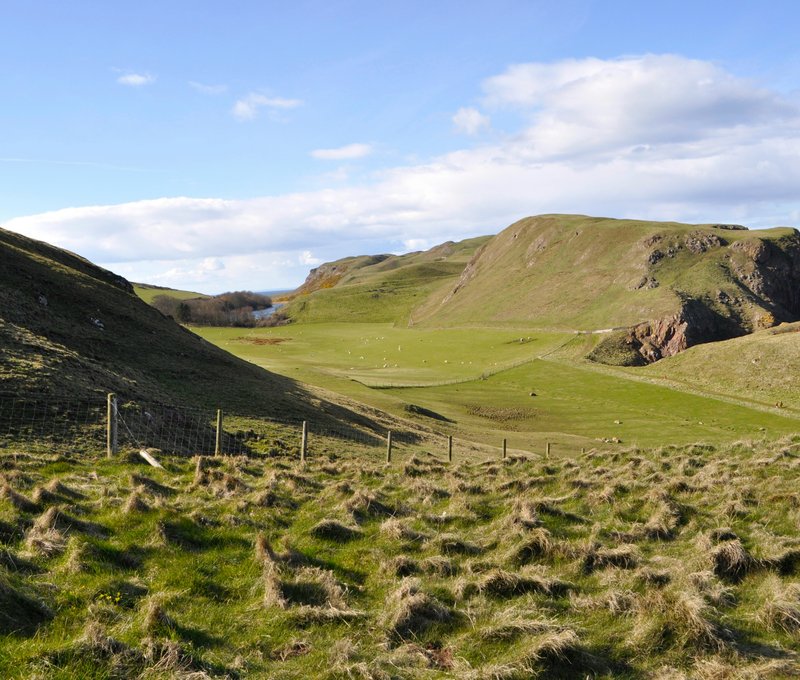
The Scottish Borders unfolds across rolling hills, river valleys, and market towns that have kept their unhurried pace for centuries. Melrose sits beneath the triple peaks of the Eildon Hills, its ruined abbey drawing visitors since Walter Scott made this landscape famous. Kelso's cobbled square, often called the finest in Scotland, anchors a town where Georgian townhouses overlook the confluence of the Tweed and Teviot rivers. Peebles, further west, serves as a base for those exploring the Tweed Valley Forest Park.
The dining scene here reflects the region's agricultural heritage: game from local estates, salmon and trout from the Tweed, and lamb reared on Border hills. Country house hotels dominate the accommodation landscape, many occupying former shooting lodges or Victorian estates with grounds running down to riverbanks. Jedburgh and Hawick offer more modest stays, though both towns reward exploration — Jedburgh for its intact medieval abbey, Hawick for its textile heritage and rugby traditions that run deep in local identity.