


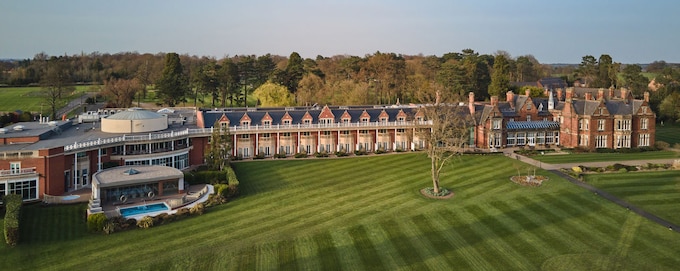
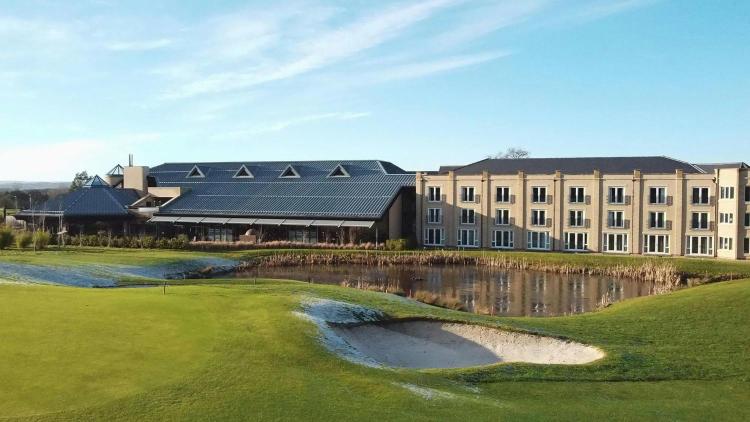
Sprawling parkland surrounds this Victorian hall turned resort, where generous bedrooms and attentive service set the tone. An indoor-outdoor spa anchors the wellness offering, while a championship golf course, tennis, and padel courts keep active guests occupied. Families find particular appeal in interconnecting rooms, children's welcome packs, and organised holiday activities—the Clubhouse providing casual dining amid the estate's sporting facilities.
Durham Travel Guide: Best Hotels, Restaurants & Experiences 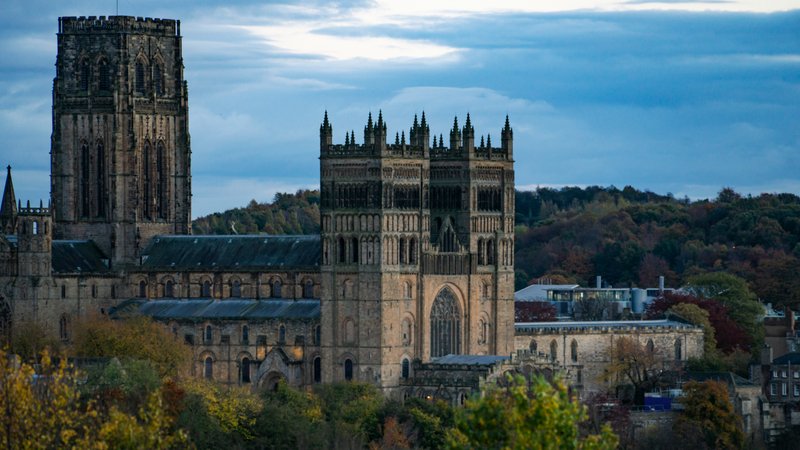
Explore Durham
Hotels (3)
Restaurants (3)
Where to Stay

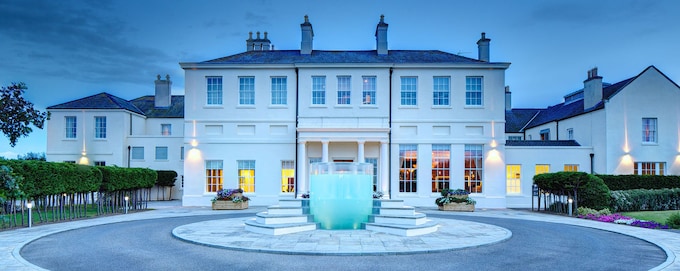
A Georgian mansion spread across 37 acres of County Durham parkland, Seaham Hall pairs period grandeur with bold contemporary interiors across just 21 suites. The spa rivals the main house in scale, offering extensive hydrotherapy facilities and treatment rooms. A dedicated bath butler service epitomizes the cocooning approach here—ideal for couples seeking total seclusion without sacrificing polish or pampering.

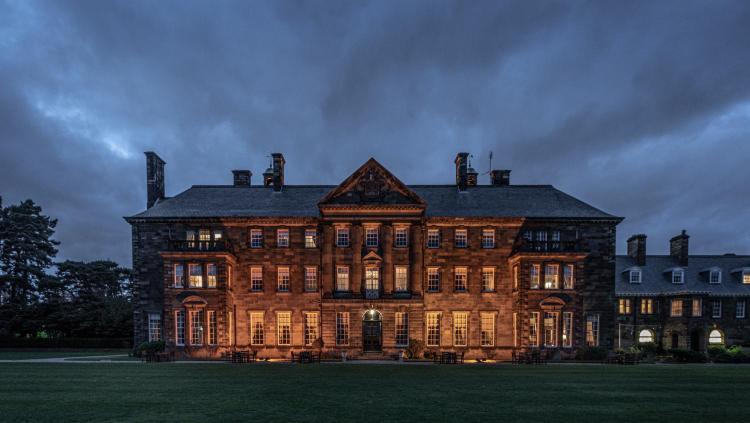
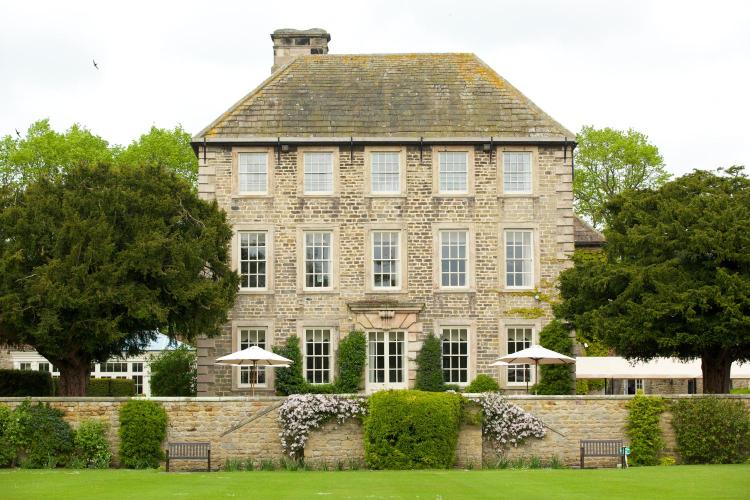
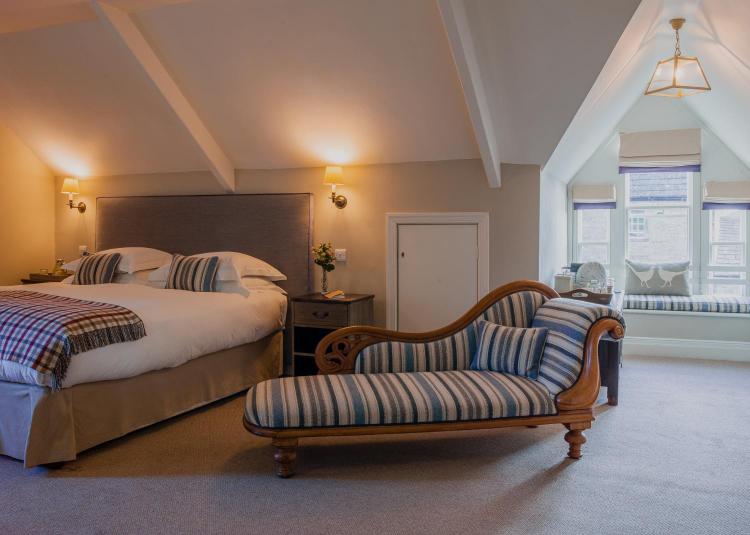
Built as an Edwardian sporting estate in North Yorkshire, Crathorne Hall once welcomed the Queen Mother and King Charles among its guests. The 37-room property retains its aristocratic bearing while delivering contemporary comforts—Hypnos mattresses, Leven Valley views. The AA Rosette-awarded Leven Restaurant occupies a grandly paneled dining room where breakfast proves particularly memorable. Suited to travelers seeking authentic country-house atmosphere without pretense.

This family-owned country house captures the unhurried rhythm of a proper English weekend retreat. Generous rooms encourage lingering over newspapers and afternoon tea, while a spa with outdoor hot tub and on-site golf course provide gentle diversions for those disinclined to venture far. Families find welcome here too, with dedicated suites featuring sofa beds and a children's menu at dinner.

Stone-flagged floors and manor-house grandeur define this atmospheric retreat in Blanchland, a meticulously preserved estate village. The kitchen has built a loyal following for its honest British cooking, drawing walkers returning from the Northumberland hills alongside food enthusiasts and shooting parties. Family-friendly options include a twin-bedroom suite and children's menu, making it accessible for multi-generational country escapes.

This privately-owned estate has expanded into a full-scale resort spanning golf courses, a lavish spa and pool complex, and multiple restaurants. Families find particular appeal in the treehouses—some accommodating up to nine guests—while the dedicated Farmhouse suits larger groups. Dog-friendly rooms and children's menus add practical touches, and extensive function facilities draw wedding parties to this versatile Durham retreat.

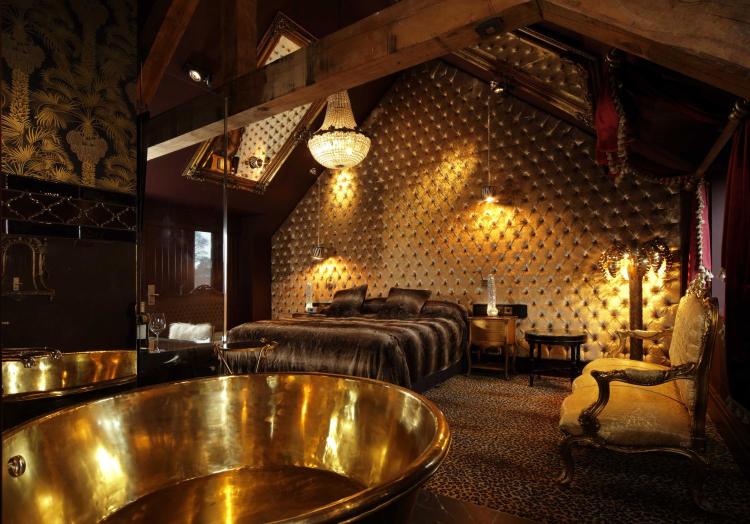
A flamboyant pub-with-rooms tucked into a modest County Durham village, The Impeccable Pig delivers theatrical interiors with a clubby swagger. Half the rooms come equipped with private hot tubs, lending an indulgent edge to the countryside retreat. The ground-floor restaurant draws locals and guests alike, while families benefit from extra beds and a dedicated children's menu—an ideal stopover for north-south travelers seeking character over convention.
Where to Eat

Michelin Selected
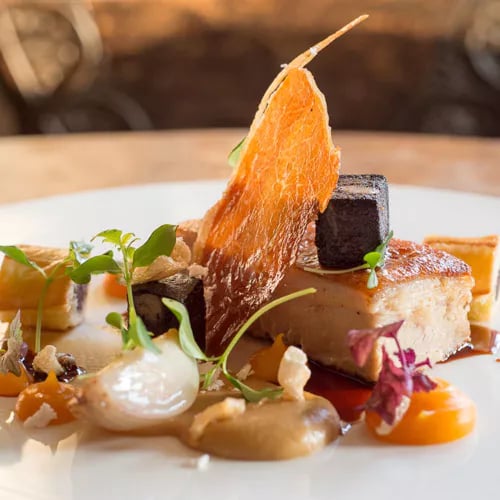
A 15th-century coaching inn on the village green, the Bay Horse pairs historic atmosphere—crackling fires in winter, a leafy garden terrace in warmer months—with ambitious modern cooking grounded in classical technique. Dishes like grouse with a precisely made red wine sauce reveal kitchen ambition beyond typical pub fare. A cottage next door extends the evening into an overnight escape.

Michelin Selected
Named for the Old English word meaning 'journey', Faru delivers Modern British cooking with precision and verve. The pared-back dining room centres on an open kitchen framed by an antique stained-glass window, where chefs assemble colourful plates charged with Sichuan pepper, onion ketchup, and deeply reduced duck jus. A Michelin Plate holder, it suits diners seeking bold, contemporary flavours in an unfussy setting.

Michelin Selected
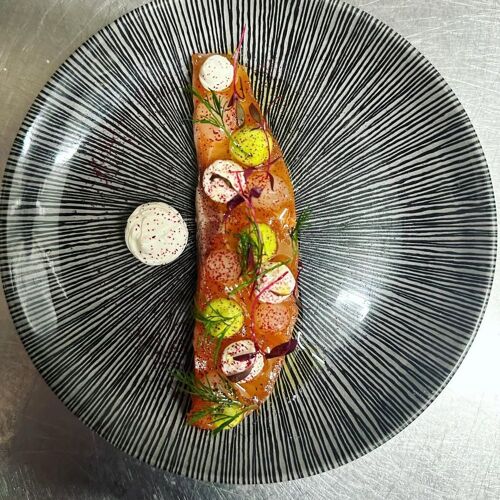
Tucked into a quiet courtyard off North Road, Coarse delivers modern British cooking with understated confidence. The seasonally shifting set menu showcases small plates where technical precision meets honest ingredients—sauces, in particular, reveal the kitchen's sure hand. Born from a crowdfunded dream shared by three friends, the simply dressed room maintains a convivial warmth that suits Durham's university-town character. Michelin Plate.
Frequently Asked Questions
Which Durham neighbourhood offers the most convenient access to the cathedral?
+
The Bailey runs directly from Palace Green to the cathedral entrance, with several guesthouses and small hotels occupying historic buildings along this medieval street. Staying here means walking seconds rather than minutes to evensong.
Are there good dining options near Durham's riverside?
+
The stretch beneath Framwellgate Bridge has several restaurants with river views, accessible via the path that circles the Peninsula. Evening light on the water makes this area particularly appealing for dinner.
How does Durham's university presence affect the hotel and restaurant scene?
+
Term-time brings energy to the cafés along Saddler Street and Elvet Bridge, while graduation weeks in June and July mean accommodation books months ahead. During vacations, some college buildings open to visitors seeking unusual overnight stays.



Durham
Durham's compact medieval centre clusters around the Peninsula, where the Norman cathedral and castle share a UNESCO-protected promontory above the River Wear. The city's geography shapes its hospitality: coaching inns occupy narrow streets near the Market Place, while converted Georgian townhouses line the Bailey's cobbled slope. Beyond the river loop, the Victorian suburbs of Gilesgate and Neville's Cross offer quieter addresses within walking distance of the centre.
Dining concentrates along Saddler Street and the neighbouring lanes, where independent restaurants occupy former merchant premises with low ceilings and uneven floors. The riverside path beneath Framwellgate Bridge draws evening crowds to waterfront establishments. Student presence from England's third-oldest university shapes the café culture, though the city's scale keeps things intimate — most addresses are known by name rather than category.