


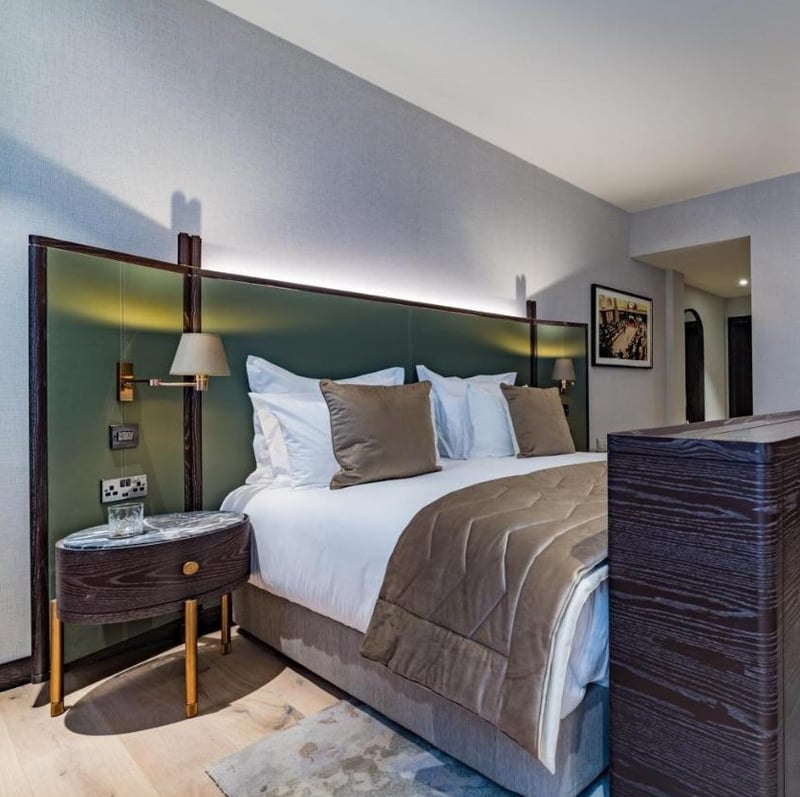
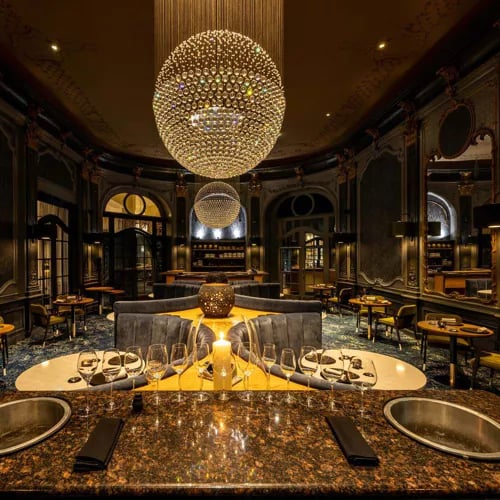
Manchester's former stock exchange now operates as a 40-room boutique hotel where original art-deco details—marble columns, stained glass, ornate fireplaces—frame interiors of black marble and gold accents. Beneath the magnificent domed ceiling of the old trading floor, chef Niall Keating's restaurant anchors the culinary program. The two-bedroom Goldstone Suite and lockable corridor configurations make this a rare luxury option for traveling families.
Manchester Travel Guide: Best Hotels, Restaurants & Experiences 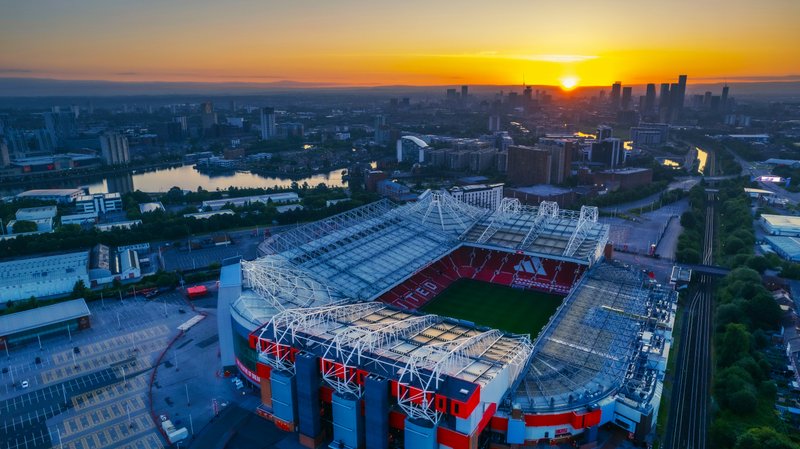
Explore Manchester
Hotels (6)
Restaurants (10)
Where to Stay

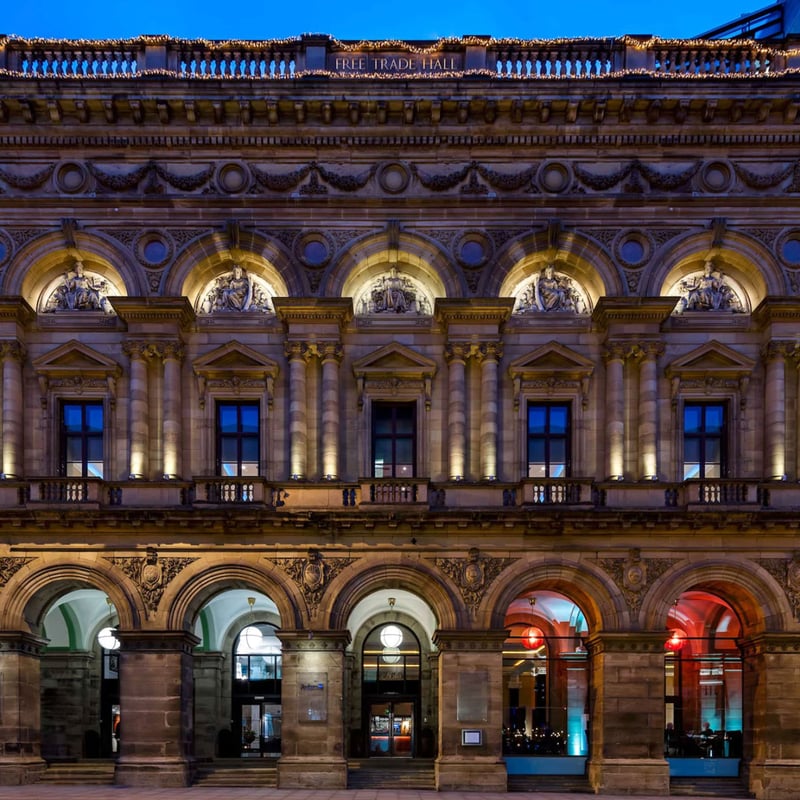
Manchester's Free Trade Hall, once the stage for political upheaval and legendary rock concerts, now houses this 263-room Radisson Collection property. The Victorian grandeur of the façade gives way to Eastern-inflected minimalism within. Peter Street Kitchen delivers Japanese and Mexican small plates, while The Library by Assouline pairs champagne with fashion tomes. A basement spa with pool, sauna, and steam rooms completes the offering.

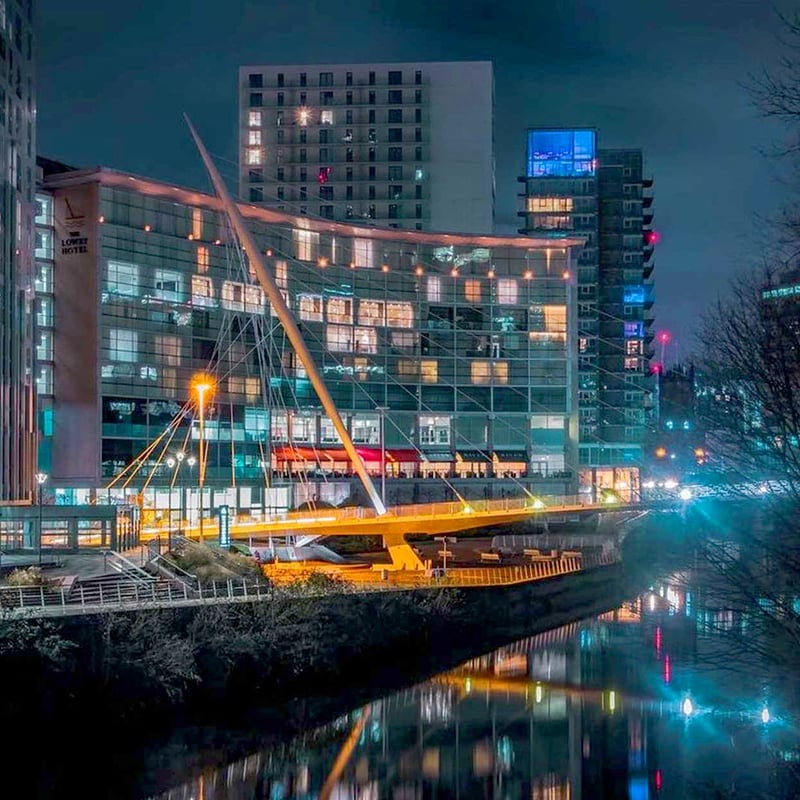
A bowed glass facade rises beside Santiago Calatrava's Trinity bridge, its cool Scandinavian-inflected interiors a deliberate counterpoint to Manchester's industrial grit. Floor-to-ceiling windows frame the River Irwell, while a 24-hour bath butler stands ready with Dead Sea salts or champagne-infused soaks. The River Restaurant draws locals and guests alike for brasserie fare overlooking the water, and six treatment rooms complete the urban retreat.

A converted Victorian residence in leafy Didsbury, this boutique property retains the intimacy of a private home while delivering polished hospitality. Rooms feature signature roll-top baths; an elegant walled garden provides a secluded retreat from the city. Interconnecting rooms, a children's menu, and dedicated kids' afternoon tea make it particularly well-suited to families seeking refined surroundings without formality.

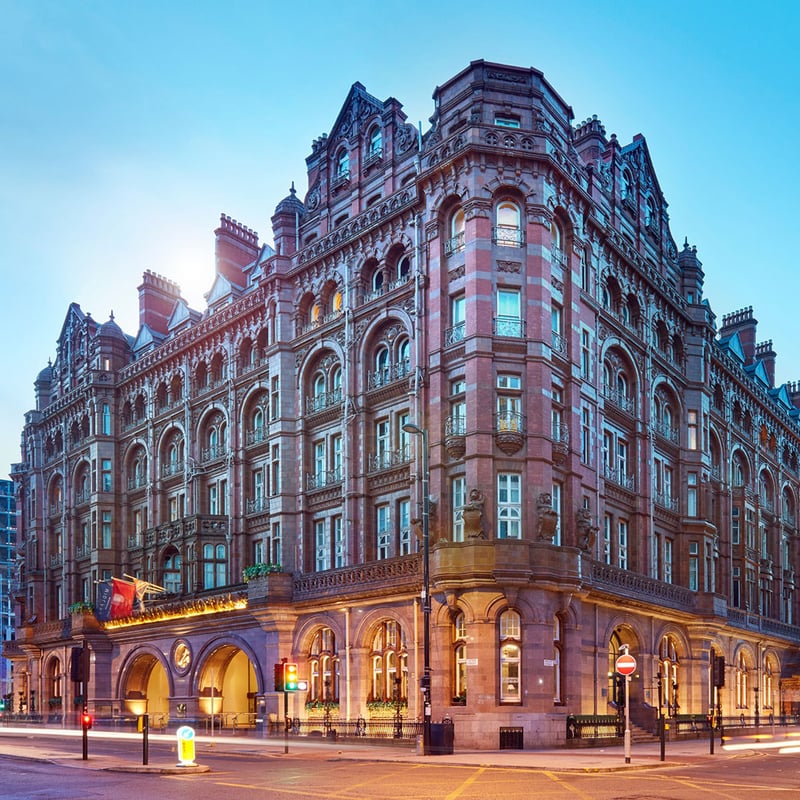
A century-old landmark wrapped in ornate red brick, The Midland delivers Victorian grandeur without stuffiness. The 312 rooms favor refined understatement, while downstairs the award-winning spa—complete with indoor pool, jacuzzi, and sauna—offers genuine respite from urban pace. Dining spans casual elegance at the Tea Room to the celebrated cooking of Adam Reid at the French, a fixture of Manchester's fine-dining circuit.

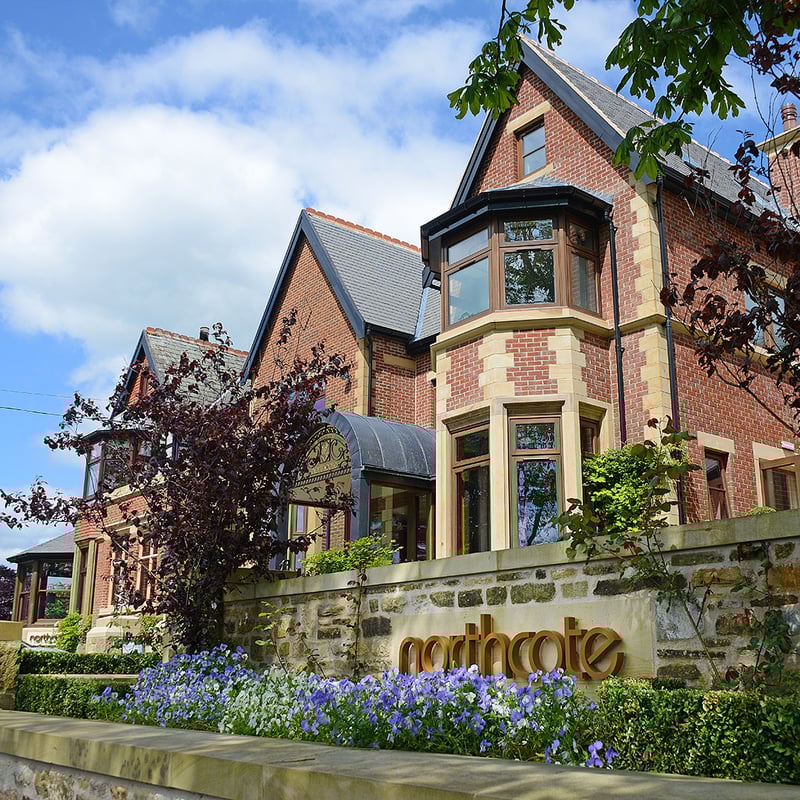
The Ribble Valley's premier country-house hotel has held a Michelin star since 1996, establishing its restaurant as one of northern England's most enduring gastronomic addresses. Behind the traditional Lancashire exterior, 26 rooms surprise with contemporary design and modern comforts. A well-regarded cooking school, wine cellar, and landscaped gardens appeal to food-focused travelers seeking substance over spectacle near the Forest of Bowland.
Where to Eat

★ Michelin
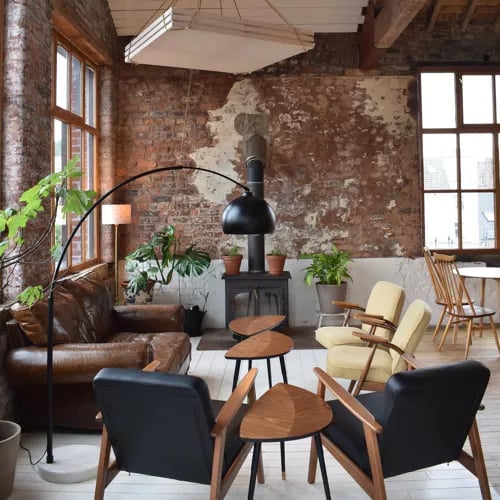
Former L'Enclume executive chef Tom Barnes commands this one-Michelin-starred dining room inside a converted textile warehouse, where exposed brickwork and iron girders frame his modern British cooking. The menu drifts confidently between international accents and hyperlocal ingredients—Manchester honey ice cream might follow an omakase-style sorbet—before closing with 'Barney's Tiramisu', a dessert honouring his late father. The atmosphere runs convivial rather than ceremonial.

★ Michelin
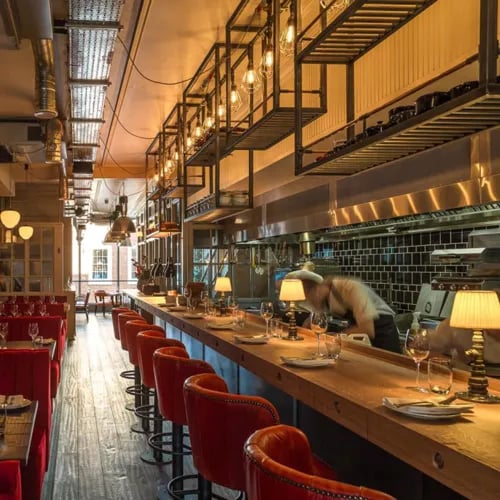
Simon Martin's one-starred Ancoats restaurant puts British ingredients—particularly seafood, reflecting the island nation's larder—through a lens of Asian technique. Every table faces the open kitchen, where dishes like roasted hogget with white miso sabayon demonstrate his philosophy: complex layered flavours achieved through restrained, natural methods. The well-spaced dining room suits those seeking considered gastronomy without theatrical fuss.

Michelin Selected
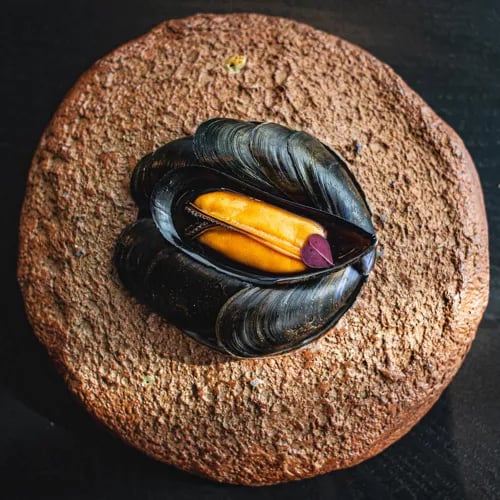
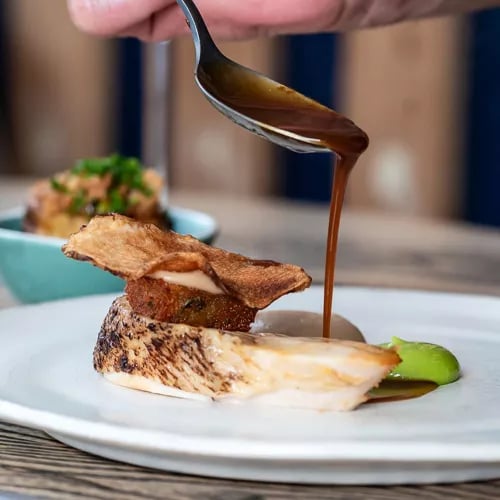
Inside the Midland Hotel's Belle Époque dining room, Adam Reid crafts multi-course menus rooted in northern England rather than the French heritage the name suggests. Dishes arrive with enigmatic one-word titles—'Fungi', 'Fish'—decoded tableside by chefs who finish each plate with theatrical precision. The cooking earns a Michelin Plate for its bold flavours and playful confidence.

Michelin Selected
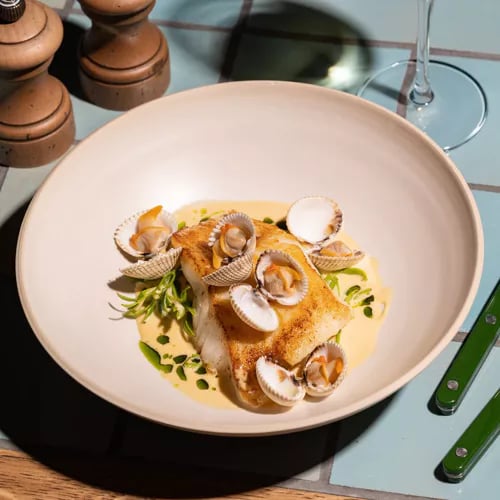
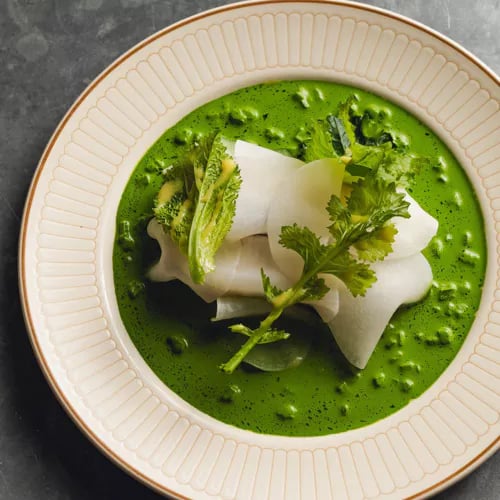
Finding Climat requires insider knowledge—a discrete entrance leads to an eighth-floor penthouse where floor-to-ceiling windows frame Manchester's skyline. The open kitchen anchors the minimalist dining room, sending aromatic signals of the Modern British menu to come. Dishes like halibut with spinach and sorrel velouté showcase pristine ingredients with refined technique, while a thoughtfully assembled wine list bridges Old World tradition and contemporary winemaking.

Michelin Selected
Mary-Ellen McTague, a devoted champion of Lancashire producers, leads the kitchen at this Treehouse Hotel dining room with a Michelin Plate distinction. Her seasonal, low-waste approach yields dishes rooted in regional tradition—the rich, deeply flavoured hot pot being a signature worth the visit. Reclaimed wood, vintage finds, and bursts of colour create a warmly rustic backdrop for modern British cooking done with genuine conviction.

Michelin Selected
Three young owners helm this intimate Urmston dining room, where Nordic sensibilities guide the treatment of staunchly British ingredients. The five- and seven-course tasting menus deliver bold, vibrant compositions that toggle between classical technique and contemporary flair. Presentation is meticulous, flavours assertive. A British-themed wine flight offers unexpected regional discoveries, rewarding guests willing to venture beyond central Manchester for a focused, quietly confident meal.

Michelin Selected· Green Star ●
A Victorian coffee warehouse in Stockport hosts this loft-style dining room where the open kitchen dissolves any barrier between chef and guest. The set sharing menu draws on seasonal British produce and foraged ingredients, while a rigorous low-waste philosophy—pickles, ferments, nothing discarded—has earned a Michelin Green Star. Walk-ins can claim counter seats for bar snacks and low-intervention wines.

Bib Gourmand
Spread across three floors of a King Street townhouse, El Gato Negro delivers Bib Gourmand-recognized Spanish cooking in an atmosphere that crackles with energy. The first-floor counter seats offer front-row views of the Josper grill, where meats emerge smoky and precise. Downstairs, pavement tables spill onto the pedestrianised street; above, a rooftop terrace awaits private gatherings. Classical desserts like crèma catalana provide a fitting finale.

Bib Gourmand
Three friends behind wine bar Flawd launched this Bib Gourmand restaurant with a clear philosophy: grow it yourself, cook it with care. Their Cheshire market garden supplies much of the produce for a sharing-style menu where pork and sherry terrine sits alongside steamed Cornish hake. Counter seating offers front-row views of the kitchen's quiet precision, while the service remains disarmingly warm throughout.

Bib Gourmand
A doorbell beneath Manchester's Green Quarter railway arches grants entry to this Bib Gourmand address, where the name hints at spätzle and the kitchen delivers far broader ambitions. Gnocchi, pelmeni, and exceptional pierogi emerge from an in-house pasta program, balanced by vibrant salads. The wine list champions small producers alongside an unexpected sake selection, with an attached bottle shop for discoveries worth taking home.
Frequently Asked Questions
Which Manchester neighborhoods have the most interesting hotels?
+
The Northern Quarter offers converted warehouses with creative atmospheres, while Spinningfields suits those preferring modern high-rises. Castlefield provides canal-side calm in repurposed Victorian buildings, and the Peter Street corridor keeps you central to cultural venues.
Where should I eat beyond the city center?
+
Ancoats has emerged as the primary dining destination outside central Manchester, with independent restaurants clustered along Cutting Room Square. Rusholme's Curry Mile remains essential for South Asian cooking, and Chorlton draws weekend crowds for its café culture and neighbourhood restaurants.
What is Manchester's bar and café culture like?
+
Coffee culture thrives in the Northern Quarter's independent roasters. Evening drinks split between craft beer bars in the same area, cocktail lounges along Bridge Street and Deansgate, and traditional pubs scattered throughout — many occupying handsome Victorian buildings with tiled interiors and etched glass.




Manchester
Manchester's hotel scene draws heavily from the city's industrial past. Former cotton warehouses in the Northern Quarter now house boutique properties with exposed brickwork and original cast-iron columns. Spinningfields attracts the business crowd with sleek towers, while Castlefield's canal-side conversions offer quieter stays amid Victorian railway arches. Deansgate and Peter Street remain the central corridor for larger properties within walking distance of the opera house and concert halls.
The dining landscape reflects decades of immigration and reinvention. Rusholme's Curry Mile still serves Punjabi and Pakistani cooking to late-night crowds, while Ancoats — once Little Italy — has become a concentration of independent restaurants and wine bars. The city's appetite runs broad: Cantonese roast meats in Chinatown, Nordic-influenced tasting menus near the Town Hall, and proper local pubs serving pies and cask ale. Weekend brunches queue down Beech Road in Chorlton; Thursday evenings fill the cocktail bars along Bridge Street.