


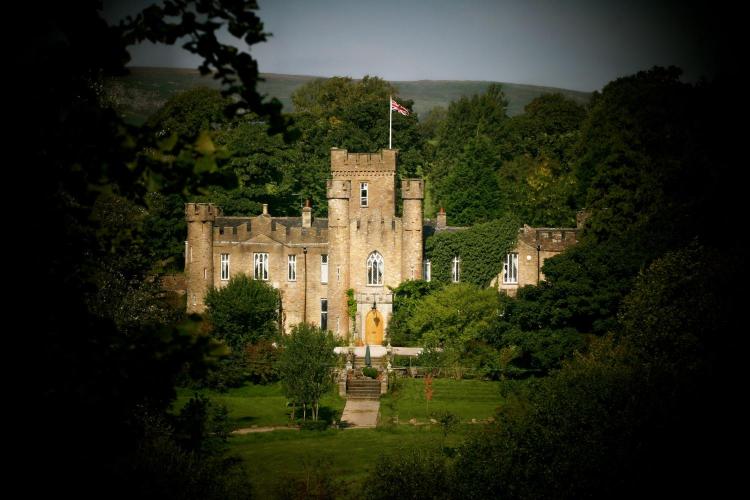
Augill Castle delivers the full Victorian Gothic fantasy—towers, turrets, and vast rooms spread across a property with acres of lawns and terraces. The atmosphere leans gleefully theatrical: board games in grand parlors, big-screen movie nights, cooking classes led by Wendy for parents and children alike. Family suites with two bedrooms sleep up to five, making this a genuine multi-generational destination between the Lakes and the Dales.
Yorkshire Dales Travel Guide: Best Hotels, Restaurants & Experiences 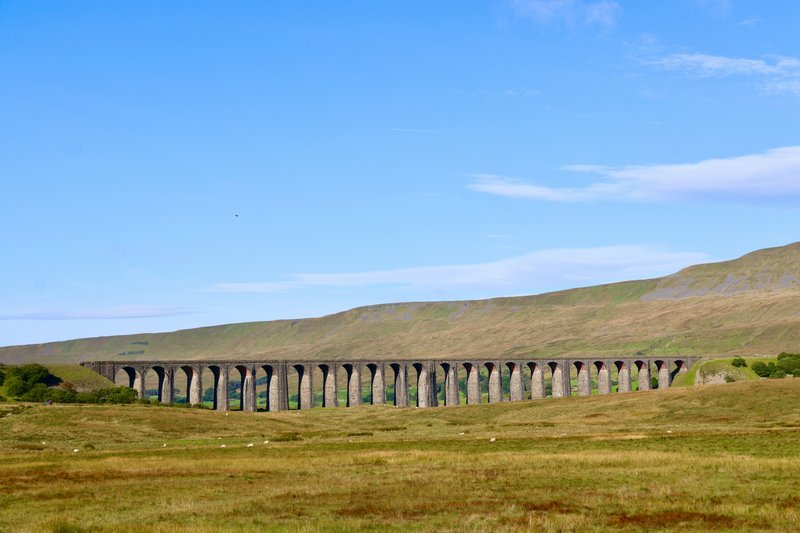
Explore Yorkshire Dales
Hotels (3)
Restaurants (4)
Where to Stay

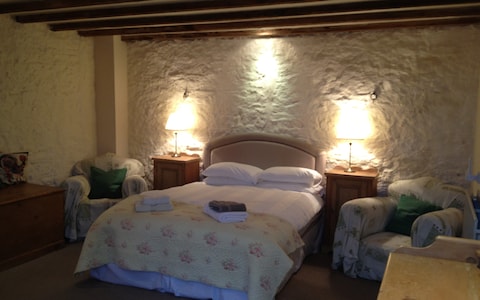
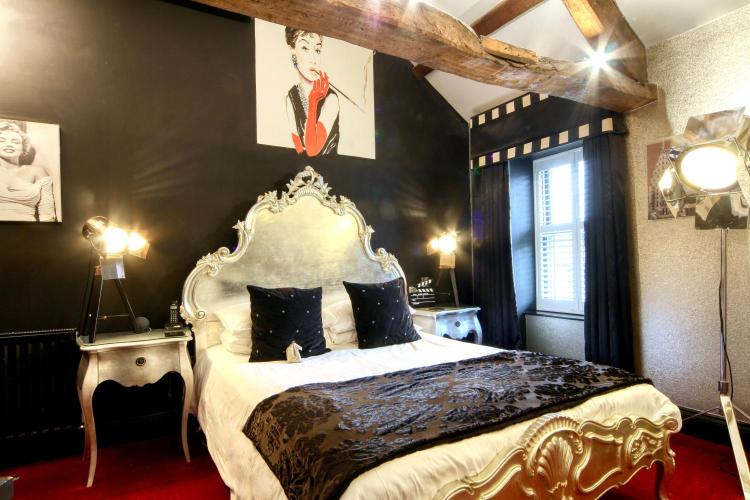
Maximalists will find their sanctuary at this Regency bed and breakfast, where antique-filled rooms with vast windows overlook gardens so spectacular they've drawn celebrity horticulturists Alan Titchmarsh and Monty Don. The aesthetic runs gloriously against contemporary restraint—ornate furnishings, generous proportions, and an abundance of character define every corner. Breakfast here matches the setting's ambition, served with the same theatrical generosity.

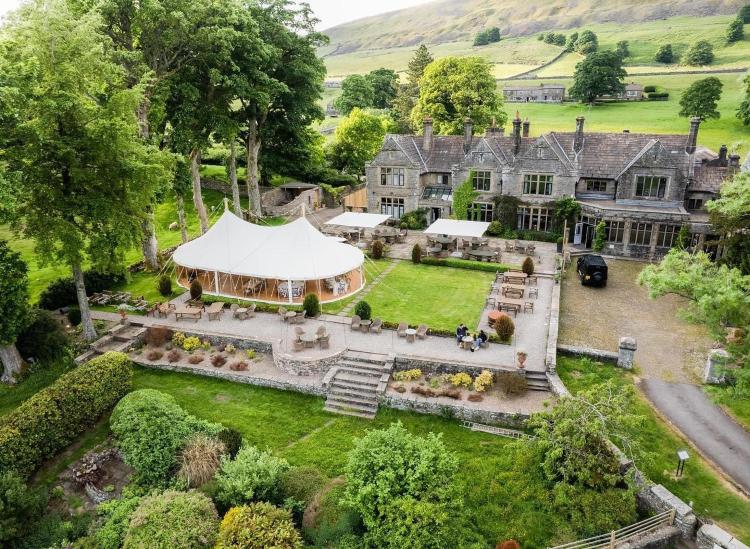
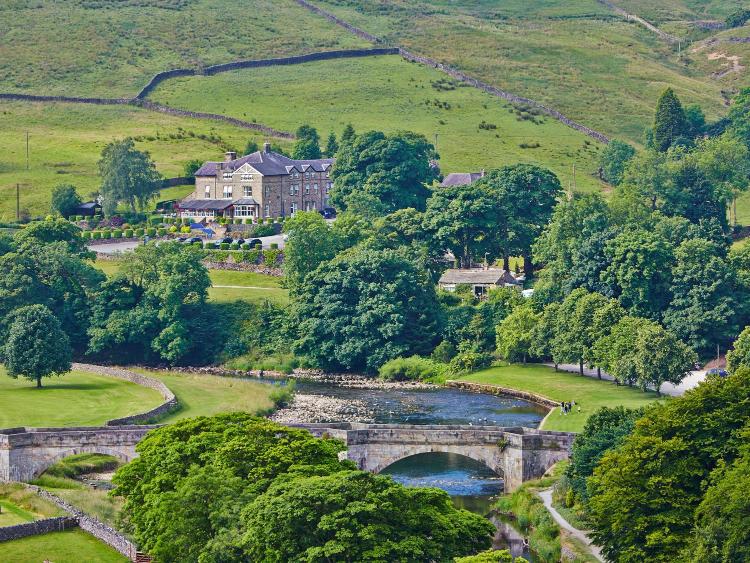
Rambling corridors and creaking floorboards set the tone at this Yorkshire manor house, where a young team has injected fresh energy without sacrificing the building's squirearchy charm. The location earns top marks for Dales immersion—rolling hills press close on all sides. Families find welcome here, with rooms accommodating cots and extra beds, while the dining room delivers assured country cooking.

Spread across 33,000 acres of the Duke and Duchess of Devonshire's Bolton Abbey Estate, this Yorkshire retreat draws country enthusiasts and spa devotees alike. The property proves genuinely family-friendly: children access the spa during designated hours, the Brasserie offers a dedicated children's menu, and young guests aged five to fourteen share certain suites at modest supplementary rates. A rare combination of aristocratic heritage and practical hospitality.

A 19th-century building reborn with bold contemporary interiors, The Devonshire Fell commands views over North Yorkshire's most stirring landscapes. Sixteen restful rooms provide a base for exploring the trails and villages of the Dales, while guests enjoy complimentary spa access at a nearby sister property. Families find particular welcome here, with children dining free each afternoon.

A handsome 17th-century coaching inn on the western fringe of the Yorkshire Dales, The Wensleydale Heifer draws visitors as much for its dining room—a regular in the Michelin Guide—as for its 13 individually styled bedrooms. The intimate scale suits couples seeking a gastronomic weekend, though families find genuine welcome with dedicated children's menus and flexible sleeping arrangements.
Where to Eat

★ Michelin· Green Star ●
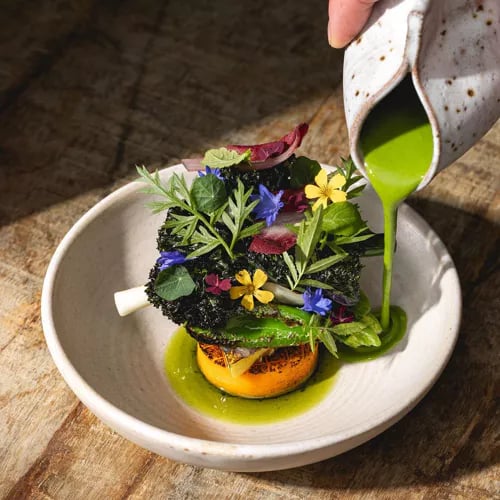
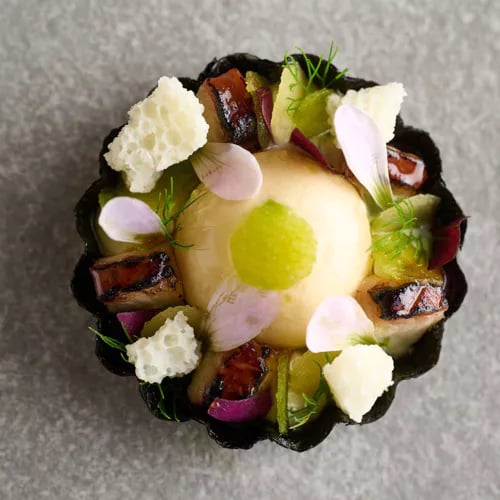
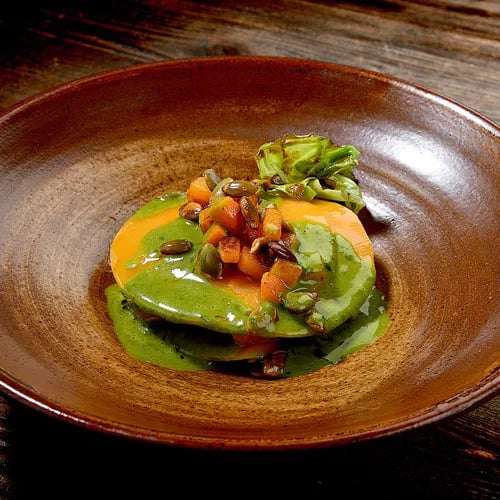
The old blacksmith's forge of Middleton Lodge Estate now houses a one-Michelin-starred dining room where the tasting menu draws from 200 acres of surrounding parkland. Chefs work with estate-harvested honey, birch sap, and seasonal produce to craft dishes like the striking Reuben blackberry and pineapple weed tart. Vegetarian and vegan menus receive equal creative attention, and a Michelin Green Star recognizes the kitchen's sustainability commitments.

★ Michelin
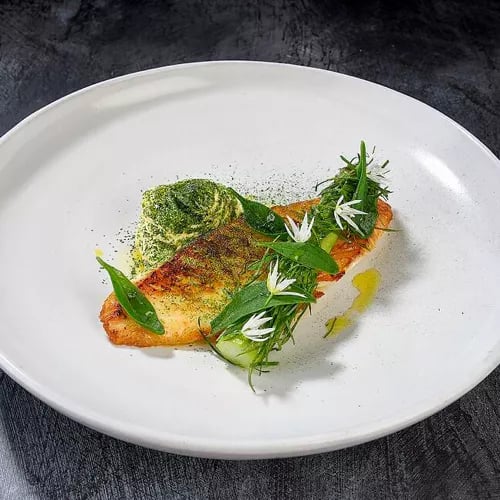
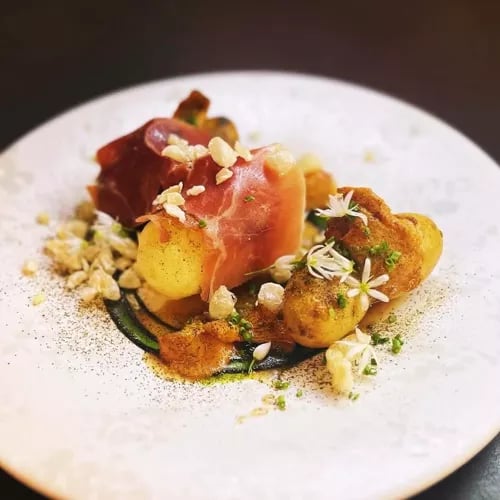
A fifteenth-century stone inn deep in the Yorkshire Dales, The Angel pairs its historic bones with a stripped-back Nordic aesthetic—polished concrete, pale timber, clean lines. The kitchen holds one Michelin star for cooking that favors restraint over complexity: classic pairings sharpened with modern precision, each ingredient given room to speak. An exuberant front-of-house team keeps the atmosphere lively rather than solemn.

★ Michelin
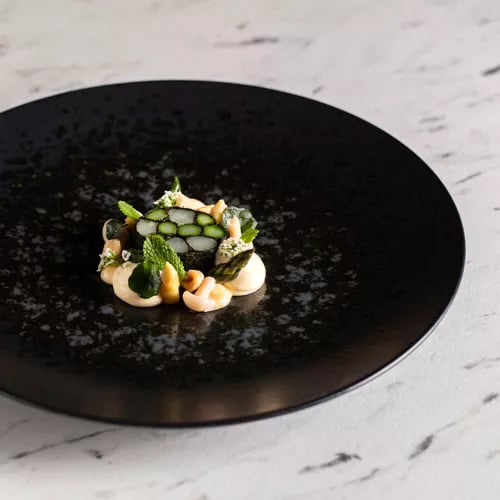
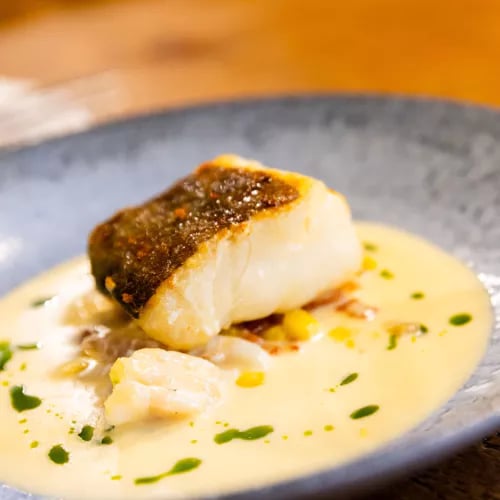
Once nicknamed 'The Mucky Duck', this Lancashire pub holds a Michelin star while keeping its unpretentious soul intact. The set menu format allows the kitchen to work in small batches with rigorously sourced local ingredients, yielding seasonal plates—hogget with morels and asparagus, for instance—that demonstrate classical technique and concentrated flavour. A rare address where serious cooking meets genuine village-pub ease.

Michelin Selected
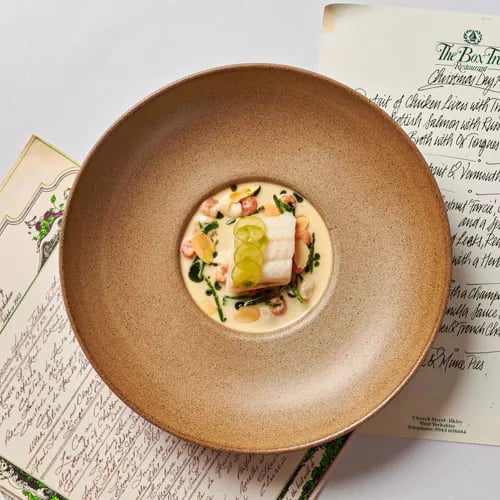
Two 18th-century sandstone cottages in Ilkley house this Yorkshire institution, where antique-furnished lounges lead to intimate dining rooms dressed for occasion. The kitchen delivers a creative tasting menu with contemporary flourishes—think arroz negro reimagined through a British lens. Formal service maintains old-school polish, while sommelier-guided wine flights add depth to an evening built around precision and heritage.

Michelin Selected
Ruth Hansom returned to her native Yorkshire to open this restaurant in a sixteenth-century stone house, where rustic beams and an original fireplace meet clean contemporary lines. Her tasting menus draw on the surrounding dales—Swaledale lamb, forced rhubarb—presented with technical precision. Guests begin with aperitifs on the cobbled terrace or in the wine bar before settling into the dining room's unhurried pace.

Michelin Selected
Chef Nigel Haworth's contemporary dining pub channels the Ribble Valley through every plate, drawing from an on-site vegetable garden and polytunnel that supply his Modern British kitchen. The à la carte offers refined simplicity—tempura scallops, corn-fed chicken—while seasonal tasting menus of five or eight courses arrive bookended by signature cheese rolls and mini Eccles cakes, now permanent fixtures on a menu rooted in Lancashire tradition.

Michelin Selected
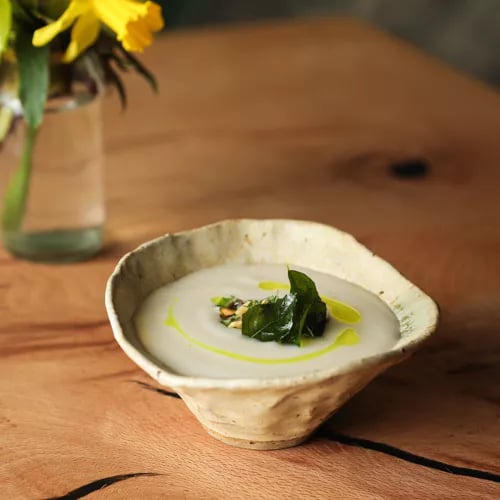
The scent of smouldering coals drifts through this handsome Masham dining room before a single plate arrives. The chef-owner, a practiced potter, has shaped both the ceramics on display and the bespoke wooden tabletops guests dine upon. His seasonal Modern British set menu draws on the open flame's primal appeal—straightforward dishes, honestly rendered, earning a Michelin Plate for their comforting clarity.

Michelin Selected
Down a narrow lane in the Ribble Valley, this characterful pub pairs rustic charm—open fire, antique furnishings—with boldly inventive modern British cooking. Dishes like the signature 'Malteser' dessert showcase a kitchen unafraid of playful ambition. The four-seat Chef's Bench puts diners at the heart of the action, while four rooms with roll-top baths allow the meal to stretch into a countryside retreat.

Michelin Selected
Beams and exposed stone walls give this dog-friendly Kirkby Lonsdale inn its solid country pub character, while the kitchen shifts register between lunch and dinner—daytime brings small plates and classics, evening service delivers refined cooking that foregrounds ingredient integrity. Local beers pour in the characterful bar; upstairs, bedrooms pair original features with contemporary comfort for overnight stays.

Michelin Selected
A former Victorian schoolmaster's house turned romantic dining destination, Yorebridge House commands six acres of Yorkshire Dales countryside with views that sweep across rolling hills. The kitchen champions British ingredients, presenting them in dishes that balance classical technique with personal flourishes. Guests extending their stay can retreat to bedrooms with private riverside terraces and hot tubs—a rare indulgence in this pastoral setting.
Frequently Asked Questions
Which villages in the Yorkshire Dales offer the best accommodation options?
+
Grassington serves as a natural base in Wharfedale, with several coaching inns and guesthouses within walking distance of the cobbled square. Hawes in Wensleydale offers proximity to the famous creamery and waterfalls at Hardraw Force. For quieter stays, Reeth in Swaledale and Dent in Dentdale provide smaller-scale options with immediate access to less-travelled walking routes.
What is the best time of year to visit the Yorkshire Dales?
+
Late spring brings wildflowers to the hay meadows, particularly around Muker in Swaledale, where traditional farming methods preserve species diversity. Autumn offers bracken-covered hillsides, the shooting season's game menus, and fewer visitors on popular trails. Winter suits those seeking solitude — many establishments reduce rates, and frost transforms the waterfalls into sculptural ice.
How do I reach the Yorkshire Dales from major cities?
+
The Settle-Carlisle railway provides the most scenic approach, stopping at stations including Horton-in-Ribblesdale and Dent, England's highest mainline station. Leeds and York offer the nearest major rail connections, with driving times of roughly ninety minutes to the southern Dales. The A65 and A684 serve as the primary east-west routes through the national park.



Yorkshire Dales
The Dales occupy a swathe of upland territory across North Yorkshire and into Cumbria, a landscape of limestone escarpments, dry stone walls, and market towns that have changed little since drovers brought sheep through Hawes and Settle. Wensleydale, Swaledale, and Ribblesdale each possess distinct characters — the first broad and pastoral, famous for its cheese; the second steeper and more austere, marked by the ruins of lead mining; the third dominated by the Ribblehead Viaduct and access to the Three Peaks. Villages like Grassington, Reeth, and Dent cluster around greens and ancient bridges, their pubs serving cask ale and game from nearby estates.
Dining here reflects the agricultural calendar. Wensleydale lamb appears on menus from late spring, grouse after the Twelfth, and locally shot venison through autumn. Many establishments maintain kitchen gardens and relationships with specific farms — expect named suppliers rather than generic provenance claims. The café culture runs toward proper Yorkshire tea rooms, scones with clotted cream, and slabs of parkin. After dark, options narrow: this remains walking country, where early starts and honest cooking take precedence over late-night cocktails.