


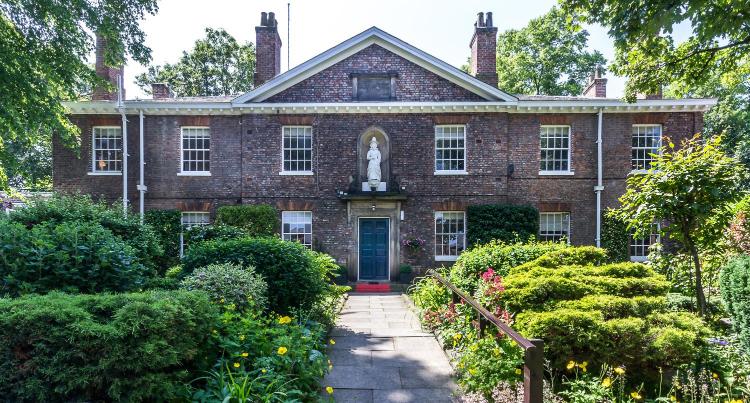
A striking assemblage of Georgian and Victorian buildings near the River Ouse, Middletons Hotel delivers architectural character rarely found in York's hospitality scene. The interiors pivot to contemporary comfort while staff maintain a warmth that guests note immediately. Practical advantages—complimentary parking and an on-site gym—add appeal for independent travelers, while two spacious cottages accommodate families of up to five.
York Travel Guide: Best Hotels, Restaurants & Experiences 
Explore York
Hotels (4)
Restaurants (9)
Where to Stay

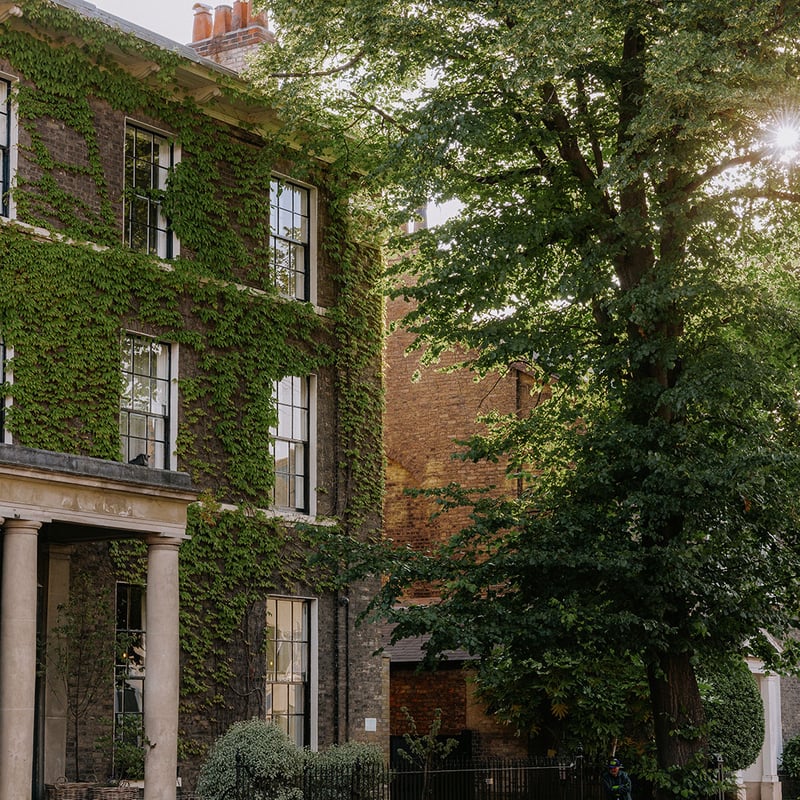
A landmark Regency townhouse forms the elegant bones of this 38-room property, where period grandeur meets contemporary design across accommodations ranging from intimate quarters to suites fashioned from the original drawing room and library. The on-site spa provides respite after exploring York's medieval streets, while the Marmalade Lounge serves proper afternoon tea and the bar's sun terrace catches the northern light.

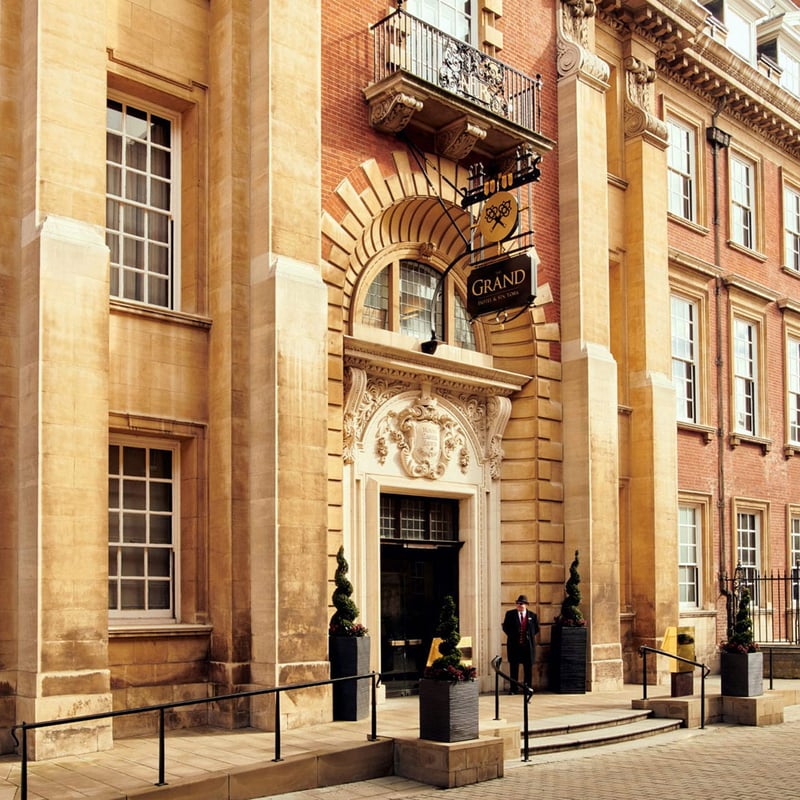
The North Eastern Railway Company built its Edwardian headquarters here in 1906, commissioning architect Horace Field to create a marble-lined monument to industrial ambition. That heritage now defines York's most storied hotel: original wrought-iron railings sweep up the grand staircase, coffered walls frame period rooms with tufted headboards, and the former railway vaults have become an atmospheric spa with jacuzzi and sauna. The 1906 Bar anchors the ground floor.

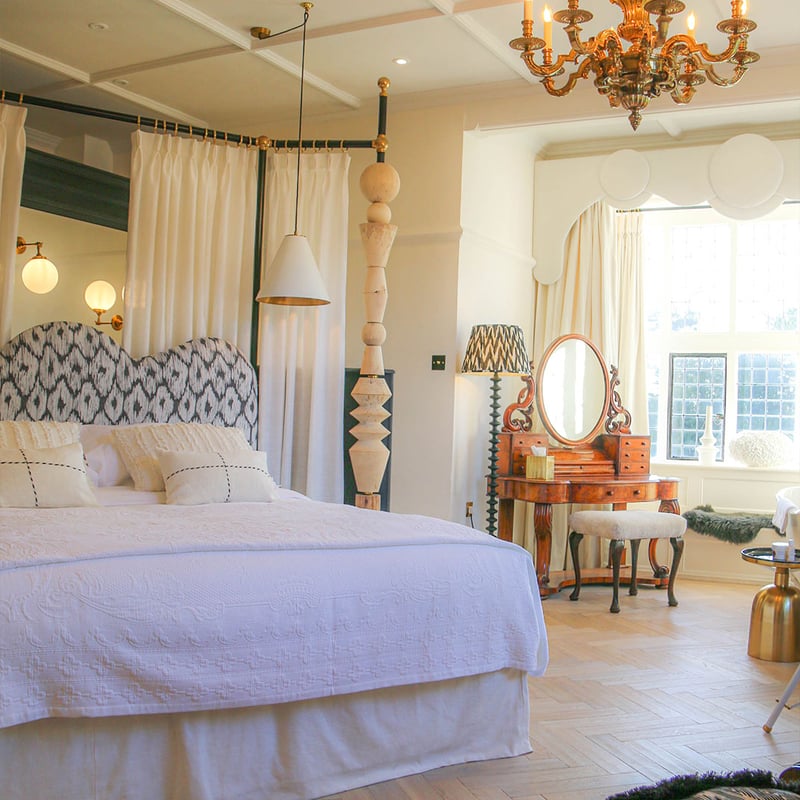
A Victorian country house commanding the Yorkshire Wolds, Highfield contains just eight suites, each theatrically designed—one mimics an antique train carriage, another channels a pale pink boudoir, while a third incorporates Batman motifs into bespoke wallpaper. The chandelier-lit Library Bar spills onto a terrace for afternoon tea and cocktails, and the 1864 restaurant draws from kitchen gardens and local farms. Ideal for couples seeking pastoral romance with a dash of eccentricity.
Where to Eat

★ Michelin
Tommy Banks brings his farm-to-table philosophy to York in this Michelin-starred Arts and Crafts building off Marygate. The tasting menus shift with the seasons, drawing from the chef's parents' farm and a dedicated kitchen garden. Each dish arrives with deceptive simplicity—clean presentations that unfold into layered, deeply considered flavours. The wine list offers exceptional range by the glass.

★ Michelin
Down winding country lanes near a church spire, this fifteenth-century former gatehouse holds a Michelin star for cooking that lets Yorkshire's larder speak with clarity. Daily specials pivot with the seasons, while signature dressed crab demonstrates the kitchen's instinct for balance over elaboration. The atmosphere remains warmly publike despite the accolades, and families find genuine welcome—children receive their own bathrobes and dedicated menus.

Michelin Selected
Inside Aldwark Manor, Chartwell draws the eye with boldly coloured fabrics and vast windows overlooking manicured lawns. The kitchen offers modernised British classics through tasting menus—Romeo, Julieta, or vegetarian Pol and Roger—while a mirror relays live views of the chefs at work. After dinner, a bookcase swings open to reveal a hidden bar, perfect for a leisurely digestif.

Michelin Selected
Inside The Grand Hotel—the 1906 former headquarters of the North-Eastern Railway Company—Legacy occupies an elegantly formal dining room with parquet floors and marble-topped tables. The kitchen applies Japanese technique to Yorkshire produce, with ponzu dressings and a shiitake custard recalling chawanmushi among the more inventive flourishes. Polished service matches the assured, cross-cultural Modern British cooking.

Michelin Selected
A brick-built former coaching house on the edge of York's centre, Arras delivers seasonal Modern British cooking marked by inventive combinations and precise technique. The compact dining room glows beneath a large skylight, its white-and-blue palette lending Mediterranean warmth, while summer meals unfold on an enclosed terrace overlooking manicured gardens. The handmade oak trolley bearing excellent British cheeses provides a fitting finale.

Michelin Selected
Down a narrow cobbled lane near the Shambles, this intimate Modern British restaurant operates on unwavering sustainable principles. The self-taught chef sources fish from small day boats, ethically reared meats, and game from local shoots, using every part of each ingredient to minimize waste. A constantly changing blackboard menu delivers ambitious, vibrant plates, while attentive service keeps the atmosphere warmly convivial.

Michelin Selected
Murals of ingredients and contented diners line the walls of this cosy neighbourhood restaurant just beyond York's centre, setting the tone for cooking rooted in local produce and classical technique. The long-serving team delivers genuine warmth, while the kitchen's ambition shows in dishes built on natural flavours. A soufflé, when available, rewards those who order it—light, precise, unmissable.

Michelin Selected
A Grade II listed former courthouse provides the striking backdrop for this smart Beverley restaurant, where twins Michele and Matthew helm the kitchen with evident dedication. The menu navigates confidently between British tradition and contemporary creativity, while a sheltered courtyard terrace offers alfresco dining when weather permits. The handsome period architecture and polished modern interiors create a refined setting for unhurried meals.

Michelin Selected
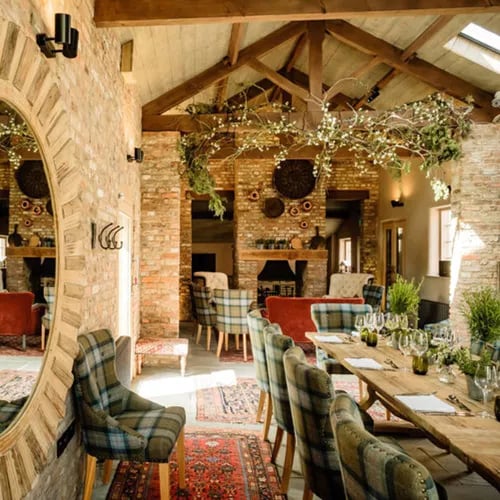
On one of Yorkshire's prettiest village greens—complete with duck pond and England's tallest maypole—this smartly modernized pub delivers boundary-crossing gastronomy. The kitchen pivots confidently from dynamite shrimp and sea bass ceviche to proper fish and chips, all served across characterful rooms of exposed brick and timber beams. Award-winning barn-style accommodations with sustainable design make overnight stays equally compelling.

Michelin Selected
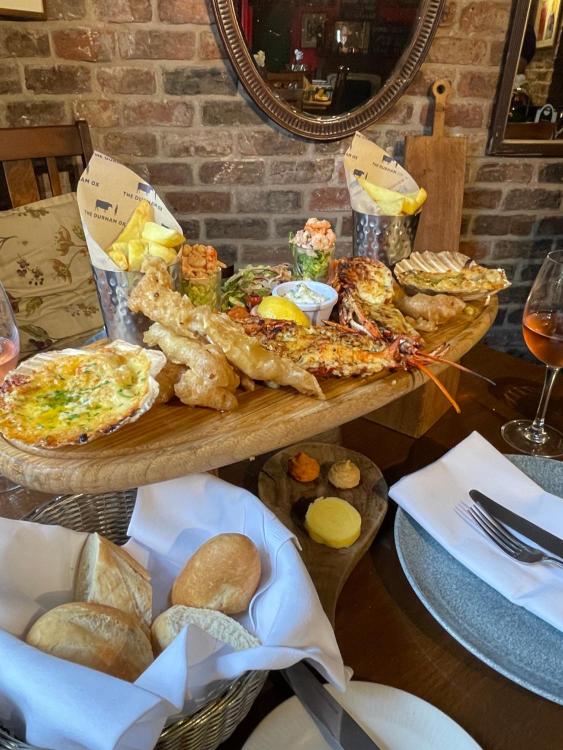
Three centuries of hospitality have shaped this Yorkshire coaching inn into a place of genuine warmth, where roaring fires and eclectic décor create an atmosphere locals and visitors share equally. The kitchen holds a Michelin Plate for its robust, seasonal cooking—think generous steak and seafood platters suited to celebrations. Families find purpose-built accommodation in converted cottages, with dogs welcome throughout.
Frequently Asked Questions
Which area of York is best for staying near the Minster?
+
The streets immediately surrounding York Minster — particularly Minster Gates, High Petergate, and Chapter House Street — place you within moments of the cathedral. This compact medieval quarter contains several boutique properties in historic buildings, with the added advantage of quiet evenings once day visitors depart.
What is the Fossgate and Walmgate area known for?
+
This eastern stretch beyond the Foss River has become York's independent dining and drinking quarter. Former industrial premises now house restaurants, craft beer bars, and specialty coffee roasters. The area maintains a less touristy atmosphere than the historic core while remaining a short walk from the city walls.
When is the best time to visit York?
+
Late spring brings manageable crowds and longer evenings for walking the walls. September and October offer mild weather and the surrounding countryside at its most atmospheric. The Christmas market transforms the city from late November, though accommodation books months ahead and the medieval streets become notably congested.




York
Within these ancient walls, where Roman foundations support medieval stonework and Georgian façades line cobbled streets, the accommodation scene reflects the city's layered history. Properties occupy converted merchants' houses along The Shambles, Victorian railway hotels near the station, and contemporary builds overlooking the Ouse. The historic core around Minster Gates and Stonegate offers proximity to the cathedral's Gothic splendor, while Micklegate's south-facing slopes house several converted townhouses with views across the rooftops.
The dining landscape draws from Yorkshire's agricultural heartland — the North York Moors, the Dales, the coast at Whitby just an hour east. Restaurants along Fossgate and Walmgate have transformed this once-industrial quarter into the city's culinary center, with chefs sourcing game from nearby estates and seafood from Scarborough's morning catch. Traditional tea rooms persist in the shadow of Betty's on St Helen's Square, while wine bars and cocktail lounges occupy medieval cellars beneath street level. The Ouse provides the spine of evening activity, its banks lined with converted warehouses and historic pubs dating to the coaching era.