This Victorian house perched on the shores of Loch Ness wraps guests in moody sophistication—dark jewel tones, antiques collected with evident care, views that sweep across Scotland's most mythic waters. With just seven rooms and an adults-only policy, the owner-managed property offers genuine intimacy. Evenings center on the Dining Room, where a concise menu arrives with the loch as backdrop.
Where to Stay
A romantic castle ruin guards the entrance to this Edwardian house, where designer Russell Sage has unleashed a maximalist interior of clashing patterns, vivid hues, and antiques — a theatrical sensibility the Telegraph aptly compared to Emily in Paris meeting Brigadoon. Nine individually styled rooms offer sumptuous retreats, while communal dinners showcase Highland produce alongside the namesake distillery's whisky. Dogs welcome throughout.
An 1840s Sutherland sandstone manor positioned barely a hundred yards from Royal Dornoch's first tee, Links House delivers the Scottish lodge fantasy in miniature—just fifteen rooms, logfire-warmed lounges, and Mara Restaurant for ambitious fine dining. The beach and village center sit within walking distance, though golfers may never leave the property. An intimate Highland retreat with genuine character.
A converted 1902 railway station facing the sands of the North Coast 500, Dornoch Station draws golfers to neighboring Royal Dornoch while wrapping them in Highland grandeur—grand staircases, mounted stag heads, ornate wainscoting, and knowing touches of tartan. The 89-room property welcomes dogs and offers gardens for post-round unwinding, though families should note its decidedly adult atmosphere.
Perched on Nairn's Seabank Road, this 42-room Scottish hotel commands panoramic views across the Moray Firth to the Black Isle. An indoor pool and outdoor hot tub face the water, while a private path descends to the beach below. The relaxed Highland atmosphere extends to families, with bunk-bedded rooms and a children's menu featuring local mussels and prawn cocktail.
Perched above the legendary loch's shores, this intimate property commands sweeping views across the dark waters—prime territory for monster-spotters with patience and binoculars. Immaculate grounds surround the lodge, while crackling fires inside offer refuge from Highland weather. The welcome extends to families with children of all ages, folding beds at the ready. A serene base for exploring the region's wild beauty.
A former Victorian station hotel with roots as an 18th-century military barracks, The Lovat occupies a prime position at the edge of Loch Ness in Fort Augustus. Its 29 rooms range from compact retreats to generous suites, with separate garden accommodations welcoming dogs. Open fires warm the public spaces while long views stretch across water and woodland—a proper Highland decompression for travelers seeking quietude over spectacle.
Where to Eat
At the gateway to Loch Ness, Station Road occupies a lovingly restored country house where the kitchen's philosophy—'taste nature's larder'—drives every plate. Foraged ingredients and prime Highland produce arrive in detailed, modern compositions that balance visual precision with genuine Scottish terroir. The Michelin Plate holder delivers charming, efficient service in a setting suited to travelers seeking refined Highland dining without pretension.
Overlooking the River Ness from a coveted riverside perch, Rocpool delivers brasserie dining with Scottish backbone and cosmopolitan reach. The kitchen champions local produce—Shetland monkfish arrives alongside risotto Milanese and 'nduja-roasted prawns—in a bright, colourful space where an experienced team maintains smooth service despite steady demand. A natural refuelling point for North Coast 500 travellers seeking substance over fuss.
Frequently Asked Questions
What is the best area to stay near Loch Ness?
+
The southwestern shore around Drumnadrochit and Lewiston places you closest to Urquhart Castle and the classic loch views. For quieter surroundings, the eastern shore via Dores offers more seclusion. Staying in Inverness itself provides easier access to restaurants and transport links while remaining just fifteen minutes from the loch's northern tip.
When is the best time to visit the Scottish Highlands?
+
May and June bring long daylight hours and relatively dry weather, with hillsides covered in flowering gorse and rhododendrons. September and October offer autumn colours and fewer visitors. Winter appeals to those seeking dramatic skies and cosy evenings, though shorter days limit sightseeing time and some rural properties close seasonally.
How do you get from Inverness to Loch Ness?
+
The northern tip of Loch Ness lies roughly ten kilometres south of Inverness city centre. Local buses run to Drumnadrochit and Fort Augustus along the A82. Driving allows flexibility to explore both shores — the western A82 for main sights, the eastern B862 for a slower, less-trafficked route through forestry and farmland.
The River Ness cuts through Inverness on its short journey from Britain's most voluminous loch to the Moray Firth, giving the compact city center a waterfront character unusual for the Highlands. Victorian townhouses line the riverbanks near Eden Court, while the pedestrianized high street retains independent shops alongside the usual chains. The castle, rebuilt in red sandstone during the 1830s, presides over the scene from its bluff — a useful orientation point when navigating the steep lanes below.
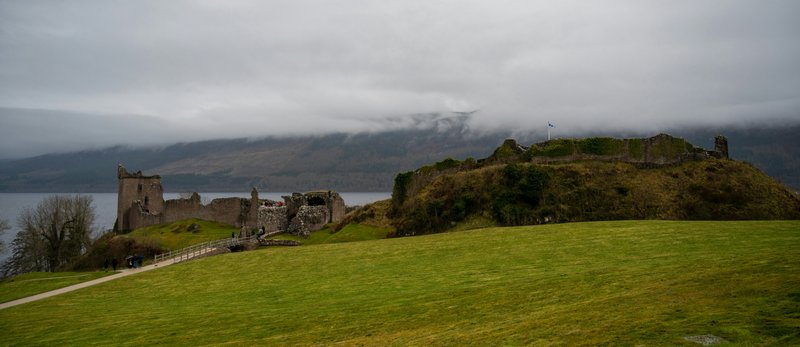
South of the city, the A82 traces Loch Ness's northwestern shore through Drumnadrochit and past Urquhart Castle's photogenic ruins. The eastern B862 — the old military road — offers quieter passage through Dores and Foyers, where the Falls of Foyers crash through woodland. Accommodation ranges from converted shooting lodges with private loch frontage to Georgian manors set in policies of ancient Caledonian pine. The dining scene draws on Speyside beef, Moray Firth langoustines, and game from surrounding estates, served in baronial dining rooms and riverside bistros alike.