Skip to content

Berlin Travel Guide: Best Hotels, Restaurants & Experiences

Boutique hotels, design suites, rooftop bars, Michelin-starred dining, specialty coffee, and wellness retreats.

Explore Berlin

Hotels (9)
Restaurants (10)

Where to Stay

Verified
$$$$ · 2 Michelin Keys· Forbes Five-Star · Verified

The Ritz-Carlton occupies a sandstone art deco tower on Potsdamer Platz, its silhouette evoking Chicago's architectural heyday. Cologne designer Peter Silling crafted interiors channeling 1920s Berlin cinema—marble lobby staircase crowned by baroque chandeliers, 303 rooms dressed in geometric headboards and jewel-toned accents. La Prairie spa anchors wellness offerings with indoor pool and sauna, while Brasserie Desbrosses and the Curtain Club attract neighbourhood regulars alongside Brandenburg Gate-bound guests.

2. Hotel de Rome

$$$$ · 2 Michelin Keys

Rocco Forte transformed a 19th-century bank headquarters—once the GDR's central finance nerve center—into Berlin's most historically resonant luxury address. Olga Polizzi and Tommaso Ziffer wove neoclassical grandeur with contemporary warmth: spacious rooms feature mosaic-tiled bathrooms with concealed sound systems, while the former vault now houses a 20-meter pool in green and gold. Come summer, the rooftop terrace draws chic Berliners and international sophisticates alike.

3. Telegraphenamt

$$$$ · 2 Michelin Keys

Inside a 1910 telegraph office, restaurateur Roland Mary has reimagined neo-Baroque architecture through stark brick, exposed girders, and Deco accents. Root delivers eclectic plates in a soaring dining room, while Japanese Bakery marries sushi with pastry craftsmanship. Cosy rooms suit solo travelers; two-floor suites appeal to families. The spa anchors wellness-focused stays, offering sauna sessions, yoga, and treatments on request.

4. Das Stue

$$$$ · 1 Michelin Key

A 1930s former Danish embassy reimagined by Spanish designer Patricia Urquiola, this Tiergarten hotel pairs warm, colorful interiors—complete with Arne Jacobsen Egg chairs—with a 14-meter spa pool and bay windows overlooking Berlin Zoo, accessible directly from the terrace. Catalan chef Paco Pérez's restaurant 5 – cinco delivers inventive tapas menus of up to 30 dishes, while connecting rooms and private zoo tours cater to families seeking refined convenience.

5. Hotel Adlon Kempinski

$$$$ · 1 Michelin Key

First opened in 1907 by restaurateur Lorenz Adlon, this legendary palace hotel directly faces the Brandenburg Gate, occupying Berlin's most prestigious address. Its halls have witnessed historic encounters—Greta Garbo met Louis B. Mayer here in an elevator, launching her Hollywood career—and continue to draw discerning guests to its double-Michelin-starred restaurant, sumptuous spa with indoor pool, and 382 rooms where European royals once mingled with Chaplin, Einstein, and Marlene Dietrich.

6. Patrick Hellmann Schlosshotel

$$$$ · 2 Michelin Keys

A discreet baroque palace built in 1914 for a personal advisor to Kaiser Wilhelm II, this Grunewald sanctuary was reimagined first by Karl Lagerfeld, then by fashion designer Patrick Hellmann in 2014. Premium rooms come styled as New York or Bohème variants with Art Deco detailing and tuxedo palette, while the spa's heated indoor pool overlooks pine forest. Breakfast unfolds in a sun-drenched conservatory facing manicured gardens and centuries-old trees.

7. HOTEL ZOO BERLIN

$$$$ · 1 Michelin Key

A nineteenth-century mansion turned luxury hotel in 1911, Hotel Zoo Berlin once welcomed Romy Schneider and Sophia Loren during Berlinale. American designers Dayna Lee and Ted Berner revived it in 2014 with Twenties glamour infused with Old Hollywood flair. The rooftop terrace bar and intimate lounges draw locals alongside guests, while GRACE restaurant and a central winter garden anchor the social scene. Pet-friendly accommodations available with additional charges.

8. Roomers Berlin Steinplatz, Autograph Collection

$$$$ · 1 Michelin Key

A 1913 Art Nouveau landmark in Charlottenburg's artsy West Berlin enclave, this Autograph Collection property restores the glamour of an era when Nabokov and Bardot checked in. Dark wood paneling, curved walls, and floor-to-ceiling drapery fill five restored floors, while Restaurant Manon-Brasserie Nouvelle reinterprets French classics. A top-floor spa overlooks the contemporary skyline, and deep soaking tubs complete the cinematic atmosphere.

9. The Mandala Hotel

$$$$ · 1 Michelin Key

German architect Lutz Hesse designed The Mandala's 159 studios and suites to feel like chic private apartments—spacious, modern-elegant, calm—with balconies overlooking Tiergarten or the quiet inner courtyard. The two-Michelin-starred FACIL occupies a fifth-floor terrace beneath a retractable glass roof, while the 11th-floor ONO Spa offers Balinese massage, Lomi Lomi, and Iyashi Dôme infrared treatments. Steps from Potsdamer Platz, with the Philharmonie and Kulturforum across the street, it suits long-stay business travelers and design-minded couples equally.

Where to Eat

1. Rutz

$$$$ · ★★★ Michelin· Green Star ●

Marco Müller's kitchen applies surgical precision to fusion cuisine, earning three Michelin stars plus a Green Star for sustainable sourcing. The 12- to 13-course Inspiration menu pairs Oldenburg Wagyu with umami-charged beef garum and kohlrabi, or North Sea squid with red cabbage, each dish minimalist in appearance yet layered with detail. The service team explains concepts in a relaxed, approachable style, making haute gastronomy feel less ceremonial, more conversational.

2. CODA Dessert Dining

$$$$ · ★★ Michelin

René Frank's Neukölln venue applies patisserie techniques to fine dining with striking results: buttercream with plum and dulse, grilled peach with pointed pepper, each dish in the 13-to-15-course menu paired with a tailored drink. Refined sugar never appears, yet dessert craftsmanship shapes every plate. Counter seating offers kitchen views, while the wine list emphasizes German Rieslings and sake. Michelin awards two stars to this unconventional, laid-back approach to haute cuisine.

3. FACIL

$$$$ · ★★ Michelin

Michael Kempf has commanded the kitchen since 2003, earning two Michelin stars for his product-driven modern cuisine that fuses classic European technique with Mediterranean and Asian notes. Perched on the fifth floor of The Mandala Hotel, the glass-wrapped dining room opens onto a terrace shaded by chestnut trees, creating a serene counterpoint to Potsdamer Platz below. Five- to eight-course menus shift with the seasons, delivering dishes like Faroe langustino with rowan berries or char with caviar and beurre blanc.

4. Horváth

$$$$ · ★★ Michelin· Green Star ●

Sebastian Frank's two-Michelin-starred kitchen—holder of a Green Star—occupies a glass-fronted space in Kreuzberg, where old wood panelling meets Jim Avignon murals and a terrace overlooks the Landwehrkanal. His vegetable-forward Austrian cooking draws on Berlin and Brandenburg produce, emphasizing sustainability through seemingly simple yet deeply memorable plates. Signature courses like celery prepared both ripe and young reveal a restrained, ingredient-led vision complemented by an Eastern European wine list.

5. Tim Raue

$$$$ · ★★ Michelin

Tim Raue blends Japanese precision, Thai aromatics, and Chinese technique into a two-Michelin-starred style entirely his own. The Berlin-born chef—awarded 19/20 by Gault & Millau—builds set menus around signature creations like wasabi langoustine and duck Marie-Anne, with a vegan option available. The Krug Table pairs each course with grand cru champagne. Sleek, urban interiors and a charming front-of-house team frame the daring, original cuisine.

6. Bandol sur mer

$$$$ · ★ Michelin· Green Star ●

Andreas Saul's Michelin-starred kitchen occupies a former kebab shop on Torstraße, where vintage East German furnishings and bare tables signal an intentionally unpretentious approach. The five-course vegetarian menu—extended with optional fish or meat—centres on regional ingredients treated with Far Eastern techniques: kimchi, house-fermented vegetables, and a signature carrot charcuterie aged with edible mould. The Green Star recognition reflects the restaurant's commitment to sustainable, plant-forward gastronomy delivered without ceremony.

7. Bonvivant

$$$$ · ★ Michelin· Green Star ●

This Michelin-starred establishment in Schöneberg delivers modern French technique through an entirely plant-based lens, offering six- or seven-course vegan menus that prove ambitious gastronomy needs no animal products. The kitchen's commitment to regional, seasonal sourcing earned it a Green Star, while the relaxed service style and original cocktail pairings keep the experience grounded. A dedicated cookery school next door extends the philosophy beyond the dining room.

8. Bricole

$$$$ · ★ Michelin

Chef Steven Zeidler's one-Michelin-starred kitchen reinterprets classic European technique through carefully calibrated Asian elements—Nordic halibut arrives with kohlrabi, shiso and dashi; guinea fowl with porcini, kombu and sour cherries. Proprietor-sommelier Fabian Fischer curates over 300 labels tilted toward German and Austrian Riesling, his enthusiasm and precision guiding pairings in an intimate bistro setting. The result is modern cuisine with restraint, technical confidence and genuine hospitality.

9. Cookies Cream

$$$$ · ★ Michelin

Accessed via a backyard passage through The Westin Grand and an unmarked door requiring a doorbell ring, this industrial-chic dining room occupies a former nightclub space on the first floor. The five- to seven-course vegetarian menu showcases ingredient-focused precision: fermented asparagus soup enriched with white beetroot and almond cream, enoki mushrooms intensified by truffle jus and walnut. Laid-back yet polished service complements exceptional wine and alcohol-free pairings, drawing a cosmopolitan mix of plant-based devotees and globe-trotting gourmands.

10. GOLVET

$$$$ · ★ Michelin

Peter Maria Schnurr applies his cuisine passion légère philosophy on the eighth floor of the Loeser & Wolff building, where floor-to-ceiling windows frame Potsdamer Platz below. His one-star kitchen delivers exceptionally inventive modern plates—blue lobster cooked to precision, A5 Wagyu paired with braised endive and sobrasada—alongside the signature langoustine dish named for his daughter, served personally at table. Counter seating overlooks the open kitchen.

Frequently Asked Questions

Which Berlin neighbourhoods are best for upscale hotels?

+

Mitte remains the centre of gravity, particularly around Unter den Linden and the Gendarmenmarkt, where grand historic properties cluster near museums and galleries. Charlottenburg appeals to those seeking a quieter residential atmosphere with proximity to the Kurfürstendamm shopping district. Kreuzberg and Friedrichshain have attracted design-forward boutique properties that reflect the area's creative identity.

What defines Berlin's fine dining scene?

+

Berlin's top restaurants emphasise seasonality and restraint over elaborate presentation. Many chefs have trained in Scandinavia or Japan, and the influence shows in clean flavours and minimal-intervention cooking. The city holds multiple Michelin stars, concentrated mainly in Mitte and Charlottenburg, but the most talked-about openings increasingly appear in less expected neighbourhoods like Neukölln and Wedding.

Is Berlin a good destination for specialty coffee?

+

Absolutely. The city was an early adopter of Third Wave coffee culture, and today independent roasters operate in nearly every district. Kreuzberg and Mitte have the highest concentration of specialty cafés, often housed in industrial spaces with their own roasting operations. Many double as co-working spots during weekdays, reflecting the city's freelance economy and relaxed daytime rhythm.

Berlin

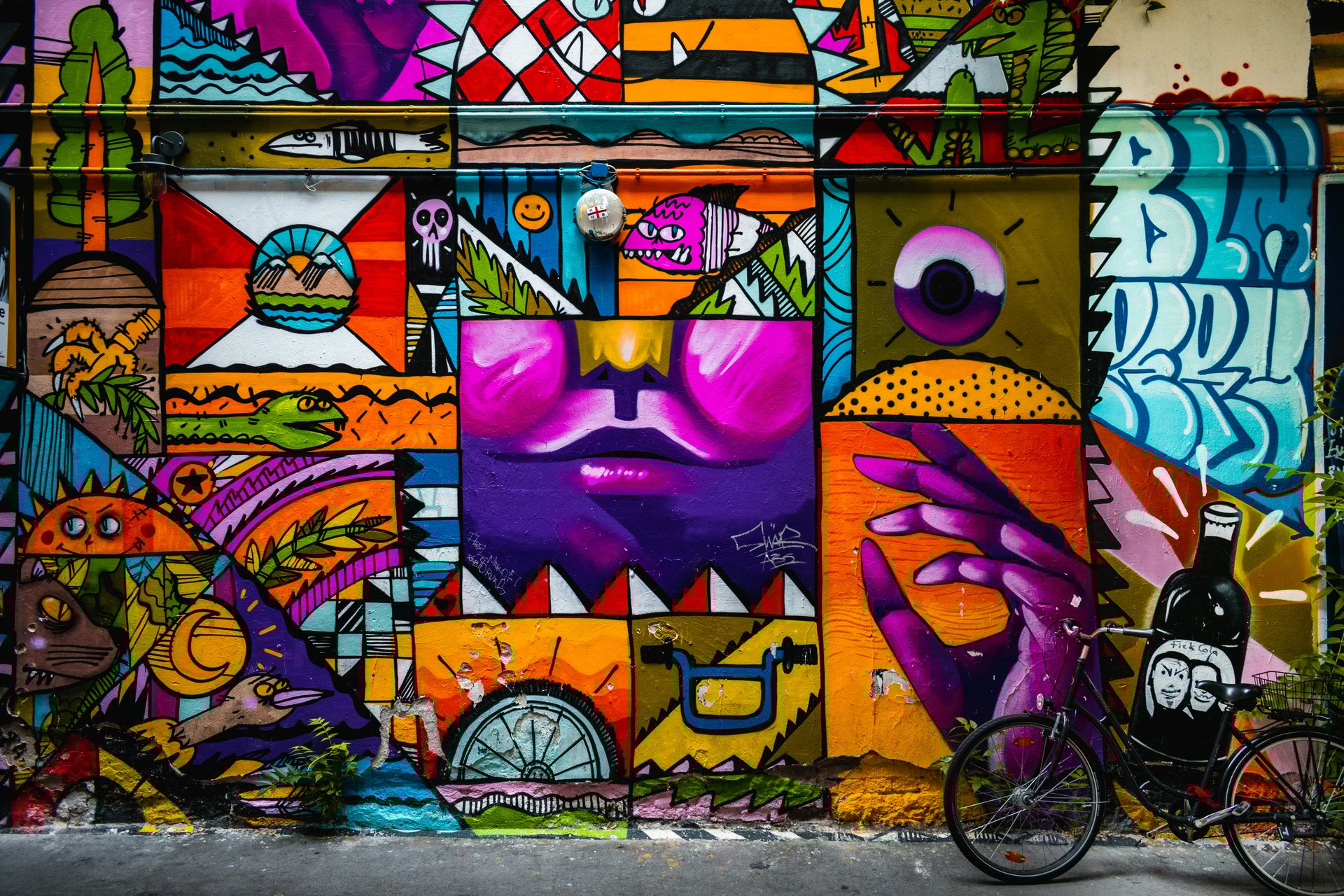
The German capital sprawls across the Spree River valley, a polycentric city where Mitte's grand boulevards give way to Kreuzberg's graffitied courtyards and Charlottenburg's Wilhelmine facades. This geography shapes everything: hotels range from converted GDR-era buildings to restored nineteenth-century palaces, while the dining scene moves between minimalist tasting rooms in Prenzlauer Berg and bustling market halls in Neukölln. The Third Wave coffee movement took hold here early, and today independent roasters occupy former factory spaces from Friedrichshain to Wedding.

Dining tilts toward seasonal, regional ingredients — Brandenburg vegetables, North Sea fish, game from the surrounding forests. The city's gastronomic restaurants have earned international recognition, yet the more casual bistronomic scene often delivers equal creativity at lower formality. After dark, the bar culture runs deep: hotel cocktail lounges in repurposed bank vaults, neighbourhood wine bars in Kreuzberg shopfronts, and late-night spots that blur into the city's legendary club culture. Wellness has become increasingly central too, with spa hotels drawing on German bathing traditions and contemporary thermal concepts.