Skip to content

Seoul Travel Guide: Best Hotels, Restaurants & Experiences

Five-star hotels, boutique guesthouses, rooftop suites, spa retreats, and design-forward accommodations.

Explore Seoul

Hotels (3)
Restaurants (9)

Where to Stay

1. Four Seasons Hotel Seoul

$$$$ · 1 Michelin Key· Forbes Five-Star

This 29-story glass tower in Gwanghwamun reimagines ancient palace architecture through contemporary design, showcasing 130 Korean artists throughout its spaces. Floor-to-ceiling windows frame Gyeongbokgung Palace and modern skyline, while eight restaurants—more than any Seoul hotel—include Michelin-starred Cantonese Yu Yuan and a speakeasy. The ninth-floor Korean sauna offers gender-separated facilities with cold, warm, and hot baths alongside traditional dry and wet rooms. Ivory-toned suites appeal to business travelers and cultural explorers alike.

2. SIGNIEL Seoul

2 Michelin Keys· Forbes Five-Star

Perched between floors 76 and 101 of the Lotte World Tower, SIGNIEL Seoul commands views so elevated that helicopters pass beneath its rooms. The all-suite property pairs floor-to-ceiling windows with marble bathrooms, Diptyque amenities, and butler-activated laundry service. Dining spans French chef Yannick Alléno's STAY and Korean fine-dining restaurant Bicena, while the 85th-floor pool and Bar 81 offer skyline immersion. A Gangnam address for travelers seeking futuristic Seoul with palace-level refinement.

3. The Westin Josun Seoul Hotel

$$$$ · Forbes Five-Star

Korea's first Western-style hotel, founded in 1914 to host Japanese and European royalty, now offers Seoul's largest guest rooms with décor straddling Far East motifs and European refinement. Sushi Cho on the 20th floor pairs seasonal fish with premium sake and panoramic city views, while seven other restaurants span Cantonese, Italian and French kitchens. The City Athletic Club's 82-foot pool, Korean-style saunas and spa treatments appeal to business travelers and dignitaries alike.

Where to Eat

Verified

1. Allen

$$$$ · ★★ Michelin · Verified

Chef Seo Hyun-min builds each season's menu around Korean ingredients with precise French technique, showcased through a glass-walled kitchen where the brigade's choreography becomes part of the experience. Makgeolli-leavened sourdough—crisp-crusted, elastic, nutty—sets the tone for a tasting menu mapped by provenance, each course tied to its terroir. The two-star dining room balances formality with ease, service calibrated to let the cooking speak.

Verified
$$$$ · Michelin Selected · Verified

Chef Ryu Tae-hwan has shaped this Gangnam dining room into an editorially distinct platform for seasonal Korean ingredients, reinterpreted through personal research and creative technique. The menu shifts with each solar term, reflecting the chef's talent for translating unbounded gastronomic ideas into coherent, flavor-driven plates. The two-story space combines a ground-floor research center with a second-floor dining area, reinforcing the experimental, constantly evolving character of the cooking. Innovative cuisine priced at the upper end.

Verified

3. YUN

$$$$ · ★ Michelin · Verified

Chef-Owner Kim Do-yun channels his fascination with noodles into a one-Michelin-starred multi-course menu that showcases aging, fermenting, and drying techniques applied to fish and meats. Counter seating grants diners an intimate view of each dish's preparation, accompanied by detailed explanations of the processes that build layered flavors and contrasting textures. This is cooking driven by relentless curiosity and technical refinement, suited to those who value precision and narrative over spectacle.

4. Mingles

$$$$ · ★★★ Michelin

Chef Mingoo Kang's three-Michelin-starred kitchen reinterprets Korean fermentation and long-simmering techniques through a contemporary French lens. The signature Mingling Pot concentrates umami from dried seafood, vegetables, and fruit into a layered broth, while the Jang Trio dessert transforms doenjang, ganjang, and gochujang into refined confections. Abalone baechu-seon and fish mandu further demonstrate the menu's deft balance of ancestral craft and modern refinement, served in a minimalist dining room overlooking greenery.

5. Evett

$$$$ · ★★ Michelin

Chef Joseph Lidgerwood's two-Michelin-starred table marries foraging with fermentation mastery: he handcrafts traditional meju blocks and brews his own sauces, yielding dishes like the signature Meju Donut—deep-fried glutinous rice dough filled with cream, anchovy dalgona, and black garlic. House-made pine needle oil and floral-infused medicinal liquor punctuate a menu that reimagines Korean culinary heritage through a global lens, amplified by a considered wine programme.

6. Jungsik

$$$$ · ★★ Michelin

Chef Yim Jung-sik's two-Michelin-starred table has earned global recognition for reimagining Korean culinary tradition through a contemporary lens. His seasonal set menus transform familiar staples—gimbap, bibimbap—into refined compositions built around premium ingredients like abalone and duck, each meal opening with meticulously prepared banchan. An extensive wine cellar supports the cuisine with thoughtfully curated pairings, framing an evening that balances innovation with deep respect for Korea's gastronomic heritage.

7. Kwonsooksoo

$$$$ · ★★ Michelin

Kwonsooksoo holds two Michelin stars for its French Contemporary approach to seasonal Korean ingredients, served in a minimalist dining room flooded with natural light. The chef, backed by two decades of experience, opens each meal with finely crafted small bites paired with traditional Korean spirits, then presents the main course in refined doksang style—a low-table format that balances formality with intimacy. A dessert trolley concludes the progression, reinforcing the restaurant's reputation for quietly compelling technique.

8. La Yeon

$$$$ · ★★ Michelin

La Yeon occupies the 23rd floor of The Shilla Hotel, where two Michelin stars recognize its refined approach to Korean tradition. The kitchen updates centuries-old techniques with a delicate, modern touch—crisp red mullet and char-grilled Hanwoo bulgogi arrive with clean, precise flavors that honor familiar textures without overcomplication. Floor-to-ceiling windows frame the Seoul skyline, though the plates themselves command most of your attention throughout the meal.

9. Mitou

$$$$ · ★★ Michelin

Chef duo Kwon Young-woon and Kim Bo-mi earned two Michelin stars with their Japanese kaiseki, built on seasonal produce and farmhouse ingredients—chicken, eggs, rice, and vegetables arrive from Chef Kwon's family property. The menu rotates with the calendar, and regulars return each cycle to see what the kitchen has drawn from the latest harvest. Expect refined technique, an intimate dining room, and a top-tier price to match the pedigree.

10. Soigné

$$$$ · ★★ Michelin

Chef Jun Lee's two-Michelin-starred table transforms plant-based Korean fine dining into a narrative performance. His signature Episode menus unfold like a classical story arc—introduction, development, climax, resolution—each course advancing the seasonal plot through contemporary technique rooted in Korean tradition. The minimalist white interior frames the kitchen as stage, while gracious service and sleek plating complete this vegan gastronomic experience reserved for those seeking haute cuisine without animal products.

Frequently Asked Questions

Which Seoul neighborhoods offer the best hotel locations?

+

Jongno and Jung-gu place you near palaces, traditional markets, and cultural sites. Gangnam suits business travelers and those wanting proximity to COEX and high-end shopping. Seongsu-dong and Hannam-dong attract design-conscious visitors with their converted industrial spaces and gallery districts. Bukchon offers hanok stays within walking distance of Insadong's antique shops.

What is the best time of year to visit Seoul?

+

Spring (April–May) brings cherry blossoms along Yeouido and comfortable temperatures. Autumn (September–November) offers clear skies and foliage across Namsan and Bukhansan. Summer brings monsoon rains and humidity; winter sees temperatures drop below freezing but fewer crowds and lower hotel rates.

How does Seoul's dining scene compare to other Asian capitals?

+

Seoul has earned significant Michelin recognition, with multiple three-star establishments and a growing roster of innovative Korean fine dining concepts. The city excels at both traditional cuisine — royal court dishes, temple food, regional barbecue — and avant-garde interpretations. Street food remains integral, from Gwangjang Market's bindaetteok to late-night tteokbokki stalls.

Seoul

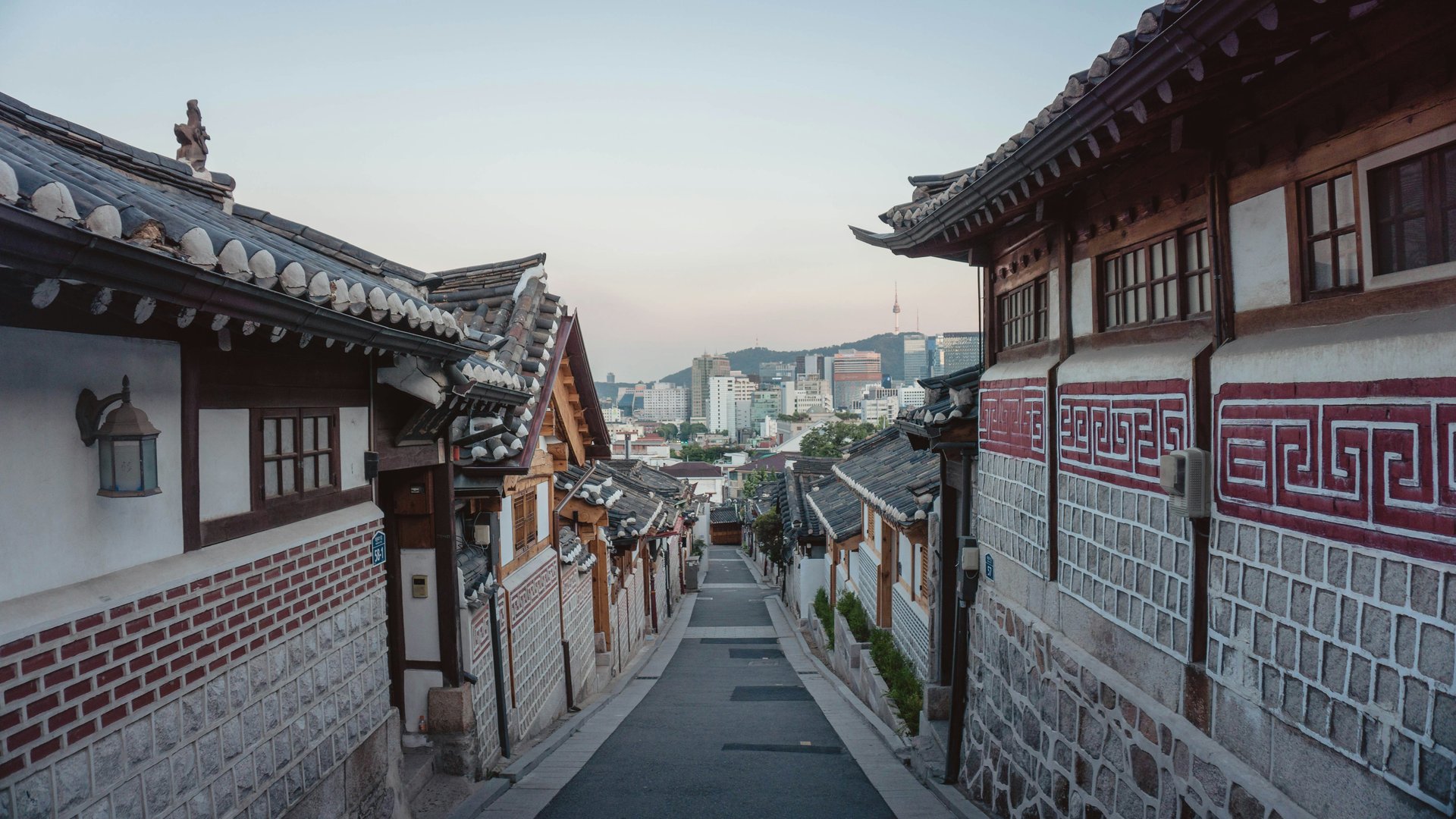
Seoul sprawls across a basin ringed by mountains, the Han River cutting through its center. Gangnam's glass towers face off against Bukchon's hanok alleyways; Itaewon's international crowd brushes shoulders with the fashion-forward youth of Hongdae. The city's best hotels cluster around these distinct poles — corporate flagships near Jongno, design properties in Seongsu, converted hanok stays steps from Gyeongbokgung Palace.

Dining here moves fast. The gastronomic restaurants drawing Michelin attention share streets with pojangmacha tent bars and 24-hour kalguksu joints. Jeju pork, Noryangjin seafood, temple cuisine — regional traditions collide with French technique and Japanese precision. The coffee scene rivals Melbourne's, with roasters setting up in converted warehouses along Seongsu-dong's factory row. After dark, speakeasies hide behind unmarked doors in Euljiro, while hotel bars offer views across the city toward Namsan Tower.