


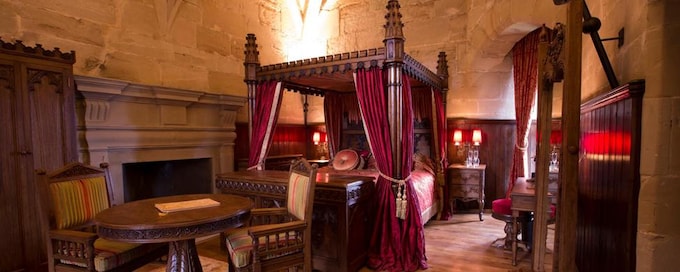
Caesar's Tower holds just two rooms within one of Britain's most storied medieval fortresses, granting overnight guests a rare privilege: the castle grounds to themselves after day visitors depart. The experience suits couples seeking theatrical immersion in history, though the Rose Suite accommodates families with young children. Beyond the tower, glamping and lodge options offer alternative ways to sleep within these ancient walls.
Stratford-upon-Avon Travel Guide: Best Hotels, Restaurants & Experiences 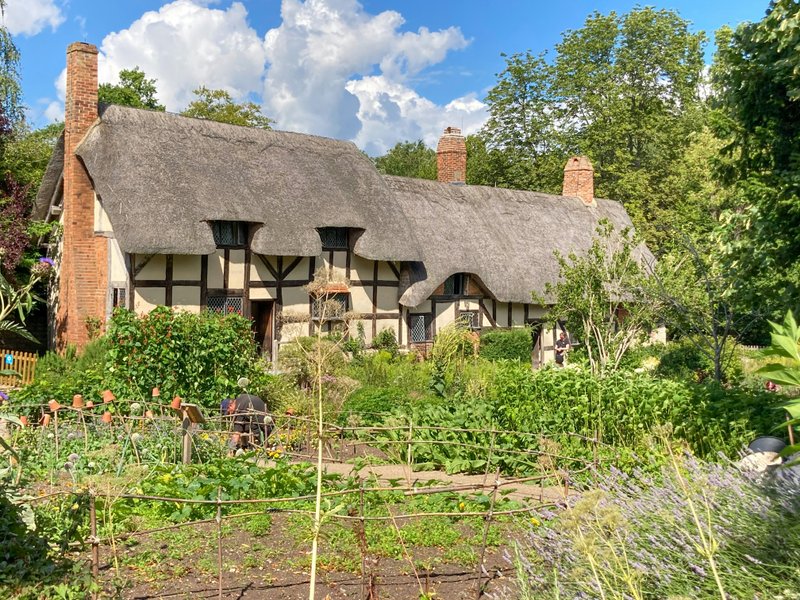

Explore Stratford Upon Avon
Hotels (2)
Restaurants (2)
Where to Stay

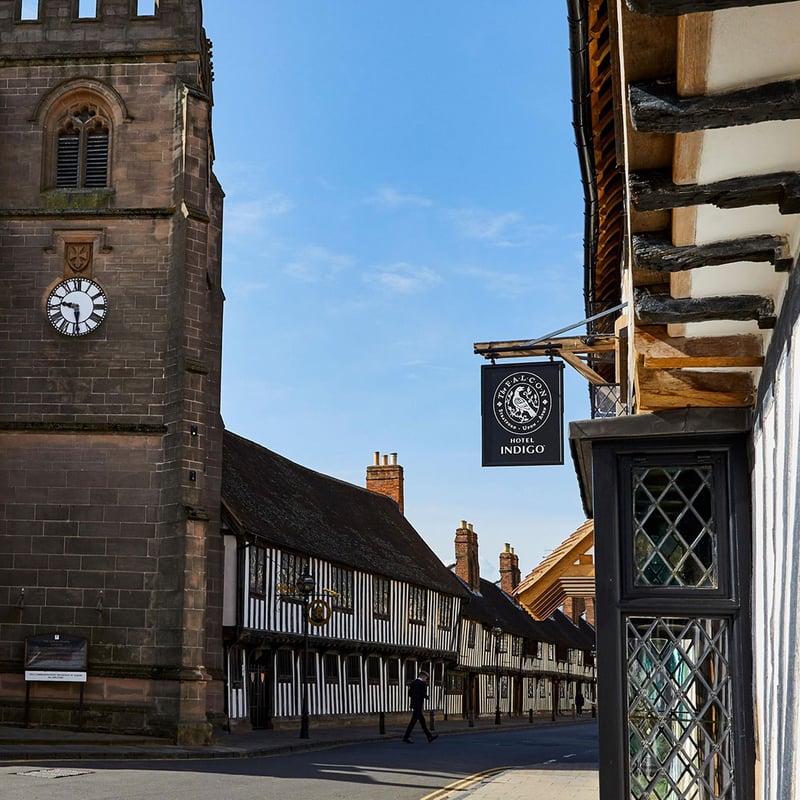
Directly opposite New Place, Shakespeare's final residence, this boutique property occupies a 15th-century building where exposed attic timbers and wood-panelled Tudor rooms coexist with contemporary glass atriums. A book-lined snug with crackling fire offers winter refuge, while the herb-scented courtyard garden draws summer guests. The Woodsman restaurant, housed in the historic wing, follows a farm-to-fork philosophy with assured results.

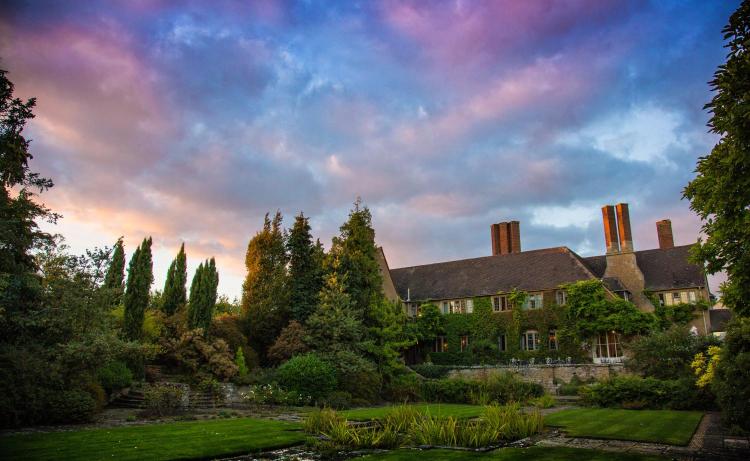
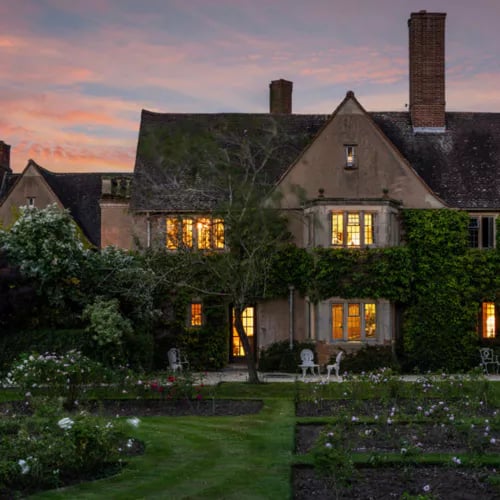
A 1916 Lutyens-style manor anchors this Warwickshire retreat, where nineteen rooms preserve early twentieth-century character while the contemporary Orchard House offers boutique-modern accommodation alongside the Elan Spa's seven treatment rooms, indoor pool, sauna, and jacuzzi. The award-winning Warwick restaurant delivers fine dining; Sencha provides Asian-inspired contrast. Extensive gardens and a dedicated wedding pavilion complete the picture for couples and spa devotees alike.
Where to Eat

★ Michelin
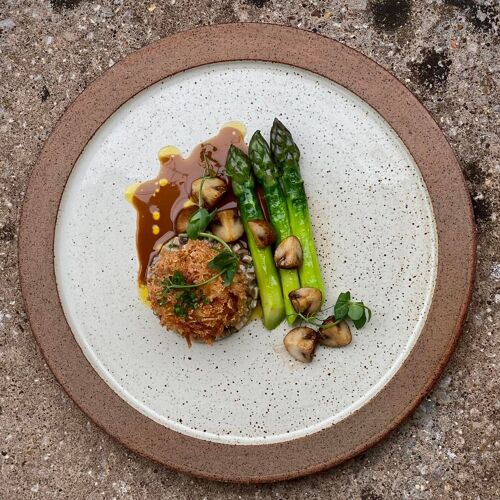
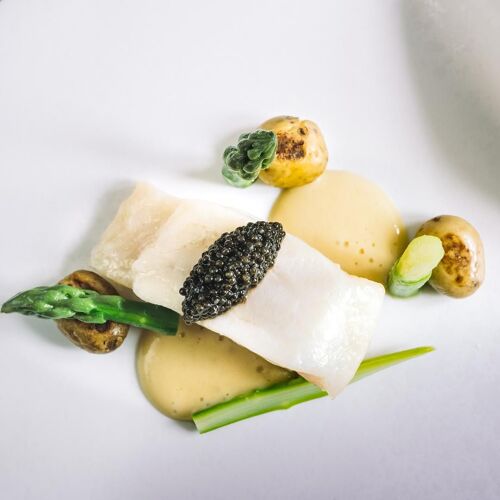
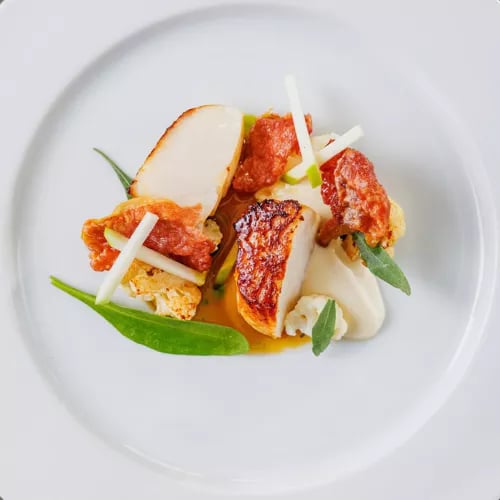
Chef Adam Bennett's one-Michelin-starred kitchen occupies a Grade II listed 19th-century inn in nearby Kenilworth, where bold, classically rooted cooking showcases regional producers with precision. The tasting menu delivers the fullest expression of his refined technique. Guests choose between a bright former classroom adorned with whimsical hand bell lamps or a foliage-wrapped terrace ideal for leisurely summer lunches.

★ Michelin
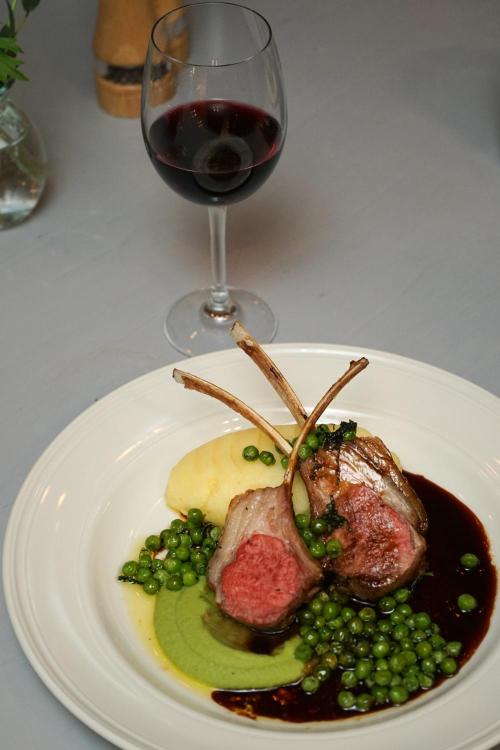
Oliver Cromwell reputedly slept here in 1642, making this one of England's oldest pubs — now holding a Michelin star for its farm-to-fork cooking. Game arrives shot to order, organic produce dominates, and the kitchen exercises admirable restraint: dishes of three or four components allow each first-class ingredient its moment. Charming service in a setting steeped in centuries of history.

Michelin Selected
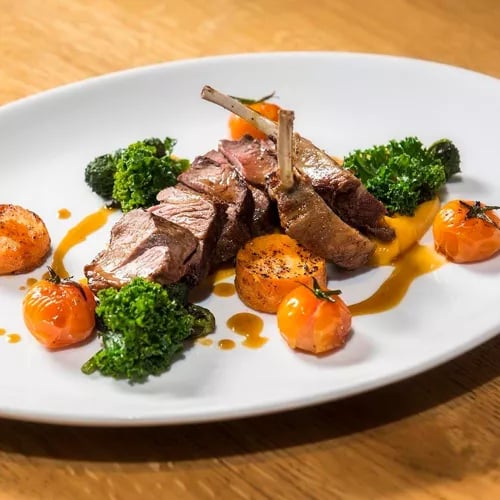
Inside a Lutyens-style Edwardian manor, wood-panelled walls frame an atmosphere both refined and unhurried. The kitchen pursues ingredient-led cooking with precision, delivering bold, clearly defined flavours—Hilltop Farm hogget paired with potato terrine and garden beans demonstrates the approach. A dedicated seasonal tasting menu showcases regional produce at its peak, while warmer months open onto a garden terrace for al fresco dining.

Michelin Selected
Occupying a former tailor's shop on Warwick's market square, Hem takes its name from that sartorial past. Chef Dan and front-of-house partner Seb deliver Modern British cooking rooted in classical technique but lifted by inventive touches—venison haunch arrives with pear, walnut ketchup, and bacon jam. The atmosphere remains unpretentious, service warm, and the carefully assembled wine flights reward exploration.

Michelin Selected
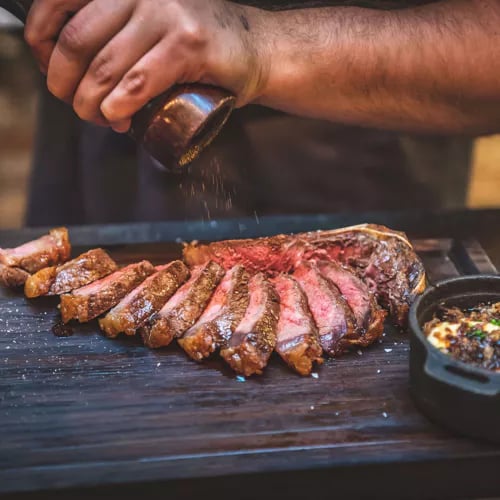
A wood-fired hearth anchors the cooking at this perpetually buzzing Chapel Street address, where skate wing and partridge emerge with satisfying char and depth. The kitchen takes its Sunday roast seriously—a draw for locals and visitors alike. Shakespeare's childhood classroom sits just up the road, lending literary footnote to an already convivial meal. Michelin Plate.

Michelin Selected
A Michelin Plate-recognized brick pub in the hamlet of Armscote, The Fuzzy Duck channels rustic-chic style through its Modern British kitchen. The signature 'quack and chips'—confit duck leg with spiced gravy and a bright carrot-sesame salad—captures the playful sensibility here, where prawn cocktails share menu space with contemporary riffs. A generous walled garden and welcoming atmosphere extend to families and dogs alike.

Michelin Selected
Golden Cotswold stone quarried from the village itself forms the bones of this Ilmington gastropub, a fixture of the local community since morning coffee through evening service. The kitchen holds a Michelin Plate for Modern British cooking that pivots confidently between satisfying pub classics and globally-inflected dishes, all anchored in regional flavours. Surrounding walking country and a loyal following of regulars complete the picture.

Michelin Selected
Glynn Purnell brings his celebrated Midlands sensibility to this beamed pub on Henley-in-Arden's picturesque high street. The interior balances rustic character with contemporary polish—an elegant bar warmed by a woodburner leads to dining rooms serving robust British cooking. The signature black pudding scotch egg has earned devoted followers, while the garden terrace provides an idyllic setting when weather permits.
Frequently Asked Questions
When is the best time to visit Stratford-upon-Avon for theatre?
+
The RSC runs productions throughout the year, though the summer season from April to October offers the fullest programme across all three theatre spaces. Winter brings smaller productions and often more availability for popular shows. Booking accommodation well in advance is essential during school holidays and the birthday celebrations in late April.
Which areas of Stratford-upon-Avon are best for walking?
+
The riverside path from the theatre to Holy Trinity Church makes for a pleasant thirty-minute stroll past the Avon's banks. Old Town's streets between Shakespeare's Birthplace and Hall's Croft concentrate the main historic sites within a compact area. The Greenway trail connects to neighbouring villages for longer walks through farmland and meadows.
Are there good dining options near the RSC theatres?
+
The Waterside area directly adjacent to the theatre complex offers several restaurants suited to pre-show timing, most accepting bookings that accommodate curtain times. Sheep Street, running parallel one block inland, concentrates additional options in historic buildings. Many establishments offer specific theatre menus designed for efficient service before evening performances.




Stratford Upon Avon
Shakespeare's birthplace draws visitors year-round, yet the town maintains a rhythm distinct from typical tourist destinations. The Royal Shakespeare Company anchors the cultural calendar, its theatres clustered along the Avon where swans glide past the Bancroft Gardens. Old Town spreads south from the river, its Tudor buildings housing independent shops and restaurants that cater to theatre-goers seeking pre-show dining.
Accommodation clusters around two areas: the town centre near Henley Street and the waterfront by the theatre complex. Several properties occupy converted historic buildings — half-timbered structures dating to the sixteenth century — while others offer contemporary design with views across the Warwickshire countryside. The surrounding villages of Shottery and Wilmcote provide quieter alternatives within easy reach of the town's attractions.