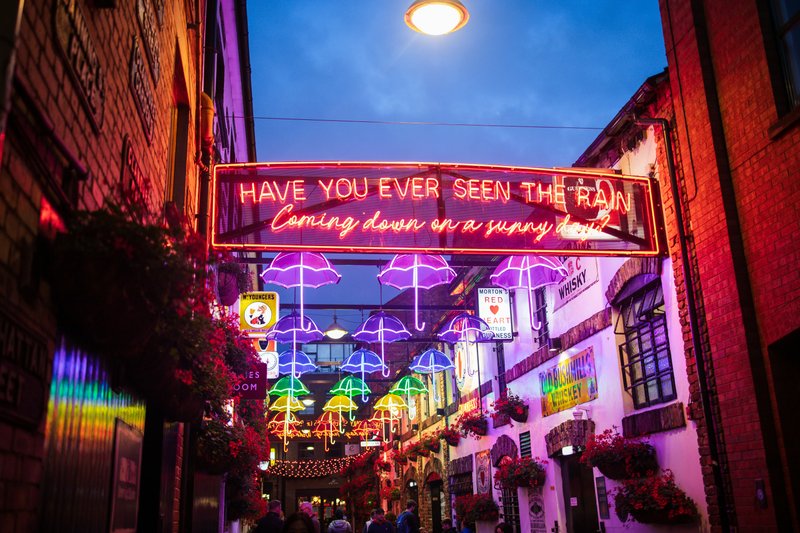
The 1860 Italianate former Ulster Bank headquarters anchors Belfast's Cathedral Quarter with 63 rooms wrapped in opulent period interiors—think classic grandeur rather than ironic boutique minimalism. Downstairs, Bert's Jazz Bar delivers nightly live sets, while The Great Room holds two AA Rosettes for its plant-based menus. A full spa with sauna, jacuzzi, and steam rooms rewards those who venture beyond the cocktail lounges.
Explore Belfast
Where to Stay
Georgian grandeur defines this thirteen-room retreat in Belfast's Queen's Quarter, where period architecture meets contemporary luxury. Individually designed rooms feature wooden floors, copper bathtubs, and roaring fires that evoke countryside manor living. A private garden offers rare urban tranquility, while the Presidential Suite commemorates a notable American statesman's visit. The on-site bar completes an intimate base for exploring nearby Queen's University.
This 1876 Gothic mansion in the Holywood Hills was built as a bishop's residence—its motto remains 'Built for a bishop, fit for a king.' Louis XV chandeliers illuminate interiors filled with antiques and stained glass, while guest rooms feature marble bathrooms and views over Belfast Lough. Twelve acres of gardens, an indoor pool, and a full spa serve those seeking grand seclusion minutes from the city.
Once the most bombed hotel in the world during the Troubles, the Europa has emerged from a five-year, £15 million refurbishment with quiet confidence. The Piano Lounge draws evening crowds for cocktails, while the Causerie restaurant caters well to families—eighteen rooms accommodate up to four guests, with a dedicated children's menu. A resilient landmark on Great Victoria Street, now polished for peacetime.
Belfast's skyline gained a commanding presence with the Grand Central, a 23-story tower on Bedford Street offering some of the city's most dramatic perspectives. Upper rooms frame panoramic views, while the Observatory bar on the 23rd floor draws evening crowds to its velvet-clad interior for cocktails against the cityscape. Families find practical appeal in interconnecting rooms and flexible bedding configurations.
This rambling coaching inn in Crawfordsburn carries centuries of eccentric charm—C.S. Lewis honeymooned here, and local lore claims Peter the Great once stayed. The ancient structure sprawls with quirky character, its rooms ranging from intimate petites to family configurations with multiple beds. A kitchen earning top marks for its food draws gastronomes, while the hamlet setting borders parkland, offering gentle countryside escapes near Belfast.
The former Harland & Wolff headquarters—where the Titanic's construction was orchestrated—now operates as a hotel in Belfast's revitalized shipyard district. The red-brick Edwardian building sits adjacent to Titanic Belfast, the city's signature attraction. Interiors retain period architectural details throughout the public spaces and guest rooms. Family rooms and children's menus accommodate multigenerational travelers exploring the maritime quarter.
Sharing design DNA with its Terence Conran–designed Dublin sibling, this Great Victoria Street address conceals a decidedly sexy interior behind its stately Victorian facade. The 130 rooms strike a moody, masculine tone—dark palettes offset by punchy yellows and greens—while bathrooms indulge with separate soaking tubs and high-flow rain showers. The restaurant showcases Northern Irish produce, making it a polished base for style-conscious business and leisure travelers alike.
A 17th-century coaching inn in the hamlet of Crawfordsburn, The Old Inn wraps guests in rustic beams, crackling fires, and Victorian-styled rooms where standalone copper tubs face rolling countryside. The Treetop Spa hovers above the adjacent country park, its outdoor hot tub commanding sweeping views, while Bar 1614 delivers fireside nightcaps. French-inflected cooking and traditional afternoon tea complete the pastoral retreat.
Twenty minutes from Belfast, this 33-room boutique property channels Soho House irreverence through a countryside lens. Each room features hand-painted rabbit artwork and Belfast-designed wallpaper against wrought iron beds, while the lakeside spa surprises with a disco ball suspended over its Roman bath and wood-fired outdoor tubs. Pet-friendly and deliberately playful, it suits travelers who prefer their luxury with a wink.
Where to Eat
A single Michelin star marks this understated Oxford Street dining room, where the kitchen team's exacting standards begin with sourcing—and in some cases growing—exceptional produce. The tasting menu builds refined, expertly balanced compositions around these ingredients, perhaps best exemplified by Orkney scallop paired with a curry oil of remarkable aromatic precision. The atmosphere hums with energy, drawing gastronomes seeking substance over spectacle.
Named for a clandestine society from two centuries past, this industrial-chic dining room in the Cathedral Quarter earned its Michelin star through chef Gareth McCaughey's unfussy brilliance. His surprise tasting menu lets exceptional Irish ingredients speak plainly—Kilkeel scallops, Wicklow venison—while a thoughtful selection of natural and biodynamic wines, all poured by the glass, matches the kitchen's philosophy of restraint.
Climb the staircase to this first-floor dining room on Ormeau Road and the energy hits immediately—a buzzing crowd of Belfast regulars who know to book well ahead. The concise à la carte delivers modern British bistro cooking with genuine punch, built on local produce and presented without fuss. A neighborhood favorite that rewards the persistent.
Michael Deane's bustling brasserie opposite Queen's University draws crowds to its expansive covered terrace for refined yet accessible cooking. The Mibrasa charcoal grill anchors the menu, lending smoky depth to ingredients like Mourne lamb rump. A Bib Gourmand holder, the kitchen demonstrates equal command over classics and desserts—the freshly baked jam and coconut sponge alone justifies a detour.
Buzzing energy fills this rustic-industrial brasserie where counter seats along the open kitchen offer front-row views of the culinary action. The internationally-minded sharing menu draws heavily on Spanish traditions—pan con tomate, pil pil prawns—while a Bertha oven delivers char-kissed hanger steak with chimichurri. The Bib Gourmand-recognized kitchen saves its quiet triumph for last: an orange, almond and olive oil sponge worth the restraint.
A Bib Gourmand address on Wellington Place, Home delivers semi-rustic British and Mediterranean cooking with bold, direct flavours at sensible prices. The fish casserole demonstrates the kitchen's commitment to top-quality produce, while the spacious dining room—bright with local art, greenery, and semi-industrial touches—creates an upbeat atmosphere. Warm, attentive service rounds out a satisfying city-centre meal.
A short drive from Belfast, this compact Holywood address earns its Bib Gourmand through dishes of deceptive simplicity—plates that look unfussy yet deliver bold, concentrated flavor, as in a confit garlic pepperonata that punctuates the menu. The format splits between downstairs bar snacks and a full à la carte above, while the chocolate délice has become a local institution worth the trip.
Michael Deane's sprawling Howard Street address pairs a lively cocktail bar with a dining room that thrums with energy. The Bib Gourmand kitchen roams freely across continents—fiery Gaeng Phed red curry one evening, classic entrecôte au poivre the next—delivering generous portions and shrewd wine pairings at prices that feel almost improbable for cooking this polished.
Locals pack this sprawling Hill Street bistro for its honest, European-inflected cooking — think arancini, pillowy gnocchi, creamy burrata — executed with enough finesse to earn a Bib Gourmand. The atmosphere runs convivial and unhurried, suited to weeknight dinners as much as leisurely weekend gatherings. A period building adds character, while the attached cookery school hints at the kitchen's serious culinary ambitions.
Chef Lottie Noren's contemporary bistro, named for her daughter, channels the same creative energy as sibling restaurant EDŌ into a produce-driven sharing format. The open kitchen frames a focused brigade crafting dishes like tempura-style langoustine scampi paired with house gribiche—cooking that's pared-back yet deeply flavourful. Generous portions and genuinely warm service make this a neighbourhood favourite worth seeking out.
Frequently Asked Questions
Which Belfast neighborhoods are best for accommodation?
+
The Cathedral Quarter suits those wanting nightlife and galleries on their doorstep. The Titanic Quarter offers modern waterfront properties with river views. South Belfast around Queen's University and the Botanic Gardens provides leafy streets and excellent restaurant access along the Lisburn Road.
What is the dining culture like in Belfast?
+
Belfast's food scene emphasizes local provenance. Chefs work closely with Northern Irish producers, and menus reflect seasonal availability from the region's farms and fishing ports. Expect hearty portions, genuine hospitality, and increasingly sophisticated techniques applied to traditional ingredients.
How walkable is Belfast for visitors?
+
Remarkably so. The compact city center means the Cathedral Quarter, Victoria Square, City Hall, and the waterfront all connect within fifteen minutes on foot. Black cabs remain a local institution for longer journeys, and the Glider bus rapid transit links key districts efficiently.
Belfast rewards visitors who look beyond first impressions. The Cathedral Quarter's cobbled entries hide some of the city's most characterful stays, while the Titanic Quarter has transformed former shipyard land into a striking waterfront district. The Golden Mile stretching south from City Hall toward Queen's University offers Victorian redbrick elegance, and the tree-lined Malone Road provides a quieter residential alternative minutes from the center.
The city's dining scene has matured considerably, with St George's Market serving as both Saturday morning ritual and source for the region's best producers. Restaurants along the Lisburn Road and around St Anne's Cathedral draw on Ulster's larder — Strangford Lough mussels, Glenarm salmon, Comber potatoes. The café culture centers on the university area, though the Cathedral Quarter's converted warehouses now host everything from specialty roasters to late-night cocktail dens. Belfast operates on a human scale; most destinations sit within walking distance or a short black cab ride.