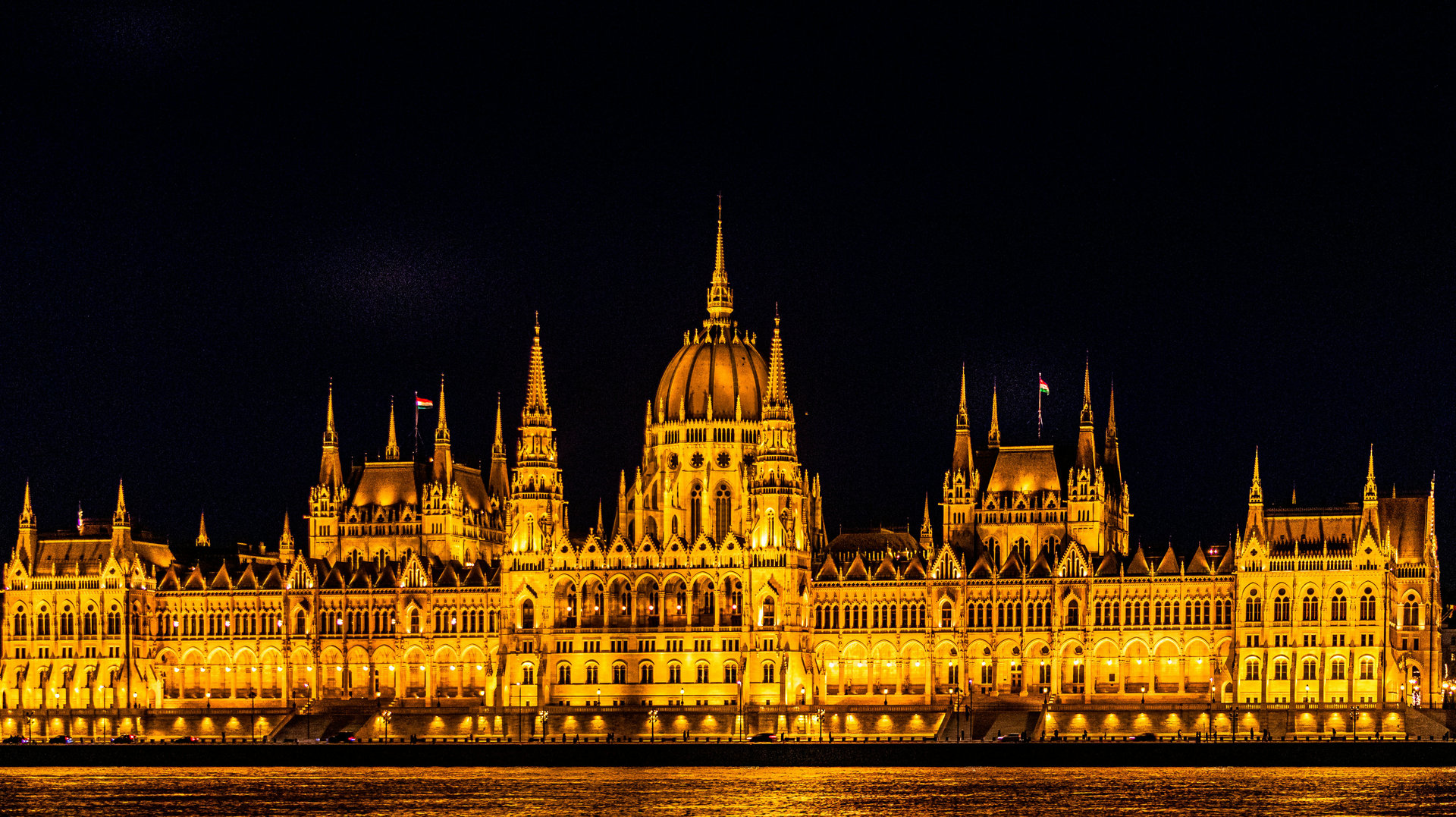
The Danube cleaves Budapest into two distinct personalities. Buda rises in limestone hills—the Castle District's medieval lanes give way to wooded paths on Gellért Hill, where the Citadella surveys both riverbanks. Pest sprawls flat and purposeful: Andrássy Avenue cuts a Habsburg-era diagonal through the city, its grand apartments now housing embassies, auction houses, and the gilded Opera. The Jewish Quarter's ruin bars occupy bullet-scarred courtyards, while the former industrial zones of Újlipótváros have become the city's design district. This geography shapes where to stay: the best spa hotels cluster near the historic thermal springs, while Pest's inner core places you within walking distance of the finest tables.
Budapest's café culture runs deeper than most European capitals—the marble-topped tables at New York Café and Centrál have hosted writers and revolutionaries since the 1890s. Today's best coffee shops range from these preserved monuments to third-wave roasters in converted printing houses. The dining scene has evolved dramatically since the 2010s, with several kitchens now holding Michelin stars and a generation of chefs reinterpreting Hungarian traditions—goose liver, mangalica pork, Tokaji wine reductions. The best restaurants balance this innovation with the hearty cooking that still defines neighbourhood vendéglő. After dark, the ruin bar circuit continues to draw crowds, though the city's serious cocktail bars now rival those of any European capital.