Skip to content

Rome Travel Guide: Best Hotels, Restaurants & Experiences

Boutique hotels and palazzo suites, rooftop terraces, spa retreats and family-friendly accommodations.

Explore Rome

Hotels (10)
Restaurants (5)

Where to Stay

1. Bvlgari Hotel Roma

$$$$ · 3 Michelin Keys· Forbes Five-Star

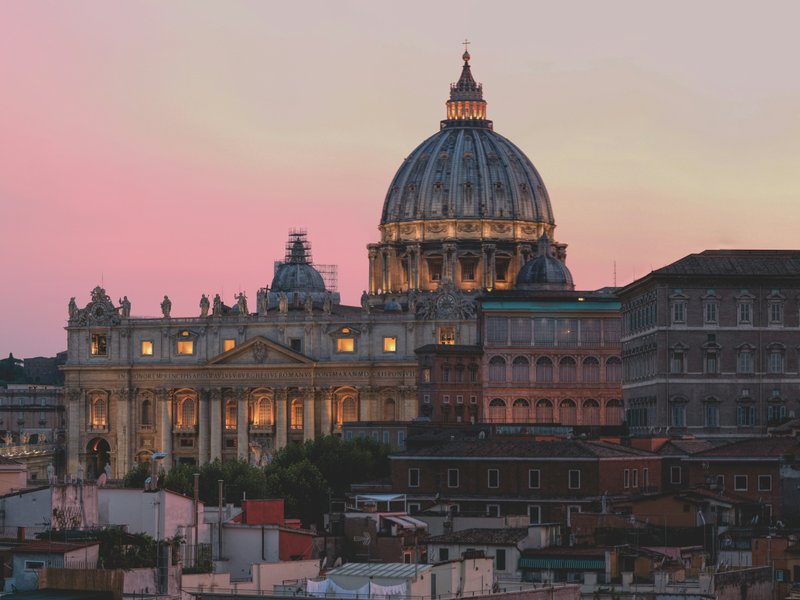
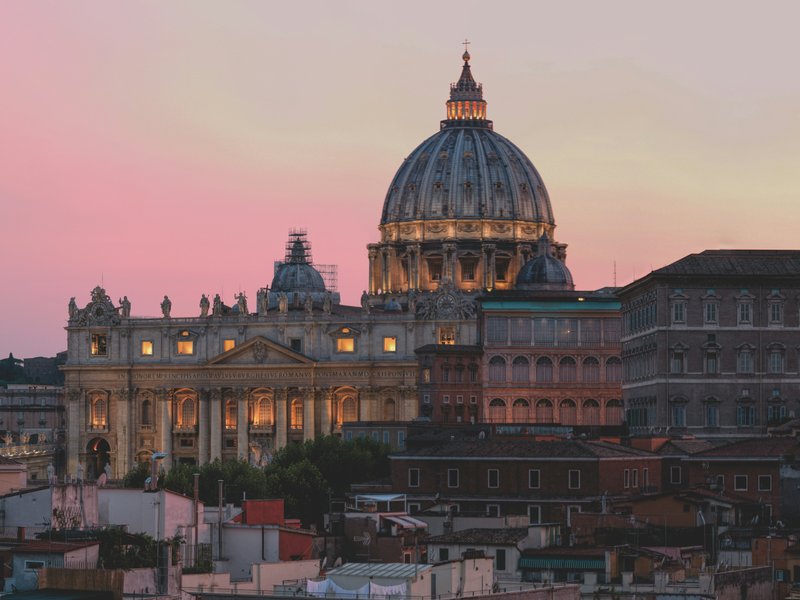
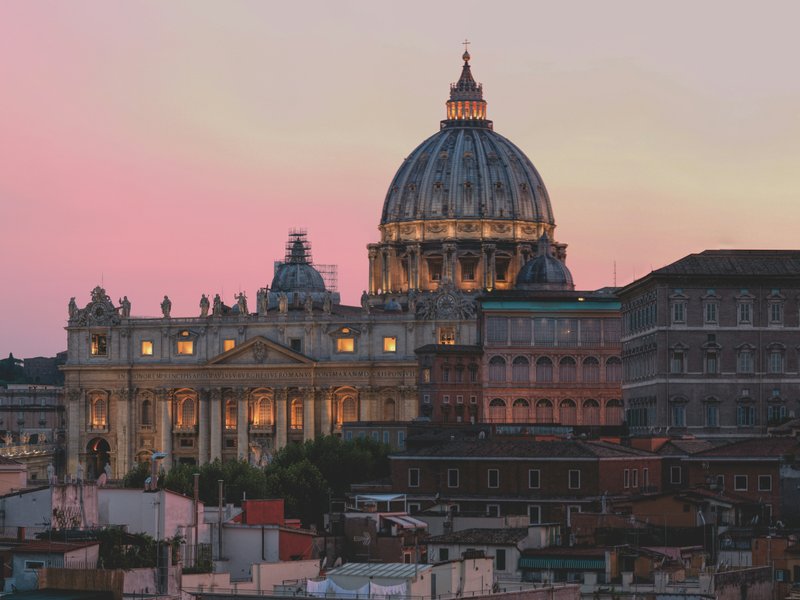
Bvlgari Hotel Roma occupies a meticulously restored 1940s building at Piazza Augusto Imperatore, its dramatic entrance framed by an ancient statue of Emperor Augustus from the Torlonia Collection. Interiors by Antonio Citterio and Patricia Viel showcase marbles from across the globe—yellow brocatelle, Sudanese red jasper, Brazilian white—while the 16,000-square-foot spa features a shimmering pool beneath marble columns. La Terrazza rooftop unfolds views from the Mausoleum of Augustus to St. Peter's Basilica, and Niko Romito helms the fine-dining restaurant.

2. Hotel De La Ville, a Rocco Forte Hotel

$$$$ · 2 Michelin Keys· Forbes Five-Star

Architect Tommaso Ziffer and Olga Polizzi reimagined this 18th-century palazzo atop the Spanish Steps with handprinted Piranesi-inspired wallpaper and a geometric courtyard designed by George Carter. Fulvio Pierangelini's fine-dining restaurant anchors the culinary program alongside courtyard bistro Mosaico, while the rooftop Cielo Bar captures 360-degree views from the Vatican to the historic center. The Irene Forte Spa uses Sicilian-sourced organic treatments, complemented by Turkish bath and sauna.

3. Hotel de Russie, a Rocco Forte Hotel

$$$$ · 2 Michelin Keys· Forbes Five-Star

Behind a discreet 1818 façade lies a 0.7-acre garden designed by Giuseppe Valadier, with palm trees, citrus plants, climbing roses, and views of Villa Borghese—once frequented by Picasso and Cocteau. The 122-room property features Le Jardin de Russie's cascading terraces, a spa with marine hydro-pool and Turkish steam bath, and Stravinskij Bar. Located steps from Piazza del Popolo, it appeals to travelers seeking privacy and understated elegance.

4. J.K. Place Roma

$$$$ · 2 Michelin Keys· Forbes Five-Star

Rome's former school of architecture now houses 27 rooms and suites dressed in Michele Bönan's signature style: handcrafted four-poster rosewood beds, striped marble bathrooms, and ancient sculpture reproductions alongside contemporary art. J.K. Café draws fashionable Romans to its jewel-toned lounge, while the discreet location off Via del Corso keeps guests minutes from the Spanish Steps and Trevi Fountain yet cocooned from the crowds.
5. Orient Express La Minerva

$$$$ · 2 Michelin Keys· Forbes Five-Star

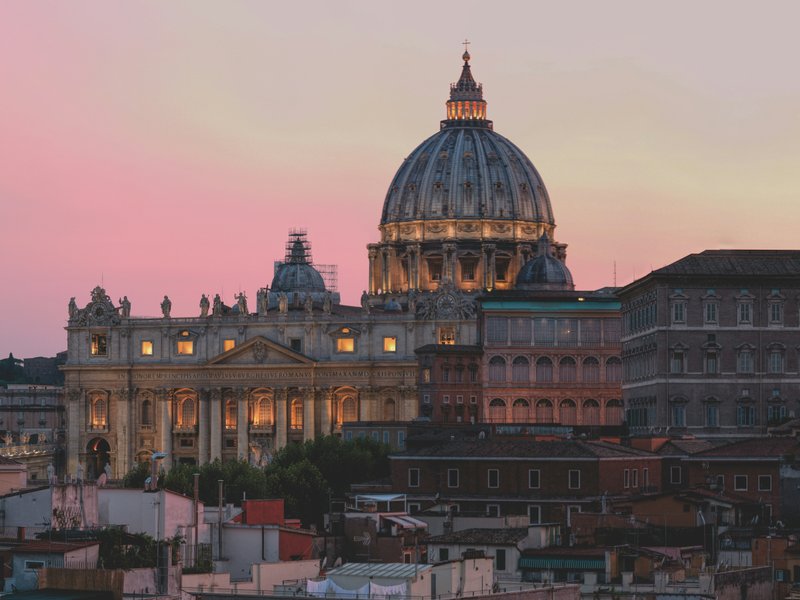
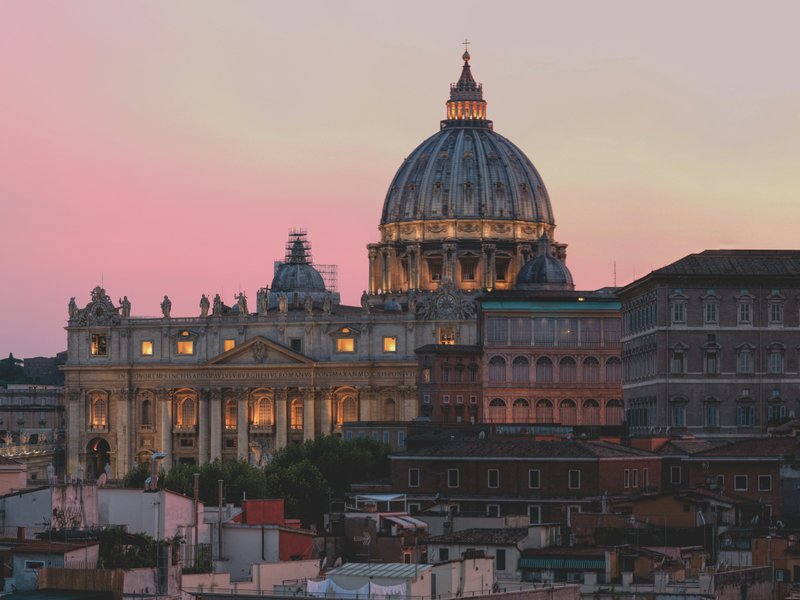
The legendary rail brand's inaugural hotel occupies a 17th-century palazzo behind the Pantheon, where French-Mexican architect Hugo Toro has woven art deco interiors through vaulted salons once frequented by Stendhal and Herman Melville. All Signature Suites frame the ancient dome; the rooftop Bellini Bar sits eye-level with it. Below, mixologist Matteo Fatica runs a jewel-box speakeasy in rich red velvet, crafting cocktails inspired by Orient Express's historic routes.

6. The St. Regis Rome

$$$$ · 2 Michelin Keys· Forbes Five-Star

César Ritz launched this palatial landmark in 1894 with a sixteen-course dinner by Auguste Escoffier, setting a standard for Roman luxury that endures 130 years later. Pierre-Yves Rochon's 2018 refresh preserves Murano chandeliers, hand-painted frescoes and an 1874 wrought-iron lift while introducing contemporary art from Continua Gallery and a Bottega Veneta suite. Lumen Bar performs a theatrical sabrage at seven each evening; the 300-square-meter Royal Suite houses heads of state.

7. Palazzo Talìa

$$$$ · 2 Michelin Keys

Filmmaker Luca Guadagnino converted this 16th-century palazzo near Piazza di Spagna into a 26-room boutique hotel where period architecture meets contemporary Italian design. Custom furniture and original artworks fill the Superior rooms and top-floor Talìa Suite, while a Roman bath–inspired spa and restaurant Tramae—helmed by Chef Marco Coppola—serve travelers seeking culture and refinement in equal measure.

8. Palazzo Ripetta

$$$$ · 1 Michelin Key· Forbes Five-Star· Relais & Châteaux

A 17th-century palace reimagined through the lens of 1920s art deco, Palazzo Ripetta showcases beautifully restored curved moldings and inlaid panels alongside an enviable contemporary art collection—works by Andy Warhol, Alberto Burri, and Arnaldo Pomodoro animate the corridors, while a third-century Roman sarcophagus serves as a fountain in the courtyard. San Baylon draws weekend crowds for its Roman-style brunch buffet, and the rooftop terrace Etere pours cocktails against city panoramas.

9. Hassler Roma

$$$$ · 1 Michelin Key· Forbes Five-Star

The same Swiss family has welcomed guests to this palatial landmark since 1893, maintaining six-generation standards of discretion that once drew Grace Kelly and Audrey Hepburn. Perched atop the Spanish Steps, the 87 individually designed rooms and suites—including a 3,552-square-foot penthouse with Hermès fabrics and private terraces—marry Venetian lamps, marble, and frescoes with the Amorvero SPA and sixth-floor Imàgo, a Michelin-starred restaurant commanding panoramic views across baroque Rome.

10. Hotel Eden, Dorchester Collection

$$$$ · 1 Michelin Key· Forbes Five-Star

Since 1889, this Dorchester Collection property in the Via Veneto neighborhood—the backdrop to Fellini's La Dolce Vita—has defined Roman elegance through Bruno Moinard's art deco interiors with high ceilings and custom furnishings. La Terrazza delivers Michelin-starred dining from a rooftop perch, while the Eden Spa's three treatment rooms feature private steam baths and Valmont products. La Libreria conceals a bar behind mirrored bookshelves, steps from Villa Borghese.

Where to Eat

Verified
$$$$ · Michelin Selected · Verified

Steps from Piazza del Popolo, Alain Ducasse—the world's most decorated chef—oversees this striking venue where Zaha Hadid's ebony-panelled dining room frames an open marble kitchen. Young Jacopo Iualè crafts contemporary Mediterranean dishes from exceptional ingredients, earning a Michelin plate for his refined technique. The 17th-century palazzo setting lends historical gravitas to an evening defined by architectural drama and precise modern cooking.

2. La Pergola

$$$$ · ★★★ Michelin

Heinz Beck's three-starred table, perched below Monte Mario since 1994, commands sweeping views across Rome's rooftops and surrounding hills. His Mediterranean-inflected cuisine balances bold imagination with disciplined restraint—sustainable seafood, light technique, Italian terroir. Marco Reitano's encyclopedic cellar and attentive service add polish. After a recent redesign in Travertine and crimson tones, the terrace remains the capital's most cinematic dining stage for special-occasion gastronomy.

3. Acquolina

$$$$ · ★★ Michelin

Daniele Lippi helms this two-Michelin-starred contemporary dining room near Piazza del Popolo, housed within The First Roma hotel and dressed in graduated shades of blue. Two tasting formats anchor the menu: a fish-focused sequence starring an inventive cuttlefish dish infused with Turkish influences, and a more expansive option layering in meat courses. Lippi's cooking runs hearty and generous despite its creative technique, and the cellar stocks over a thousand labels to match the richly textured fare.

4. Enoteca La Torre

$$$$ · ★★ Michelin

Domenico Stile's two-Michelin-starred Enoteca La Torre occupies a stucco-adorned dining room within Villa Laetitia's Art Nouveau residence, its tall windows framing an exclusive garden just off the Tiber. The Campania-born chef layers Mediterranean flavours into complex yet precise compositions, delivering imaginative creative cuisine anchored by clean, decisive tastes. An extensive Italian-focused wine list and the room's Belle Époque grandeur complete the gastronomic occasion.

5. Il Pagliaccio

$$$$ · ★★ Michelin

Chef Anthony Genovese's two-Michelin-starred table draws on four decades of globetrotting to create an Italy-Japan fusion that startles and delights—witness gyoza filled with Piedmontese finanziera, finished with oxtail-inspired broth and powder. Blind tasting menus of varying lengths unfold in an intimate dining room, while sommelier Luca Belleggia navigates nearly 2,000 wine references with quiet authority.

Frequently Asked Questions

Which Rome neighborhoods are best for first-time visitors?

+

Centro Storico places you within walking distance of the Pantheon, Piazza Navona, and Campo de' Fiori — ideal for absorbing the city's density. Monti, the former red-light district below the imperial forums, now offers artisan shops and wine bars along Via del Boschetto. For quieter mornings, consider the Aventine hill with its keyhole view of St. Peter's and orange garden sunsets.

When is the best time to visit Rome?

+

April through mid-June and mid-September through October deliver mild temperatures and manageable crowds. August sees many Roman establishments close as locals flee to the coast; the city empties but so do restaurant kitchens. Winter brings crisp days perfect for museum-going, though some rooftop venues shutter until spring.

What makes Roman cuisine distinct from other Italian regions?

+

Roman cooking descends from the quinto quarto tradition — offal dishes born in Testaccio's slaughterhouse days. The four canonical pastas (carbonara, cacio e pepe, amatriciana, gricia) share a common logic of guanciale, pecorino, and technique. Artichokes appear two ways: alla giudia (Jewish-style, fried whole) and alla romana (braised with mint). The city drinks Frascati whites from the Castelli Romani hills, though natural wine bars have colonized Pigneto and San Lorenzo.

Rome

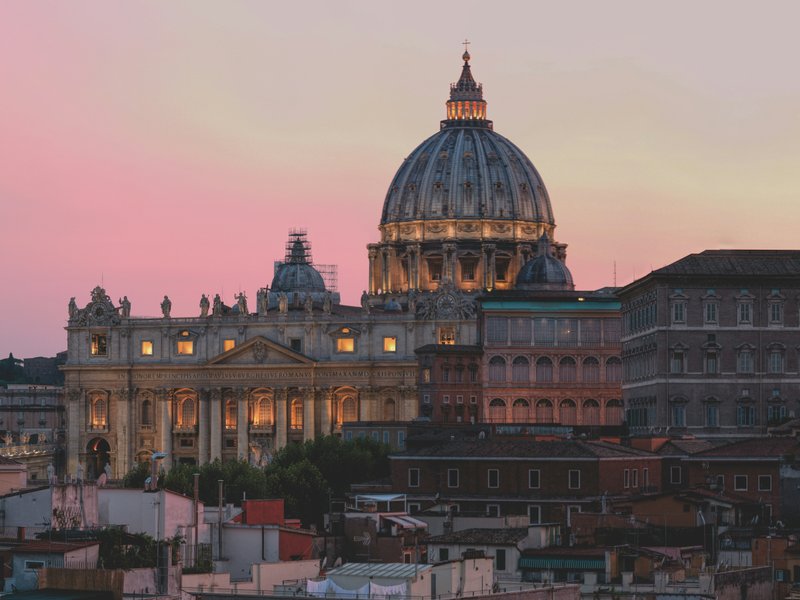
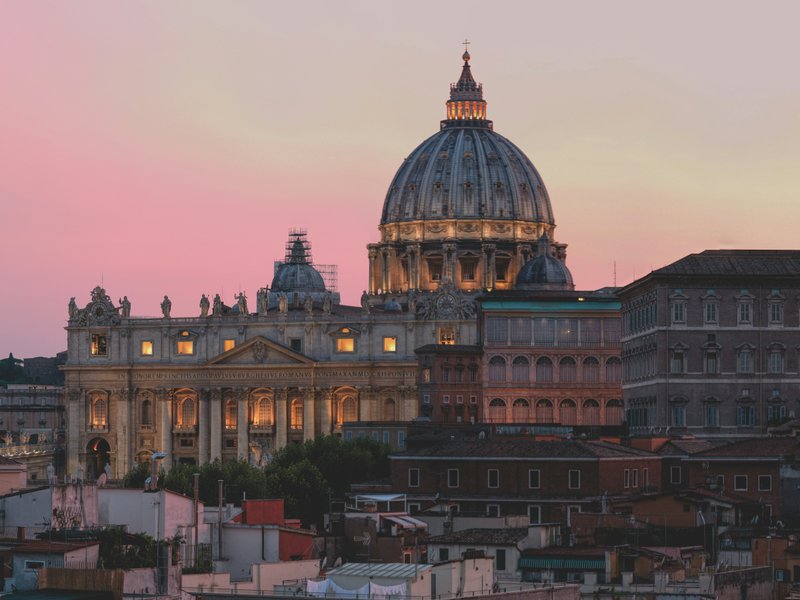
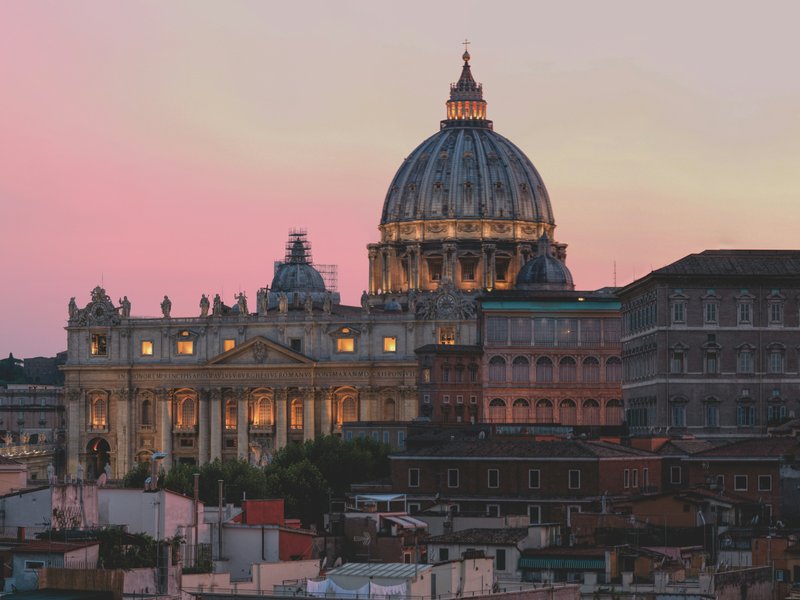
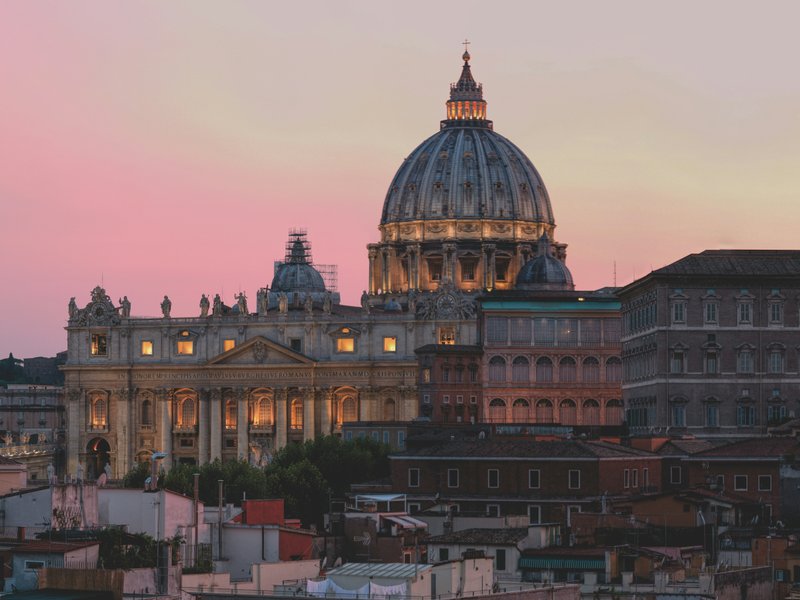
The Eternal City sprawls across its seven hills with a hospitality scene as layered as its archaeology. Trastevere's ochre-washed buildings house intimate guesthouses steps from Santa Maria's mosaics. The Spanish Steps district concentrates grande dame properties where Fellini once held court, while the quieter Aventine and Celio neighborhoods offer residential calm minutes from the Colosseum. Testaccio, the old slaughterhouse quarter, has emerged as the city's most compelling dining district — trattorias and contemporary kitchens crowd its market streets.

Roman hospitality follows its own tempo. Breakfast extends past eleven, aperitivo begins at seven with complimentary stuzzichini, and dinner rarely starts before nine. The finest addresses understand this rhythm, whether a converted monastery near the Pantheon or a modernist tower in EUR. Summer demands rooftop pools and terraces; winter calls for marble fireplaces and proximity to covered galleries. The city's gastronomic tables have multiplied in recent years, though Romans remain fiercely loyal to their neighborhood spots — the kind serving carbonara unchanged since the 1950s.