Michael Caines' Georgian manor unfolds across grounds that slope toward the Exe estuary, its veranda framing water views. The Michelin-starred restaurant draws from an on-site vineyard, while Garden Rooms offer private terraces with hot tubs and fire pits. Families gravitate toward shepherd huts with bunk beds and the casual Pool House restaurant, making this Devon estate equally suited to gastronomes and traveling parents.
Where to Stay
Tudor architecture meets Arts and Crafts interiors at this secluded Dartmoor estate, where 24 bedrooms with marble bathrooms overlook the River Teign and over 100 acres of Devon countryside. Chef Chris Eden's Michelin-starred kitchen draws from the celebrated garden, while outdoors a Peter Allis putting course, tennis court, and croquet lawn complement walks through some of England's wildest landscapes. Ideal for couples and families seeking refined country house hospitality.
Roman and Williams, the celebrated New York design studio, has reimagined this historic Oxfordshire estate with fanatical attention to era-spanning detail across 108 rooms in the manor house, converted stables, and woodland cottages. The Billiards Room ranks among England's most spectacular dining spaces, while a 60-acre grounds unfold into 3,000 acres of parkland, complete with Roman-style baths, outdoor pool, and a capacious spa with steam rooms and saunas.
Twice daily, high tide isolates this 1930s art deco landmark from the Devon mainland, with guests ferried across by sea tractor—a ritual that sets the theatrical tone. Agatha Christie and Noël Coward once retreated here, and their glamour lingers in the restored interiors. Dining splits between the formal Grand Ballroom and the convivial Pilchard Inn, suiting both black-tie evenings and relaxed coastal afternoons.
Across 600 acres of working Devon farmland, Fowlescombe Farm channels agrarian life into refined hospitality. Vegetables, meat, and eggs travel directly from field to kitchen, while guests join bread-making workshops, floristry classes, and guided farm tours between hikes across Dartmoor. Children collect eggs alongside staff and request custom dinners from the chef—a genuine immersion suited to families seeking substance over spectacle.
Perched on a dramatic cliff edge near Salcombe, Gara Rock commands sweeping views across the South Devon coastline from its sun terrace, heated pools, and rustic-chic interiors. The property caters particularly well to families, with thirteen self-catering cottages, interconnecting rooms, and a private cinema screening daily films. Two restaurants, a spa, and nearby sandy beaches complete this coastal retreat.
This restored Art Deco manor house sprawls across Dartmoor National Park with sixty-five rooms in the main building and fourteen private granite lodges equipped with kitchens. The sporting estate features J.F. Abercromby's 1920s golf course alongside a full spa with indoor pool, jacuzzi, and sauna. Families find genuine welcome here: dedicated kids' zones, a playground, and morning sessions with resident chickens and ferrets.
Behind the Georgian façade of this Grade II-listed Exeter townhouse, East India Company heritage meets contemporary boutique sensibility. Original ceiling roses and ornate coving frame just twelve rooms dressed in luxurious fabrics with sumptuous beds. The cocktail bar ranks among the city's most sophisticated, while a private garden offers rare urban tranquility. Adults only, service-focused, and quietly impressive.
A former Devon farm reimagined with striking originality, Anrán preserves exposed stone walls, cattle troughs, and vintage agricultural machinery within sleek contemporary interiors. The property benefits from ownership by two former hotel consultants, evident in meticulous service standards throughout. Four barn conversions accommodate families with pull-out beds and interconnecting doors, while the Manor House offers exclusive-use booking for larger groups seeking private countryside retreats.
Within the grounds of 13th-century Buckland Abbey, Cider House offers an adults-only retreat where rural sophistication meets genuine tranquility. The converted property embraces its Dartmoor setting with understated elegance—think wellies by the door and home-cooked breakfasts sourced entirely from the surrounding countryside. For travelers seeking to disconnect from urban rhythms, this is Devon at its most restorative.
Where to Eat
Beneath the original wooden beams of Boringdon Hall's former minstrels' gallery—a structure recorded in the Domesday Book—Àclèaf delivers one-Michelin-starred cooking with quiet precision. The kitchen draws on international influences, balancing flavours with scholarly care: cured hamachi dressed in subtle yuzu ponzu exemplifies the approach. Intimate and historically resonant, this is refined dining for those who appreciate restraint over spectacle.
Down a winding lane on Dartmoor's edge, an Edwardian mansion houses this one-Michelin-starred dining room where Arts and Crafts interiors frame views of the River Teign. The kitchen draws from a celebrated garden and Devon's larder—lobster, venison—composing classical plates with occasional global accents. Over 100 acres of grounds, including a Peter Allis putting course, reward those who linger overnight.
Chef Michael Caines brings decades of refined technique to this Georgian manor above the Exe Estuary, where his one-Michelin-star kitchen draws deeply from Devon's coastal larder—Sladesdown duck, salt-meadow lamb, estuary seafood—served with sauces of remarkable depth. The estate's own vineyard slopes toward the water, and shepherd huts with firepits offer a wilder counterpoint to the manor's classical elegance.
Overlooking Torquay Harbour, Simon Hulstone's one-starred Elephant channels a refreshingly relaxed approach to fine dining—stone tables, low-backed chairs, and playful elephant motifs setting the tone. The kitchen draws from a dedicated 96-acre farm, allowing hyper-seasonal menus where each accompaniment amplifies rather than competes with the main ingredient. The tasting menu remains the clearest expression of Hulstone's precise, produce-driven vision.
Hugo Guest returned to his childhood home—a Georgian vicarage in the East Devon AONB—and converted its fifteen acres into a working smallholding that now supplies his tasting menu. Pigs raised on the property yield house-cured charcuterie; vegetables travel mere steps from soil to plate. The rustic dining room retains its country-house ease, and dishes arrive with unhurried explanations from the kitchen team themselves.
On a sunny afternoon along the North Devon coast, the front terrace at New Coast Kitchen becomes prime territory for watching Croyde's beach-town rhythm unfold. Inside, sleek modern lines frame cooking that takes real risks—wild bass arrives in rich butter sauce, its richness cut by citrus-marinated fennel. The kitchen's confidence extends to dessert, where confit apple terrine delivers a memorable finish.
A 16th-century salt house provides the atmospheric setting for this proudly run Devon restaurant, where guests choose between the intimate Abbots Den or light-filled Garden Room. The kitchen delivers classically grounded cooking with honest flavours and unfussy presentation—hearty main courses built on solid technique rather than theatrical flourish. Afternoon tea offers a gentler pace, while upstairs bedrooms allow visitors to extend their stay and explore the surrounding coastline.
The self-styled 'Taco Boys' have built Stage on a shoestring and sheer conviction, turning Exeter's Magdalen Road into a destination for adventurous palates. Daily surprise tasting menus draw on foraged finds and kitchen garden harvests, yielding modern plates where bold flavours collide with unexpected textures. The atmosphere runs informal and energetic—a Michelin-recognised address without a trace of stuffiness.
Overlooking the Dart Estuary, this elegant family-run bistro channels both Devon's coastal bounty and Italian tradition through a daily changing menu. The original owner's son now commands the kitchen, sending out spaghetti alle vongole made with the morning's catch and whole fish from the charcoal oven. Cocktails in Joe's Bar set the tone before the main event.
Tucked down a quiet side street in Kingsbridge, this intimate split-level dining room—with its exposed beams and unhurried atmosphere—has become a local favourite. The chef-owner's infectious enthusiasm translates into ambitious cooking anchored firmly in Devon's seasonal produce. Multiple menu formats, from tasting sequences to well-priced fixed options, offer flexibility without compromising the kitchen's creative intent.
Frequently Asked Questions
When is the best time to visit Devon?
+
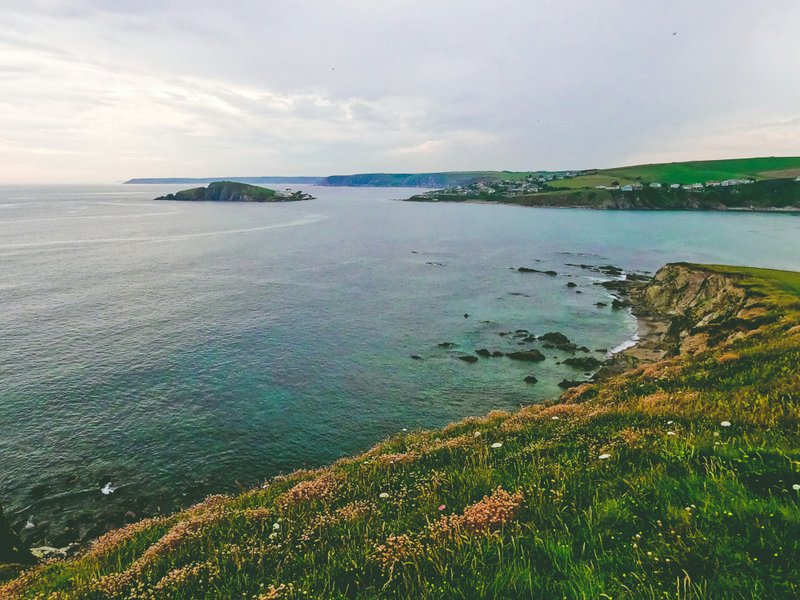
Late spring through early autumn offers the mildest weather, though coastal walks remain appealing year-round. May brings wildflowers to the clifftops, while September sees calmer seas and fewer crowds along the South West Coast Path.
What are the main areas to explore in Devon?
+
The South Hams coastline around Salcombe and Dartmouth appeals to sailing enthusiasts. Dartmoor National Park provides walking and riding across open moorland. Exeter serves as the county's cultural hub, while Exmoor's northern edge offers different terrain with wooded valleys and heather uplands.
How accessible is Devon from London?
+
Direct trains from Paddington reach Exeter in roughly two hours, continuing to Plymouth in three. The M5 motorway connects to the county's eastern edge, though roads narrow considerably heading toward coastal villages and Dartmoor's interior.
England's southwestern peninsula unfolds across two distinct coastlines — the rugged Atlantic cliffs of the north and the gentler Channel shores to the south. Between them lie Dartmoor's granite tors, the Exe estuary's sailing waters, and market towns that have traded wool and tin since medieval times. Exeter's cathedral city atmosphere differs markedly from Torquay's Victorian resort character or Salcombe's yachting harbour.
The county's culinary identity draws from its agricultural heartland and fishing ports. Brixham lands more fish than almost any English harbour; Crediton and Honiton host farmers' markets where local cheeses and cider orchards feature prominently. Dartmouth's waterfront restaurants and Totnes's independent cafés reflect a food culture shaped by both tradition and contemporary British cooking.



