


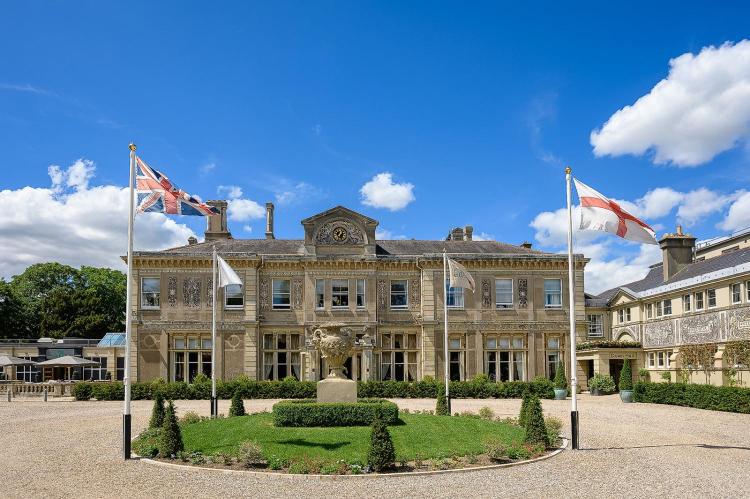
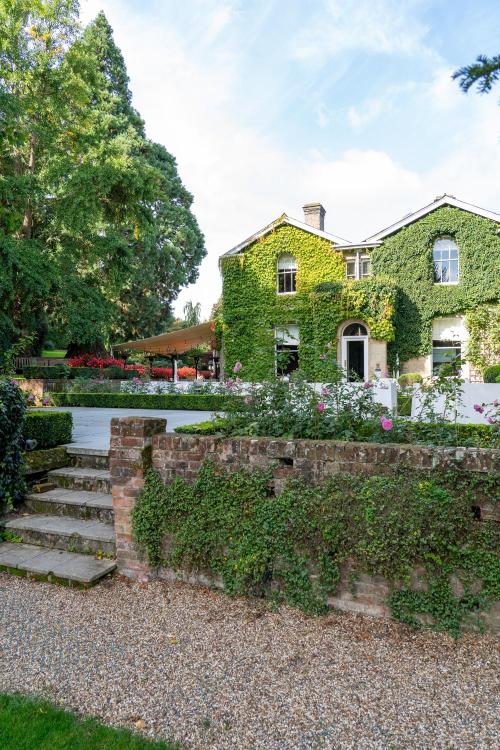
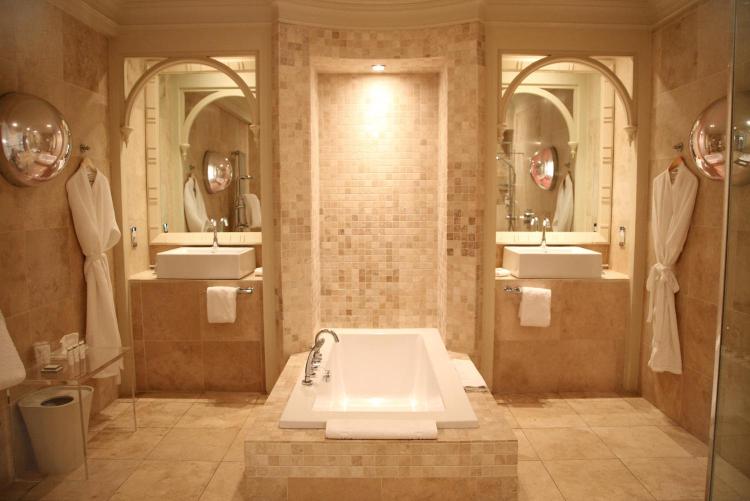
A Palladian fantasy rising from 110 acres of woodland and fountain-studded parkland, Down Hall delivers the period-drama grandeur its façade promises. The hydrotherapy spa and accomplished restaurant reward adult guests, while interconnecting rooms, an adventure playground, and themed children's events—princess teas, Santa brunches—make it equally compelling for families. Stansted lies just twenty minutes away, though the estate feels deliciously remote.
Essex Coast Travel Guide: Best Hotels, Restaurants & Experiences 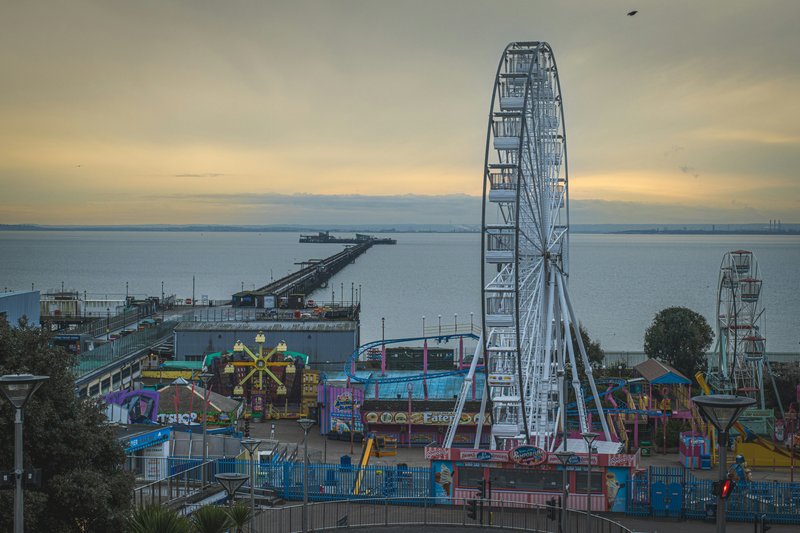

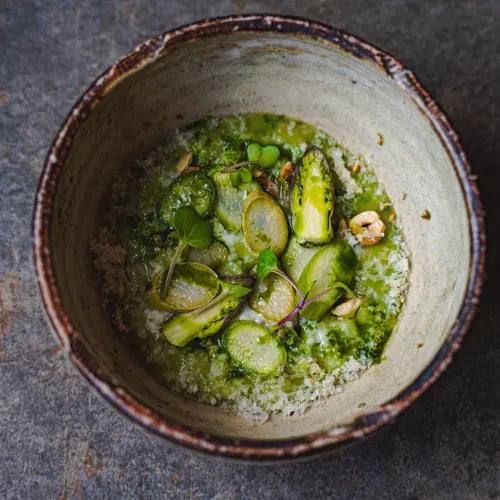
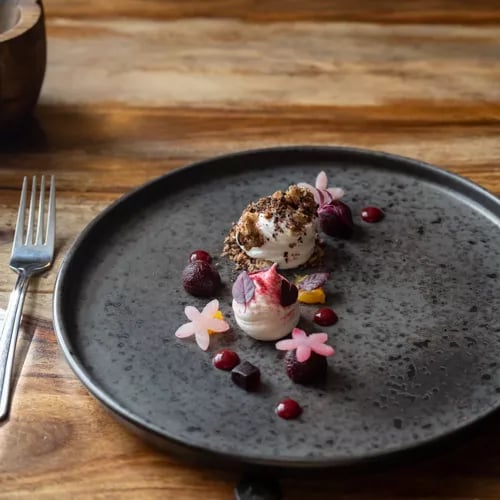
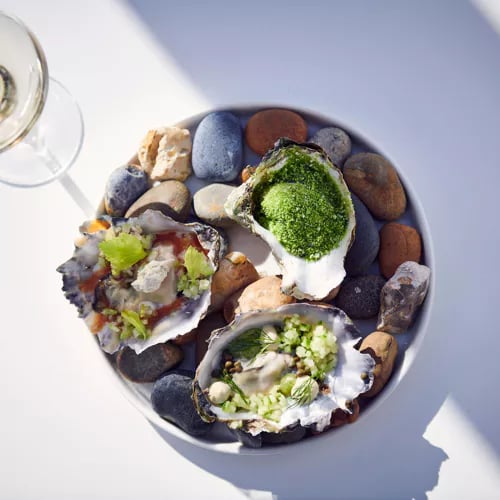
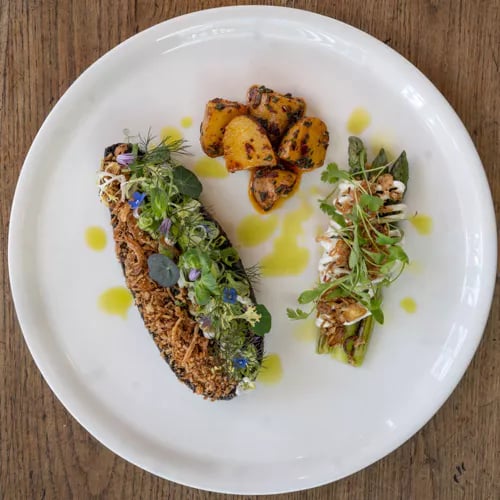
Explore Essex
Hotels (3)
Restaurants (4)
Where to Stay

A 17th-century manor house in rural Essex, Greenwoods pairs period architecture—wood-panelled lounges, crackling fireplaces—with a contemporary glamour makeover. The adults-only spa provides a focused retreat for couples seeking restoration, while the fine dining offering anchors weekend escapes. London lies just an hour away, making this a practical bolt-hole for city dwellers craving countryside calm.

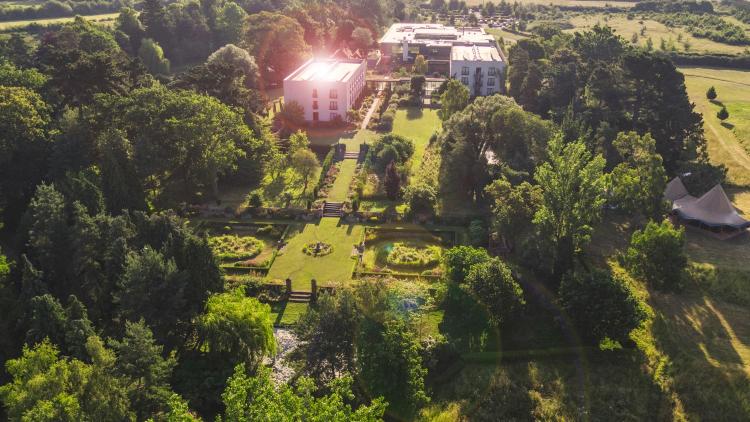
Twelve acres of English Heritage gardens — lakes, wildflowers, manicured lawns — surround this Scandinavian-inflected spa retreat minutes from the Essex coastline. The hydrotherapy pool anchors a comprehensive wellness program, while the restaurant channels seasonal Italian cooking. An adults-only policy ensures unbroken tranquility, making Lifehouse particularly suited to couples seeking a restorative coastal escape without distractions.

Constable Country provides the backdrop for this contemporary country house hotel, where a relaxed atmosphere and attentive service define the experience. The bar and patio areas encourage leisurely afternoons, while dog-friendly ground-floor rooms welcome four-legged companions. Families find an accommodating spirit here, with children's menus and flexible bedding arrangements in larger rooms—an informal retreat suited to multi-generational getaways.

Contemporary design injects fresh energy into Southend's seafront at this boutique property on Clifton Terrace, a short stroll from the world's longest pleasure pier. The on-site restaurant Aurum delivers accomplished cooking that justifies a visit in its own right, while families benefit from larger Comfy category rooms that accommodate extra beds and a thoughtful children's menu.
Where to Eat

★ Michelin
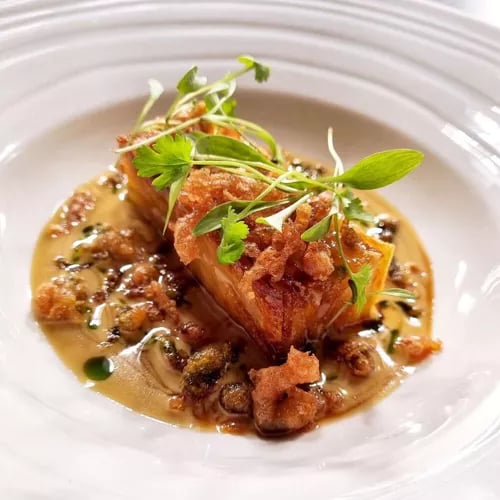
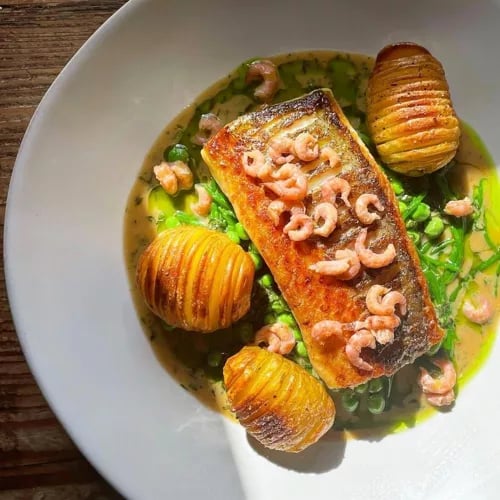
On Mersea Island, where the tidal causeway dictates the rhythm of arrival, chef Ben Crittenden runs his one-Michelin-star kitchen single-handedly. The six-course menu showcases exceptional produce—shh'annu lamb, prime cod—through precise, refined combinations that amplify rather than mask inherent flavours. Thoughtfully constructed wine pairings complement the intimate, family-run atmosphere. Check the tide tables before booking; The Strood floods regularly.

Michelin Selected
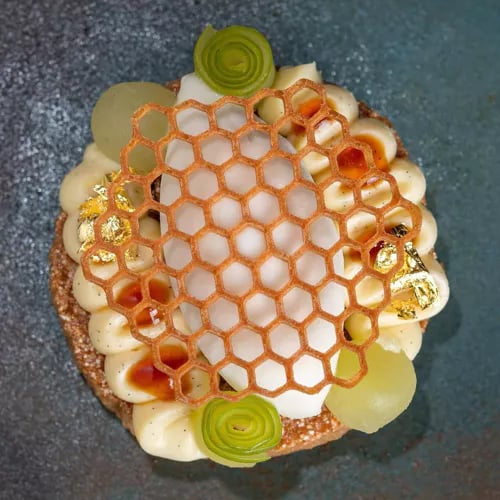
A Grade II listed former barn conceals this contemporary dining room, where seasonal British ingredients anchor surprise tasting menus of striking visual precision. The open kitchen arrangement lets diners observe each meticulously composed plate taking shape, while the contrast between historic stone walls and sleek modern interiors creates an atmosphere suited to celebratory evenings and unhurried gastronomic exploration.

Michelin Selected
Perched on the riverbank in Dedham Vale—Constable's painterly countryside—Talbooth delivers Mediterranean cooking rooted in classical technique yet inflected with contemporary restraint. The rustic-chic dining room positions most tables toward the water, an unhurried backdrop for dishes that earned a Michelin Plate distinction. This is a destination for leisurely lunches where the Essex landscape becomes part of the meal.

Michelin Selected
Along a bustling stretch of Leigh Road, this narrow, rustic dining room delivers creative plates built around ingredient provenance and wellbeing. The format shifts with the clock: tasting menus by evening, a menu du jour at midday, traditional roasts on Sunday. Vegan options run throughout, and the intimate setting—warm service, close-set tables—suits diners seeking substance over spectacle in this endearing seaside town.

Michelin Selected
Chef-owner Tom Clarke brought his considerable experience back to Essex, transforming this village inn into a destination for hearty yet refined British cooking. The characterful interior retains its local pub atmosphere—Nancy's warm welcome sets the tone—while the kitchen delivers classical combinations built on quality produce. The dark chocolate crémeux exemplifies the polished technique running through every course.

Michelin Selected
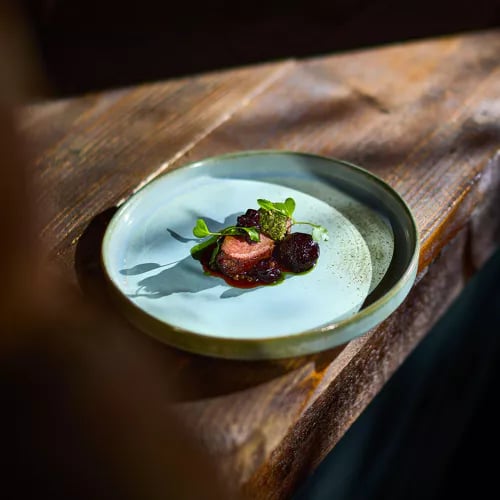
On England's easternmost island, this revived West Mersea landmark delivers modern British cooking with assertive flavours—roast pigeon paired with a blackberry and black pudding sauce demonstrates the kitchen's confident, creative hand. The light-filled dining room nods to its coastal setting with maritime murals and bright blue chairs, while a sunny courtyard terrace rewards fair-weather visits. Six stylish bedrooms and a children's menu make it equally suited to families lingering overnight.

Bib Gourmand
A 14th-century Essex pub bearing the Galvin name and a Michelin Bib Gourmand, this riverside address pairs original timber-framed character with a contemporary barn extension. The kitchen moves fluidly between British classics and Mediterranean-accented plates, delivering generous flavours at accessible prices. A charming garden along the water makes it particularly suited to long weekend lunches.

Bib Gourmand
Four former cottages house this Bib Gourmand pub where wooden beams, antique furniture, and an inglenook fireplace create genuine rustic warmth. The kitchen navigates confidently between comfort and creativity—expect pub classics alongside dishes where strong, complementary flavours take centre stage, culminating in a lemon posset with pistachio cream and bergamot gel. Summer demands the terrace.

Michelin Selected
An 18th-century building on a narrow Colchester lane houses this Michelin Plate Modern British restaurant, where the kitchen delivers colourful plates ranging from bruschetta to quesadillas alongside proper Sunday roasts. Downstairs, a cocktail bar sets a convivial tone, while Wednesday's half-price corkage on personal bottles draws local regulars. The atmosphere runs warm and unhurried, matching the attentive service.

Michelin Selected
A red-brick former pub on Kelvedon Road houses this long-established Essex dining room, where an experienced chef coaxes bold, layered flavours from carefully sourced ingredients. The fixed-price lunch represents genuine value, while the à la carte reveals a kitchen confident in its combinations. Beyond the dining room, regular cookery classes for children speak to a genuine community spirit.
Frequently Asked Questions
What is the best time of year to visit the Essex Coast?
+
Late spring through early autumn offers the warmest weather for coastal walks and sailing, though winter brings dramatic skies and excellent birdwatching across the marshes. The oyster season runs from September to April, making autumn an ideal time for food-focused visits.
How do I reach the Essex Coast from London?
+
Direct trains from Liverpool Street reach Colchester in under an hour, with branch lines serving smaller coastal towns. Having a car opens up the more remote stretches of coastline, particularly the Dengie Peninsula and the villages around the Blackwater Estuary.
What makes Mersea Island worth visiting?
+
Britain's most easterly inhabited island is connected to the mainland by an ancient causeway that floods at high tide. The island is famous for its native oysters, harvested here since Roman times, and its weathered beach huts lining the shingle at West Mersea.




Essex
The Essex coastline unfolds across 350 miles of saltmarsh, shingle beaches, and tidal estuaries that feel remarkably remote despite London sitting barely an hour away. From the weatherboarded Georgian streets of Burnham-on-Crouch — still a working sailing town — to the wild, bird-haunted expanses of the Dengie Peninsula, this is a landscape that rewards those who arrive without expectations and leave with salt on their lips.
The dining scene draws heavily on the water. Mersea Island supplies oysters to much of Britain, and local restaurants serve them with little more than lemon and Tabasco. Colchester, England's oldest recorded town, anchors the cultural side of any visit — Roman walls, a Norman castle, and an arts quarter that has quietly accumulated serious galleries. The pace here is deliberate. Pubs close early, tides dictate schedules, and the best meals often happen in converted boat sheds with mismatched furniture and views across the mudflats.