Victorian-inspired architecture rises from the North York Moors at this 72-room estate, where salt-tinged breezes drift inland from the nearby coast. The Sanctuary spa centers the wellness offering with its indoor pool, cryo chamber, sauna, and jacuzzi, while the restaurant channels the surrounding landscape through seasonal menus. Gardens welcome four-legged companions, and golf lies within easy reach.
Where to Stay
Eccentric and unapologetically theatrical, Crab Manor channels a maximalist aesthetic across individually themed rooms that range from exotic to whimsical. The on-site seafood restaurant draws serious attention, its reputation matching the property's visual bravado. This is a celebration hotel—anniversaries, birthdays, occasions that deserve a backdrop of playful extravagance rather than restrained elegance. Not for minimalists; perfect for those craving personality.
A Victorian villa perched on Filey's clifftops has been reimagined as a light-filled coastal retreat, its period bones now dressed in crisp contemporary interiors. Sea views sweep across the horizon from bright, airy rooms, while the terrace bar draws guests for sundowners above the waves. A two-bedroom suite and flexible family accommodations make this a sound choice for multi-generational escapes to Yorkshire's quieter shores.
Where to Eat
Tommy Banks' Michelin-starred restaurant occupies a characterful country pub on the family farm, where exposed beams and flagged floors frame cooking of remarkable depth. Chefs and gardeners work as one, employing preservation techniques that extend each season's harvest. The signature Herdwick lamb arrives in two distinct preparations, while antique-furnished rooms and a truffle-topped breakfast omelette reward those who linger.
A former village pub stripped to its bones—flagstone floors, whitewashed beams, bare stone walls—mýse earned its Michelin star within seven months of opening. The tasting menu honors Yorkshire tradition through refined technique, culminating in a showstopping Thirkelby duck glazed with house-made walnut wine and served in three acts. The thoughtful non-alcoholic pairing proves equally compelling, matching each course with precision.
Charred beams and Robert 'Mouseman' Thompson furniture set the scene inside this fourteenth-century thatched inn, where Head Chef Steve Smith applies classical technique with modern inflection to intensely regional ingredients. Whitby fish, moorland game, and kitchen-garden vegetables compose rich, gutsy plates that have earned a Michelin star. The terrace offers a gentle prelude to dinner; overnight stays extend the occasion into morning.
Overlooking the atmospheric ruins of Byland Abbey, this country pub from Yorkshire chef Tommy Banks delivers creative British cooking with produce drawn from the family farm. The legendary Byland Burger has achieved near-mythic status among regulars, while seasonal dishes reflect the terroir with quiet confidence. Flagstone floors, crackling fires, and colourful throws create the kind of warmth that lingers long after the last course.
Tommy Banks lends his Michelin-starred expertise to this elegant brasserie within the Saltmoore resort, where green walls and marble café tables set a refined yet relaxed tone. The kitchen takes a classic British approach, showcasing prime cuts from the grill alongside coastal treasures like pristine Whitby crab in a simple tartlet. Local character surfaces in details—heather honey from the surrounding moors sweetening a carefully set crème brûlée.
A stone-built former farmhouse on the North York Moors provides the rustic stage for Peter Neville's produce-driven cooking. The kitchen garden yields herbs and vegetables, while Moorland roe deer and Whitby crab arrive from nearby suppliers. Dishes are hearty and direct, with sauces that demonstrate particular finesse. A Michelin Green Star recognizes the team's commitment to sustainable sourcing throughout.
A village duck pond glimmers beyond the terrace at this country house restaurant in Harome, where classical and contemporary design set a refined yet unhurried mood. The kitchen delivers Modern British cooking rooted in solid technique—seasonal ingredients treated with care, flavours built on traditional foundations. All-day service accommodates everything from breakfast through afternoon tea to Sunday roast, making it a flexible choice for unhurried exploration of the moors.
A sixteenth-century inn positioned between the Howardian Hills and North York Moors, The Plough retains its original beamed ceilings and working fireplace. Chef Richard Johns delivers robust Modern British cooking—generous pork chops executed with precision, hearty preparations rooted in classical technique. The summer beer garden offers an alternative to the characterful interior, while Lindsey Johns ensures every table receives genuine, unhurried attention.
Chef Thomas Carr runs this intimate Scarborough dining room with co-owner Ewelina Jamróz, who orchestrates the warm, neighbourhood-style service. The set menu shifts daily according to the catch, showcasing prime seafood through polished technique—impeccably fresh local crab arrives with a textbook bisque, while a playful riff on fish and chips demonstrates the kitchen's balance of precision and wit.
Frequently Asked Questions
Which villages make the best base for exploring the North York Moors?
+
Helmsley offers the most complete package — a handsome market square, ruined castle, walled garden, and excellent dining within walking distance. Pickering provides good rail connections via the North Yorkshire Moors Railway. For coastal access, Whitby combines fishing heritage with practical amenities, while smaller options like Goathland or Lastingham suit those seeking quiet immersion in the landscape.
What is the best time of year to visit the North York Moors?
+
Late August brings the heather into bloom, painting the moors purple from horizon to horizon — this remains the signature experience. Spring delivers lambing season and wild daffodils in the dales. Autumn sees the shooting season begin and bracken turn copper. Winter offers stark beauty and crackling fires, though some properties close seasonally and moorland roads can become impassable.
How do dining options compare between the coast and inland villages?
+
Whitby dominates for seafood — its smokehouses produce exceptional kippers, and harbour-side chippies fry the morning catch. Inland, the focus shifts to game, lamb, and produce from estate farms. Helmsley has emerged as a culinary centre with several notable kitchens. Village pubs throughout serve honest Yorkshire fare, and farm shops stock local cheeses, cured meats, and baked goods worth seeking out.
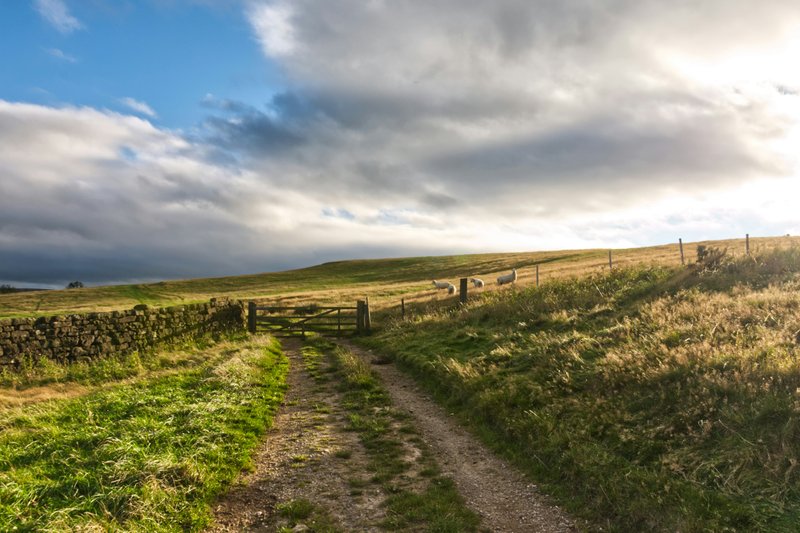
England's largest expanse of heather moorland stretches from the Vale of Pickering to the Cleveland Hills, a landscape of deep dales, ancient woodland, and villages built from honey-coloured stone. Market towns like Helmsley and Pickering anchor the western reaches, their cobbled squares home to independent shops and centuries-old pubs. The coast brings a different character entirely — Whitby's harbour, with its swing bridge and jet workshops, Robin Hood's Bay's tumbling fishermen's cottages, and Staithes where Captain Cook first encountered the sea.
The accommodation scene reflects this duality. Estate properties occupy former abbeys and Georgian manors, their grounds rolling into parkland grazed by sheep. Smaller establishments trade in flagstone floors, log fires, and views across the heather. Dining has evolved considerably — chefs work with Whitby crab, Ryedale lamb, and game from the moors themselves. The villages retain proper locals where farmers still prop up the bar, and tea rooms serve fat rascals and parkin alongside loose-leaf brews.