


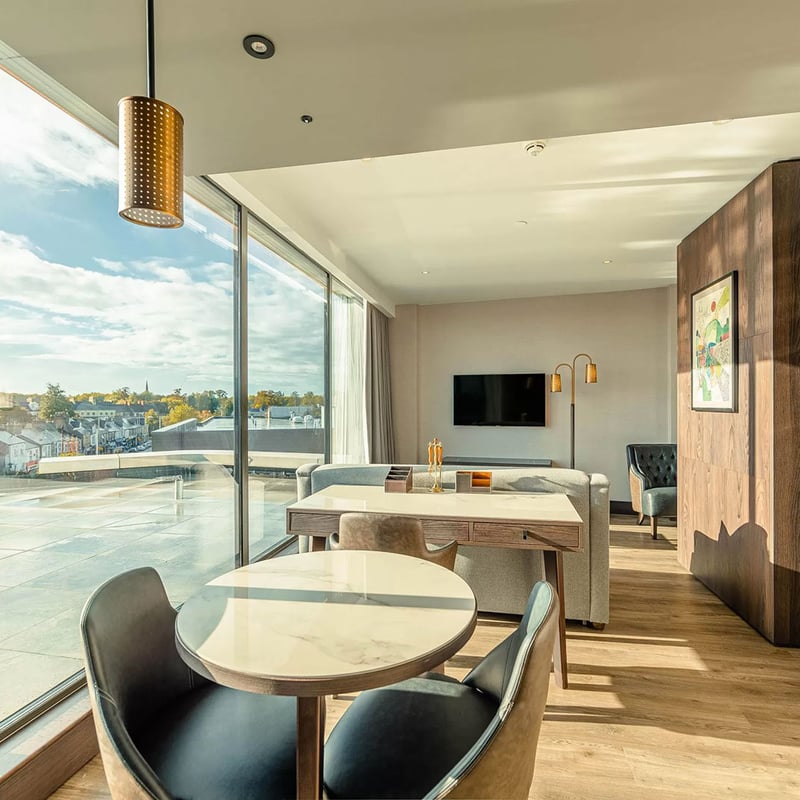
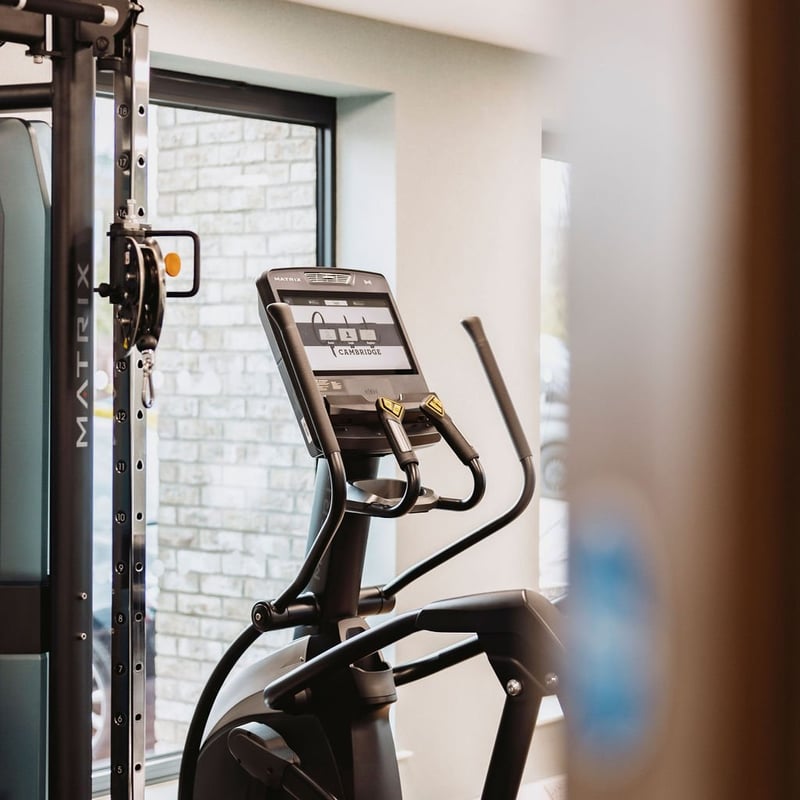
Behind an unassuming Milton Road façade, this aparthotel surprises with boutique-caliber interiors steeped in university lore—rooms bear names like Turing and Kipling, while scholarly art lines the corridors. Most accommodations include full kitchens, appealing to extended stays and families alike. An indoor pool with sauna offers respite, and three venues—Folio Kitchen, Folio Bar, and The Sage café—provide dining without leaving the premises.
Cambridge Travel Guide: Best Hotels, Restaurants & Experiences 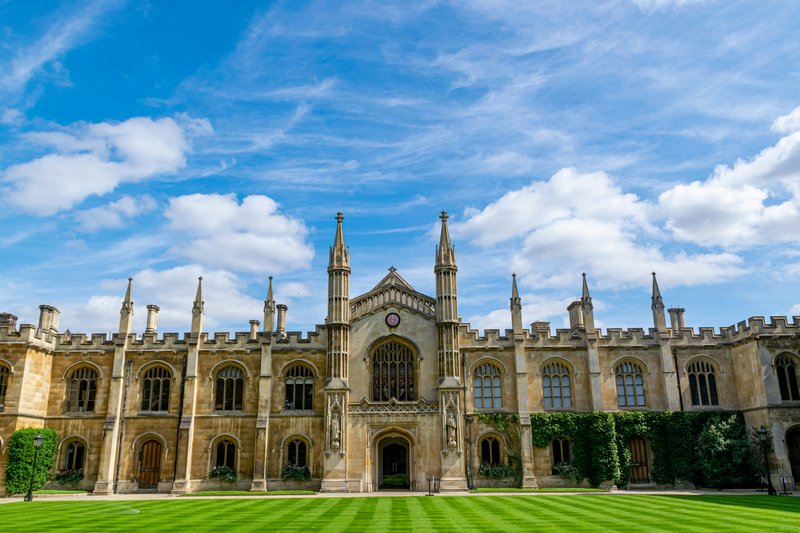
Explore Cambridge
Hotels (1)
Restaurants (3)
Where to Stay

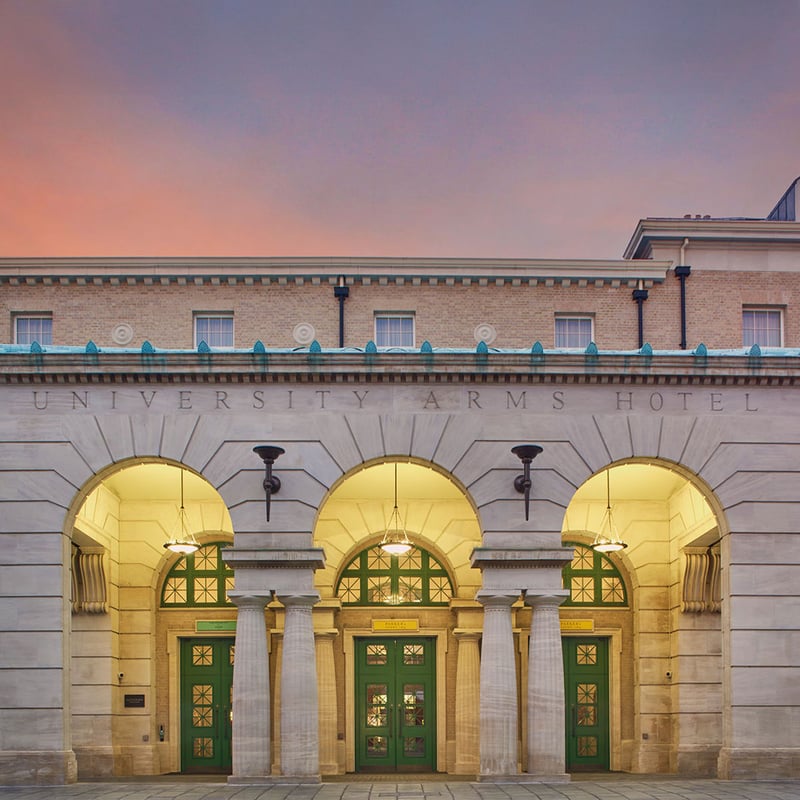
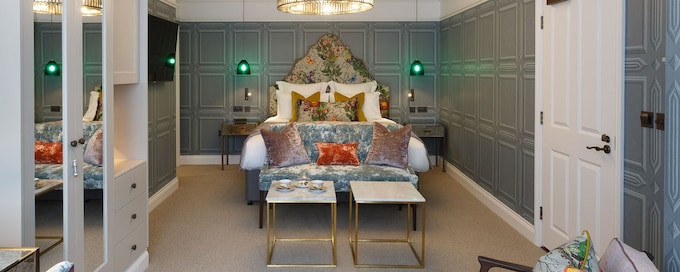
Cambridge's oldest hotel, a former coaching inn from 1834, received a masterful renovation by architect John Simpson and designer Martin Brudnizki that preserved its classical porte-cochère while introducing understated contemporary bedrooms with white marble bathrooms. The lobby makes an immediate impression, while fanciful art and eccentric English touches add playful glamour throughout. Request a balcony room overlooking Parker's Piece for the quintessential Cambridge stay.

Perched at Cambridge's edge with sweeping views across Parker's Piece, The Gonville Hotel pairs city-centre immediacy with a genteel retreat atmosphere. The glass-walled Gonville Kitchen serves an unexpected Peruvian-Italian menu, while a secluded rear garden offers quiet respite. Interconnecting rooms accommodate families; dogs are welcomed warmly. Recently renovated throughout, the property suits couples and small groups seeking refined comfort without corporate sterility.

A riverfront address on Mill Lane places this 148-room property within walking distance of the colleges and the Fitzwilliam Museum. The lobby doubles as a gallery of sorts—vintage punting boats mounted on walls, heraldic crests flanking reception—while guest rooms layer saturated prints over traditional Cambridge references. The brand's first UK outpost suits visitors seeking design-conscious accommodation with direct access to the Backs.
Where to Eat

★★ Michelin
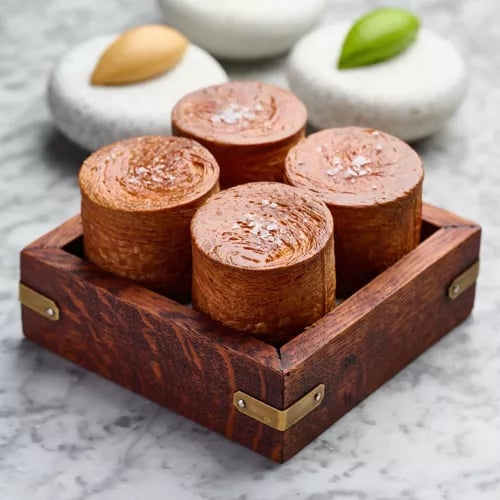
A Victorian house overlooking Midsummer Common provides the stage for two decades of culinary ambition. The kitchen here refuses complacency, delivering plates dense with personality—luxury ingredients handled with precision, textures layered thoughtfully, flavours calibrated rather than crowded. Desserts steal focus, particularly a coconut parfait encased in a Nyangbo chocolate shell shaped like the fruit itself. Boundary-pushing gastronomy for those who appreciate invention.

★ Michelin
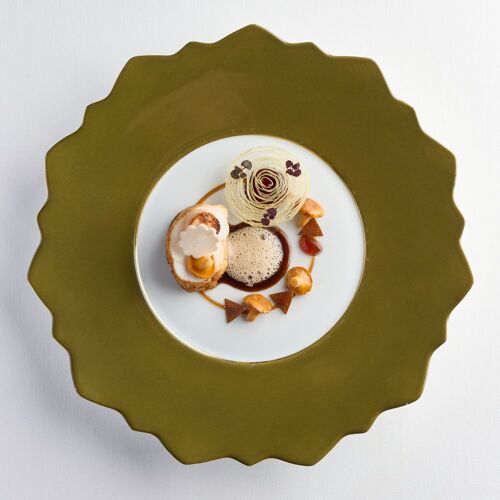
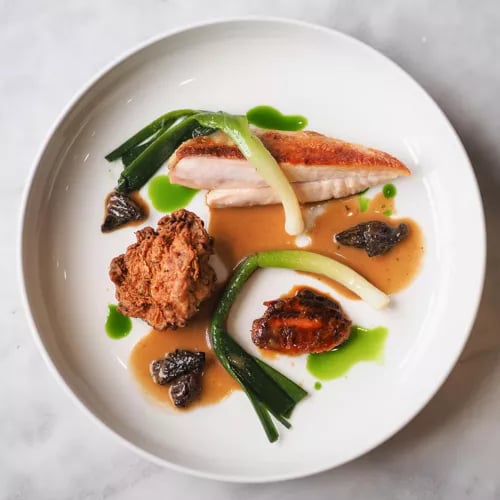
A Victorian townhouse on Chesterton Road provides the intimate setting for chef Sam Carter's precise, technically accomplished Modern British cooking, recognized with a Michelin star. Dishes arrive with exceptional poise—roasted quail dressed in buttery vin jaune sauce demonstrates the kitchen's refined hand. The enthusiastic service team walks guests through each composition, maintaining a bright, relaxed atmosphere that suits both celebration and quiet indulgence.

Michelin Selected
Chef Mark Poynton has transformed a 16th-century village pub in Fen Ditton into an intimate dining room where creative cooking meets rustic charm. The kitchen offers three set menus of varying lengths, with dishes that excel through restraint—allowing exceptional produce to speak clearly. Modern bedrooms upstairs turn dinner into a proper occasion for those making the short journey from Cambridge.

Michelin Selected
Sister establishment to Restaurant Twenty-Two, Margaret's occupies an adjacent space dressed in soothing neutral tones that foster quiet concentration on the plate. The meal opens with exceptional breads—focaccia with real structure, a whipped butter bean dip of uncommon creaminess—before seasonal dishes arrive, each constructed to amplify natural flavours rather than mask them. Service strikes a careful balance between warmth and expertise.

Michelin Selected
Steps from Trinity College, this brightly decorated townhouse channels northern Spain through open-flame cooking visible from the ground floor. The menu draws heavily from Galicia and the Basque Country, showcasing impeccably sourced ingredients—the wonderfully marbled presa Ibérica deserves particular attention. Upstairs offers a quieter retreat from the buzzy main room. The traditional tarta de Santiago provides an essential finish.

Michelin Selected
A whitewashed country pub with Tudor bones, the Plough at Bolnhurst offers three distinct settings—rustic bar, contemporary dining room, or garden terrace. The kitchen draws on both British and Mediterranean traditions, with clever menu design: 'The Furrow' presents refined plates while 'The Seam' repurposes offcuts into equally compelling dishes. An exceptional cheese selection rounds out the experience.

Michelin Selected
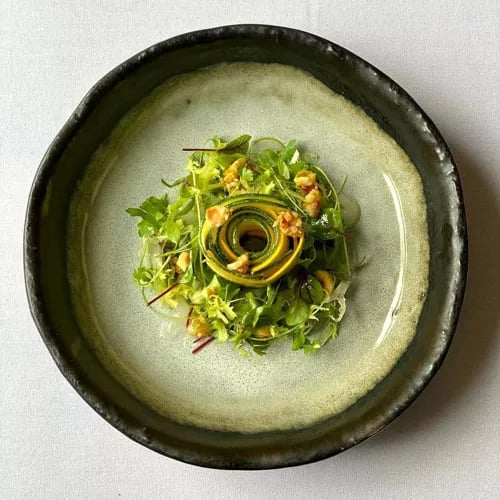
Vanderlyle's open kitchen anchors a dining room where shabby chic meets refined comfort, setting the stage for an ambitious vegetarian tasting menu. Seasonal produce drives dishes like roasted wild mushrooms paired with Roscoff onion and rich Bordelaise sauce—classic French technique applied to plant-based cooking. Thoughtful wine and juice pairings accompany each course, delivered by an attentive team. Reservations are essential.

Michelin Selected
Mill Road's independent spirit finds a worthy culinary anchor in this welcoming French restaurant. The kitchen delivers generous, precisely executed dishes rooted in classical technique—a twice-baked cheddar soufflé arrives golden and trembling, while the pear tarte Tatin provides a caramelized finale. Vegetarian options receive equal care and creativity. The atmosphere suits unhurried dinners among Cambridge's creative crowd.
Frequently Asked Questions
Which Cambridge neighbourhoods offer the best hotel locations?
+
The historic centre around King's Parade and Trumpington Street places you steps from the colleges and main shopping streets. The area near Jesus Green offers quieter riverside settings, while hotels near the Botanic Garden provide easy access to the station and south-facing gardens.
What is the dining scene like near Cambridge's colleges?
+
The streets surrounding the colleges host a mix of traditional British restaurants, wine bars, and contemporary European kitchens. Many establishments occupy historic buildings with beamed ceilings and courtyard gardens. For international variety, Mill Road east of Parker's Piece offers exceptional range within walking distance.
When is the best time to visit Cambridge?
+
Late spring brings wisteria cascading over college walls and ideal punting weather. The May Bumps rowing races enliven the river in June. Autumn term sees the city at its most atmospheric, with students cycling through morning mist and college chapels lit for evensong.



Cambridge
Eight centuries of academic tradition have shaped a city where medieval college courts open onto manicured lawns and the River Cam winds past willow-draped banks. The historic centre clusters around King's Parade and Trinity Street, where Gothic spires rise above independent bookshops and traditional pubs. Beyond the colleges, the Kite district offers Victorian terraces turned boutique guesthouses, while the station quarter has seen contemporary hotel development in recent years.
Dining here reflects both town and gown sensibilities. College fellows and visiting academics fill oak-panelled dining rooms, while Mill Road's multicultural stretch serves everything from Ethiopian injera to Sichuanese hotpot. The market square hosts traders six days a week, and the riverside pubs along Quayside draw crowds for afternoon pints. Punting remains the quintessential local ritual — champagne hampers optional but encouraged.