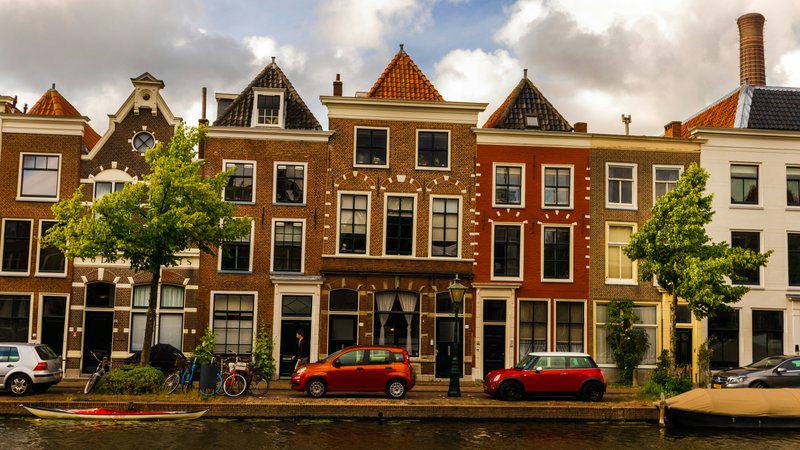
Since 1896, this neo-Renaissance landmark on the Amstel has preserved its crystal chandeliers and Belle Époque grandeur while evolving through creative collaborations. The 't Huys wing hosts artist-designed suites alongside Mendo bookshop and Skins Spa, while the Heineken family's art collection adorns the lobby. Chef Bas van Kranen earned Amsterdam's sole Michelin green star at Flore for his conscious gastronomy, and the 4,300-square-foot spa offers canal-view pool and Finnish sauna.
Explore Amsterdam
Where to Stay
Behind the brick facade of a 1908 university building beside Oosterpark, soaring ceilings and herringbone floors frame a collection of spaces: chef Floris van Straalen's VanOost delivers Indonesian-influenced langoustine and Anjou pigeon Rossini with foie gras and black truffles, while the Champagne Rooftop Terrace pours bubbles alongside oysters and caviar. Fitz's Bar revives 1920s cocktails in a dim, wood-paneled setting, and gardens planted with the city zoo shelter meadow birds.
This 16-room hideaway occupies the upper floors of a 1916 building on Dam Square, sharing its address with an exclusive private club. Neo-Baroque interiors layer Nepalese carpets, Italian curtains, and French wallpaper beneath contemporary art. Each guest is assigned a personal butler. Michelin-starred Bougainville anchors the culinary program, while the cocktail bar draws Amsterdam's social set after dark.
The 17th-century Palace of Justice on Prinsengracht now houses 134 rooms and suites designed by Piet Boon, with over 1,000 original artworks lining its interiors. Flagship restaurant Eeuwen anchors the culinary program, alongside the Indian-accented Advocatuur and a courtyard lounge. The spa delivers hammam, jacuzzi, and sauna treatments, while top-tier Houses add butler service for extended-stay residents seeking a residential canal-side footprint.
Amsterdam's oldest hotel occupies a 300-year-old building on the Kloveniersburgwal canal, where compact, light-filled rooms balance historic charm with modern polish. The Rembrandt Suite holds particular significance: it sits precisely where the Night Watch hung before its move to the Amsterdam Museum. A marble staircase and lavish Dutch breakfast—bagels with salmon, house-baked pastries—nod to centuries of hospitality, while the central location keeps the city's museums and canals within easy reach.
This former 17th-century admiralty building and city hall—originally a convent from 1400—balances historic gravitas with contemporary interiors: Jugendstil windows, Art Deco bathrooms, and 178 spacious rooms, 30 with dedicated butler service. The two-floor spa features an indoor pool, sauna, and hammam; Bridges restaurant specializes in Dutch organic seafood with French inflections, earning acclaim as one of Amsterdam's finest fish destinations.
Six interconnected 17th-century canal mansions on the UNESCO-listed Herengracht form this palatial hotel, where Daniel Marot's entrance staircase recalls his work for Louis XIV. Guests select bespoke Cire Trudon room fragrances, dine at two-Michelin-starred Spectrum overlooking Amsterdam's largest private garden, and sip cocktails in the Vault Bar—a speakeasy hidden inside the former MeesPierson bank's original safe deposit vaults. The Guerlain spa offers a signature massage blending warm oil with ice bubbles.
For a century and a half, this riverside landmark has hosted royalty and rock stars beneath its iconic façade on the Amstel. Waterside terraces frame the hotel's acclaimed restaurant, La Rive, where executive chef Rogér Rassin serves haute cuisine with approachable elegance. Guests can explore the canals aboard vintage 1920s electric skiffs restored for private tours with champagne service, then unwind in a heated pool overlooking the water.
A former bank turned five-story granite landmark on Herengracht, Banks Mansion wraps guests in art deco warmth—dark wood, stained glass, and canal views from its 51 rooms. The all-inclusive model proves genuinely generous: bottomless decanters of whiskey, cognac, and gin wait in each room, while the Living Room offers an open bar and nightly Dutch cheese spreads. Ideal for independent couples seeking old-world atmosphere without formality.
A 23-storey tower in De Pijp bringing Tokyo-caliber refinement to Amsterdam, complete with minimalist public spaces and five restaurants. Yamazato earned the first Michelin star for traditional Japanese cuisine outside Japan, while Ciel Bleu's two-star modern Dutch cooking commands the top floor. The Nagomi spa features the city's largest hotel pool at 18 meters, and Sazanka serves teppanyaki with kimono-clad staff.
Where to Eat
Perched on the Okura Hotel's top floor, Ciel Bleu delivers two-Michelin-starred Japanese cuisine through a French lens. Chef Arjan Speelman layers Asian seasonings into technically precise dishes—his marinated bluefin tuna tartare with yuzu, horseradish cream, and caviar remains a signature—while maître d' Francesco Simonelli orchestrates one of the Netherlands' finest dining rooms. Spectacular skyline views and an extensive wine program complete the experience.
Chef Bas van Kranen's two-Michelin-starred restaurant delivers conscious fine dining rooted in biodynamic sourcing and a dairy-free, nature-first philosophy. The Japanese-inflected cooking is clean and minimalist: dry-aged brook trout arrives grilled with barbecued leeks, smoked roe and a bone-stock sauce sharpened with parsley, while a plant-based tasting menu weaves twenty-five vegetables, herbs and fruits into a single, exuberant composition of spicy, floral and bitter notes. Diners begin in the kitchen before settling into the intimate, nature-inspired dining room.
Richard van Oostenbrugge and Thomas Groot's two-Michelin-starred table occupies a historic canal house where an open kitchen stages their technical virtuosity. The duo balances inventive transformations with classical technique—their sauces are particularly accomplished—as in a signature dish of crispy Jerusalem artichokes filled with Belper Knolle, North Sea grey shrimp, and garlic vinaigrette. A Dutch cheese board and curated wine list complete the intimate, meticulously orchestrated experience.
Sidney Schutte's two-Michelin-starred restaurant occupies a canalside mansion within the Waldorf Astoria, its dining room overlooking a rare inner garden. The chef—trained at De Librije and Amber, now running acclaimed kitchens across three continents—builds technically intricate dishes around contrast and cosmopolitan flair. Langoustine arrives with chipotle, kaffir lime and cacao; skate is dusted with strawberry powder and paired with oyster, artichoke and tomato-jalapeño jus. A dedicated vegetarian menu mirrors the same inventive rigour.
Jurgen van der Zalm commands the kitchen of this two-Michelin-starred address occupying an 18th-century almshouse bakery, where original wood and stone anchor a refined contemporary dining room. His signature glazed turbot with artichoke textures, mustard seeds, and potato millefeuille demonstrates the master saucier's gift for bold innovation within classical technique—the smoked lime sauce, built on a robust fish fumet, exemplifies his layered, precise approach to premium ingredients and complex flavor construction.
Luc Kusters, a pioneer of Dutch Cuisine, commands this Rembrandtpark restaurant where micro-seasonal produce grows in view of the dining room. His Green Star kitchen honors local terroir through two menus: Pure Plant and Dutch Menu, the latter featuring Kamper lamb and North Sea pike-perch. Barbecued halibut—translucent within, crisp-crusted—arrives with charred pointed cabbage jus, beef broth, and kelp, exemplifying his technique of coaxing depth from vegetables and Dutch soil.
Chef Tim Golsteijn's one-Michelin-starred table inside Hotel TwentySeven commands a striking view of Dam Square, pairing historic architecture with luxurious bronze-toned interiors. His modern cuisine fuses East and West with technical precision—Thai green curry and za'atar balanced against delicate French notes—while signature turbot arrives basted in cauliflower béchamel, layered with black garlic cream and morel-stuffed Jerusalem artichoke. An exceptional cellar amplifies each course in this intimate, romantic setting.
George Kataras wields fire and fermentation with precision at this Michelin-starred address on Utrechtsestraat, building complex plates from just three or four components. Barbecued dry-aged sea bass arrives under a dusting of Sichuan pepper and bergamot, its sauce drawn from fermented asparagus and roasted bones; smoked broccoli meets anchovy, caper and wild leaves in another study of minimalist intensity. Natural-wine pairings accompany the choice of short or long tasting menus, while the cellar listening bar—vintage décor, rotating DJs—offers cocktails and smaller bites in a more relaxed register.
Dennis Huwaë's Michelin-starred table combines neon-lit street art aesthetics with Mediterranean cooking inflected by his Indonesian heritage and broader Asian influences. Dishes such as seared langoustine paired with cauliflower cream, yuzu and miso gels, kefir foam, and bisque demonstrate his appetite for contrast and precision. An open cooking stage puts technique on full display, reinforcing the chef's commitment to surprise and generosity in equal measure.
Frequently Asked Questions
Which Amsterdam neighborhoods are best for walkable sightseeing?
+
The Grachtengordel canal ring connects major museums, shopping streets, and historic sites within comfortable walking distance. From Centraal Station, you can reach the Anne Frank House, the Nine Streets shopping district, and the Rijksmuseum without transport. The Jordaan neighborhood rewards slow exploration on foot, with its narrow lanes, hidden courtyards (hofjes), and canal-side cafés.
What is the best time of year to visit Amsterdam?
+
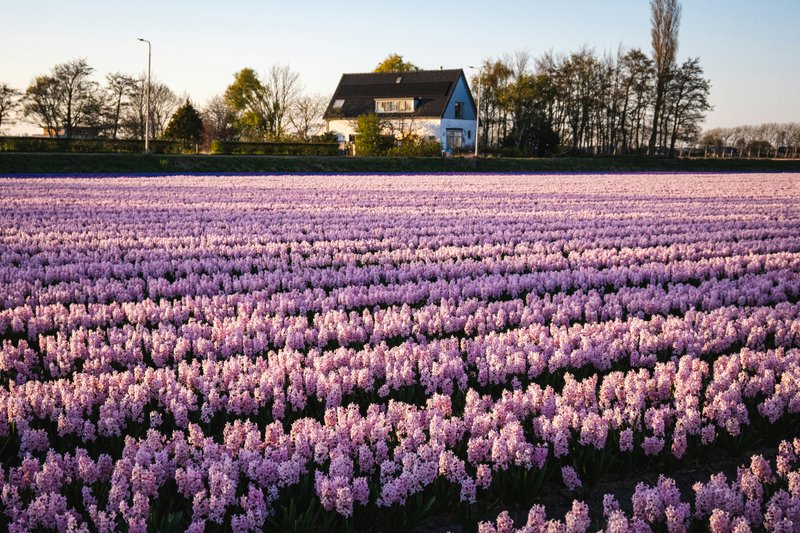
Late April through May brings tulip season and milder temperatures averaging 13-17°C, with the Keukenhof gardens at their peak nearby. September offers warm days, fewer crowds, and the cultural season reopening. Winter draws visitors for the Light Festival's canal installations from December through January, though temperatures hover around 2-6°C and rain is frequent.
How does tipping work in Amsterdam restaurants and hotels?
+
Service charges are typically included in Dutch restaurant bills, but rounding up or adding 5-10% for good service is appreciated. Hotel porters expect €1-2 per bag, and housekeeping tips of €2-5 per night are customary in higher-end properties. Taxi drivers are usually tipped by rounding to the nearest euro or adding 10%.
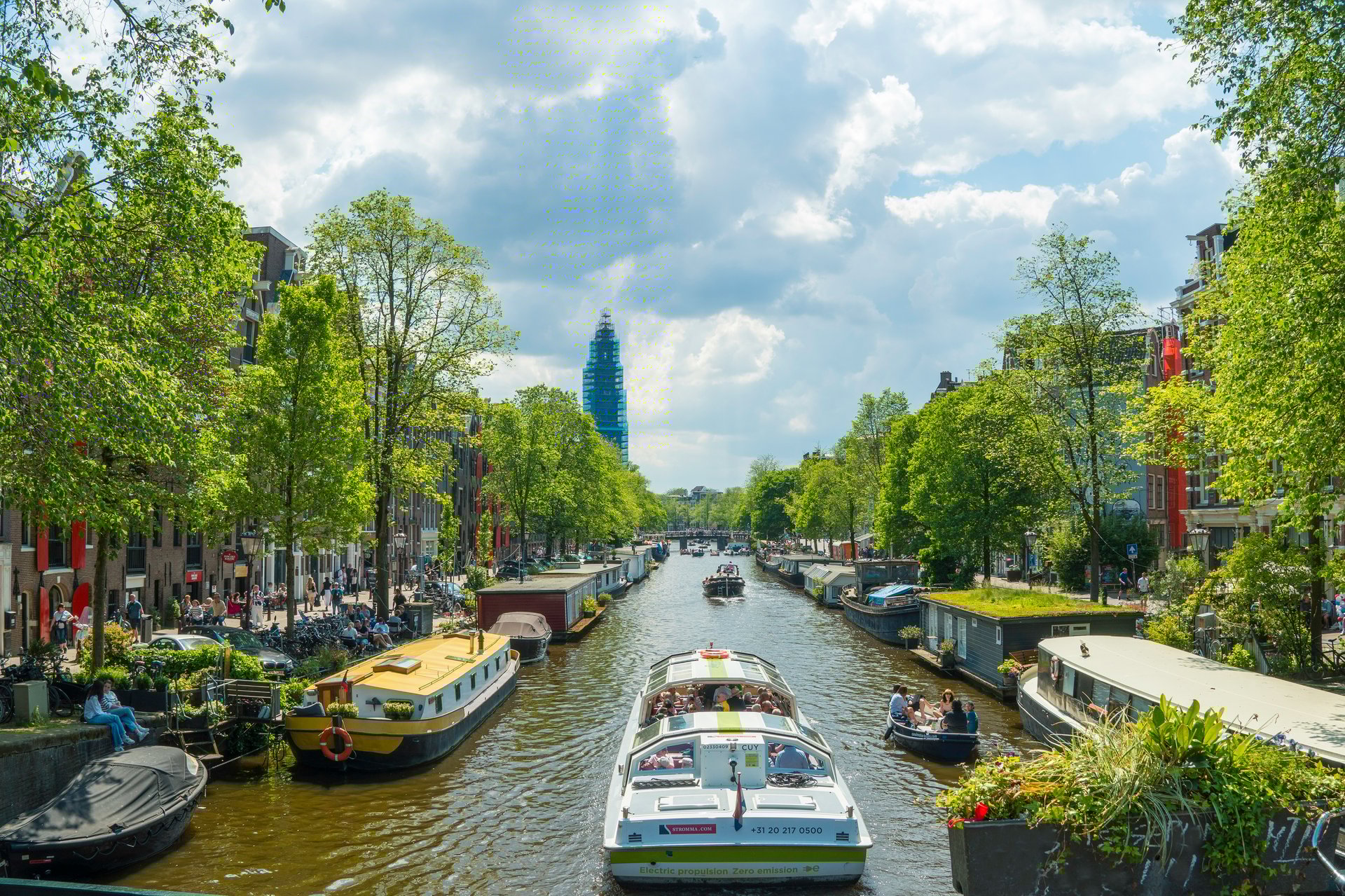
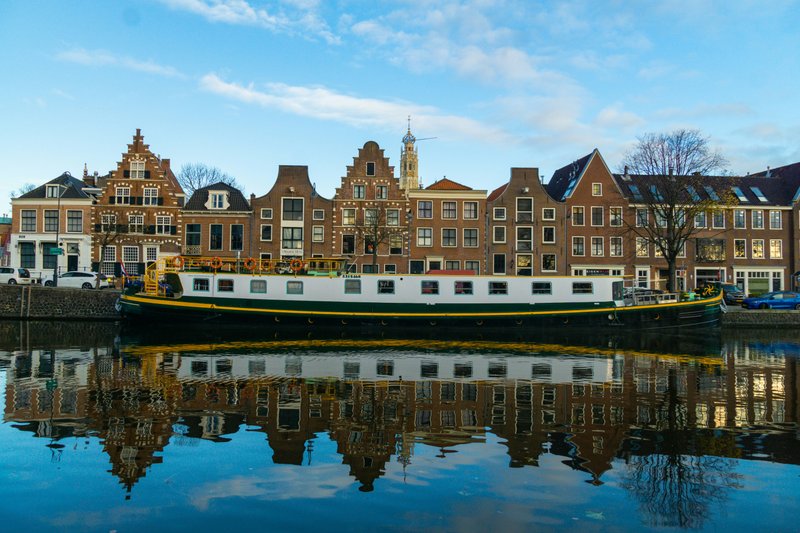
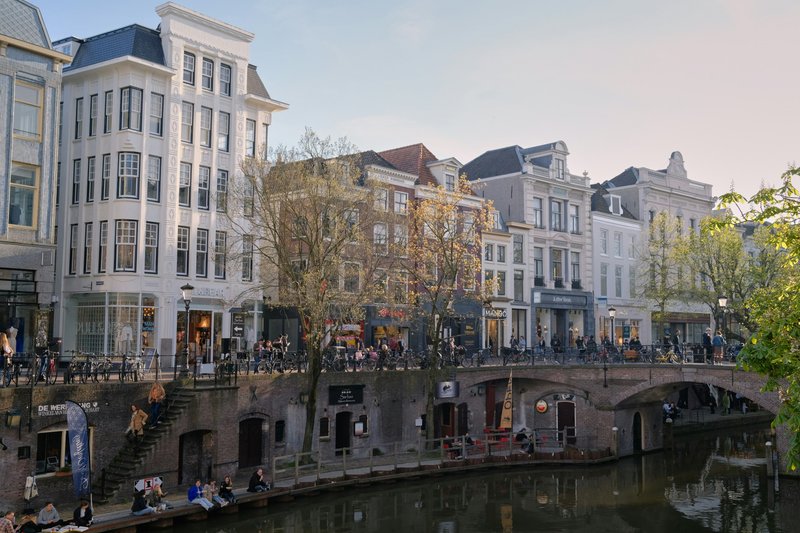
Amsterdam arranges itself around concentric canals built during the Dutch Golden Age, each ring marking a different urban character. The Grachtengordel — the UNESCO-listed canal belt — holds converted merchant houses where steep staircases lead to rooms with original ceiling beams and views onto houseboats. South of the center, the Museumkwartier draws visitors to the Rijksmuseum and Vondelpark, while De Pijp offers the Albert Cuyp market's raw herring stands and Indonesian rijsttafel restaurants. Jordaan, once a working-class district, now hosts independent galleries and specialty coffee roasters in former warehouses.
The dining scene reflects both Dutch pragmatism and colonial history. Indonesian, Surinamese, and Turkish influences appear alongside modern European kitchens, with several chefs holding Michelin stars for their interpretations of North Sea ingredients — think Zeeland oysters, smoked eel from the IJsselmeer, and white asparagus in season. The city's canal-house hotels preserve 17th-century facades while housing contemporary interiors, and the bar scene runs from jenever tasting rooms in medieval cellars to rooftop terraces overlooking the IJ waterfront.