


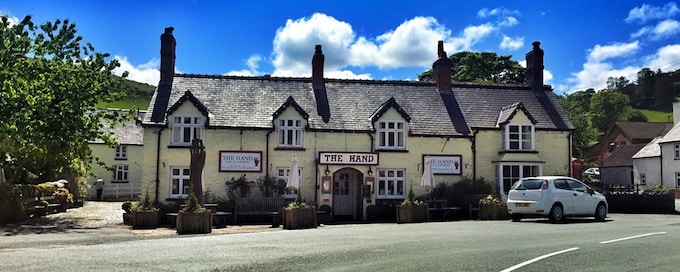
David Lloyd George called the Ceiriog Valley 'a little piece of heaven,' and this welcoming hostelry captures its pastoral essence. The landscape evokes Switzerland more than North Wales, with rolling hills surrounding a proper country inn. The kitchen earns two AA Rosettes, making it a destination for serious diners. Best suited to walkers and outdoor enthusiasts seeking authentic rural retreat.
Cardiff Travel Guide: Best Hotels, Restaurants & Experiences 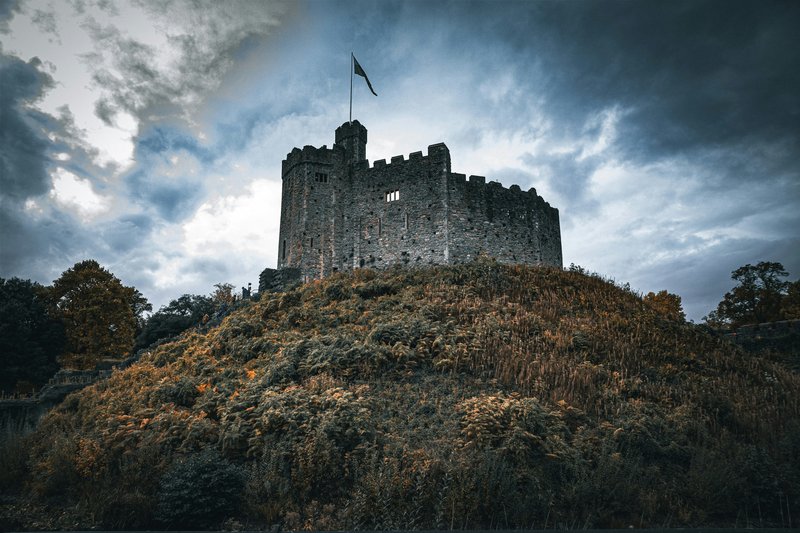
Explore Cardiff
Restaurants (7)
Where to Stay
Where to Eat

★ Michelin
Chef Tom's intimate Michelin-starred dining room on Kings Road delivers modern British cooking deeply anchored in Welsh terroir. Guests are welcomed by the kitchen team at the open pass before settling into a menu built around Gower salt marsh lamb, coastal seaweed, and pristine local seafood. The longer tasting option reveals the full scope of the team's precision and understanding of balance—genial service throughout keeps the atmosphere relaxed yet polished.

★ Michelin
James Sommerin and his daughter Georgia work side by side in the open kitchen of this intimate Penarth dining room, delivering a surprise tasting menu built on impeccable local produce. The Michelin-starred Modern British cooking arrives with evident family pride, each course personally presented. A tear-and-share cinnamon bun—inspired by the chef's grandmother—closes the meal with disarming warmth.

Michelin Selected
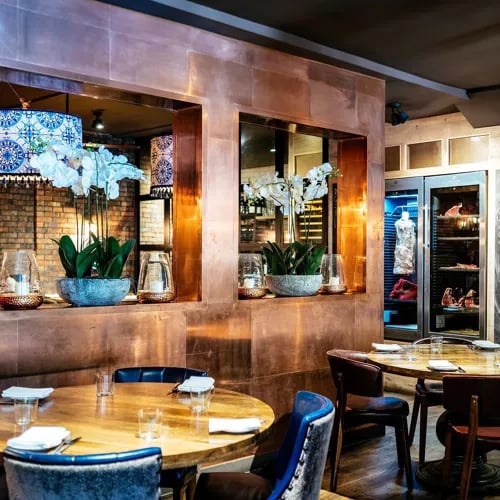
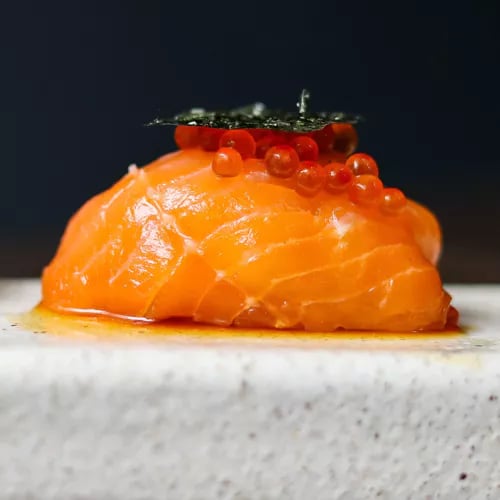
Fire dictates the rhythm at this moody, wood-clad dining room inside Parador 44, where the best seats face the open asador grill or a glass-walled wine cave stocked almost exclusively with Spanish bottles from obscure bodegas. The kitchen applies charcoal heat to squid, celeriac, and rump steak with confident restraint. Begin with boquerones dressed in yuzu—a sharp, bright prelude to the smoke ahead.

Michelin Selected
Chef Tommy Heaney runs this relaxed suburban dining room on Romilly Crescent, where the bar sets the tone for evenings built around an ambitious tasting menu. Modern British plates showcase seasonal ingredients through sophisticated contrasts, while the set lunch offers accessible entry. Next door, the no-reservations sibling Uisce serves small plates featuring produce from its own kitchen garden.

Michelin Selected
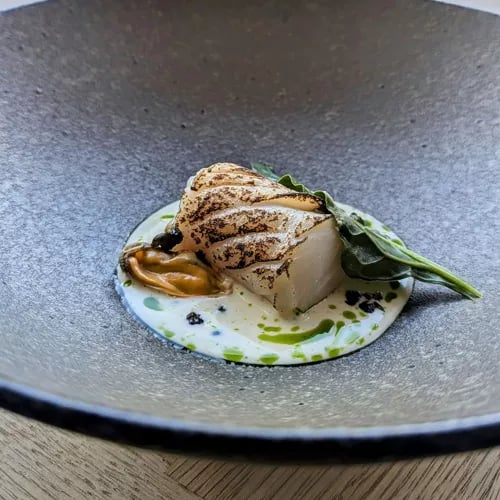
Named for the Welsh concept of longing for homeland, Hiræth channels that sentiment through a tasting menu rooted in regional terroir. The kitchen works with foraged ingredients and produce from its own smallholding, yielding dishes like sous-vide skrei cod paired with mussel and wild garlic velouté. An intimate room and attentive service suit diners seeking modern Welsh cooking with genuine provenance.

Michelin Selected
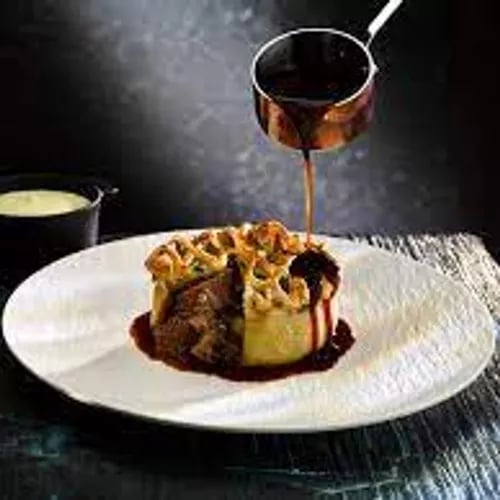
Leather banquettes and polished service define this brasserie-style dining room within the Parkgate Hotel, where Spanish influences meet Welsh provenance. The kitchen showcases local beef across preparations ranging from robust steak and ale pie to Chateaubriand carved tableside. For celebrations, the signature beef Wellington demands advance planning, while a generous tarte Tatin provides a fitting conclusion to an evening of refined indulgence.

Michelin Selected
Chef Tom Simmons channels his Welsh roots through technically assured Modern British cooking at this Pontcanna address, where Pembrokeshire oysters and saddle of local lamb anchor a produce-driven menu. The sourdough, baked at the restaurant's own Ground bakery, sets a high bar before the first course arrives. Guests choose between an intimate ground-floor space and a moodier upstairs dining room—both reward the detour from the city centre.

Bib Gourmand
A three-century-old pub in the Vale of Glamorgan, the Hare & Hounds holds a Bib Gourmand for cooking that shifts twice daily with the seasons. The chef cultivates a three-acre allotment, hunts, and forages — an obsessive localism that yields dishes of startling intensity. The buttermilk pudding has earned quiet renown. A 'Saver' menu makes this caliber of ingredient-driven cooking remarkably accessible.

Bib Gourmand
A Bib Gourmand neighbourhood pub in Llandaff from the team behind The Hare & Hounds in Aberthin, Heathcock channels a committed nose-to-tail philosophy through daily-changing small plates — confit pork belly with house-made black pudding and crispy ham hock among the signatures. The rustic, unfussy setting keeps attention fixed on the cooking; pre-ordering the tasting menu unlocks the kitchen's full repertoire.
Frequently Asked Questions
Which Cardiff neighbourhood offers the best hotel options?
+
Cardiff Bay delivers waterfront properties with contemporary design and marina outlooks, while Cathedral Road in Pontcanna features characterful Victorian and Edwardian townhouse conversions. The city centre places you within walking distance of the castle, stadium, and the historic shopping arcades.
What local Welsh ingredients should visitors look for on Cardiff menus?
+
Seek out Gower salt marsh lamb, Welsh Black beef, Carmarthen ham, laverbread served with cockles for breakfast, and Caerphilly cheese. The coast supplies excellent Pembrokeshire crab and hand-dived scallops from the Menai Strait.
Are the Victorian arcades worth exploring for dining and drinks?
+
Absolutely. The seven Victorian and Edwardian arcades — particularly the Royal Arcade, Castle Arcade, and High Street Arcade — contain independent coffee roasters, wine bars, and restaurants beneath their restored ironwork and glass roofs. They offer a distinctly Cardiff experience unavailable in any other British city.




Cardiff
Cardiff Bay's regenerated docklands have transformed the Welsh capital into a destination with genuine architectural ambition. The waterfront around Mermaid Quay offers contemporary hotels with marina views, while the Victorian arcades of the city centre — the finest collection in Britain — shelter independent boutiques and atmospheric cafés beneath ornate glass canopies. The stadium district pulses with energy on match days, its hotels filling with rugby pilgrims from across the globe.
The dining scene draws from Wales's exceptional larder: Pembrokeshire crab, Gower salt marsh lamb, Carmarthen ham aged in the traditional Spanish style. Cathedral Road's Edwardian villas house neighbourhood restaurants serving modern Welsh cooking, while the rejuvenated Royal Arcade and Castle Quarter concentrate the city's more ambitious kitchens. After dark, the real ale pubs of Womanby Street give way to cocktail bars in converted warehouses along the Taff embankment.