


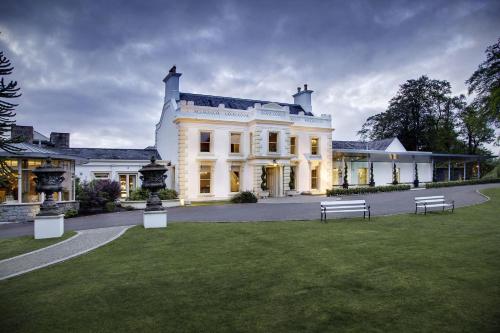
Sprawling across 163 acres of Northern Irish parkland bisected by the River Maine, Galgorm centres on Ireland's first Thermal Village Spa—a complex of saunas, sanarium, and a Finnish snow cabin alongside riverside soaking tubs where butlers deliver champagne. Golfers find the Castle Championship Course, host of the Northern Ireland Open, at their doorstep. Dining spans a formal riverside conservatory and the family-friendly Italian trattoria Fratelli.
Causeway Coast & Glens Travel Guide: Best Hotels, Restaurants & Experiences 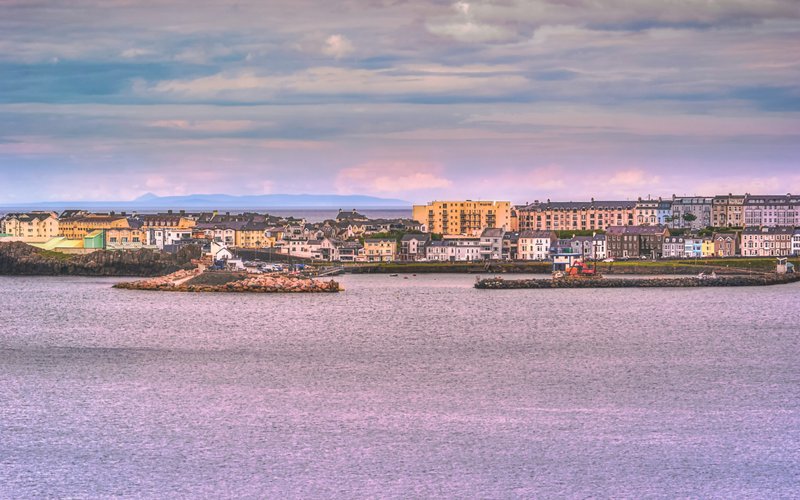
Explore Causeway Coast
Hotels (3)
Where to Stay

A mid-nineteenth-century landmark mere steps from Royal Portrush Golf Club, this 34-room property retains its Victorian character while embracing contemporary polish. Rooms dressed in crisp tartans and maritime artwork draw from an ocean-inspired palette of deep greens and blues. The Red Sail Room delivers atmosphere with velvet banquettes and abundant greenery—ideal for golfers and travelers with pets in tow.

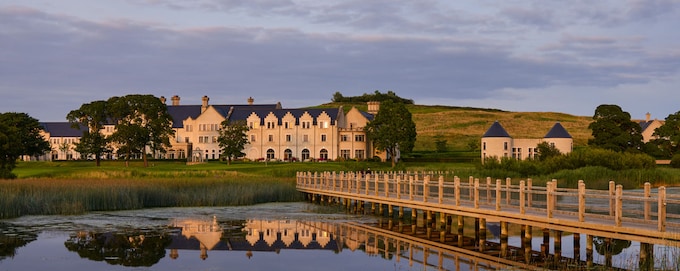
Sprawling across the Fermanagh lakelands, Lough Erne Resort draws golfers with championship-caliber greens and families with its Enchanted Woodland Trail, summer paddleboarding, and archery. The Thai spa provides a counterpoint to active days, while Catalina—one of four on-site restaurants—delivers refined cooking anchored in regional ingredients. A polished retreat balancing sport, relaxation, and genuine hospitality.

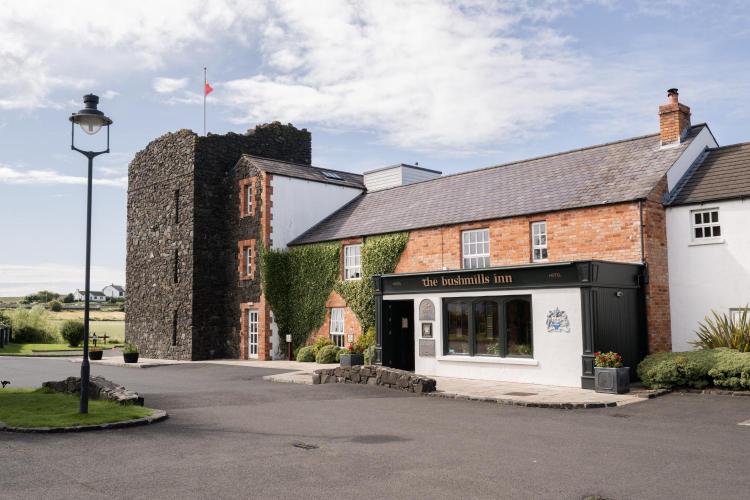
Gas lamps flicker above the bar where turf fires crackle in this characterful Bushmills retreat, minutes from the Giant's Causeway. Oak beams frame intimate nooks throughout, while a secret library and private cinema reward curious guests. The house whiskey comes from the world's oldest distillery just down the road. Families appreciate mezzanine rooms with ladder-access sleeping lofts for children.

Small Luxury Hotels
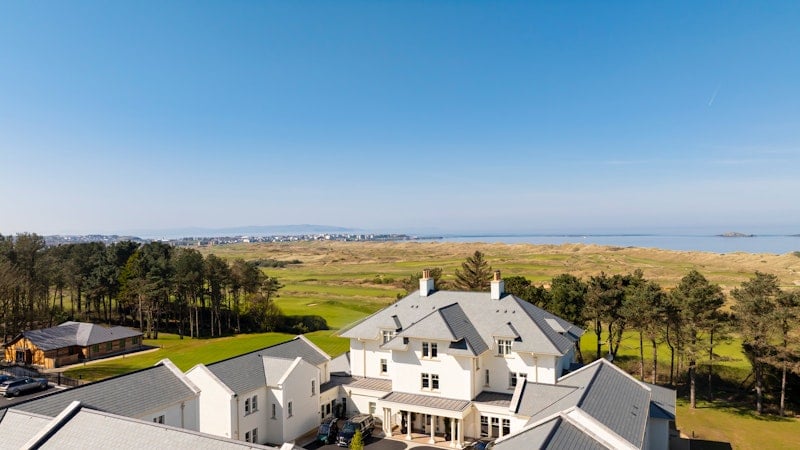
Six miles west of Giant's Causeway, this 35-room clifftop retreat pairs stark contemporary design with the raw drama of the Northern Irish coast. Golfers step directly onto Royal Portrush's fourth fairway; others saddle up for guided beach rides or gather around the fire at The Stookan, a private house sleeping sixteen. Evening storytelling sessions led by a third-generation seanchaí ground the experience in local tradition.
Where to Eat

Bib Gourmand
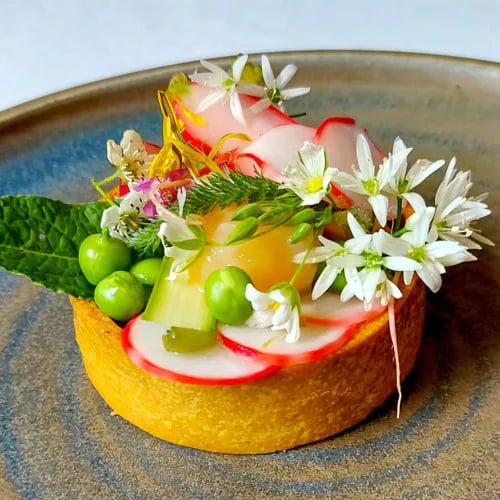
Behind a handsome Georgian façade in Moira, an open kitchen pulses with energy, sending out robust plates rooted in Northern Irish terroir. The Bib Gourmand kitchen excels during game season—partridge arrives perfectly roasted, enriched with chicken butter—while an extensive menu makes choosing genuinely difficult. Every dish delivers bold, satisfying flavours that reward the drive from the coast.
What to Do

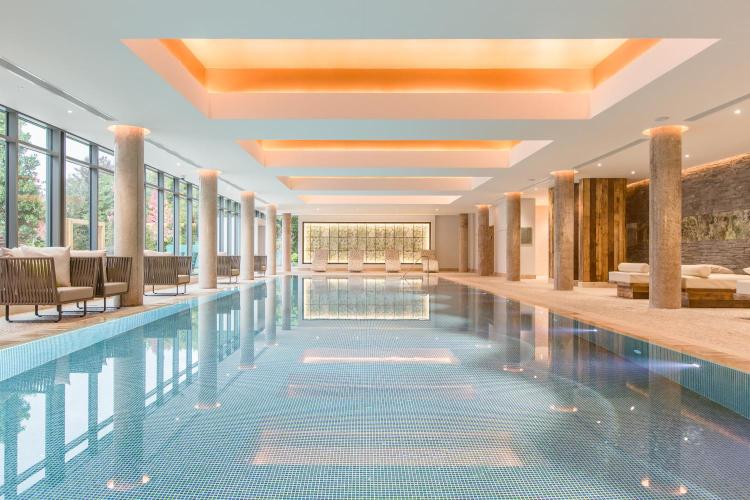
Ireland's first thermal village spa sprawls across 75,000 square feet of riverside terrain along the River Maine, where ancient bathing rituals unfold through three distinct gardens. A Finnish snow cabin plunges to minus ten degrees Celsius, while Celtic meditation sauna rituals draw from Aufguss traditions. Eco-friendly riverside tubs, a salt cave, and the celebrated Vitality Pool complete the thermal circuit, with Elemis and OTO treatments across eleven rooms.
Frequently Asked Questions
What is the best time of year to visit the Causeway Coast?
+
Late spring through early autumn offers the mildest weather and longest daylight hours, with May and September typically less crowded than peak summer. Winter brings dramatic storm watching and cozy pub sessions, though some seasonal establishments close.
How do I reach the Causeway Coast from Belfast?
+
The A2 coastal route from Belfast takes approximately ninety minutes to reach Ballycastle, passing through the nine Glens of Antrim — a scenic drive worth extending over several hours. Regular bus services connect Belfast to Coleraine and Portrush, with onward connections to smaller villages.
Can I visit Rathlin Island as a day trip?
+
The ferry from Ballycastle reaches Rathlin in twenty-five minutes, with multiple daily sailings in summer. The island rewards a full day — walk to the West Light seabird viewpoint for puffin colonies between April and July, or explore the kelp-fringed shoreline and single pub.



Causeway Coast
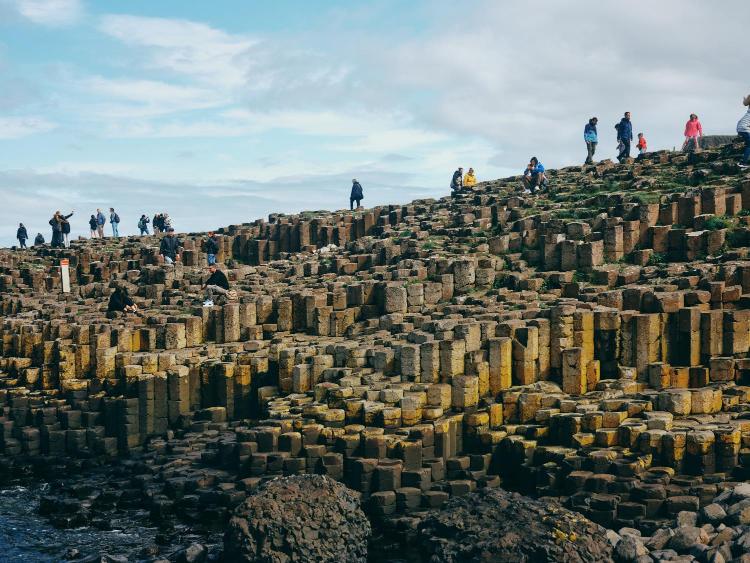
Northern Ireland's north coast unfolds along dramatic basalt cliffs and sweeping sandy bays, from the whiskey-scented streets of Bushmills to the surf breaks at Portrush. The Giant's Causeway — those 40,000 interlocking basalt columns — anchors the region, but the real character emerges in smaller settlements: Ballycastle with its weekly market and ferry links to Rathlin Island, Portstewart's Victorian promenade, and the rope bridge at Carrick-a-Rede where salmon fishermen once hauled their catch.
Accommodation here favors converted manor houses and clifftop properties with views across to Scotland on clear days. Many establishments occupy former estate buildings, their grounds often including walled gardens and golf links. The dining scene leans toward locally sourced produce — Causeway Coast lamb, Rathlin crab, dulse seaweed harvested from the rocks. Evenings often end in village pubs with traditional music sessions, particularly around Cushendall in the Glens of Antrim.