An 18th-century building reimagined as a contemporary boutique hotel, Beadnell Towers sits steps from one of Northumberland's finest stretches of sand. Bold colour schemes enliven rooms featuring original beams and stone walls, while the lounge's wood-burning fireplace anchors the rustic-nautical aesthetic. The kitchen champions local seafood and regional produce, and the entire property welcomes dogs—ideal for coastal walks with four-legged companions.
Explore Northumberland
Where to Stay
Directly opposite Alnwick Castle's gates, this Georgian property belongs to the Duke of Northumberland's estate and pairs period architecture with a contemporary wing. Light-filled bedrooms maintain a modern townhouse sensibility, while the airy bistro opens onto a secluded courtyard. Four sets of interconnecting rooms and complimentary stays for children under twelve make it particularly suited to families exploring the Northumberland coast.
Victorian Gothic architecture meets contemporary comfort at this country estate near Hadrian's Wall. The main house preserves period grandeur in its bedrooms, while the former library now hosts the fine dining restaurant. Guests split their days between the spa, the golf course threading through the grounds, and afternoon tea. Families find genuine welcome here, with dedicated children's facilities and pool access.
Built around an Edwardian hall yet decisively modern in character, Slaley Hall spreads across wooded grounds with sweeping views toward northern Northumberland. The interiors lean dark and masculine, a counterpoint to the pastoral setting. Golf courses and a full spa anchor the resort experience, while families find genuine welcome: children's quad-biking, dedicated pool hours, and under-sixteens sharing at no extra charge.
A handsome Victorian building steps from Hexham Abbey, The Beaumont pairs period bones with a relaxed contemporary aesthetic—think bold colours and generous proportions in each bedroom. The ground-floor bar-restaurant draws locals and guests alike from morning coffee through dinner service. Families find a practical welcome: extra beds at modest cost, complimentary breakfast for children, and a dedicated menu for younger diners.
Tucked along a quiet street mere minutes from Alnwick Castle, this discreet boutique hotel surprises with bold blue-and-white interiors that strike a confident contemporary note. Rooms deliver comfort without fuss, while the bistro—overlooking a decked garden—adds a jazzy, convivial dimension to evening dining. Families find a genuine welcome here, with extra beds arranged for younger travelers in the larger accommodations.
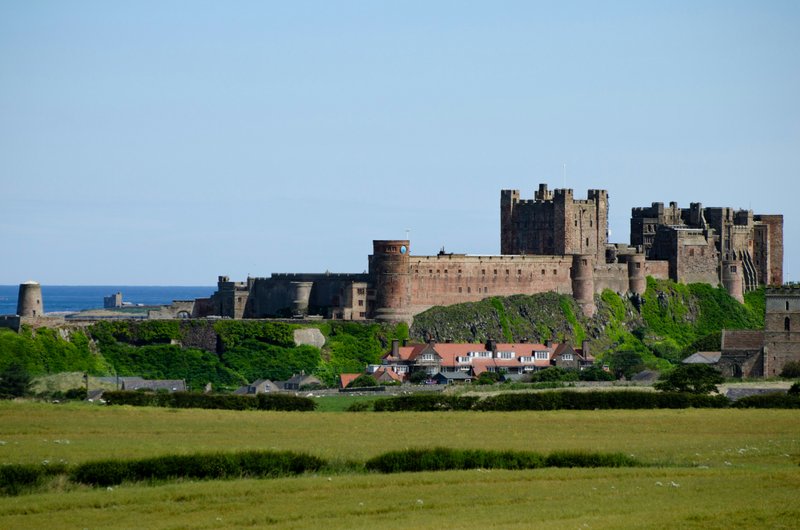
Steps from Bamburgh Castle and the windswept beach, this stylish inn draws visitors with sleek, contemporary bedrooms and a restaurant where seafood takes center stage. The attentive staff create an easy warmth throughout, while families benefit from dedicated rooms with sofa-beds and children's menus—a practical choice for those exploring Northumberland's dramatic coastline without sacrificing comfort or culinary quality.
This handsome village inn draws a devoted local following for its confident, smartly executed cooking, while six spacious bedrooms deliver understated country-house elegance. The atmosphere balances polished interiors with genuine warmth, equally suited to hikers returning from coastal walks or couples seeking a gentle rural retreat. Families find easy welcome here, with flexible bedding arrangements and a dedicated children's menu.
Where to Eat
An ancient cedar presides over this one-Michelin-starred restaurant within Farlam Hall, a Cumbrian country house where period architecture meets refined contemporary design. Chef Hrishikesh Desai's generous tasting menus draw on British produce—much harvested from the kitchen garden—layered with subtle Indian spicing that brings quiet complexity to each course. Attentive service completes an evening of understated elegance.
An 18th-century Cumbrian inn perched near the Scottish border, Pentonbridge Inn holds a Michelin star for cooking that prizes restraint over complexity. The kitchen builds remarkable depth from minimal ingredients—vadouvan-spiced scallops demonstrate this philosophy with precision. Spectacular sunsets paint the dining room during evening service. Smart bedrooms allow guests to settle in rather than rush away.
Cal Byerley's rustic dining room at Vallum Farm operates on a simple premise: everything comes from Northumbria. The chef forages the surrounding countryside and tends a kitchen garden that supplies his one-starred kitchen. Dishes reveal genuine creativity—a fondant cake crafted from rare dryad saddle mushroom demonstrates his technical range. The wine flight leans into English bottles, complemented by house-made tonics and teas.
Chef Gary McDermott structures his tasting menu around the fourteen lines of a sonnet, each course a stanza of classical French technique layered with preserved ingredients. The intimate eight-table dining room, hosted by partner Claudia, lends each evening a narrative quality—dishes arrive with stories attached. A charming finale: guests depart with 'Elevenses,' a morning-after treat extending the experience beyond the meal itself.
Deep in the South Tyne valley, this rustic gastropub draws serious diners to an unlikely North Pennine hamlet. The kitchen works exclusively with produce sourced within fifty miles, yielding game-focused plates—roasted grouse, partridge ballotine—that reflect the surrounding shooting country. A raspberry soufflé provides a refined finish. Four countrified bedrooms with modern comforts and sweeping views make overnight stays tempting.
What to Do
Within Farlam Hall's sprawling Cumbrian estate, The Sycamore Retreat crafts treatments around elemental forces—hot stones, jade crystals, and aromatic oils each calibrated to channel specific energies. The sensory immersion extends beyond treatment rooms: nearby herb gardens release drifts of mint, lavender, and chamomile, their fragrance weaving through the woodland air. A contemplative retreat for those seeking restoration through nature's own rhythms.
Frequently Asked Questions
What is the best area to stay in Northumberland for castle access?
+
Alnwick places you within walking distance of both the castle and the Alnwick Garden, with easy access to the coastal fortresses at Bamburgh, Dunstanburgh, and Warkworth. The town itself has independent shops and restaurants, making it a practical base for exploring the county's concentration of medieval strongholds.
When is the ideal season to visit Northumberland?
+
Late spring through early autumn offers the mildest weather and longest days for coastal walks and outdoor dining. September brings fewer visitors and excellent conditions for dark sky stargazing at Kielder. Winter appeals to those seeking dramatic storm-watching along the coast and quieter access to historic sites.
How accessible is Northumberland from major UK cities?
+
Newcastle upon Tyne serves as the main gateway, with direct trains from London King's Cross taking around three hours. From Newcastle, the coast and southern reaches of the county lie within forty-five minutes by car, while the Scottish Borders and Kielder require closer to ninety minutes.
England's northernmost county stretches from the Scottish Borders to the Tyne Valley, encompassing wild coastlines, Roman ruins, and some of Britain's darkest skies. The heritage here runs deep: Lindisfarne's tidal island has drawn pilgrims since the seventh century, while Hadrian's Wall traces its ancient path through moorland and farmland. Market towns like Alnwick, Hexham, and Morpeth anchor the region, each with distinct character — Alnwick dominated by its castle and gardens, Hexham by its medieval abbey.
The coast between Bamburgh and Berwick-upon-Tweed offers dramatic fortress silhouettes against North Sea horizons, with fishing villages like Craster supplying smoked kippers to local tables. Inland, the Cheviot Hills provide walking country that sees a fraction of Lake District crowds. Dining leans toward seasonal game, Northumbrian lamb, and seafood landed at harbours along the Heritage Coast, with farm shops and estate kitchens setting the regional tone.