

Explore by Region
North Holland
South Holland
North Brabant
Gelderland
Utrecht
Limburg
Zeeland & Delta
Friesland
Overijssel
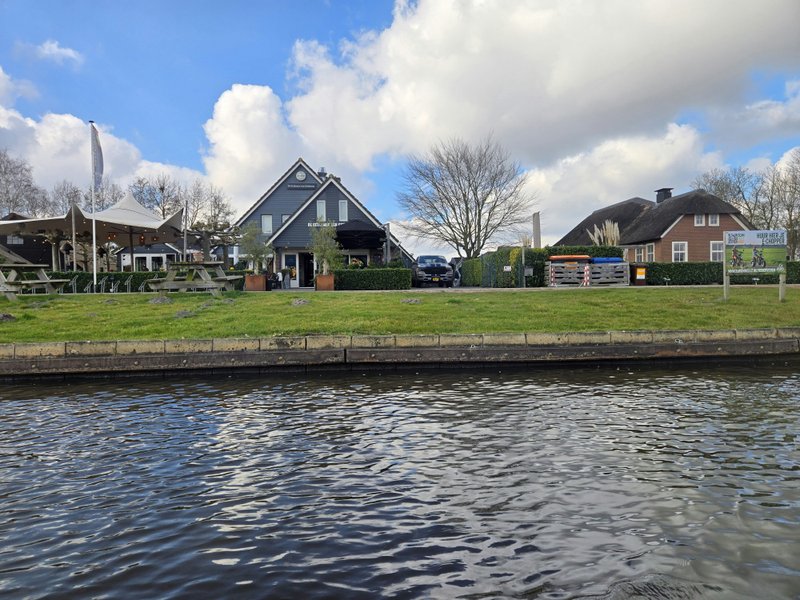
Groningen & Drenthe
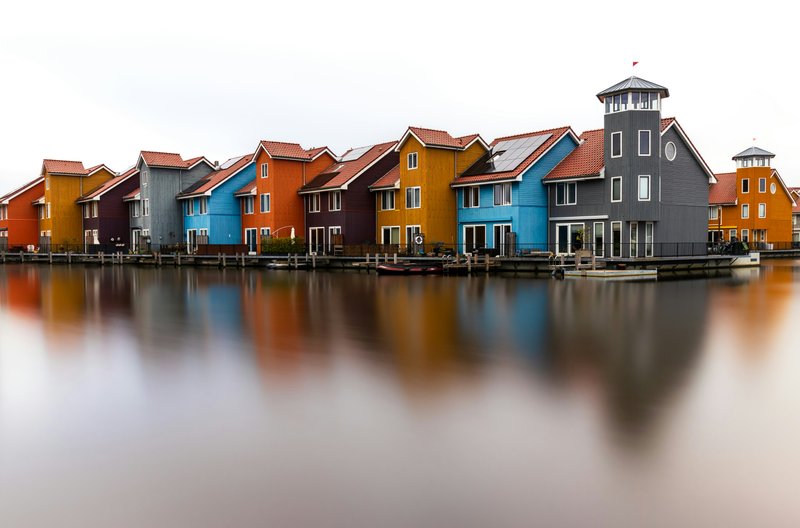
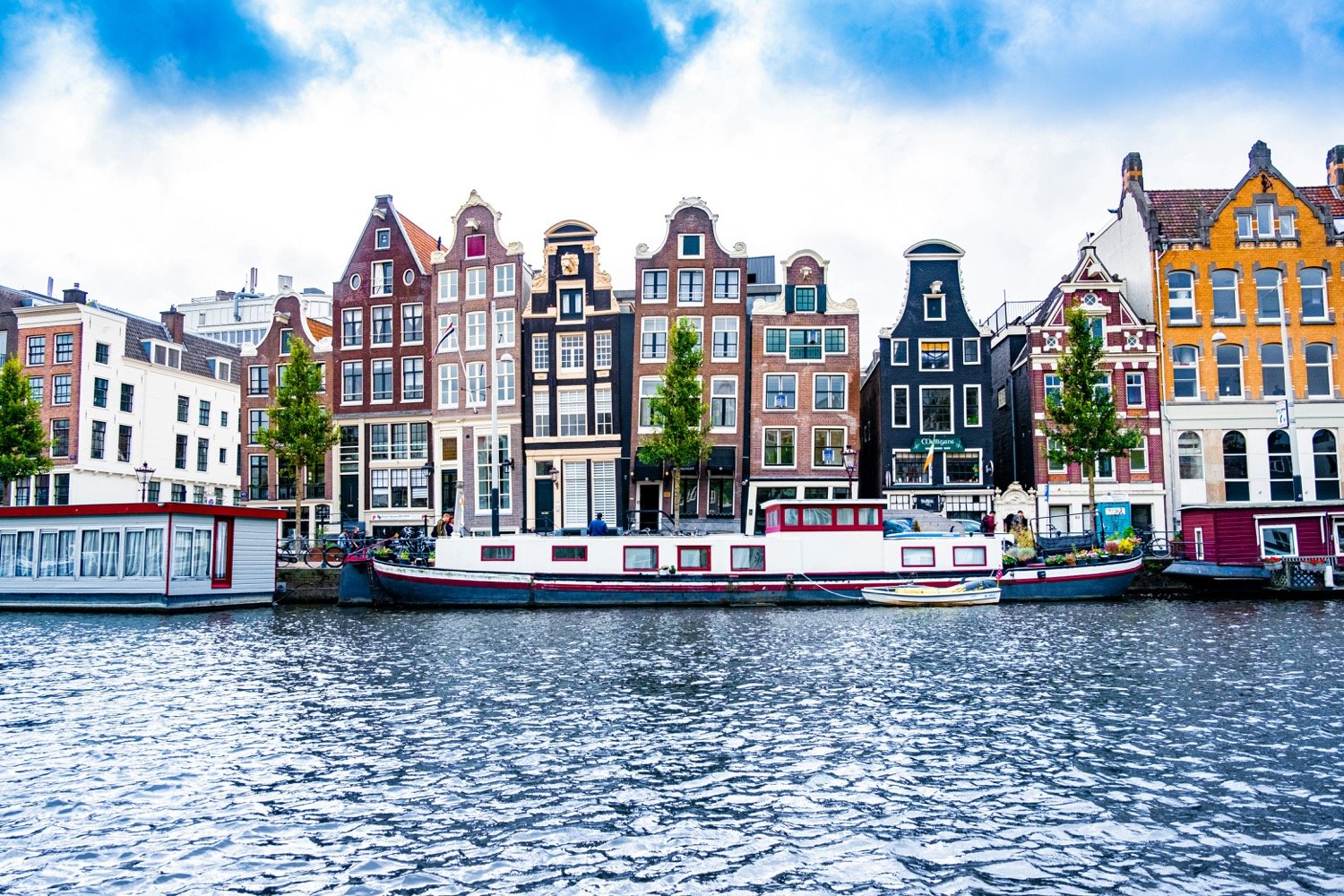
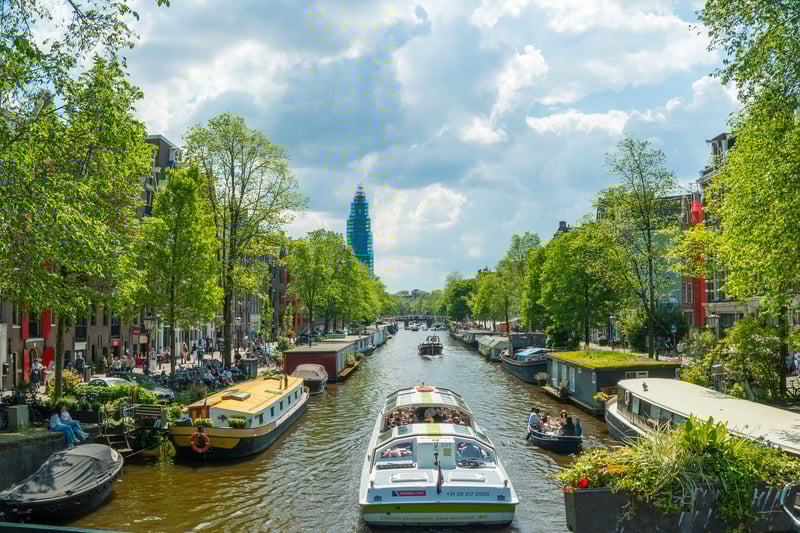
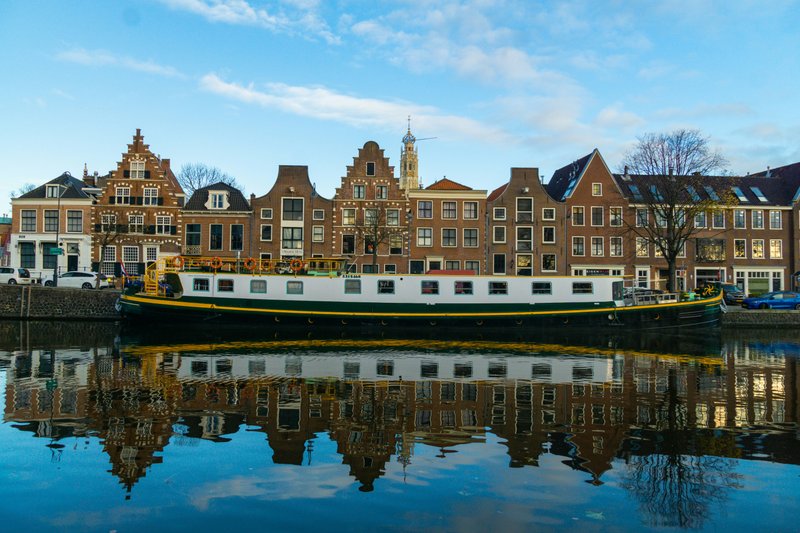
The Netherlands unfolds along a lattice of waterways, from Amsterdam's seventeenth-century canal belt to Rotterdam's reclaimed harbour districts and the genteel avenues of The Hague. This is a country where Old Master collections hang minutes from raw-edged contemporary art museums, where Calvinist restraint meets Indo-Dutch culinary legacy, and where cycling culture shapes the rhythm of daily life. The hotel landscape ranges from converted weigh-houses and canal-facing grachtenhuizen to minimalist design towers overlooking the Maas, many occupying buildings whose façades predate the Golden Age. Dining spans brown-panelled eetcafés serving stamppot and bitterballen, Indonesian rijsttafel institutions with roots in colonial trade, and a new generation of chef-driven restaurants sourcing oysters from Zeeland and asparagus from Limburg. Belgium lies just across the southern border, while Germany anchors the eastern frontier.
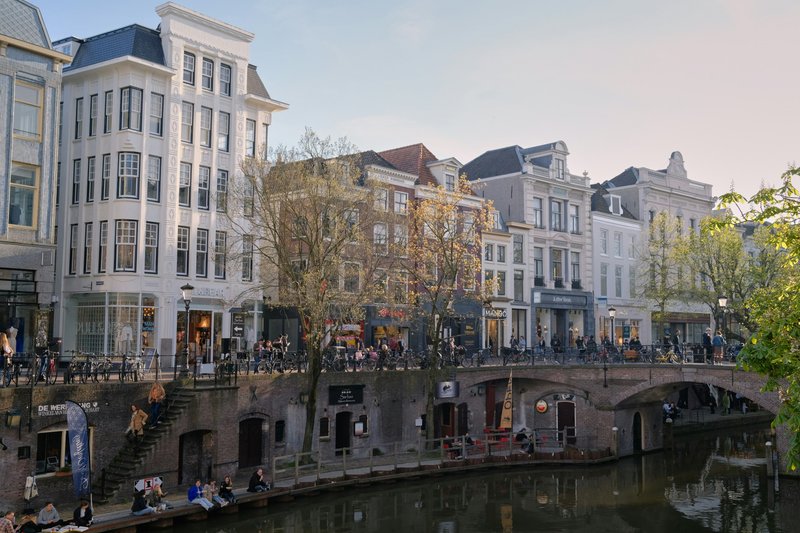
Amsterdam's Jordaan and De Pijp neighbourhoods concentrate independent wine bars and market-hall dining, while Rotterdam's Kop van Zuid and Katendrecht quarters showcase post-industrial transformation into waterfront hospitality zones. The Hague's Statenkwartier holds consular-era townhouses repurposed as boutique properties, and Utrecht's Oudegracht cellars now house subterranean tasting rooms. Bar culture balances gezelligheid—an untranslatable warmth—with craft brewing in former monastery breweries and jenever tasting rooms unchanged since the 1600s. The hospitality calendar follows the herring season, asparagus harvests, and the King's Day street markets, while design heritage from Rietveld to Droog informs interiors across the accommodation spectrum. Denmark shares a similar approach to functional design and cycling infrastructure, though the Dutch landscape remains famously flat and below sea level.