


Spread across stately canal-side buildings, Hotel Miss Blanche brings 46 spacious rooms where period architecture meets contemporary comfort. Waterfront views from select accommodations and a refined classical-modern aesthetic define the experience. Mornings begin at Bakkerij Blanche, the hotel's dedicated bakery down the street, while complimentary bicycles encourage exploration of Groningen's compact historic center—ideal for travelers who prefer discovering cities at a leisurely pace.
Groningen Travel Guide: Best Hotels, Restaurants & Experiences 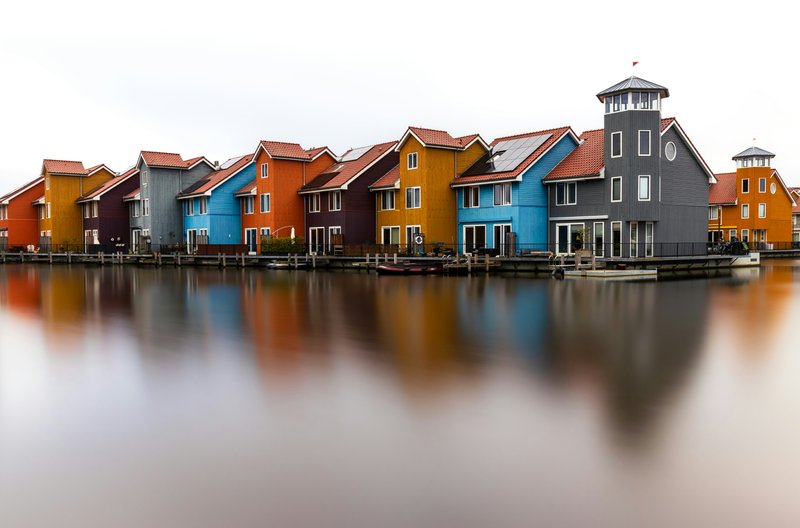
Explore Groningen
Hotels (2)
Restaurants (7)
Where to Stay

A fifteenth-century church beside the Prinsentuin gardens now houses this 34-room retreat, its sacred bones reimagined with contemporary polish and touches of Dutch countryside warmth. The Martini tower rises just steps away. A Grand Café serves guests throughout the day, while the private garden offers quiet refuge. Dogs are welcome—a rare courtesy in properties of this caliber.

Facing the Grote Markt, this 123-room property deceives with its heritage façade—inside, the design is resolutely contemporary. A spa anchors the wellness offering with sauna, Turkish bath, and fitness facilities, while Café Willem Albert provides all-day dining alongside a dedicated bakery. The rooftop terrace delivers panoramic views over the square, appealing to travelers who want modern comfort wrapped in architectural theater.

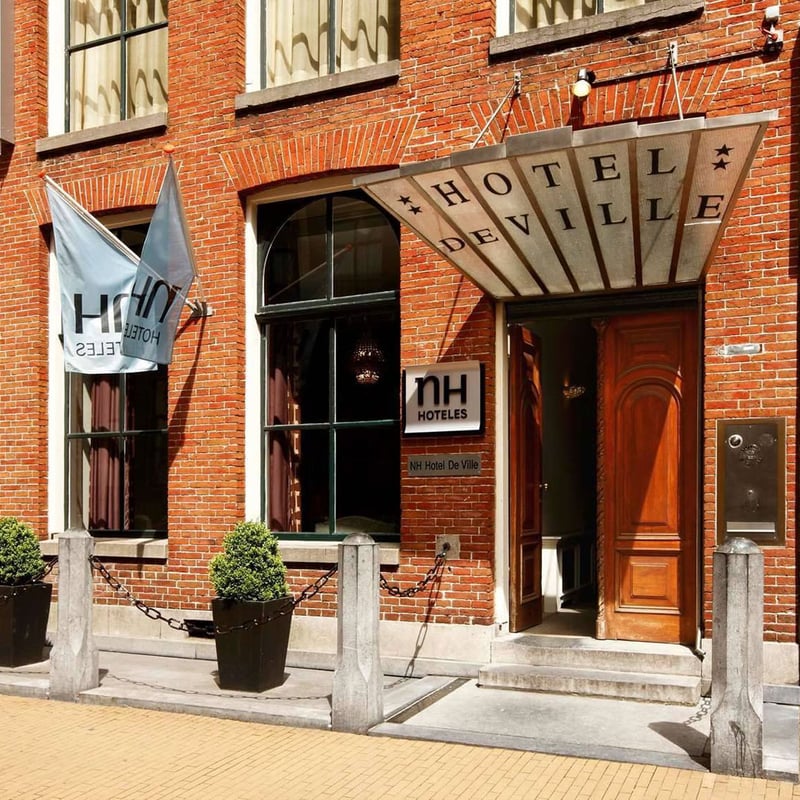
A stone's throw from the Grote Markt, this 66-room property occupies a prime position in Groningen's historic center. The interior balances classical elegance with contemporary touches across its accommodations, while a lounge-veranda anchored by a fireplace offers year-round appeal. Summer mornings bring breakfast service to the garden patio, and pet-friendly policies welcome four-legged companions throughout.
Where to Eat

★ Michelin
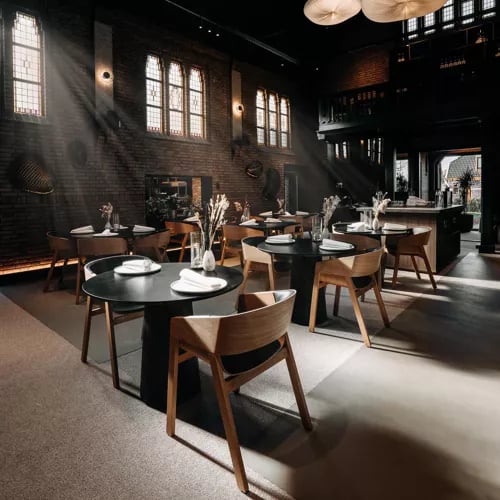
A converted chapel with original stained-glass windows sets the stage for Noor's one-Michelin-starred creative cuisine. Guests enter through the open kitchen before settling into the stylish dining room, where chefs Marleen and Jeroen Brouwer deliver inventive plates—salt-crusted celeriac with yoghurt and salted lemon, dry-aged sea bass with fermented verjus beurre blanc. A vegetarian tasting menu, available with advance notice, applies equal imagination to humble produce.

★ Michelin
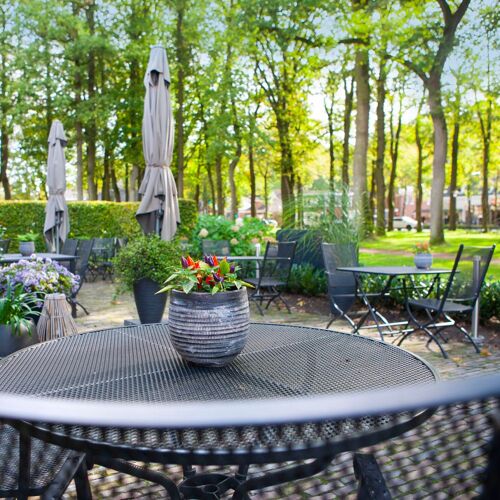
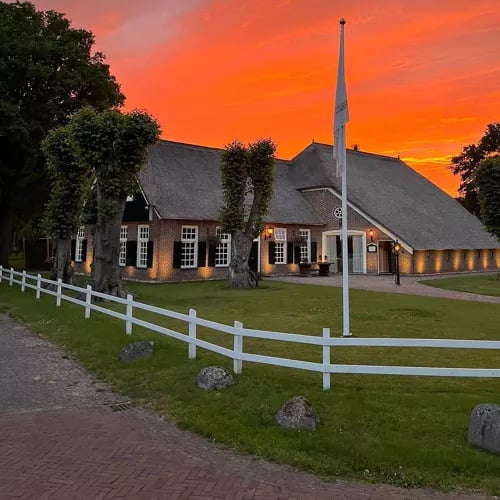
A 1719 Saxon farmhouse in the village of Zuidlaren houses chef Jilt Cazemier's one-starred table, where lambs grazing nearby may later appear in nose-to-tail preparations enriched by intense, deeply flavored sauces. His refined technique surfaces in dishes like lobster lifted by coral-infused bisque and dashi jus, while the terrace overlooking the village green offers pastoral charm between courses.

★ Michelin
Inside a handsome 1735 listed building with its original grandeur intact, chef Steven Klein Nijenhuis has built a one-starred kitchen around an unexpected premise: no dairy, beef, or pork. Vegetables and fruit take center stage, amplified by Asian techniques—sambal, pickling, fermented black garlic—that coax deep umami from local produce. His lion's mane mushroom with onion dashi exemplifies this philosophy. A serious beer list completes the experience.

Michelin Selected
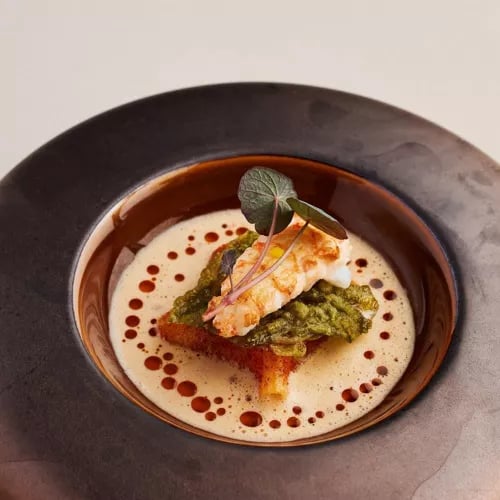
Chef Niels Schievink orchestrates a kitchen where restraint becomes revelation. His signature langoustine—tail impeccably cooked, paired with carrot, yuzu, and a bisque carrying delicate citrus undertones—exemplifies the farm-to-table precision that defines Bisque. The understated dining room mirrors the plate philosophy: nothing superfluous, everything intentional. Sabrina's effortless hospitality completes an experience suited to those who prize substance over spectacle.

Michelin Selected
Familiar ingredients take unexpected turns at this elegant address on Groningen's periphery. The kitchen's creative French approach yields surprises: Jerusalem artichoke lending earthiness to chocolate, cardamom adding spiced complexity to celeriac. A set menu format allows the chef's unconventional pairings to unfold with precision. The dining room maintains a refined atmosphere suited to guests seeking inventive technique over predictable luxury.

Michelin Selected
Beneath the thatched roof of a Saxon farmhouse, an open fire crackles while the kitchen transforms vegetables grown mere steps away into refined compositions. The chef applies contemporary techniques to premium ingredients, presenting a single surprise menu of four or five courses. Signature preparations—an inventive vitello tonnato, venison with deeply reduced jus—deliver remarkable depth at prices that reward the journey to this rural Drenthe address.

Michelin Selected
Three chef-owners run this intimate Groningen address with infectious enthusiasm, preparing a single set menu in their open kitchen and delivering each course themselves with detailed explanations of their creative French compositions. The cooking thrives on bold contrasts—a vegetarian Stroganoff enriched with Madeira, port, and red wine demonstrates their command of layered, sophisticated sauces. Guests fetch their own bread and drinks, keeping the atmosphere refreshingly informal.

Michelin Selected
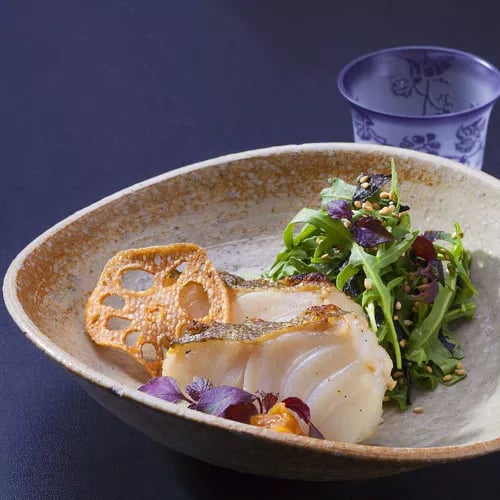
Hanasato practices Washoku with quiet discipline, its kitchen devoted to the subtle art of Japanese tradition. Ultra-fresh sashimi arrives with hand-grated wasabi and robust soy, while chawanmushi delivers deep umami from carefully prepared dashi. The interactive shabu shabu ritual—diners swirling thin-sliced vegetables and meat through aromatic broth—demands pre-ordering, as does the six-course menu. Reservations require advance commitment; the rewards justify the planning.

Michelin Selected
Beneath centuries-old beamed ceilings, Nassau pairs historic grandeur with sleek contemporary design, its dining room opening onto views of the walled Prinsentuin garden. The kitchen delivers elaborate Modern French compositions—langoustine, Anjou pigeon—while unexpected Asian inflections appear in dishes like hamachi dressed with miso, coconut, and lemongrass. A thoughtfully assembled wine list emphasizes German bottles, rewarding those who explore beyond the obvious.

Michelin Selected
Chef Jeroen Sportel's single-menu format at Vive La Vie keeps diners deliberately off-balance—each visit brings a new seasonal composition shaped by Japanese techniques and broader Asian influences. The retro interior wraps the room in understated warmth, setting a tone suited to unhurried celebration. Expect layered, technically ambitious plates where precision and creativity share equal billing.
Frequently Asked Questions
Which neighborhoods in Groningen offer the best hotel locations?
+
The historic center around Grote Markt provides walkable access to major attractions and dining. The Hoge der A canal district offers quieter stays in converted merchant houses, while properties near the train station suit those exploring the wider northern region.
What makes Groningen's restaurant scene distinctive?
+
The city's large student population drives culinary experimentation, resulting in restaurants that emphasize seasonal Dutch ingredients with contemporary techniques. The Folkingestraat corridor concentrates many acclaimed establishments within a compact walking area.
Is Groningen easily accessible for international visitors?
+
Direct trains connect Groningen to Amsterdam Schiphol Airport in approximately two hours. The compact city center makes car rental unnecessary — cycling remains the preferred local transport, with rental options widely available.
Nearby Destinations
Explore Netherlands


Groningen
The northernmost major city in the Netherlands rewards visitors with a concentrated historic center where medieval architecture meets progressive Dutch design. The Grote Markt anchors daily life, its cafés spilling onto cobblestones beneath the Martinitoren's Gothic silhouette. From here, canals radiate outward through neighborhoods like the warehouse-lined Hoge der A, where former trading houses now contain design studios and independent galleries.
Groningen's dining culture reflects its youthful energy — the city's population skews remarkably young, with students comprising nearly a quarter of residents. This demographic shapes a food scene that prizes innovation and sustainability, with restaurants sourcing from surrounding farmland and the nearby Wadden Sea. The Folkingestraat, once a Jewish commercial street, has reinvented itself as a culinary corridor where contemporary Dutch cooking finds expression in intimate spaces.