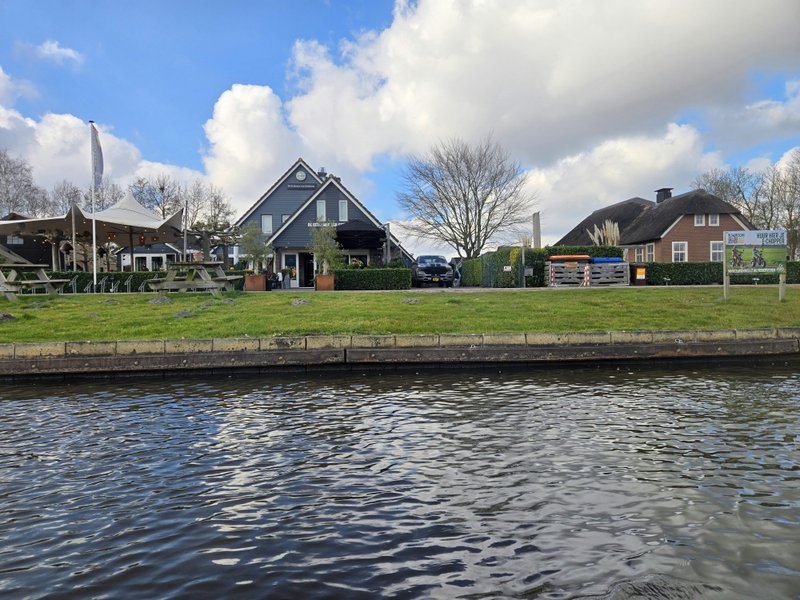
A thatched-roof farmhouse overlooking magnificent English gardens sets the stage for Martin Kruithof's two-Michelin-starred cooking. His ingredient-led approach honors classic foundations while drawing on international accents—langoustine arrives impeccably cooked, lifted by caper-laced sauce and garden-grown broad beans with camomile flowers. Luxurious guestrooms extend the stay, and the chef himself occasionally pilots guests through Giethoorn's canals aboard his own sailboat.
Since 1978, this Blokzijl dining room has maintained its Michelin star with remarkable consistency. The chef's precise hand with organic, local ingredients yields dishes like half Canadian lobster in open lasagne, paired with bitter Blokzijl endive and bay leaf-scented bisque. Window seats frame the lock and traditional brick façades; upstairs diners spot the neighborhood storks' nest across the street.
A former schoolhouse turned spirited brasserie, Bovenmeester retains its original coat hooks while serving Bib Gourmand-recognized cooking under chef Raymond's direction. The kitchen favors generous, confident preparations—veal cheeks arrive succulent alongside crispy pommes dauphine and Belgian endive braised in orange, finished with dual sauces of mustard and Spanish wine reduction. Classic technique meets modern polish in satisfying portions.
A former inn bordering the Spaarbankbos forest provides the setting for chef Herco van Arragon's seasonal, contemporary cooking. His precise technique shines in dishes like skate wing paired with grey shrimp, a deeply flavored bisque, and sweet potato-ginger cream—powerful yet balanced. Cynthia's genuinely warm service creates an atmosphere where spontaneity and experience intertwine, making every visitor feel immediately at home.
Two brothers helm this convivial Vollenhove address near the Weerribben wetlands: Raimon commands the kitchen while Peter Ian orchestrates the dining room with infectious warmth. The cooking balances classic Dutch sensibilities with inventive flourishes—think impeccably fried cod lifted by a delicately spiced beurre blanc. Beyond wine, Peter Ian's curated beer selections prove revelatory pairings, making Robuust a spirited detour from Giethoorn's waterways.
A monumental 1860 warehouse on Stoombootkade—once a trading post for candied citrus peel—now houses this Michelin Plate restaurant where global influences shape contemporary Dutch cooking. The chef's inventive hand shows in dishes like poussin breast lifted by Asian spices, while vegetables and fruit take unexpected center stage. The waterfront terrace rewards those who secure it; evening menus offer the fullest expression of the kitchen's ambitions.
Frequently Asked Questions
How do visitors reach accommodations in Giethoorn without roads?
+
Most hotels and guesthouses arrange boat transfers or provide private moorings. Guests typically park in designated lots at the village edge and continue by electric whisper boat or on foot via the towpaths. Some properties offer bicycle collection from Steenwijk railway station.
What distinguishes the Weerribben-Wieden wetlands from other Dutch landscapes?
+
This is lowland peat bog rather than reclaimed polder. The terrain was shaped by medieval peat diggers rather than windmill-driven drainage. The result is a labyrinth of narrow lakes, reed islands, and floating vegetation mats — habitat for otters, bitterns, and marsh harriers found nowhere else in the country.
When is the quietest time to visit the region?
+
Late October through March sees minimal tourism. The national park remains open year-round, and accommodations often reduce rates significantly. Winter frost transforms the landscape — locals skate between villages when ice permits, and the silence across the wetlands becomes almost absolute.
Nearby Destinations
Explore NetherlandsThe village of Giethoorn sits within the Weerribben-Wieden National Park, a protected peatland formed by centuries of turf extraction. Canals replaced roads here — the original settlers dug waterways to transport peat, leaving behind a network that now defines daily life. Most properties face these narrow channels, accessible by wooden footbridge or flat-bottomed boat. The surrounding wetlands extend into one of northwestern Europe's largest freshwater marshlands.
Beyond the postcard-famous canals of Giethoorn proper, the broader Weerribben region unfolds into reed beds, lakes, and farming hamlets. Lodgings range from converted farmhouses with exposed timber beams to modern glass-fronted structures designed to frame the water. Autumn brings migratory birds and mist rising off the marshes; winter occasionally freezes the canals solid enough for skating. The area remains quieter than the summer crowds suggest, particularly in the settlements of Belt-Schutsloot and Kalenberg to the north.