


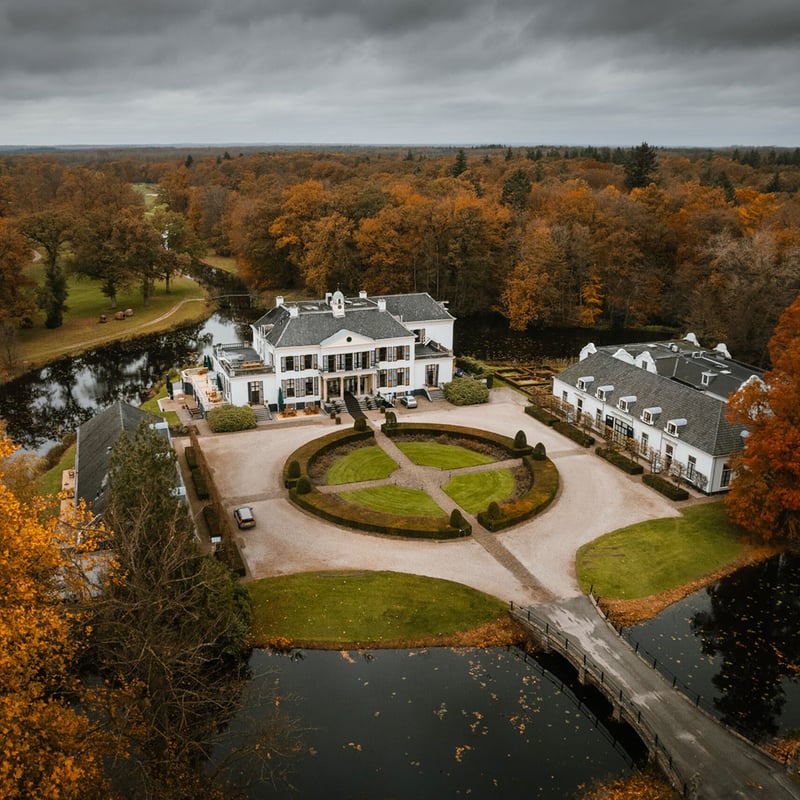
A moat-encircled castle turned country hotel, Kasteel Engelenburg delivers the full Dutch estate experience: 41 generously sized rooms outfitted with modern technology, views across manicured gardens from mullioned windows, and an adjacent golf course for morning rounds. Evenings drift toward the well-stocked whisky bar, where the property's historic grandeur finds its most convivial expression. Built for golfers and history buffs alike.
Hanseatic Towns Travel Guide: Best Hotels, Restaurants & Experiences 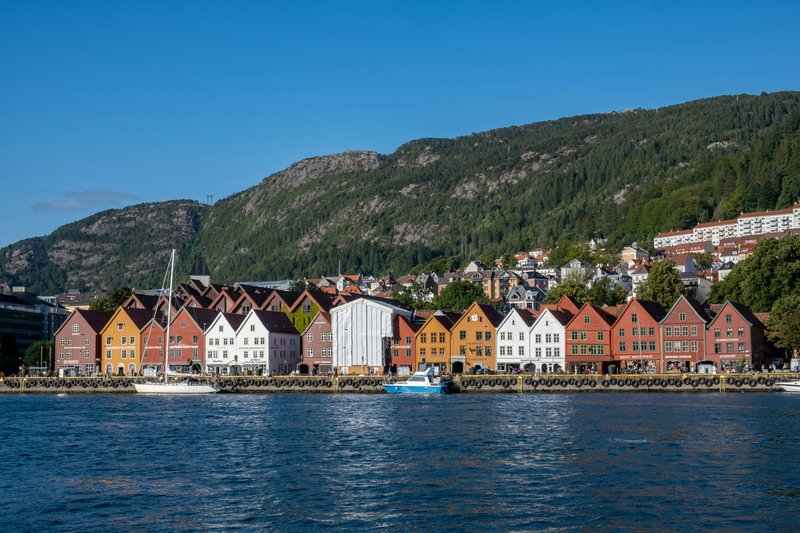
Explore Hanseatic Towns
Hotels (1)
Restaurants (4)
Where to Stay
Where to Eat

Michelin Selected
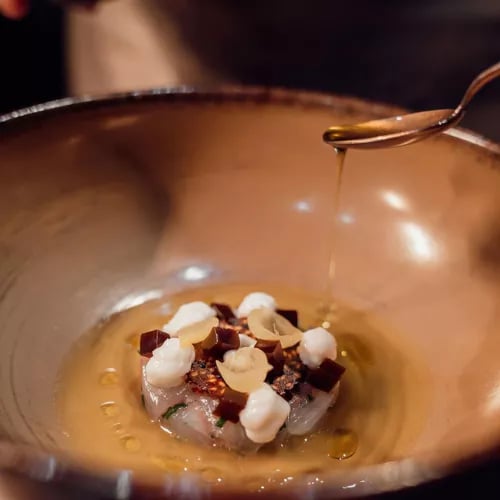
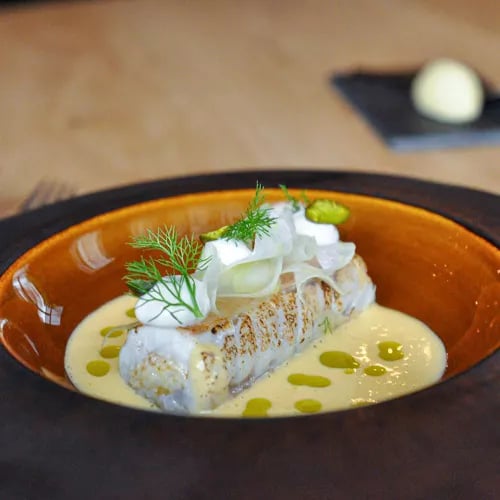
Within the stone walls of a thirteenth-century monastery, chef Niels van Dooijeweert orchestrates a striking dialogue between heritage and modernity. The refectory where Franciscan friars once dined now hosts an ultra-contemporary open kitchen, from which emerge boldly flavored French compositions—pan-seared sea bream lifted by curry, papaya, and lemon oil exemplifies his assured hand with texture and spice.

Michelin Selected
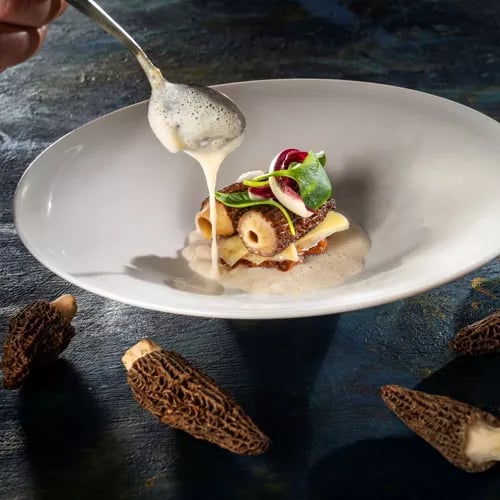
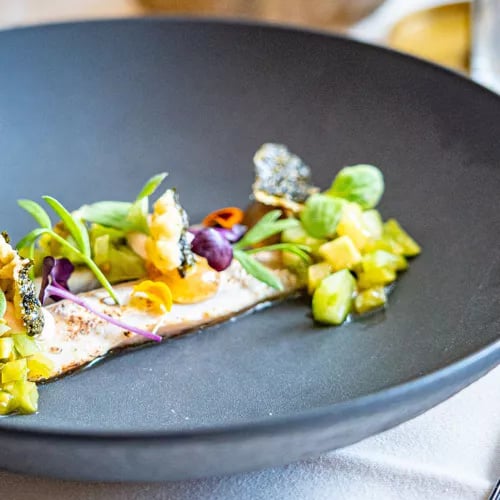
Inside a 19th-century greenhouse on the Kasteel Engelburg estate, Restaurant Judith delivers farm-to-table cooking rooted in classical technique. The kitchen emphasizes brightness and freshness, building dishes around pristine ingredients and exuberant sauces with calibrated spicing—curry deployed with surgical precision. A notable South African wine list complements the sophisticated plates, while post-dinner whiskies await in the castle lounge.

Michelin Selected
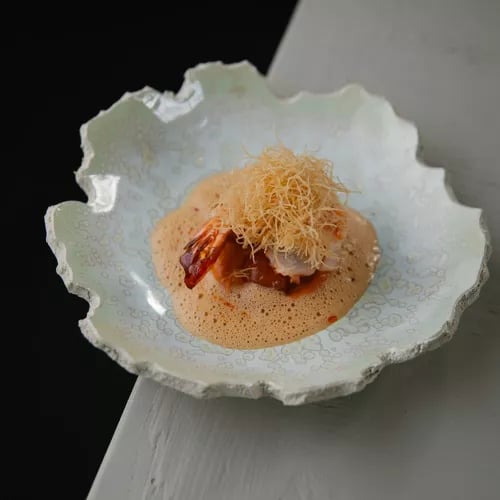
Chef Charles Ek's surprise menu at Tante Blanche draws from his aunt's treasured recipes, reimagined through a contemporary lens with precise touches of heat and freshness. A signature langoustine arrives in a puffed quinoa crust, paired with curry-lemongrass sauce and vadouvan-spiced carrot. The chic dining room spills onto a coveted front terrace, while knowledgeable staff navigate a thoughtfully assembled wine selection. Vegetarian tasting menus available.

Bib Gourmand
Crossing a moat to reach this medieval fortification, diners discover a Bib Gourmand restaurant where classic fine dining finds contemporary expression. The chef's inventive approach pairs skate with scallops in compositions that echo choucroute garnie, delivering rich, thoughtfully layered flavors. Inside the distinctive sloping-walled building, a splendid renovation honors the historical bones while creating an intimate stage for modern cuisine.

Michelin Selected
A spiral staircase and rustic tiles anchor 't Arsenaal in Deventer's past, while the bright, sleek dining room speaks to contemporary tastes. The modern French kitchen draws on international accents—crisp pork belly with kimchi, lamb lifted by cumin—offered à la carte or as a surprise menu. Summer evenings belong to the courtyard terrace, set dramatically between the buttresses of the Lebuinuskerk.

Michelin Selected
Chef Wouter van Leeuwen orchestrates a farm-to-table menu at this Pillows hotel restaurant where the River IJssel provides a cinematic backdrop. His cooking pivots between timeless preparations—impeccable steak tartare—and inventive plates like North Sea crab dressed with espuma and powdered tomato. The glass-walled conservatory and waterside terrace frame Deventer's historic skyline, ideal for unhurried afternoon lunches.
Frequently Asked Questions
Which Hanseatic town has the best-preserved medieval architecture?
+
Deventer and Zutphen compete for this distinction. Deventer's Bergkwartier quarter features remarkable medieval and Renaissance facades climbing the hillside, while Zutphen's Librije — a chained library within the Walburgiskerk — represents one of Europe's finest surviving medieval book collections. Both towns escaped major wartime damage, leaving their historic cores largely intact.
How are the Hanseatic towns connected for a touring itinerary?
+
The towns follow the IJssel River corridor, making them natural stops on a north-south route. Zwolle and Kampen lie fifteen minutes apart. Deventer and Zutphen anchor the southern stretch. Regional trains connect all major towns, and cycling paths trace the riverbanks between them — a popular way to travel during warmer months, with luggage transfer services available for multi-day tours.
What distinguishes the dining scene in these smaller Dutch cities?
+
The restaurants here favor regional sourcing over international trends. Chefs work with IJssel eel, Veluwe game, and vegetables from nearby farms. Historic settings — vaulted cellars, converted warehouses, canal-side terraces — provide atmosphere without the premium pricing of larger cities. Reservations come easier, and kitchen teams often greet guests personally.
Nearby Destinations
Explore Netherlands



Hanseatic Towns
The former Hanseatic trading posts of the eastern Netherlands — Zwolle, Deventer, Kampen, Zutphen, Doesburg, and Harderwijk — preserve their medieval merchant heritage along the IJssel and Vecht rivers. Brick warehouses converted into restaurants line cobblestone quays. Gothic churches anchor market squares where weekly markets still trade as they have for centuries. The pace here runs slower than in Amsterdam or Rotterdam, and the welcome feels more personal.
Each town maintains distinct character. Zwolle's star-shaped fortifications encircle a lively restaurant scene concentrated around the Grote Markt. Deventer's Bergkwartier climbs steep lanes past half-timbered facades toward the Lebuïnuskerk. Kampen's three medieval gates still guard approaches to its waterfront, where the old fish market now hosts contemporary kitchens. The regional cooking draws on river fish, asparagus from the sandy soils, and aged Overijssel cheeses — straightforward ingredients prepared without fuss.