


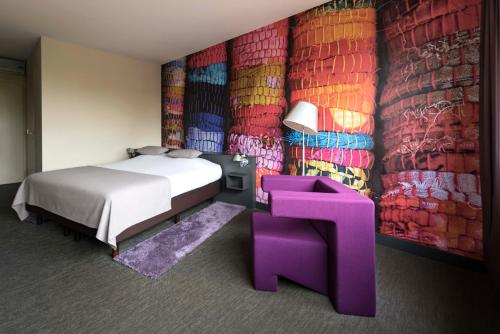
A former carpet factory in Oss, De Weverij retains its industrial heritage while wrapping guests in warm, tactile materials that soften the structure's past. Sixty rooms split between designer-forward aesthetics and traditional comfort give travelers a choice of atmosphere. The on-site restaurant and bar anchor evening hours, while a garden offers daytime respite—a practical base for those exploring the southern Netherlands or nearby golf courses.
's-Hertogenbosch Travel Guide: Best Hotels, Restaurants & Experiences 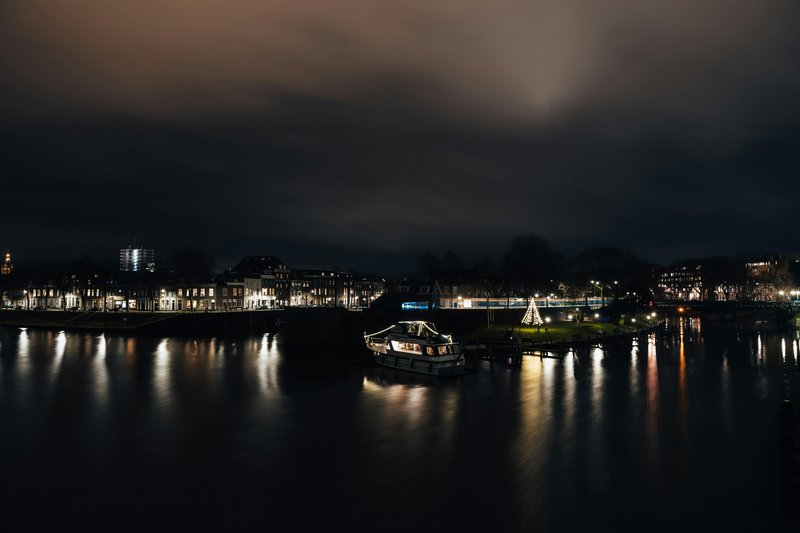
Explore S Hertogenbosch
Restaurants (2)
Where to Stay

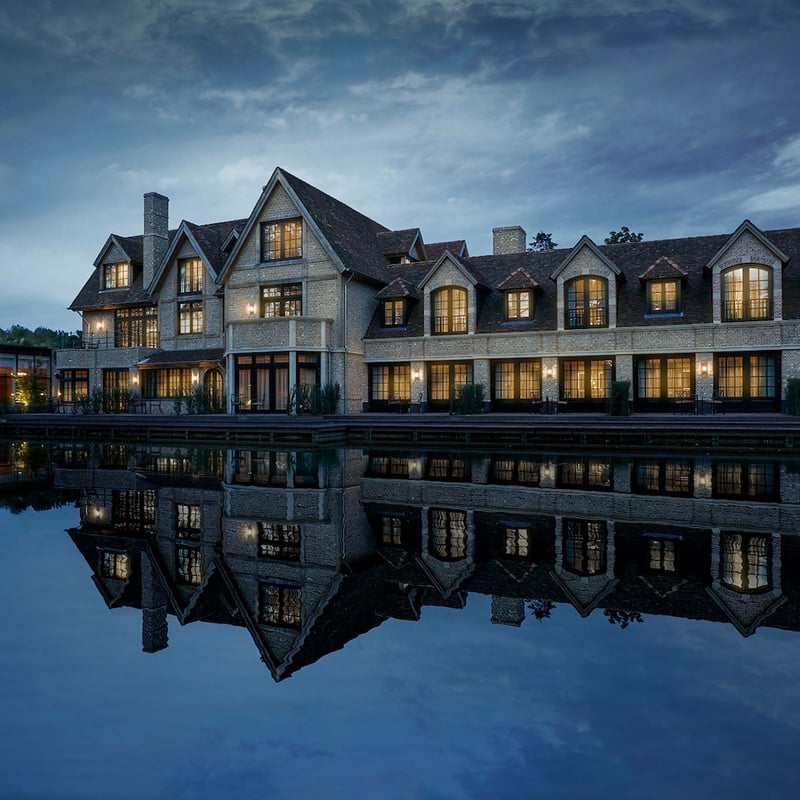
On the former hunting grounds of the Dukes of Brabant, this private members' club doubles as a 20-suite hotel designed by Famke van Eerd-Hinrichs. Rich saturated colors and bold patterned textiles fill interiors where butler service comes standard. Golfers arrive for the championship course; others linger in the spa's jacuzzi or garden terrace, dining between a fine-dining restaurant and casual brasserie.
Where to Eat

★ Michelin
A futuristic structure resembling a landed spacecraft on Bernardus golf course houses this one-Michelin-starred destination. Chef Schoonus weaves subtle Asian influences through contemporary plates—grilled sole brightened with orange salt and kimchi beurre blanc, pristine sushi, Wagyu A5 from the Robata grill. The terrace overlooks manicured greens, setting the scene for relaxed, discovery-driven dining where intricate sauces deliver surprise at every course.

★ Michelin
Inside a 17th-century villa near 's-Hertogenbosch, chef Dennis Middeldorp runs two distinct operations: a relaxed gastrobar for elegant small plates and a refined dining room serving creative multi-course menus. His cooking fuses classical French technique with Asian brightness—smoked eel and foie gras terrine lifted by vadouvan espuma and dashi oil, lamb fillet matched with anise-scented jus. One Michelin star confirms the precision.

★ Michelin
Inside a converted butcher's shop in the fortified village of Ravenstein, chef Hans Derks practices restrained creativity—dishes built from few elements, each in precise harmony. His ajoblanco arrives with fresh herring and jewel-toned vegetables; his tournedos Rossini gets a contemporary treatment. Mediterranean warmth meets Eastern intensity, regional suppliers inform every plate, and deep flavors emerge without theatrical flourish. One Michelin star.

Michelin Selected
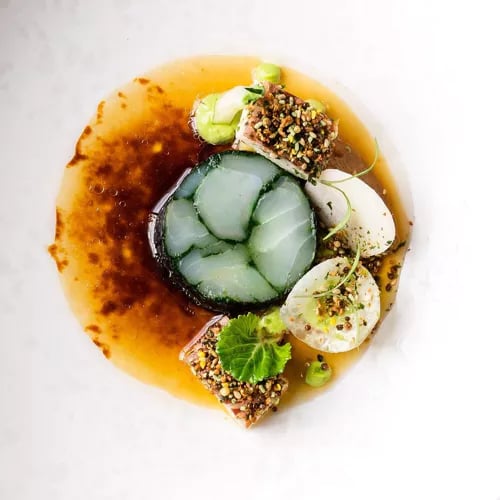
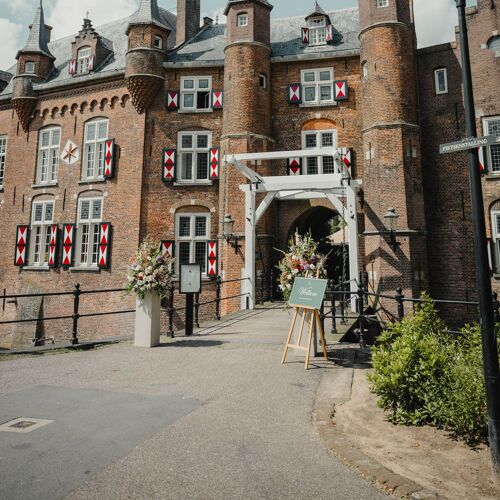
A thirteenth-century castle with drawbridge and moat sets the stage for chef-driven cooking that applies French technique to Dutch ingredients. The medieval hall features an imposing fireplace and a playful portrait of the eponymous knight clutching a smartphone. On the plate, creativity runs high—North Sea crab arrives with cucumber sorbet, celery oil, and wakame, a dish emblematic of the kitchen's sophisticated, produce-focused ambition.

Michelin Selected
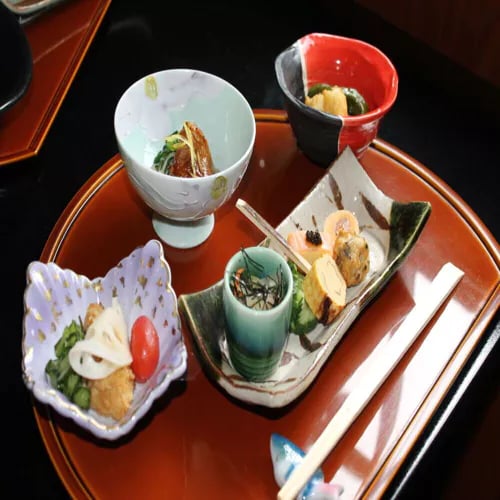
A veteran of traditional Japanese cooking in 's-Hertogenbosch, Shiro delivers kaiseki-ryori with the precision of decades of practice—delicate courses balancing intense flavors against subtle textures. The sushi demands advance notice, prepared only with ultra-fresh fish and impeccable rice. Crisp shrimp tempura and aromatic teriyaki round out an intimate menu, while the hostess guides diners through thoughtful sake pairings.

Michelin Selected
Chef Gijs Hoevenaars trained at De Lindehof before establishing this thatched-roof farmhouse on Uden's rural edge, where wooden beams and rustic charm frame an eclectic culinary repertoire. The extensive à la carte spans tournedos Rossini alongside Mediterranean and Asian influences—his tuna sashimi, lifted with soy, citrus, and pickled vegetables, demonstrates confident cross-cultural technique. A terrace overlooks open fields for unhurried summer dining.

Michelin Selected
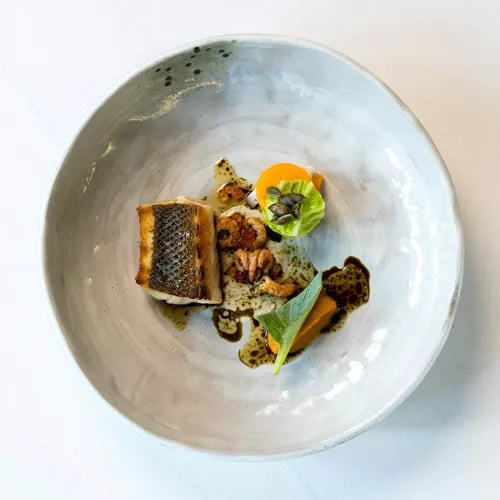
Bar seating here puts diners within arm's reach of a kitchen where monkfish arrives with verjus beurre blanc and spring asparagus meets morels glazed in veal jus with rhubarb-tinged butter. Noble Gastro House operates on flexibility—half portions or full courses, quick plates or extended meals—while its chefs toggle freely between refined technique and humble ingredients, yielding contemporary plates that balance precision with approachability.

Michelin Selected
Chef Martin Berkelmans runs an on-site fermentation lab where vegetables from a nearby food forest and local farm undergo transformation before taking center stage on the plate. Meat and fish play supporting roles—a partridge breast, for instance, arrives alongside parsley root, walnut purée, and a cassis-laced sauce. The dining room's industrial bones softened by organic textures create an atmosphere as unconventional as the cooking.
Frequently Asked Questions
What is a Bossche bol and where can I find one?
+
A Bossche bol is a large chocolate-covered pastry filled with whipped cream, originating in 's-Hertogenbosch. Bakeries throughout the city centre sell them fresh daily, particularly around the Markt square. The pastry is messy to eat—locals recommend biting through the chocolate shell and accepting the inevitable cream spillage.
How do I explore the Binnendieze canals?
+
Guided boat tours depart from the Molenstraat area and navigate the underground canal system that runs beneath the old town. Tours last approximately 50 minutes and pass through tunnels, under buildings, and along stretches where the waterway emerges at street level. Booking ahead during summer weekends is advisable.
Which neighbourhood has the best restaurant concentration?
+
Korte Putstraat and its immediate surroundings hold the highest density of restaurants in a remarkably short stretch. This pedestrianised lane features everything from contemporary European cuisine to traditional Dutch and international options, all within a two-minute walk of each other.
Nearby Destinations
Explore Netherlands


S Hertogenbosch
's-Hertogenbosch—Den Bosch to locals—anchors the province of North Brabant with a medieval core that survived where many Dutch cities surrendered theirs to postwar reconstruction. The Binnendieze, a network of waterways threading beneath street level, once served as the city's commercial arteries; today boat tours glide past cellar windows that opened onto the water centuries ago. Hieronymus Bosch painted his fantastical visions here in the late 1400s, and the Gothic St. John's Cathedral still commands the skyline with its flying buttresses and grotesque sculptures.
The compact centre rewards walking. The Markt square hosts Wednesday and Saturday markets where Bossche bollen—chocolate-glazed cream puffs the size of a fist—draw queues at bakeries that have made them for generations. Restaurants cluster along Korte Putstraat, a narrow lane nicknamed the "culinary mile" for its density of kitchens ranging from French-inflected tasting menus to Indonesian rijsttafel. After dark, brown cafés with worn wooden floors pour regional beers from La Trappe and other Brabantian breweries. The city's manageable scale means a short stroll connects Gothic stonework to a contemporary wine bar, medieval cloisters to a chef's open kitchen.