


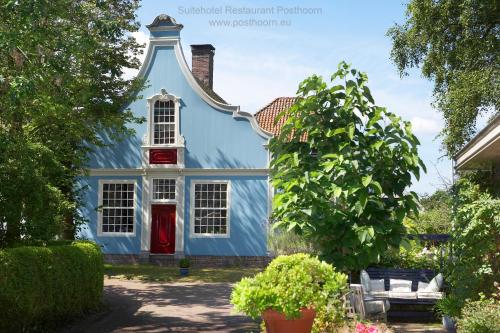
A seventeenth-century Regency house in Monnickendam, Posthoorn preserves its period architectural details while offering thoroughly contemporary luxury across just twelve rooms. The intimate scale allows for attentive service and an unhurried atmosphere, with a private garden providing quiet respite. An on-site restaurant and à la carte breakfast reward guests who appreciate Dutch hospitality fifteen minutes from Amsterdam's bustle.
Waterland Travel Guide: Best Hotels, Restaurants & Experiences 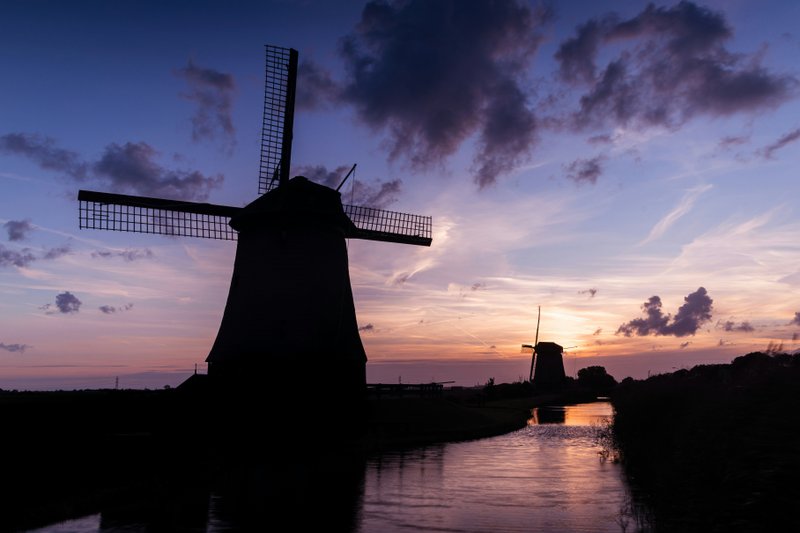
Explore Waterland
Restaurants (3)
Where to Stay
Where to Eat

Michelin Selected
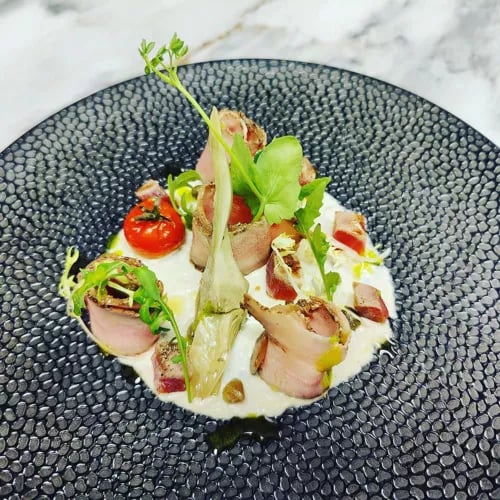
A 1618 cheese warehouse on Hoorn's Bierkade now houses this Michelin-recognized address, where exposed beams frame an open kitchen and a spacious bar suited for solo dining. The experienced chef channels Mediterranean sensibilities through modern textures and precise acidic accents, delivering plates that carry the warmth and exuberance of southern Europe. Ideal for travelers seeking substance over spectacle in a historic Dutch setting.

Michelin Selected
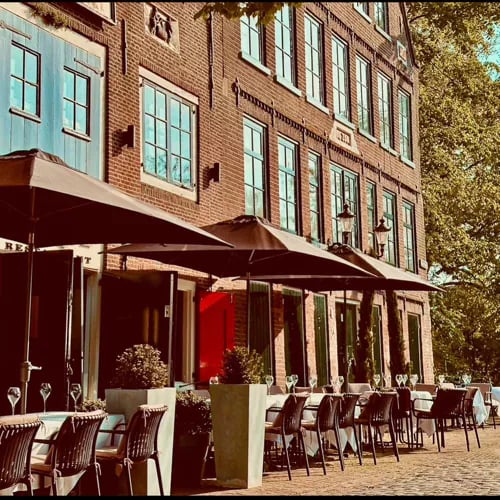
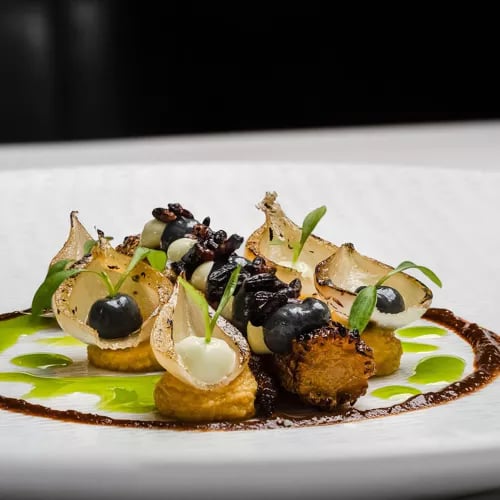
A former post office along cabbage-lined fields houses this intimate restaurant where chef Geoffrey van Melick applies techniques honed at The Fat Duck and 't Nonnetje. His cooking honors classical foundations while embracing inventive touches—witness the fillet of veal Rossini, its deeply reduced jus demonstrating the kitchen's mastery of sauce work. Meticulous garnishes and quality-driven sourcing reward travelers seeking refined countryside dining.

Michelin Selected
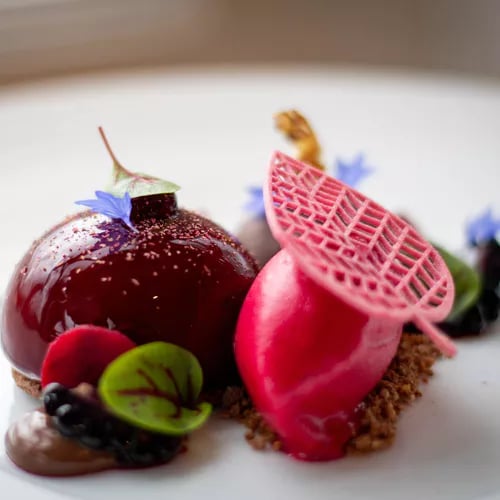
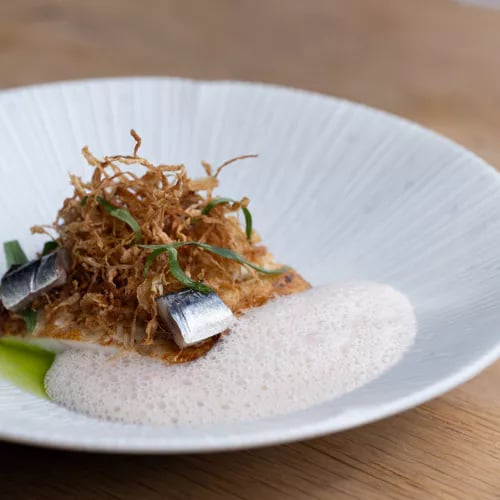
Chef Quirijn Bakker's Mediterranean-inflected cooking at QuiDine draws on his tenure at distinguished kitchens to deliver accessible fine dining with genuine inventiveness. The set-menu format—diners select only the number of courses—allows focus on details like smoked trout lifted by ajo blanco cream or desserts sharpened with strawberry vinegar and chilli. The intimate, living-room atmosphere suits travelers seeking sophistication without ceremony.

Bib Gourmand
Overlooking Hoorn's historic harbour, HAVN delivers a Bib Gourmand experience shaped by chef Robin Blaauw's globe-spanning palate. The open kitchen anchors a lively room where South American heat collides with Asian precision, all grounded in premium Dutch produce. Beef tataki arrives with watermelon and sambal vinegar; dessert closes with chocolate, tonka bean, and bright calamansi. Mediterranean-inflected bistronomy for curious appetites.

Michelin Selected
Regional Dutch produce takes center stage at this Michelin Plate establishment in Oudendijk, where the kitchen delivers contemporary cooking stripped of pretense. The approach is deliberately unfussy—clean flavors, honest preparations, seasonal ingredients allowed to speak for themselves. Beyond the dining room, modern guestrooms permit an overnight stay, while the sprawling venue accommodates private gatherings and celebrations.
Frequently Asked Questions
Which villages in Waterland are worth visiting?
+
Broek in Waterland charms with its grey and pastel wooden houses reflecting strict historical paint regulations. Monnickendam offers a working harbor and Gothic architecture, while Marken provides insight into traditional fishing village life on what was once an isolated island.
How do I reach Waterland from Amsterdam?
+
The most rewarding approach is by bicycle along the Markermeerdijk dyke path, taking roughly forty minutes from Amsterdam Centraal. The Waterland bus route 311 also connects the capital to major villages, or you can take the ferry from Amsterdam Noord to begin exploring immediately.
What traditional foods should I try in Waterland?
+
Smoked eel from Monnickendam's historic smokehouses remains the regional specialty, prepared using methods unchanged for generations. Local dairy products, particularly aged Edam-style cheeses from small farms, and freshwater fish from the surrounding lakes also define the area's culinary heritage.
Nearby Destinations
Explore Netherlands



Waterland
Waterland unfolds north of Amsterdam as a protected polder landscape where time moves to the rhythm of tides and seasons. The region encompasses a constellation of villages — Broek in Waterland with its pastel-painted wooden houses, Monnickendam's medieval harbor lined with smoked eel houses, and Marken, the former island where residents still wear traditional dress during festivals. Narrow dykes separate grazing meadows from reed-fringed canals, creating a geometry of water and land that has defined Dutch identity for centuries.
The culinary character here draws from this waterlogged terrain: eel smoked in centuries-old smokehouses, cheese aged in village dairies, and freshwater fish pulled from the Gouwzee. Farm tables and waterside terraces serve dishes that reflect the honest traditions of Noord-Holland. The region's proximity to Amsterdam — twenty minutes by bicycle through flat polder paths — makes it a compelling counterpoint to the capital, yet it maintains its own distinct rhythm, shaped by the needs of dairy farmers, fishermen, and the ever-present management of water.