A 13th-century monastery once built for pilgrims honoring the hermit Gerlach now anchors this 114-room estate in the Geul Valley, its church still adorned with 18th-century frescoes. Baroque gardens, a working vineyard, and rose-filled grounds frame country-chic accommodations. A Roman-style indoor pool and spa with Turkish bath provide restoration, while Les Salons delivers refined French cuisine in aristocratic surroundings—ten minutes from Maastricht.
Where to Stay
Behind the stern façade of a nineteenth-century Dutch prison, forty cells have been stripped to bare brick and refitted as pared-back contemporary rooms—iron doors exchanged for glass, wardens for concierges. A sauna occupies former service quarters, while the courtyard garden softens the institutional geometry. The on-site restaurant and bar draw from the building's theatrical severity, and nearby golf courses extend the stay for active guests.
A moat encircles this farmhouse-château near the German border, its outbuildings converted into spacious rooms with mezzanines and private terraces overlooking the grounds. Guests dine among period furniture in the on-site restaurant, then borrow bicycles to explore the surrounding countryside. The pet-friendly property maintains extensive gardens, with golf courses nearby for those seeking a sporting counterpoint to the pastoral setting.
Rolling green hills visible from every angle earned this 36-room family hotel its apt name. The spa complex—hammam, sauna, jacuzzi, indoor pool—anchors a wellness-focused stay, while bikes stand ready for guests eager to explore the surrounding Limburg countryside. Stylish rooms, an on-site restaurant, and peaceful gardens complete a retreat suited to active travelers seeking both exertion and recovery.
A converted watermill houses the restaurant at this 130-room estate, where diners spill onto a lakeside terrace come summer. The adjacent château hosts conferences and events, while leisure guests drift between the indoor pool, jacuzzi, and sauna. Sprawling gardens welcome dogs and their owners, and golfers find courses nearby—a full-service country retreat for extended stays.
Family-run Creusen occupies a tranquil corner of the Limburgse Heuvelland, its 22 rooms—several commanding sweeping views of the surrounding countryside—reflecting genuine hospitality rather than corporate polish. An indoor swimming pool and sauna provide post-hike restoration, while a well-stocked library and nearby golf courses suit those seeking quieter diversions. The garden setting reinforces the sense of rural retreat.
A thirteenth-century castle on the edge of Baarlo, this fifty-room retreat wraps contemporary interiors in medieval stone walls and original beamed ceilings. De Tuin van de Barones serves refined plates built from estate-grown produce, while The Living lounge offers all-day dining beside an extensive wine cellar. Guests borrow bicycles to roam the surrounding forests, returning for candlelit suppers in the tranquil gardens.
Built around a genuine hot spring, this 65-room health farm centers wellness into every aspect of the stay—guests access an extensive thermal complex with indoor and outdoor pools, saunas, and beauty treatments as standard. The on-site Pure restaurant frames seasonal Dutch cooking against panoramic views of the Limburg hills, while landscaped gardens extend the sense of retreat beyond the spa walls.
A sixteenth-century manor restored with evident care, Winselerhof occupies a tranquil valley where its own vineyard and herb garden frame the grounds. The 49 rooms carry the weight of history without sacrificing comfort, their character rooted in centuries-old architecture. Dogs are welcome, golf courses lie minutes away, and the surrounding Limburg hills reward those who venture beyond the estate's peaceful confines.
Where to Eat
Hans van Wolde's two-Michelin-starred table occupies a reimagined Limburg farmstead where guests progress through aperitif lounge, intimate salon, and open kitchen—each space designed with chalet-like refinement. His creative French cooking favors deep, layered sauces: seared langoustine arrives atop roasted onion tarte Tatin, brightened by som tam salad and aromatic tom yum. Lodges and a mansion offer overnight stays for those reluctant to leave.
Inside a 1769 half-timbered farmhouse redesigned with Japanese zen restraint, chef Robin van de Bunt orchestrates a one-starred menu where Dutch terroir meets Far Eastern precision. Guests at the dining counter watch appetisers emerge—red shiso ice cream with sakura-sesame coulis, miso-glazed sea bass lifted by shiitake-bonito depths. His family runs front-of-house with infectious warmth, making complexity feel effortless.
Raw industrial architecture and striking murals set the stage for chef Edwin Soumang's sustainability-driven cuisine at this one-Michelin-starred address. His 1,000-square-metre urban kitchen garden supplies much of what reaches the plate—Geuldal suckling lamb with mint-yoghurt dressing, Wellant apple soufflé—while a riverside terrace along the Roer offers post-dinner respite. The Michelin Green Star confirms an unwavering commitment to ecological gastronomy.
Chef Hans Kinkartz brings one Michelin star to this half-timbered house in Gulpen, where modern French technique meets Asian inflection. Crispy red mullet arrives with briny mussels and lardo di Colonnata beneath baharat-spiced espuma; dessert pivots to smoky barbecued pineapple with umeboshi and chai ice cream. The industrial-contemporary interior sharpens the focus, while hostess Ellen's wine pairings match the kitchen's inventive spirit.
Behind the walls of a château founded in 1200 as a pilgrimage monastery, Les Salons unfolds across three Belle Époque dining rooms adorned with murals and aristocratic flourishes—ask the staff about the bullet hole in the two-way mirror. The kitchen gives French classicism a modern pulse: rich sauces, crisp textures, and bright citrus accents that lift dishes like braised halibut with mushroom emulsion. A terrace surveys immaculate formal gardens.
A former 1891 church with rugged black walls and an exposed roof truss now hosts chef Sven Nijenhuis's farm-to-table kitchen. Diners at the chef's table watch every precise movement in the open kitchen, while upstairs an organ-shaped bar nods to the building's sacred origins. French technique meets inventive seasonings—slow-cooked pork cheeks arrive with Thai basil mayonnaise and fenugreek-laced jus, each sauce a study in depth.
Margo Reuten has held a Michelin star since 1999, the sole female chef with this distinction in the Netherlands Guide. Her seasonal cuisine balances contemporary technique with classical sauces—North Sea turbot arrives with watercress vinaigrette and lobster tempura, presentation as precise as flavor. Through the glass-fronted kitchen, guests observe this meticulous craft while sommelier Petro Kools orchestrates wine pairings with equal finesse.
Long before sustainability became a buzzword, chef Thoma was cultivating his own vegetable garden and forging relationships with small-scale Limburg producers. His farmhouse dining room, accented by striking designer lighting, hosts a surprise-only menu that showcases this philosophy: North Sea rosefish, grainy spelt risotto, nettle-laced beurre blanc. A Michelin Green Star recognizes his pioneering commitment. The food forest he planted signals even deeper ambitions.
Roermond's former prison now houses this Modern French table within Het Arresthuis hotel, where chef Jeroen van Gansewinkel plays with expectation—bread and water arrive first, a wry nod to the building's past. His cooking layers international accents onto French foundations: lamb brightened with za'atar and smoked paprika, langoustine lifted by basil-scented beurre blanc. Complex, assured, criminally satisfying.
A former camping farm turned destination table, Holsterhof draws diners to its luminous, greenery-wrapped dining room where chef Kaj demonstrates uncommon mastery of sauces. His two set menus pivot on bold yet unfussy combinations—quail leg with black lentils gains unexpected depth from a red curry laced with coconut milk. The service, led by hostess Lissa, keeps the atmosphere convivial rather than ceremonial. Michelin Plate.
What to Do
Beneath the ancestral stone arches of a château dating to 1200, treatment rooms occupy former cellars where raw minerality and time-worn wood set an evocative tone. The centerpiece: a Roman bath-inspired pool with bay windows opening onto the Geul Valley's natural landscape. Turkish hammam and sauna complete the subterranean retreat, surrounded by the estate's vineyards, herb gardens, and the protected Ingendael reserve.
Frequently Asked Questions
What makes the Limburg Hills landscape different from the rest of the Netherlands?
+
Limburg is the only Dutch province with significant elevation changes. The terrain features rolling hills up to 322 meters at the Vaalserberg, deep-cut holloways (sunken lanes eroded over centuries), and extensive forests. The loess soil—blown in during ice ages—gives the region its distinctive agricultural character and supports vineyards not found elsewhere in the country.
Which villages in the Limburg Hills are best for a countryside stay?
+
Epen offers a concentrated village atmosphere with walking trails into the Geul valley. Gulpen is known for its independent brewery and serves as a base for cycling the heuvelland. Mechelen and Vijlen sit higher in the hills with views across pastureland, while Valkenburg provides more amenities alongside its cave systems and castle ruins.
What regional dishes should visitors expect in Limburg?
+
The province has its own culinary identity within the Netherlands. Vlaai—a fruit-topped pastry—appears in every bakery. Zoervleis is a sweet-sour braised meat dish with local roots. Spring brings white asparagus served with ham and hollandaise, while autumn menus feature wild boar and venison from surrounding forests. The region also produces its own wines, beers, and mustards.
Nearby Destinations
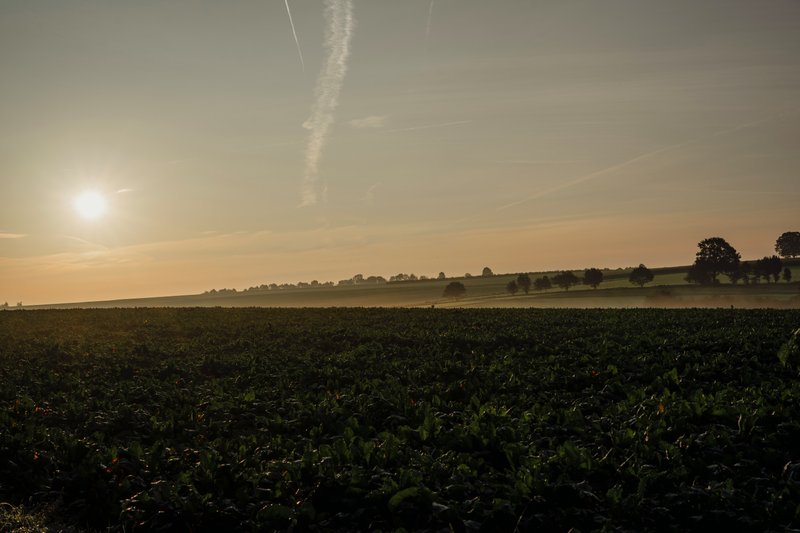
Explore NetherlandsThe Dutch province of Limburg defies every stereotype of flat Netherlands. Here, the landscape ripples with forested hills, sunken lanes carved deep into loess soil, and half-timbered villages where church bells still mark the hours. Valkenburg draws visitors to its medieval castle ruins and underground marl caves, while Maastricht anchors the region with its Burgundian café culture and Roman foundations. Between them, villages like Gulpen, Mechelen, and Epen preserve a quieter rhythm—apple orchards, small-batch breweries, and cycling routes that wind past working farms.
The accommodation landscape reflects this duality of heritage and comfort. Converted monasteries and country manors sit alongside contemporary wellness properties, many with thermal facilities fed by the region's mineral-rich springs. Dining here tilts toward the seasons: white asparagus in spring, game in autumn, and year-round charcuterie from local Limousin cattle. The café-restaurant tradition runs deep, with terraces spilling onto village squares from Sittard to Vaals, the latter marking the point where three nations meet.