


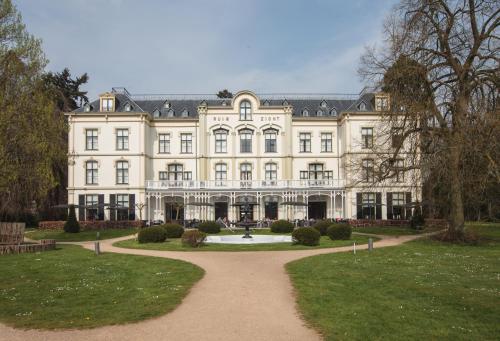
A stately 1853 monument turned boutique hotel, Villa Ruimzicht pairs its original architectural grandeur with bold Dutch Design interiors punctuated by contemporary artworks. Forty-two rooms range from classic to themed, while the surrounding garden and complimentary bicycles encourage exploration of the Achterhoek countryside. Golfers find courses nearby; business travelers appreciate dedicated meeting facilities. Bites restaurant handles mornings and casual evenings with equal polish.
Twente & Achterhoek Travel Guide: Best Hotels, Restaurants & Experiences 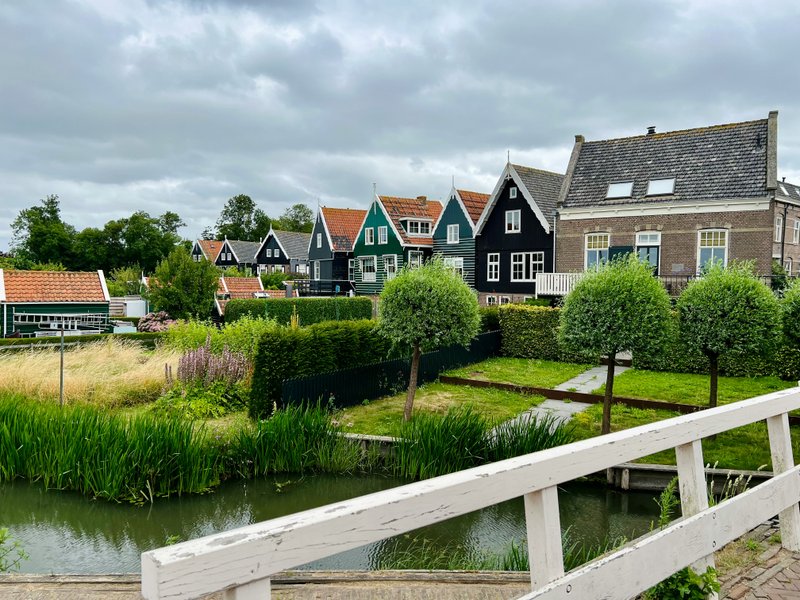
Explore Achterhoek
Restaurants (7)
Where to Stay
Where to Eat

★ Michelin
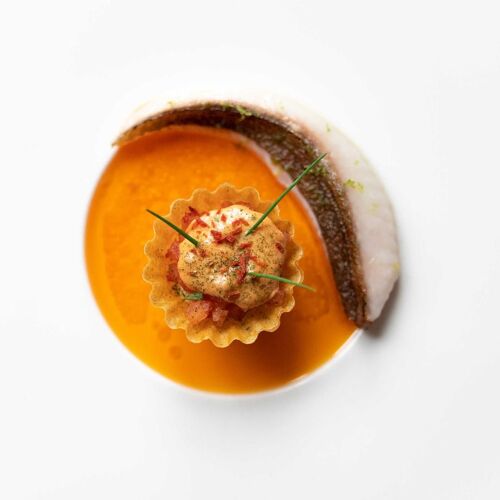
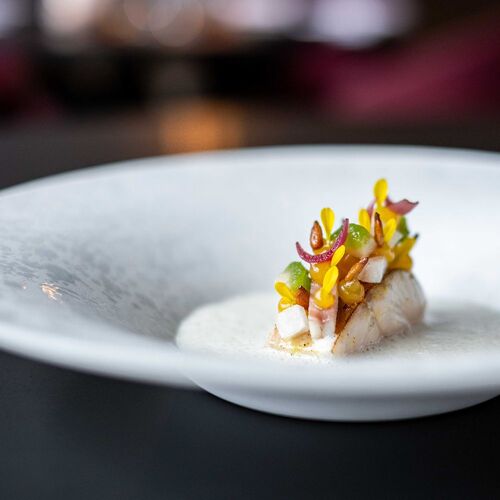
A century-old house in Hengelo's Tuindorp district provides the stage for chef Lars van Galen's one-Michelin-starred modern French cooking. His kitchen champions Twente's terroir—regional asparagus, local game—rendered in dishes like translucent pan-fried cod paired with aromatic oxtail and a punchy caper beurre blanc. The chef's table delivers theatrical proximity to the action; overnight stays extend the indulgence.

★ Michelin
A country manor surrounded by sweeping Twente fields sets the scene for Michel van Riswijk's one-Michelin-starred kitchen. Game from regional hunts and vegetables from neighboring farms anchor a menu where Far Eastern inflections meet robust European sauces. The signature pike-perch—its skin shatteringly crisp, paired with vanilla-butter cabbage and smoked eel vinaigrette—captures the generous, terroir-driven philosophy. Chandeliers and an open hearth complete the intimate fine dining atmosphere.

★ Michelin
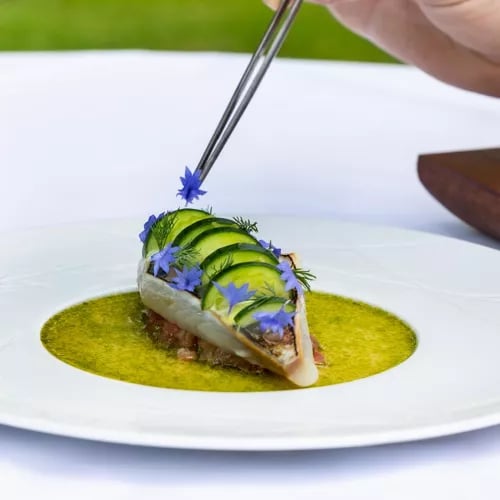
Chef Emiel Kwekkeboom's one-starred kitchen occupies a handsome 1916 building on Enschede's outskirts, its period architecture offset by contemporary dining room design and an open kitchen that draws the eye like theatre. Dishes pivot on the chef's own vegetable garden—pan-seared red mullet arrives with white grape brunoise, lemon gel, and a hazelnut-anchovy bagna cauda emulsion, each plate alive with aromatic sauces and calibrated spice.

★ Michelin
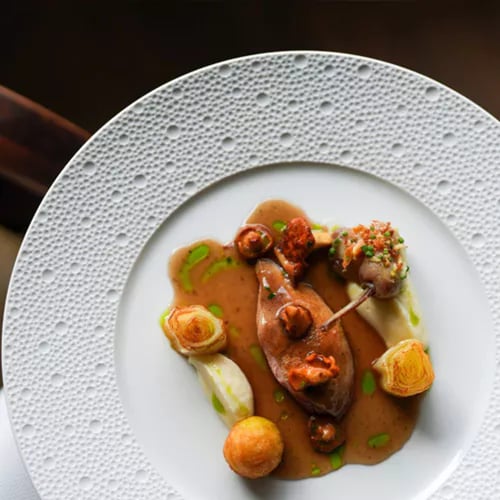
The Stoverink family has shaped this one-star address since 1998, with father Albert overseeing a distinguished wine program of French, German, and Austrian bottles while son Bram commands the kitchen. His training at De Lindenhof surfaces in refined dishes like langoustines glazed with tomato and finished with an XO sauce of scallops and goat butter, alongside house classics of eel, asparagus, and Albert's own game.

Michelin Selected
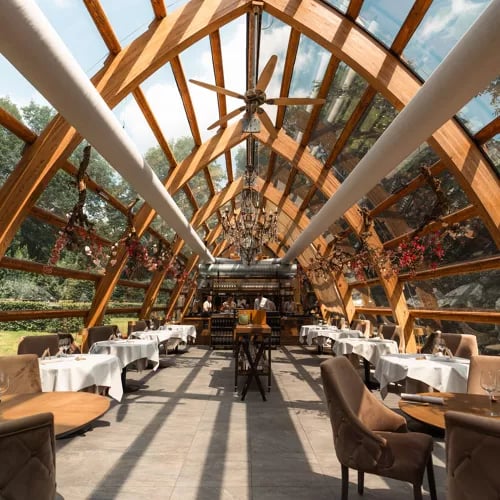
A wood-framed orangery flooded with natural light sets the stage for chef Mark's farm-to-table cooking, rooted in Achterhoek's terroir and his own kitchen garden. The surprise menu balances regional integrity with international touches—kingfish in rhubarb broth alongside yuzu sorbet and tomato-soy vinaigrette demonstrates his technical precision. Hostess Marjolein ensures warmth matches the seasonal, garden-driven plates.

Michelin Selected
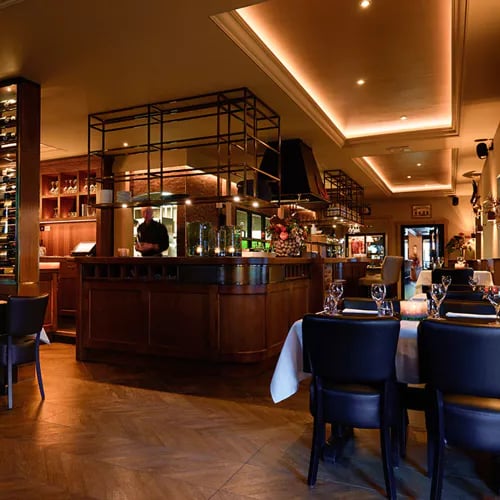
Charcoal flames dictate the rhythm at this atmospheric restaurant housed in a traditional Dutch building. The grill master works T-bone steaks, racks of lamb, and whole sole over open fire, coaxing robust, smoky intensity from each cut. French bistro classics—snails, onion soup—round out generous portions, while the affable owner steers diners through the menu with genuine enthusiasm and local warmth.

Michelin Selected
On the grounds of Twickel Castle, where hospitality has flourished since 1772, Carelshaven pairs estate grandeur with inventive plant-forward cooking. The chef cultivates an on-site kitchen garden whose yields anchor modern French plates layered with global accents—duck breast glazed with mole, sweetbreads brightened by kumquat textures. A leafy terrace frames the parkland, offering an unhurried midday or evening meal.

Michelin Selected
Chef Davy Roord's kitchen thrives on contrasts—regional lamb arrives with beetroot and celeriac textures, balanced by mustard's tang and a red wine–finished jus. Local ingredients meet exotic spices in preparations that feel exuberant yet precise. The intimate dining room maintains a lounge-like ease, while a verdant terrace extends the warmth that owners Kitty and Willem have cultivated since the restaurant's founding.

Michelin Selected· Green Star ●
A former monastery surrounded by its own farmland, Het Seminar practices rigorous sustainability—livestock, vegetables, and fruit all raised on the property, earning a Michelin Green Star. Diners compose their own tasting menu from classic preparations that emphasize bold, direct flavors: duck breast cooked to a precise rosy center, finished with lemongrass-scented jus and sweet caramelized onion. Dutch terroir, unmediated.
Frequently Asked Questions
What is the best season to visit Twente & Achterhoek?
+
Late spring brings asparagus season and blooming estate gardens, while autumn offers game menus, forest colours, and quieter roads for cycling the region's extensive network of numbered junction routes.
How do the Twente and Achterhoek regions differ from each other?
+
Twente has a stronger industrial past visible in its larger towns and repurposed factory spaces, while the Achterhoek remains more agricultural, with smaller villages, more working farms, and a slower overall pace.
What local specialities should visitors look for on restaurant menus?
+
Seek out Twentse balkenbrij (a savoury buckwheat and pork dish), smoked sausages from local butchers, regional cheeses from landgoed farms, and desserts featuring buckwheat flour from traditional watermills.
Nearby Destinations
Explore Netherlands



Achterhoek
These neighboring eastern regions share a landscape of wooded estates, meandering rivers, and Saxon farmhouses with their distinctive white-painted timber frames. Twente's textile heritage shaped cities like Enschede and Hengelo, where former factory complexes now house galleries and restaurants. The Achterhoek — literally 'back corner' — remains one of the Netherlands' least touristed areas, its quiet market towns like Winterswijk and Groenlo preserving an unhurried rhythm that disappeared elsewhere decades ago.
The dining scene draws heavily on regional produce: Twentse landgoedhoeve farms supply heritage pork and unpasteurised cheeses, while the Achterhoek's orchards yield the cider and fruit brandies that appear on local tasting menus. Kitchens here tend toward substance over spectacle — think slow-braised game, seasonal asparagus from sandy soils, and desserts built around buckwheat from the region's remaining watermills. Hotels occupy converted manor houses and renovated farmsteads, their interiors balancing contemporary Dutch design with the vernacular architecture's heavy oak beams and terracotta floors.