The 18th-century Vreugd & Rust estate, a national monument minutes from The Hague, preserves its rococo staircase and stucco ceilings while embracing a surprisingly avant-garde aesthetic. Fourteen rooms balance rustic wooden beams with geometric wallpaper, Hästens beds, and white stone bathrooms—plush velvet meeting metallic finishes throughout. Downstairs, an elegant restaurant with ornate chandeliers overlooks manicured gardens, ideal for travelers seeking historic character with contemporary polish.
Where to Stay
A landmark of Dutch seaside grandeur, the Kurhaus commands Scheveningen's beachfront with 265 rooms wrapped in Belle Époque elegance. The restaurant terrace offers unobstructed North Sea views, while an indoor pool and spa with sauna provide refuge from coastal winds. Pet-friendly policies and EV charging stations accommodate modern travelers without compromising the building's historic character.
A three-century-old building on the road between Delft and The Hague, Savarin pairs preserved architectural heritage with crisp minimalist interiors and bold design furniture. With just 35 rooms, the atmosphere remains remarkably serene. The Cityspa offers an indoor pool, hammam, and saunas, while dining spans the refined Restaurant Savarin and a Parisian-style bistro. Gardens, a wine cellar, and pet-friendly policies complete the picture.
A tiny flower shop marks the entrance to this 57-room boutique in the Haagsche Bluf district, where whimsy governs the design philosophy. Vintage model cars, rubber ducks, cassette tapes, and marbles populate different corners, while rooms feature marble bathrooms, gold accents, and portraits assembled from unexpected objects. The mood is deliberately playful—collectors and design enthusiasts will feel most at home here.
Where to Eat
Chef Ronald van Roon holds a Michelin star for his vegetable-forward Modern French cooking at this elegant Laan van Roos en Doorn address. Each morning's harvest from Laantje Voorham garden dictates the menu—confit yellow beetroot arrives with crunchy peas, red meat radishes, and a striking leek oil hollandaise. The champagne lounge sets a refined tone before dinner unfolds in the flower-accented dining room.
A handsome 19th-century villa in Voorburg provides the stage for chef Marko Karelse's refined modern cuisine, rooted in classical technique yet animated by creative instinct. The kitchen handles seafood with particular finesse—lobster paired with razor clams and a miso-laced bisque demonstrates the caliber—while spring brings coveted asparagus preparations. Morels arrive with bright acidity and deep mushroom jus, each plate precisely orchestrated.
A stately national monument surrounded by parkland, Central Park sits minutes from The Hague yet feels worlds apart. Chefs Hette Hettema and Tim Bood deliver one-Michelin-star cooking rooted in classic French technique—duck cooked on the carcass arrives with beetroot, blackberries, foie gras, and a sherry-laced jus. An exceptional wine and champagne list complements seasonal, terroir-driven plates ideal for a romantic fine dining occasion.
Chef Erik Tas carries forward a storied culinary legacy at this one-Michelin-starred table near The Hague, where turbot, veal sweetbreads, and wagyu receive reverent treatment through expertly crafted sauces—a chanterelle cream here, a deeply flavoured veal jus there. His philosophy of restraint lets premium ingredients command attention, while desserts like strawberry soufflé with vanilla ice cream demonstrate precise technical finesse.
Chef Tom Beckers commands the striking open kitchen at this Michelin-starred address in Nootdorp, just outside The Hague. His set menu demonstrates classical technique with restrained elegance—a signature foie gras composition with brioche, hazelnut and apple exemplifies the approach, while North Sea crab arrives alongside caramel crisp and chilled shellfish velouté. Thoughtful wine pairings complete the experience.
Chef Niven Kunz built his reputation on a radical premise: vegetables and fruits comprise at least 80% of every dish at this one-starred table near The Hague. His signature plant-based steak tartare—carrots transformed through a multi-day process—demonstrates technical brilliance paired with deep, complex flavors. A Michelin Green Star recognizes his commitment to Westland's local producers, whom he visits personally. Destination dining for the vegetable-forward epicure.
Natural light floods the open dining room at 6&24, where Chef Rik's Spanish-inflected cooking demonstrates remarkable clarity. Each plate distills three or four elements into focused intensity—tub gurnard crisped on the skin, paired with harissa-spiked fregola and a smoky herring sauce. Hostess Saskia's astute wine selections amplify these internationally inspired compositions, creating an assured neighborhood destination for serious eaters.
Sleek Scandinavian minimalism defines Bøg, where the New Nordic philosophy extends from the understated dining room to each precisely composed plate. Guests choose between vegetarian or fish-and-meat tasting menus, both showcasing locally sourced ingredients with restrained artistry. A signature preparation of barbecued pork arrives with al dente vegetables, cassis tartness, and a chilli-laced jus—fusion cooking that balances subtlety against bold, exuberant flavours.
Floor-to-ceiling windows frame Scheveningen's marina at this seafood address run by the Simonis family, fishmongers for generations. The catch arrives impeccably fresh, prepared classically with butter or given umami-driven twists across sushi, shellfish platters, and original compositions. A wall of prestigious bottles and a sun-drenched terrace complete the scene—equal parts Rotterdam-cool and seaside ease.
Chef Takis Panagakis brings Greek culinary heritage into a contemporary framework at Elea, where smoked yoghurt, caper leaf, and fava beans anchor inventive dishes rooted in tradition. The grand Noordeinde dining room embraces Mediterranean warmth through natural materials and generous proportions. Vegetarians find equal sophistication here—the celeriac Wellington demonstrates particular finesse—while sommelier Bibi guides diners through thoughtfully matched wines.
Frequently Asked Questions
Which neighborhoods in The Hague are best for upscale hotels?
+
The city center around Lange Voorhout and Plein offers grand historic properties within walking distance of museums and parliament buildings. Scheveningen provides beachfront options with sea views and spa facilities, while the Statenkwartier residential quarter between center and coast features elegant townhouse accommodations in a quieter setting.
What makes The Hague's dining scene distinctive from other Dutch cities?
+
Indonesian cuisine holds particular prominence here — The Hague has served rijsttafel since the colonial era, with family-run restaurants in the Chinatown area maintaining multi-generational recipes. The proximity to Scheveningen harbor means exceptional fresh fish, while the Westland greenhouse region supplies year-round produce that local chefs incorporate into contemporary Dutch menus.
How does The Hague compare to Amsterdam for a cultural visit?
+
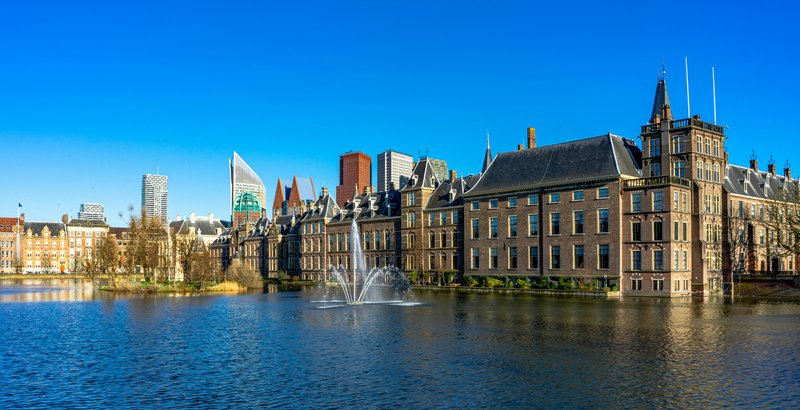
The Hague offers comparable artistic wealth with significantly fewer crowds. The Mauritshuis, Gemeentemuseum (now Kunstmuseum), and Escher in Het Paleis provide world-class collections in manageable settings. The city's role as governmental seat adds architectural grandeur — Binnenhof, peace palaces, and embassy quarters — alongside a more formal atmosphere than Amsterdam's freewheeling energy.
Nearby Destinations
Explore NetherlandsThe Hague operates on a different frequency than Amsterdam. As the seat of Dutch government and the International Court of Justice, this coastal city draws diplomats, art collectors, and visitors who prefer substance over spectacle. The Mauritshuis holds Vermeer's Girl with a Pearl Earring in a building intimate enough to study brushstrokes. Around Noordeinde Palace, antique dealers and galleries occupy 17th-century premises where the current king maintains his working office.
Scheveningen's beachfront offers a distinct atmosphere — Belle Époque architecture meets North Sea winds along a promenade that fills with locals cycling to fish stalls for fresh kibbeling. Back in the city center, the Lange Voorhout avenue hosts antique markets beneath ancient linden trees. Dining tilts toward Indonesian rijsttafel traditions, a colonial legacy that The Hague claims as its own, alongside contemporary Dutch kitchens where chefs work with Westland greenhouse produce and North Sea catch landed at nearby harbors.