


China Travel Guide: Best Hotels, Restaurants & Experiences 
Our Reviews in China

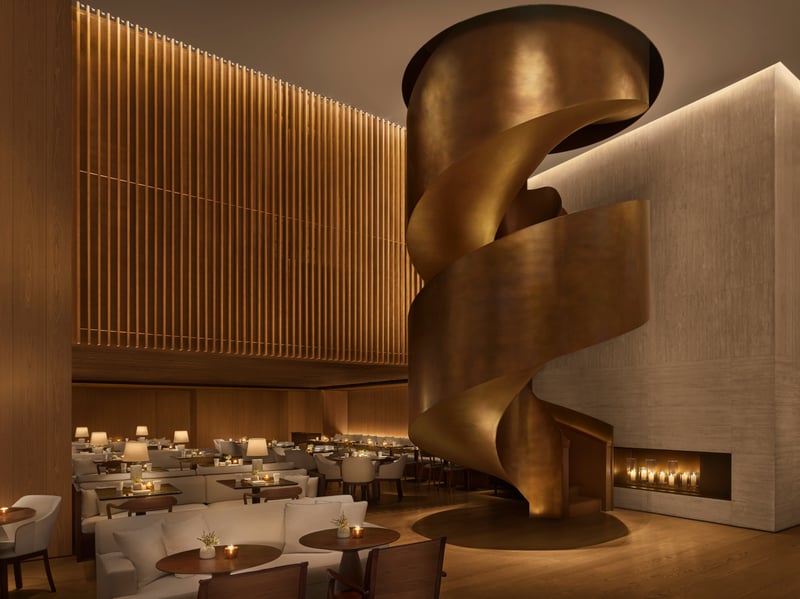
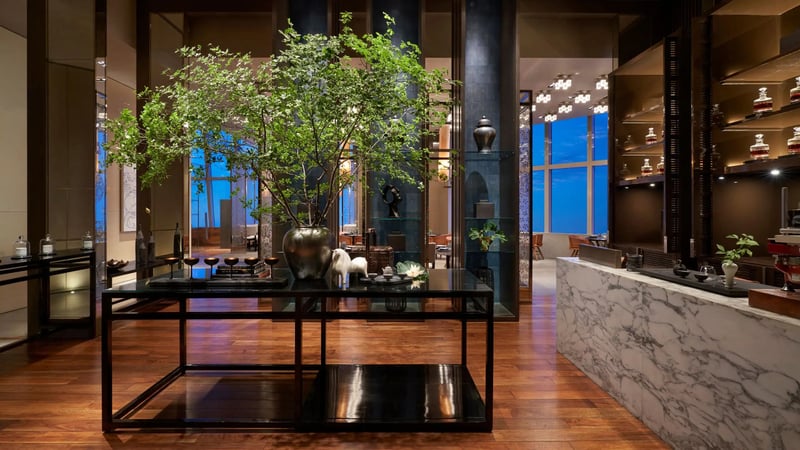
YONE Restaurant & Bar, Contemporary Japanese Table at The Shanghai EDITION

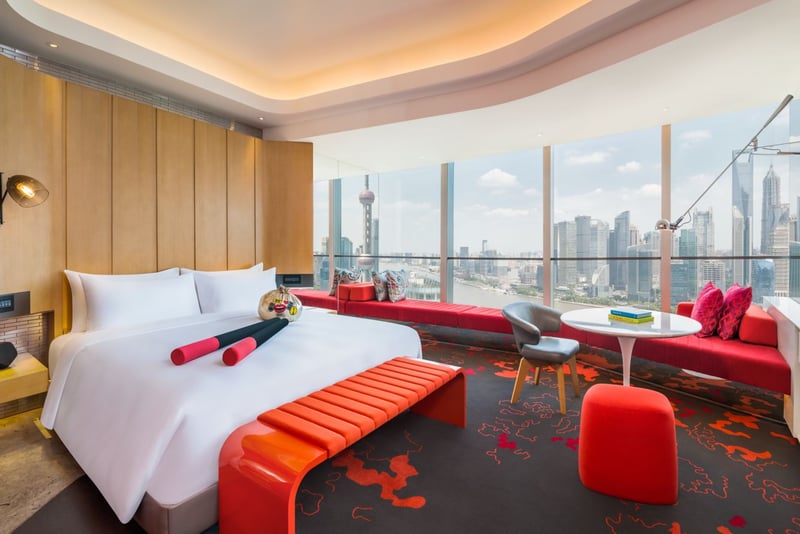
W Shanghai – The Bund: Exploring Its Avant-Garde Spirit

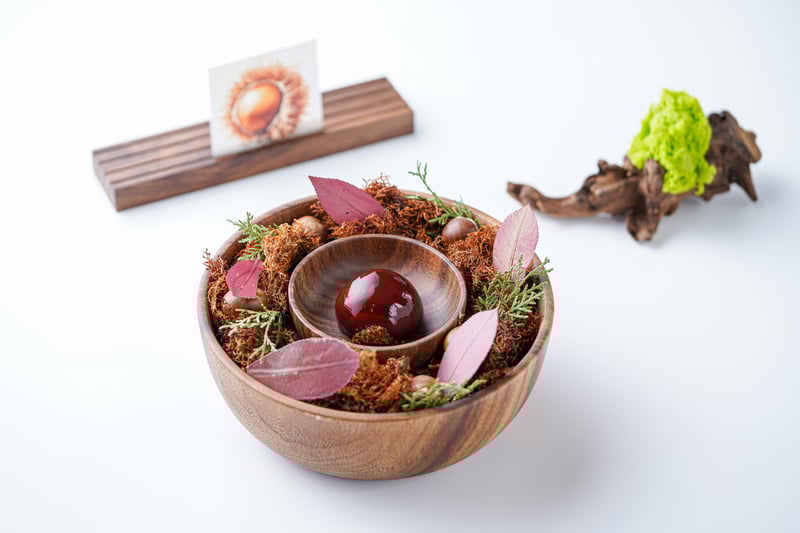
Dining Room: The Culinary Poetry of Jiangnan Overlooking Shanghai

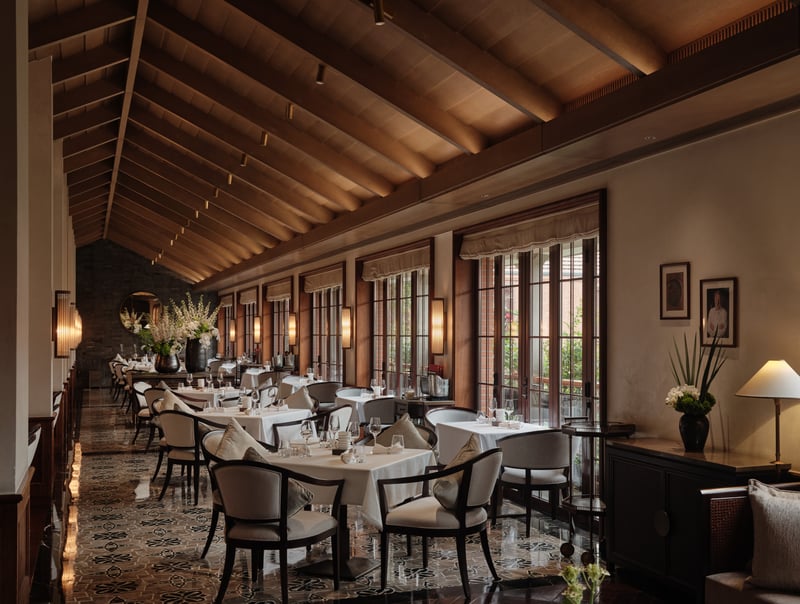
8½ Otto e Mezzo BOMBANA : Superb Two-Star Italian Restaurant in Shanghai

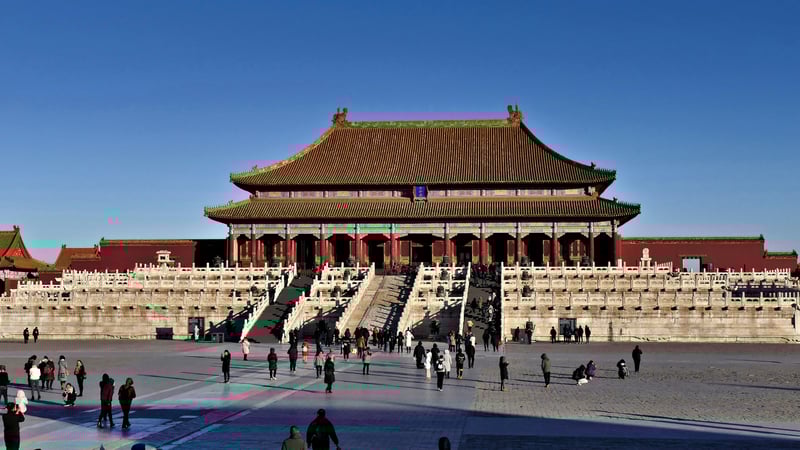
Le Comptoir de Pierre Gagnaire: The French Spirit Under the Sky of Shanghai
Showing 6 of 11
Explore by Region
Eastern China

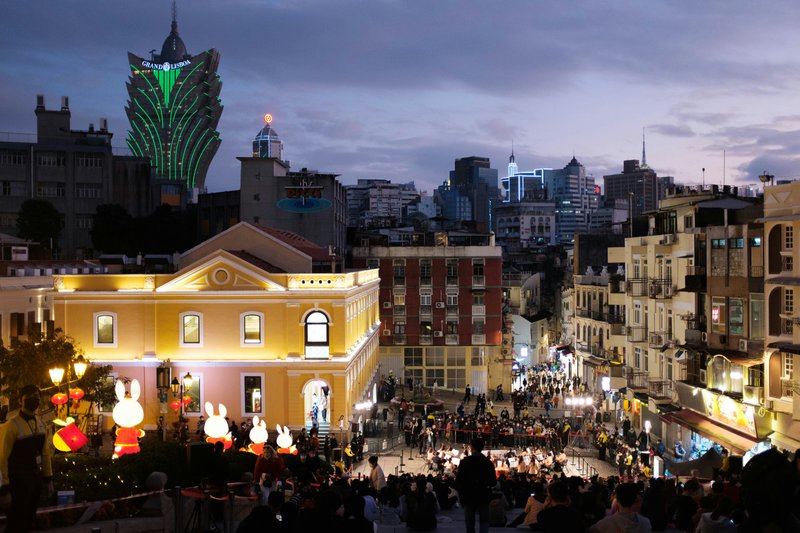
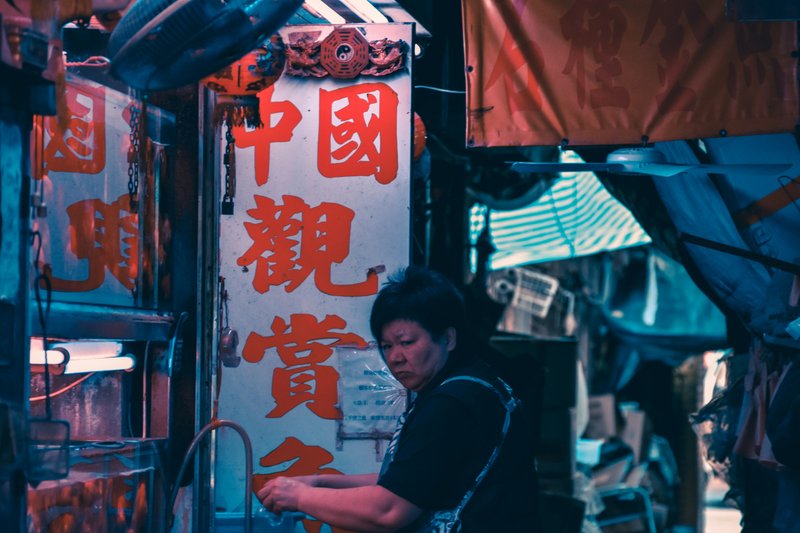
Southern China
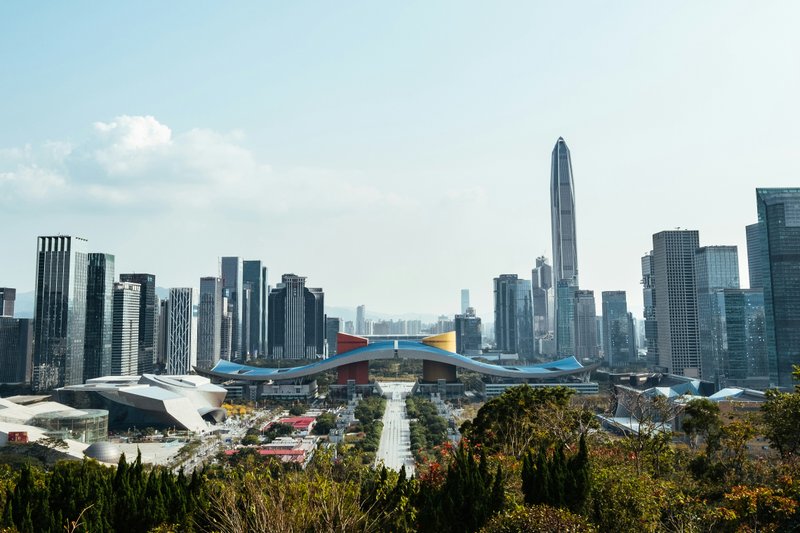

Northern China
Beijing
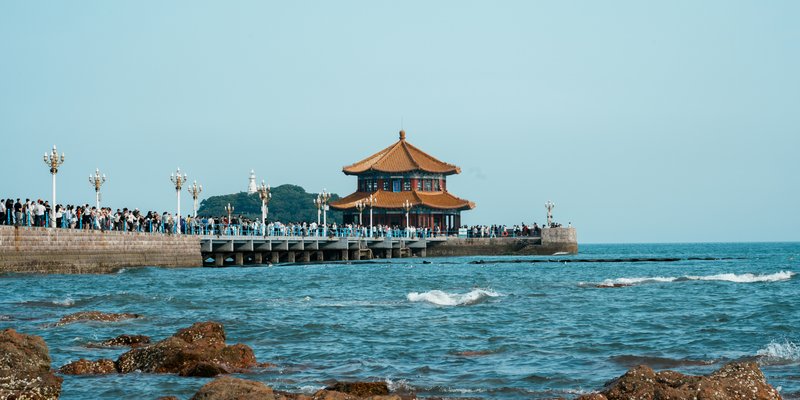
Qingdao
Southwestern China
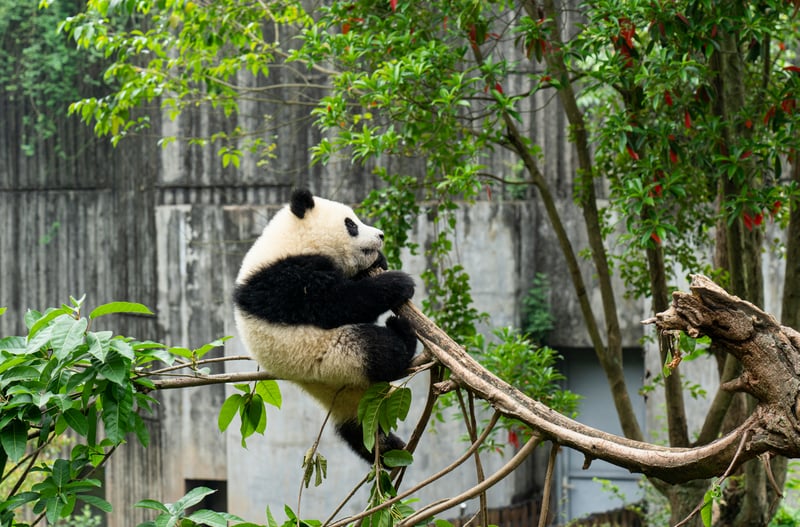
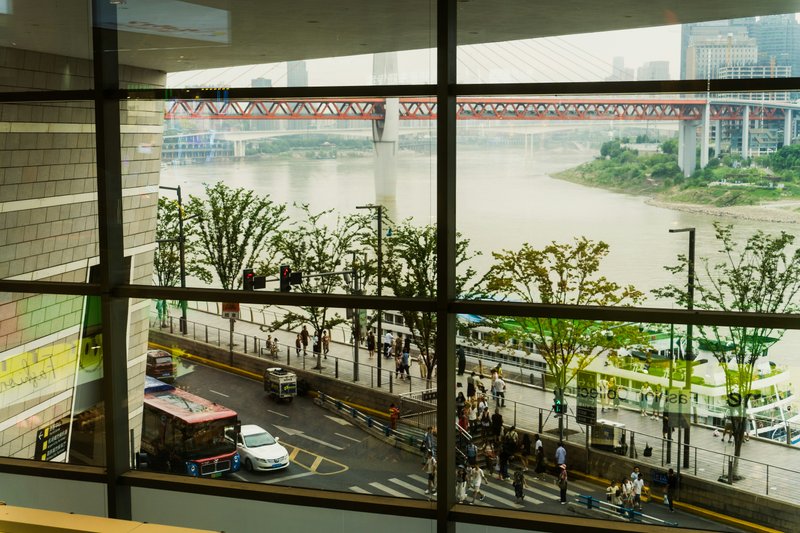

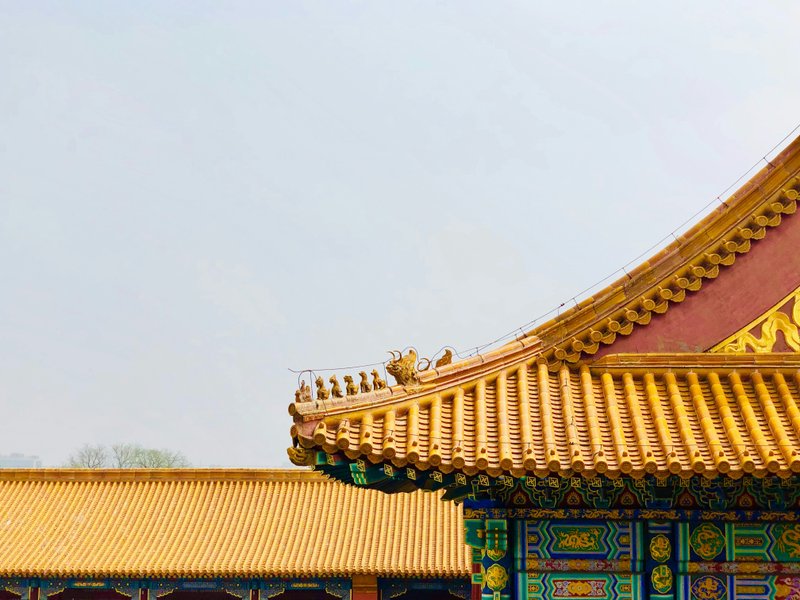
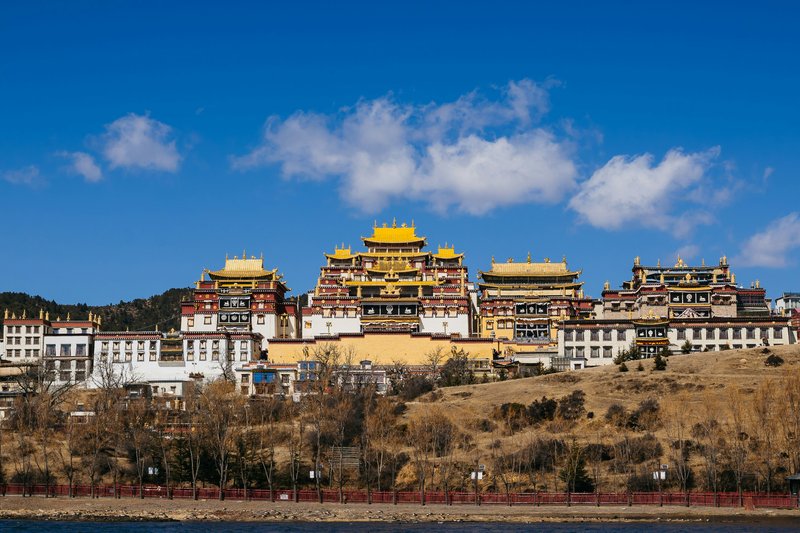
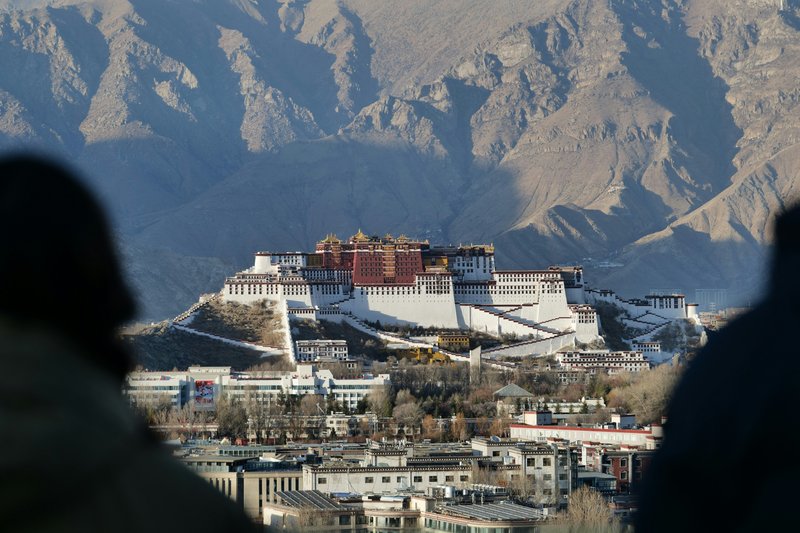
Central China
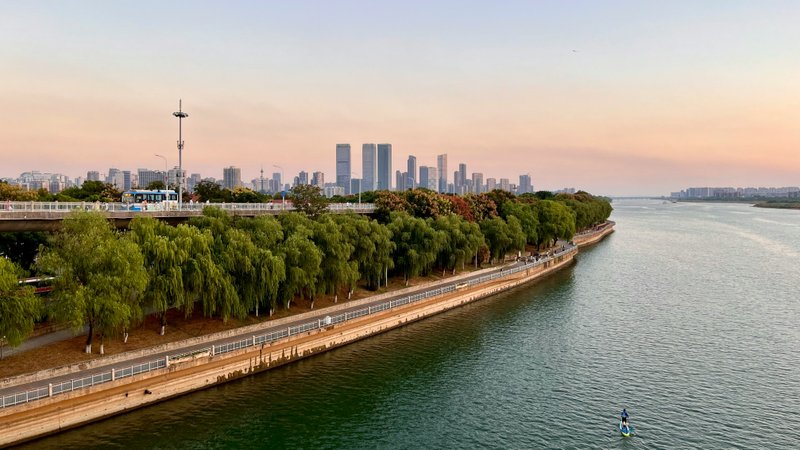
Changsha
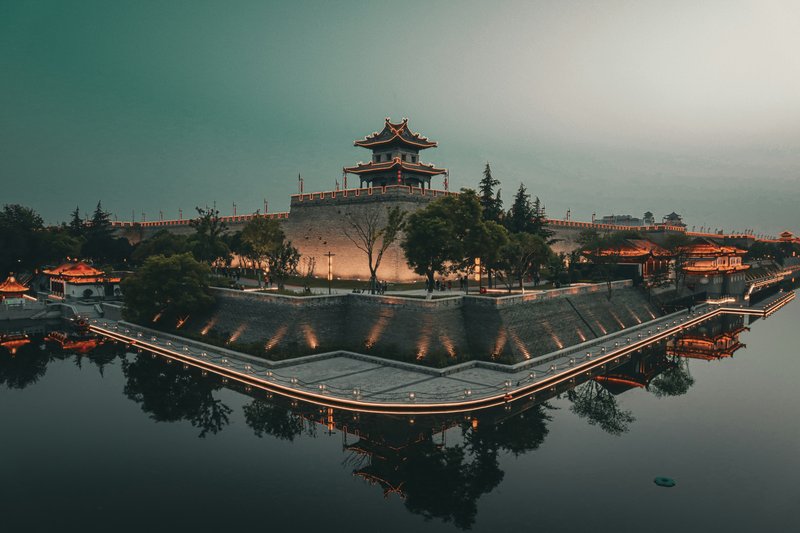
Xi'an
China
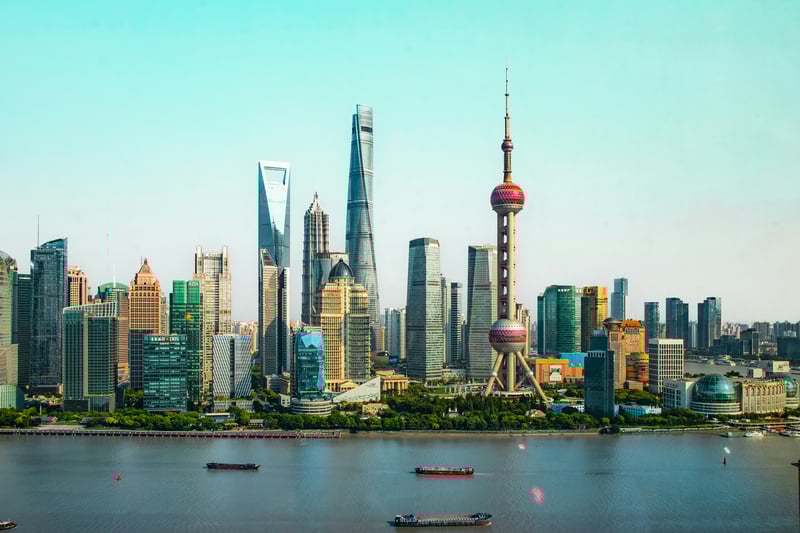
The scale of China reshapes every assumption about travel. Shanghai's Bund faces Pudong's towers across the Huangpu; Beijing's hutong alleyways thread between Forbidden City walls and glass-fronted galleries; Chengdu's teahouse culture persists alongside avant-garde cocktail bars; Guilin's karst peaks frame riverside retreats; Xi'an's Muslim Quarter hums with street vendors near Tang dynasty pagodas. The train network stitches together megacities and mountain provinces in hours. Cantonese dim sum, Sichuanese mala heat, Shanghainese xiao long bao, Yunnan's mushroom-driven cuisine—regional traditions anchor menus even as international chefs open outposts. Heritage properties occupy converted shikumen townhouses and Qing-era courtyards; international flagships claim upper floors of supertall towers. The dining scene moves from family-run noodle shops to multi-course tasting menus without pretense, and the bar landscape ranges from traditional tea ceremonies to speakeasy culture imported wholesale and adapted with local spirits. Japan and Hong Kong share certain aesthetic sensibilities, but China's geographic breadth and layered history create a different rhythm altogether.
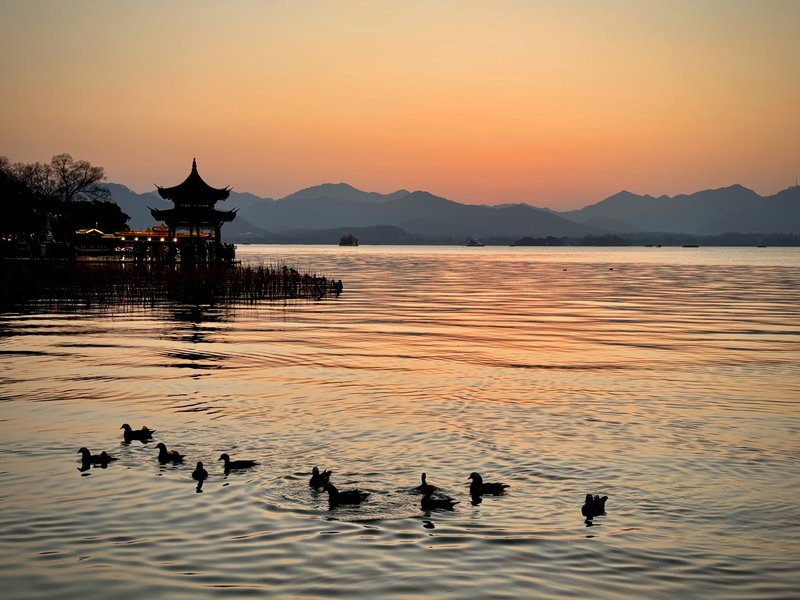
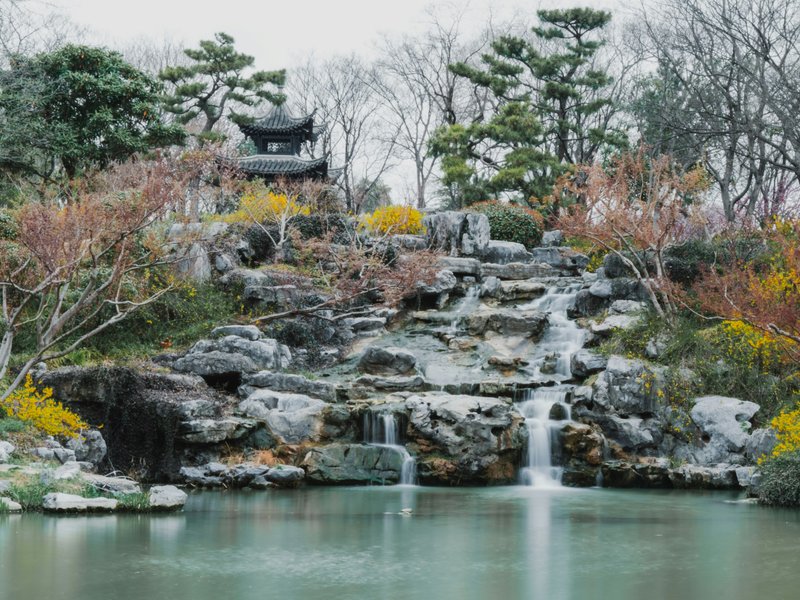
Every city operates on its own logic. Guangzhou's wholesale markets and porcelain dealers coexist with Michelin-starred Cantonese kitchens; Hangzhou's West Lake pavilions attract weekend crowds while tea plantations stretch across surrounding hills; Suzhou's classical gardens predate the high-speed rail link that brings Shanghai commuters in forty minutes. Hotel design reflects regional identity—Naxi architecture in Lijiang, modernist concrete in Shenzhen, restored Art Deco in Singapore-adjacent Xiamen. The food culture rewards specificity: knowing which street stall does the best jianbing, which century-old restaurant still hand-pulls noodles, which wine bar stocks natural bottles from Ningxia's emerging vineyards. Coffee culture has taken root in first-tier cities with the speed of infrastructure projects, third-wave roasters now commonplace. Language remains a practical consideration outside major hotels, but gesture and translation apps bridge most gaps. The country's pace of change means last year's guide may not reflect this year's reality, but the underlying traditions—hospitality rooted in ritual, meals as social architecture, tea as daily practice—remain constant.