A Michelin-starred table within the Shangri-La, Shang Palace pivoted from Cantonese cooking to embrace the refined traditions of Huaiyang cuisine. The young, formally trained chef channels regional heritage through his inventive "new three heads"—mugwort-scented lion's head meatballs, pig's head terrine brightened with finger lime, and a fermented sour broth cradling deboned fish head. The modern Chinese dining room provides elegant staging for these bold reinterpretations.
Behind an unassuming mall entrance, a Yangzhou-born chef orchestrates a boundary-crossing menu that draws from Japanese, Cantonese, Zhejiang, and European traditions. The smoked tilefish uroko-yaki demonstrates technical precision, while deep-fried pork ribs glazed with fermented shrimp sauce and parmesan reveal bold fusion instincts. Seasonal visitors should seek the braised hairy crab with tomato and potato—a dish worth timing a trip around.
Tucked down an unremarkable alley near historic Dongguan Street, this Bib Gourmand address draws devoted locals with its authentic Huaiyang cooking. The signature stinky tofu and pork intestine arrives in a sizzling clay pot, its bold, sauce-rich intensity demanding steamed rice alongside. Private dining rooms offer refuge from the animated main hall—reserve ahead, as tables fill quickly with regulars who know the kitchen's worth.
Grand traditional architecture frames views of Slender West Lake at this Bib Gourmand Huaiyang address. The kitchen demonstrates exacting knife work through classics like shredded dried tofu dressed in sesame oil, while braised silver carp head—requiring a day's notice—draws devoted regulars. Evening diners find the experience enriched by live pipa and guzheng performances, weaving music through each course.
Yu Cheng takes a deliberately different path from the refined delicacy typical of Yangzhou tables, embracing instead the robust flavors of farm-style Huaiyang cooking. The kitchen cures its own meats—air-dried goose, salted duck, house-made sausages—best sampled as a generous platter. Braised pork with salted fish and claypot pork ribs with winter melon deliver the kind of warming, unpretentious satisfaction that earns a Bib Gourmand.
Foodies across the region make pilgrimages to this unassuming Huaiyang specialist, now settled in a quiet Guangling alley. The Bib Gourmand kitchen excels at home-style preparations: silken shredded dried tofu dressed in savoury sauce and sesame oil, and sautéed pork intestine alive with wok hei, its glaze carrying a gentle tartness. Budget-friendly yet deeply satisfying, it rewards those who seek authentic regional cooking over polish.
A television appearance propelled this neighborhood noodle shop to local fame, though the cooking speaks for itself. Wild-caught rice paddy eel arrives three ways: swimming in a six-hour simmered bone broth that turns impossibly milky, dry-tossed with savory sauces, or flash-fried under a peppery glaze. Each preparation showcases different cuts of deboned eel, yielding textures from silken to snappy—Huaiyang comfort food at its most elemental.
Two decades of serving Huaiyang classics have earned this unassuming Dongquan Gate address its Bib Gourmand distinction. The kitchen excels at lion's head meatballs—luxuriously tender, with an ideal balance of fat and lean pork—while brine-poached goose arrives with glistening skin and deeply savory flesh. The casual, home-style atmosphere draws locals seeking honest cooking at accessible prices, perfect for unhurried meals among friends.
Tucked down a Yangzhou alley, this Bib Gourmand noodle shop has perfected its craft over two decades. The signature "jumping" noodles—hand-kneaded using a traditional bamboo pole—arrive in a deeply flavored slow-boiled broth with toppings prepared à la minute. The premium bowl crowned with shrimp, crabmeat, and roe rewards with a splash of vinegar that sharpens every element.
Lush gardens envelop this guesthouse dining room, where the kitchen navigates between Huaiyang tradition and contemporary invention. The signature lantern-shadow fish—grass carp belly air-dried, seasoned, then roasted into translucent, paper-thin slivers—delivers an addictive sweet-spicy crunch. Brine-poached squab arrives with a whisper of Sichuan pepper, its mala warmth subtle yet unmistakable. A Michelin Plate destination for regional cuisine done with creative precision.
Frequently Asked Questions
What is Huaiyang cuisine and why is Yangzhou its birthplace?
+
Huaiyang cuisine ranks among China's four great culinary schools, characterized by meticulous knife work, fresh ingredients, and subtle flavoring rather than heavy spices. Yangzhou's position on the Grand Canal made it a prosperous trading hub where wealthy salt merchants patronized skilled chefs, refining recipes over centuries. Signature dishes include braised lion's head meatballs, Yangzhou fried rice (the original version), and elaborate breakfast spreads featuring soup dumplings and blanched vegetables.
Which classical gardens should visitors prioritize in Yangzhou?
+
Ge Garden, built by a Qing dynasty salt merchant, showcases four seasonal rockery sections representing spring, summer, autumn, and winter through different stone types and plantings. He Garden, also known as Jixiao Mountain Villa, demonstrates residential garden design with interconnected pavilions, a two-story reading room, and France-influenced architectural details reflecting late Qing eclecticism. Both gardens occupy walkable positions within the old town near Dongguan Street.
How does Yangzhou connect to the Grand Canal heritage?
+
The Grand Canal, a UNESCO World Heritage Site, passes directly through Yangzhou, which served as a critical junction point between northern and southern China for over a thousand years. The city administered canal traffic and customs during imperial times, generating the wealth visible in its merchant gardens and temples. Today, restored canal-side quarters along the old waterway offer walking paths, traditional architecture, and boat excursions through working sections of this ancient engineering feat.
Nearby Destinations
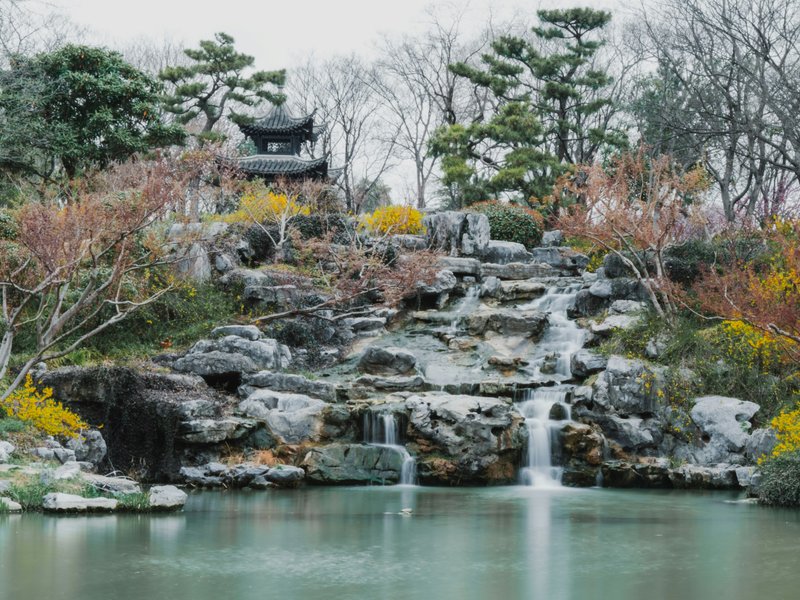
Explore ChinaYangzhou curves along the Grand Canal's northern reaches, a city whose fortunes rose with salt merchants and imperial favor during the Tang and Qing dynasties. The old town preserves its mercantile heritage in narrow lanes lined with whitewashed walls, where Ge Garden and He Garden offer refined examples of Jiangnan garden design — scholar's rocks, moon gates, and covered walkways arranged with studied asymmetry. Dongguan Street runs through the historic core, its shopfronts selling lacquerware and the city's signature cut-paper art.
Huaiyang cuisine, one of China's four great culinary traditions, originated here. The cooking emphasizes knife skills and delicate flavors: lion's head meatballs braised until fork-tender, crab roe soup dumplings requiring precise pleating, and morning tea rituals featuring steamed baozi and dried tofu shreds. Local teahouses along the canal serve these dishes in wood-paneled rooms overlooking the water, maintaining traditions that once fed Qing emperors traveling south. The Slender West Lake district provides a quieter counterpoint, its willow-draped causeways and arched bridges recalling the city's poetic associations.