Skip to content

Chengdu Travel Guide: Best Hotels, Restaurants & Experiences

Sichuan cuisine capital, panda sanctuaries, teahouse culture, boutique hotels, fine dining destinations.

Explore Chengdu

Hotels (8)
Restaurants (7)

Where to Stay

1. Upper House Chengdu

$$$$ · 1 Michelin Key· Forbes Five-Star

Guests pass through a century-old Qing Dynasty courtyard—once home to scholars and translators within a 1,000-year-old monastery complex—before ascending to the ultra-modern glass towers designed by Make Architects. Rooms begin at 678 square feet with rainfall showers and bleached-wood floors. Mi Xun Spa occupies a tranquil Qing-era courtyard and features a single-seat barbershop; the Teahouse hosts Friday afternoon calligraphy classes alongside vegetarian menus, while Tivano delivers Italian fare.

2. Six Senses Qing Cheng Mountain

$$$$ · 1 Michelin Key

Overlooking the mist-shrouded peaks of sacred Mount Qingcheng, this 122-suite resort channels traditional Chinese architecture through wooden pavilions and lotus ponds, with every room beginning at 850 square feet. The spa draws on ancient Taoist wellness practices, while three restaurants source ingredients from on-site organic gardens. Families find a kids' club and private cinema; couples retreat to suites with garden-view soaking tubs and private verandas equipped with daybeds.

3. The St. Regis Chengdu

$$$$ · Forbes Five-Star

The St. Regis Chengdu occupies a 29-story glass-and-marble tower in the central business district, where Art Deco chandeliers meet iPad-controlled rooms with floor-to-ceiling skyline views. Iridium Spa centers on a signature Sichuan Tea Bathing Ritual delivered on dry-to-wet massage tables amid pink and purple interiors, while the heated indoor pool offers private dining against city panoramas. Yun Fu crafts bespoke Sichuan menus in a skyline-facing dining room, and 24-hour butler service handles suit pressing to luggage packing.

4. Su Shien Valley

$$$$ · Relais & Châteaux

Su Shien Valley occupies a forested Taoist sanctuary in the mist-shrouded Qingcheng Mountains, where minimalist rooms—light wood, raw stone, floor-to-ceiling windows—overlook interior courtyards, several with private soaking tubs. Onsen baths follow forest hikes; spa rituals unfold to the sound of the songbo, a local stringed instrument. The bamboo-grove restaurant serves seasonal Sichuanese dishes aligned with Taoist philosophy, drawing guests seeking spiritual retreat alongside culinary immersion in Sichuan's ancient highlands.

5. Niccolo Chengdu

Forbes Five-Star

Occupying Tower 3 of Chengdu's International Finance Square, this luxury property draws the eye with Zhang Xiang Ming's Beijing Girl installation anchoring the lobby. Contemporary rooms pair natural light with Apple amenities, while Yue Hin delivers Cantonese, Sichuan, and Huaiyang cuisine. The Tea Lounge, set beneath a sculptural art piece and enclosed in glass, offers curated brews with sommelier guidance. Fitness enthusiasts gain city views from treadmills; cocktail seekers encounter Sichuan-spiced libations at the bar.

6. The Ritz-Carlton, Chengdu

Forbes Five-Star

A 41-story tower facing Tianfu Square, this Forbes-designated property draws on Chengdu's Silk Road heritage through wood, silk, marble and metal finishes. Guest rooms echo traditional courtyard architecture with damask upholstery and warm timber details. The 23rd floor hosts a spa featuring Valmont treatments infused with tea and herbs, plus an 82-foot pool with underwater music. Li Xuan serves Sichuanese and Cantonese menus to critical acclaim.

7. Waldorf Astoria Chengdu

Forbes Five-Star

This 52-story tower in Chengdu's Hi-Tech Zone layers art-deco grandeur with contemporary Chinese craft—oversized glass chandeliers, multi-level installations, and the signature Waldorf clock anchor the lobby. All 289 rooms feature private butler service windows for discreet delivery. Infinite Luck serves executive chef Tony Yang's Cantonese plates in bold color-blocked dining rooms, while the 52nd-floor Wall Street bar pours small-batch spirits over live jazz. The heated indoor pool frames skyline views through cherry-blossom motifs and copper lanterns.

8. Wanda Reign Chengdu

Forbes Five-Star

A 41-story skyscraper in Chengdu's Central Business District, Wanda Reign interprets the city's Confederate Rose nickname through organically shaped crystal chandeliers, floral carpets, and rose-hued fabrics. All 240 rooms feature signature Bed of Reign setups with Talalay latex mattresses and New Zealand wool bedding. The Shui Spa's three treatment rooms—Wind, Cloud, and Rain—offer Southeast Asian therapies, while the indoor pool benefits from natural light and rose petal-shaped ceiling fixtures. Sky Lobby views span Tianfu Square and the Jinjiang River.

Where to Eat

1. Xin Rong Ji

$$$$ · ★★ Michelin

Two Michelin stars recognize this sophisticated outpost of a seafood-focused chain, where Taizhou recipes gain local Sichuan inflections in a dining room overlooking the Twin Towers. Sea anemone glass noodles arrive in a tart, spicy broth cut through with house-made pickles, while braised pork intestine paired with Qiantong dried tofu delivers contrasting textures beneath layers of heat. The lavish but restrained interiors suit celebratory dinners and serious gastronomic exploration alike.

2. Yu Zhi Lan

$$$$ · ★★ Michelin

Lan Guijun has spent decades refining Sichuanese cuisine into haute gastronomy, earning two Michelin stars at this discreet private dining room with no signage. Each elaborate multi-course menu shifts with market availability, presented in a rustic space filled with ceramic art and pottery crafted by the chef himself. Securing a table at this legend-run address remains essential for serious food travelers exploring Chengdu's top-tier dining scene.

3. Chaimen Hui

$$$$ · ★ Michelin

Chaimen Hui brings inventive Sichuanese cooking to a quietly refined setting, working with premium seasonal ingredients sourced globally. The kitchen spotlights natural umami and intricate flavour layering—most memorably in the signature ji dou hua, minced chicken silken tofu bathed in amber broth, prized for its velvety texture and savoury depth. Individual portions accommodate solo diners, while private rooms suit larger gatherings.

4. Co-

$$$$ · ★ Michelin

This intimate five-table dining room from a well-traveled chef specializes in Fujian cuisine crafted from premium ingredients sourced nationwide. The house-made sourdough, developed from a 20-year-old starter, delivers striking depth with its crispy exterior and tender crumb. Seasonal tasting menus showcase modern technique applied to China's regional culinary traditions, earning the restaurant its Michelin star and a reputation for inventive precision.

5. The Hall

$$$$ · ★ Michelin

Italian chef Leonardo Zambrino helms this Canton Hall address—China's first Louis Vuitton restaurant—where European technique converges with Sichuanese spice in seasonal tasting menus. The dining room occupies a 1730s heritage structure, preserving original brick walls and carved wood screens alongside a central courtyard. Zambrino's résumé spans Asia and Europe, informing a vegetarian-friendly menu that earned one Michelin star for its bold cross-cultural approach.

6. Pairedd

$$$$ · Michelin Selected

Pairedd's 12 counter seats encircle an open kitchen where young chefs craft a seasonal 10-course tasting menu anchored in Fujian seafood during summer months and Sichuan produce through winter. Wine drives the concept: each dish is conceived to harmonize with a seven-glass pairing that runs parallel to the plates. The Michelin-recognized format favors meat and seafood preparations executed at close range, intimate enough to observe technique in real time.

7. Silver Cottage

$$$$ · Michelin Selected

Silver Cottage stages Sichuan dining as a Song Dynasty retreat, from lakeside pavilions to private rooms equipped for chess, flower viewing, and incense rituals. The kitchen labors over classics like snowflake minced chicken, a dish demanding meticulous technique and pristine ingredients. Live Chinese zither recitals accompany every meal, turning dinner into an immersive cultural performance reserved for guests who book an entire private chamber.

8. Fang Xiang Jing

$$$$ · ★ Michelin

This Michelin-starred establishment occupies a quiet stone garden compound where private dining rooms frame an exercise in culinary archaeology. The kitchen labors over nostalgic Sichuan preparations—cabbage steeped for hours in crystalline chicken consommé, mapo tofu laced with diced beef and fish snout that delivers the region's signature mala tingle. Each dish reflects meticulous research into traditional techniques, served with precision that matches the intimate, contemplative setting.

9. Hokkien Cuisine

$$$$ · ★ Michelin

A Fujian-born kitchen team brings meticulous regional technique to this one-star dining room, where full-length windows flood the space with natural light. Signature lychee meatballs pair tender pork with chopped water chestnuts for textural contrast, while Quanzhou-style crispy tofu skin rolls—filled with five-spice pork and layered with scallion aromatics—showcase the refined, understated complexity of Hokkien cooking at its most authentic.

10. Silver Pot

$$$$ · ★ Michelin

This one-star Sichuanese kitchen sources premium ingredients from across continents and treats them to the province's bold, numbing techniques. Roast pigeon arrives smoked with Sichuan pepper leaves, while cold starters like lamp-shadow grass carp showcase the chef's classical training. The dining room, decorated with the owner's global travel mementos, feels personal and eclectic, and half portions allow grazing across the menu.

Frequently Asked Questions

What makes Sichuan cuisine in Chengdu different from other Chinese regional cooking?

+

Sichuan cuisine centres on the distinctive má là sensation — the numbing tingle of Sichuan peppercorns combined with dried chilli heat. Chengdu kitchens deploy these flavours with precision across hundreds of preparations, from twice-cooked pork to cold rabbit with chilli oil. The cuisine also emphasises pickled vegetables, garlic, and fermented bean pastes, creating complex layered flavours rarely found elsewhere in China.

Which Chengdu neighbourhoods are best for dining and nightlife?

+

The Taikoo Li district around Chunxi Road concentrates contemporary restaurants and rooftop bars within a striking open-air complex. Jinli Ancient Street and the Wide and Narrow Alleys offer atmospheric settings for traditional Sichuan dishes and craft cocktails in restored courtyard buildings. The Tongzilin area near the American consulate has become a hub for international cuisines and wine bars.

When is the best time to visit Chengdu?

+

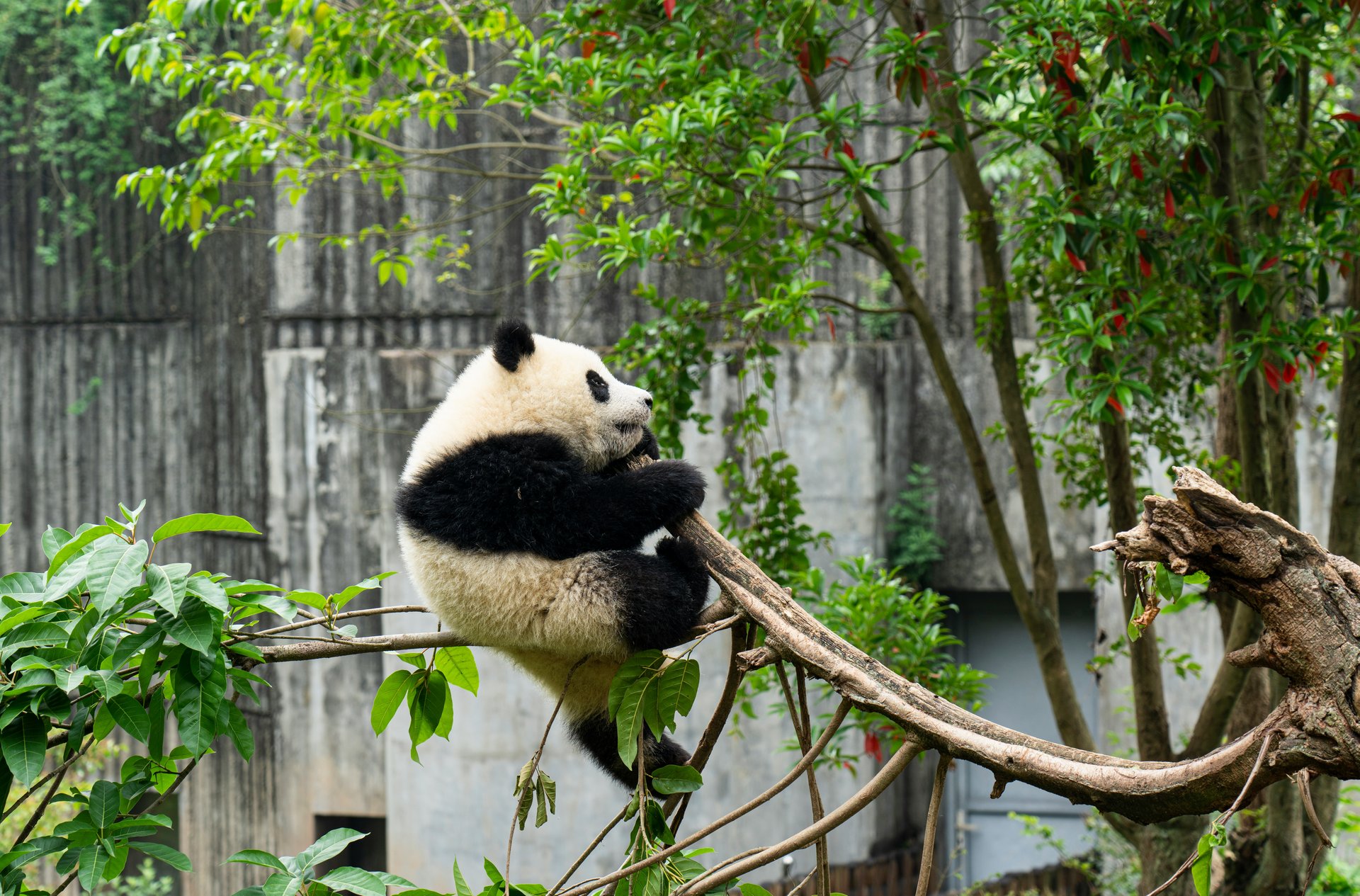
Spring (March to May) and autumn (September to November) bring mild temperatures and clearer skies to the often-overcast basin. Summer can be hot and humid, though the city's covered teahouses provide welcome respite. Winter remains mild compared to northern China, and the giant pandas are particularly active in cooler weather, making December through February ideal for wildlife encounters.

Chengdu

Chengdu sprawls across the Sichuan Basin, ringed by misty mountains and fed by the Min River. The city moves at its own pace — locals linger for hours over covered-bowl tea in bamboo-furnished teahouses, a ritual unchanged for centuries. Jinli Ancient Street draws evening crowds to its restored Qing-dynasty shopfronts, while the Wide and Narrow Alleys preserve courtyard houses now occupied by cocktail bars and Sichuan hotpot specialists. Beyond the historic quarters, the Taikoo Li development in Chunxi Road has become a magnet for international fashion and gastronomic restaurants pushing creative boundaries.

The dining scene here rewards exploration. Sichuan's fiery má là flavours dominate, but the city's best restaurants reveal remarkable range — from family-run establishments serving dan dan noodles and mapo tofu to Michelin-starred kitchens reinterpreting regional traditions. Hotels cluster around the High-Tech Zone and along the riverfront, many featuring rooftop bars with views toward Mount Qingcheng. For visitors, mornings often begin with a pilgrimage to the Giant Panda Breeding Research Base, followed by afternoons spent exploring the Wuhou Shrine or catching a Sichuan opera performance, faces changing in a flicker of silk.