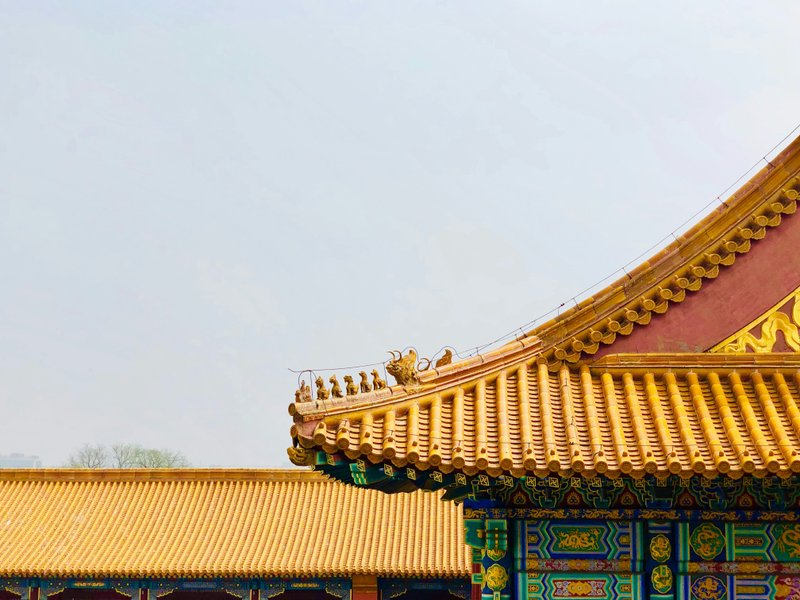
Thirty-five suites built in traditional Nakhi style—pagoda roofs, courtyard layouts, hand-carved pine and elm screens—frame views of Jade Dragon Snow Mountain and the ancient Old Town's web of bridges and cobblestones below. The kitchen draws on mountain-foraged ingredients for Yunnan and Cantonese plates, while the spa centers on Chinese medicinal herbs and massage. A contemplative retreat for travelers seeking Yunnan's cultural depth.
A centuries-old structure converted into fifteen suites arranged around four seasonal courtyards—cherry blossoms in spring, tropical foliage in summer, a towering persimmon tree marking autumn. The grounds double as a private menagerie where alpacas, sika deer, and peacocks wander freely through succulent gardens. Butler-led excursions venture into mist-shrouded Weibao Mountain, while on-site workshops teach traditional tie-dye and incense making.
Spread across landscaped gardens near the ancient town of Shuhe, this 55-villa resort commands views of Jade Dragon Snow Mountain across the surrounding rice fields. Each villa features its own pool—jet, plunge, or full swimming—while the spa offers jacuzzi and sauna retreats. Families benefit from a dedicated kids' club; adventurous guests explore the rugged Yunnan terrain on horseback, bike, or foot.
Rising within the UNESCO-listed Old Town of Lijiang, this 267-room resort translates ancient Naxi architectural heritage into contemporary luxury high in Yunnan's mountains. The flagship 7 Colors Chinese Restaurant presents regional Yunnan and Sichuan dishes in an expansive atmospheric space, while a full-service spa and indoor pool provide retreat after exploring the surrounding 13th-century streets. Garden grounds soften the mountain setting.
Zhaoyang Architects carved an architectural marvel from a footprint no larger than two traditional houses, yet the 14-room Sunyata unfolds like a miniature village within Dali's ancient streets. Each minimalist-luxe room draws light through precisely angled windows overlooking private courtyards, while a garden and library provide quiet refuge. Bicycles await those ready to explore the surrounding historic neighborhood.
Frequently Asked Questions
When is the best season to visit Lijiang and Dali?
+
March through May and September through November offer mild temperatures and clear skies, ideal for viewing Jade Dragon Snow Mountain and the Cangshan peaks. Summer brings monsoon rains but also lush landscapes and the Torch Festival in late July. Winter remains dry with fewer visitors, though nights drop near freezing.
What is the typical architectural style of hotels in these towns?
+
Most properties occupy restored Naxi or Bai courtyard compounds featuring wooden post-and-beam construction, carved lintels, and interior gardens. Contemporary renovations often add underfloor heating, rain showers, and floor-to-ceiling windows while preserving traditional roof tiles and decorative screens.
How far apart are Lijiang and Dali, and how do travelers move between them?
+
The two towns sit roughly 180 kilometers apart by road. High-speed rail connects them in under two hours, while private car transfers take approximately three hours along the G5611 expressway, passing terraced farmland and minority villages en route.
Nearby Destinations
Explore ChinaLijiang's Old Town, a UNESCO site since 1997, unfolds through a labyrinth of cobblestone lanes and wooden Naxi shophouses fed by a network of freshwater canals. The Sifang Street area remains the commercial heart, though discerning visitors gravitate toward the quieter Wenhua and Wuyi neighborhoods for converted courtyard residences with views toward Jade Dragon Snow Mountain. Dali, seventy kilometers south along the Erhai Lake shore, offers a different rhythm — Bai minority architecture dominates the old quarter beneath the Cangshan range, while the fishing villages of Shuanglang and Caicun have attracted a new generation of design-forward properties.
The culinary landscape spans Naxi dried meats and baba flatbreads in Lijiang to Bai-style clay pot fish and erkuai rice cakes around Dali. Smaller guesthouses here often employ chefs with roots in Sichuan or Cantonese traditions, creating menus that shift with seasonal produce from highland farms. Morning markets at Zhongyi and near Dali's Foreigner Street supply wild mushrooms, pu'er tea, and Yunnan ham — ingredients that define the regional table.