


Named for the Sanskrit word meaning community, this lakeside property west of Shanghai anchors a design-forward residential enclave dedicated to transformational wellness. The approach pairs traditional Chinese medicine with Western therapeutic practices across extensive spa facilities reserved for guests sixteen and older. The serene waterside setting and holistic programming suit travelers seeking sustained restoration rather than brief respite.
Suzhou Travel Guide: Best Hotels, Restaurants & Experiences 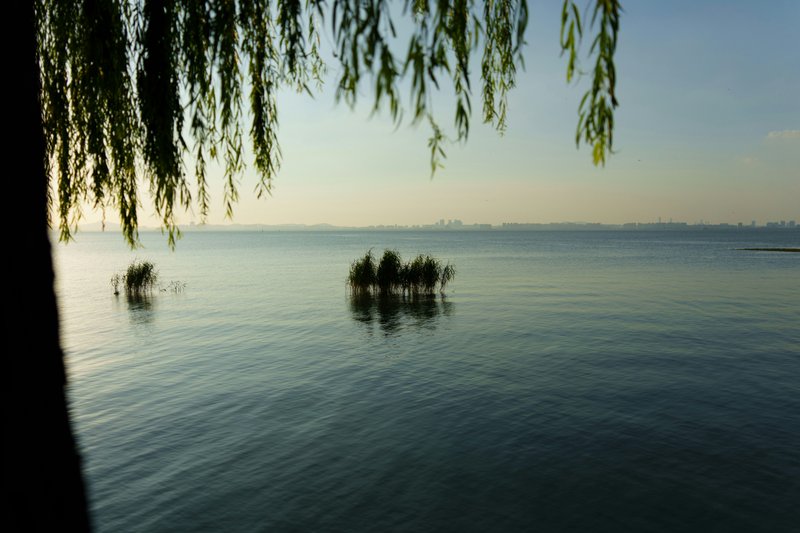
Explore Suzhou
Hotels (2)
Restaurants (2)
Where to Stay

Forbes Five-Star
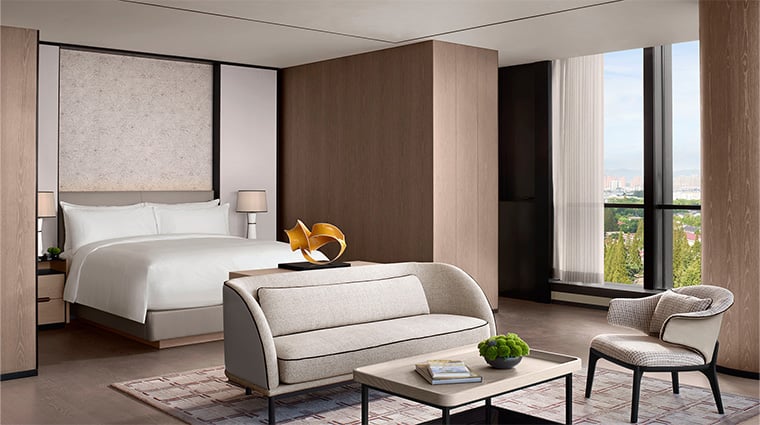
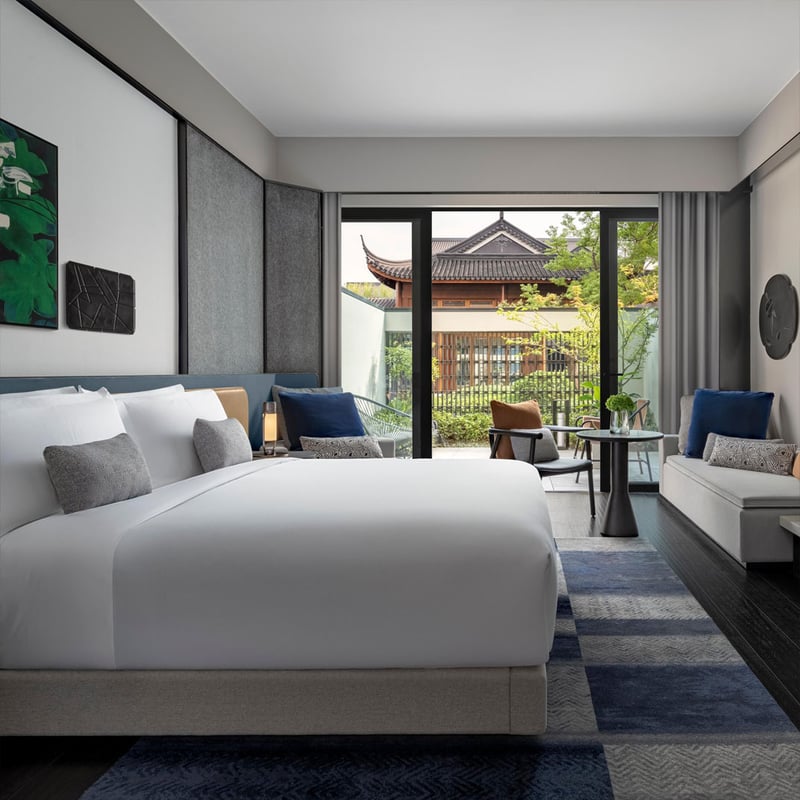
KPF Architects' striking glass facade reinterprets Suzhou's architectural heritage through layered blue-tiled roofs and folding fan motifs, while inside, 190 rooms showcase silk-paneled walls and calligraphy-inspired details with views across the historic Gusu District. The signature Biao Xia restaurant delivers refined Huaiyang cuisine—crispy-skinned duck, artful dim sum—in private rooms adorned with hand-painted silk. Club Level guests access calligraphy lessons and tea ceremonies; a sculpture-dotted indoor pool echoes the city's garden tradition.

Small Luxury Hotels
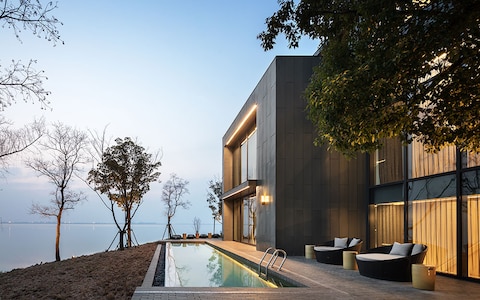
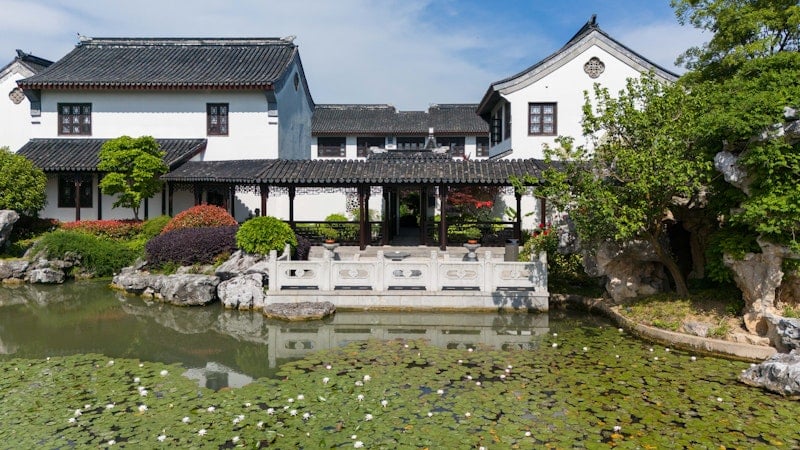
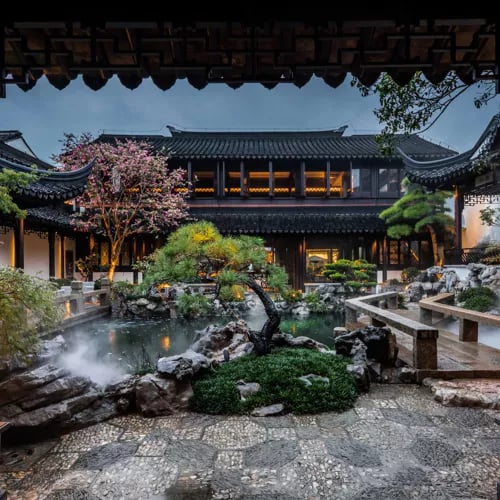
On the shores of Lake Taihu, this intimate 30-room retreat channels Suzhou's classical garden tradition through low-slung pavilions, traditional pagodas, and meticulously landscaped rockeries. The property doubles as a cultural repository, displaying calligraphy and artifacts throughout its grounds. Families appreciate the cultural immersion programs—music, art, and cooking classes—alongside the serene lakeside setting and easy access to the city's historic quarters.

Small Luxury Hotels
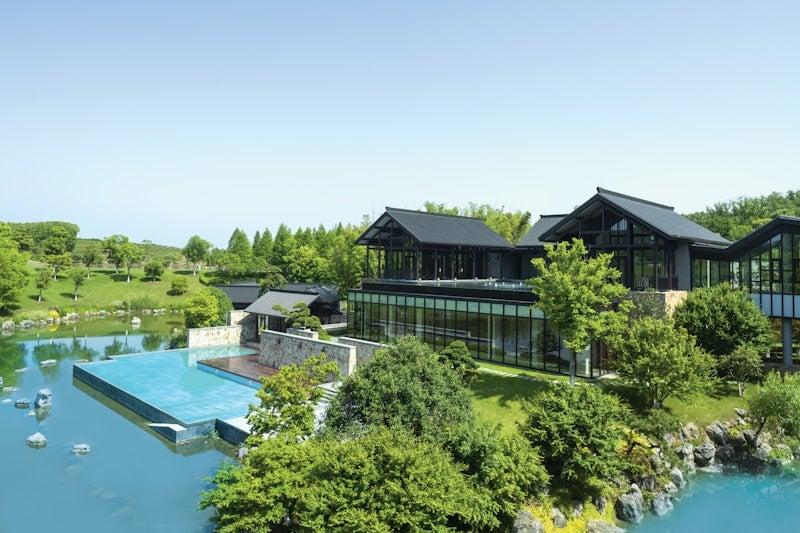
Glass, stone, and timber rise through the mist at this 52-room mountain sanctuary near Suzhou, where floor-to-ceiling windows frame sweeping valley panoramas. An open-air infinity pool mirrors shifting skies, while restaurants draw from on-site organic gardens for refined global cuisine. Select villas add private pools and meditation rooms with round-the-clock butler service—ideal for couples seeking romantic seclusion amid Jiangsu's peaks.

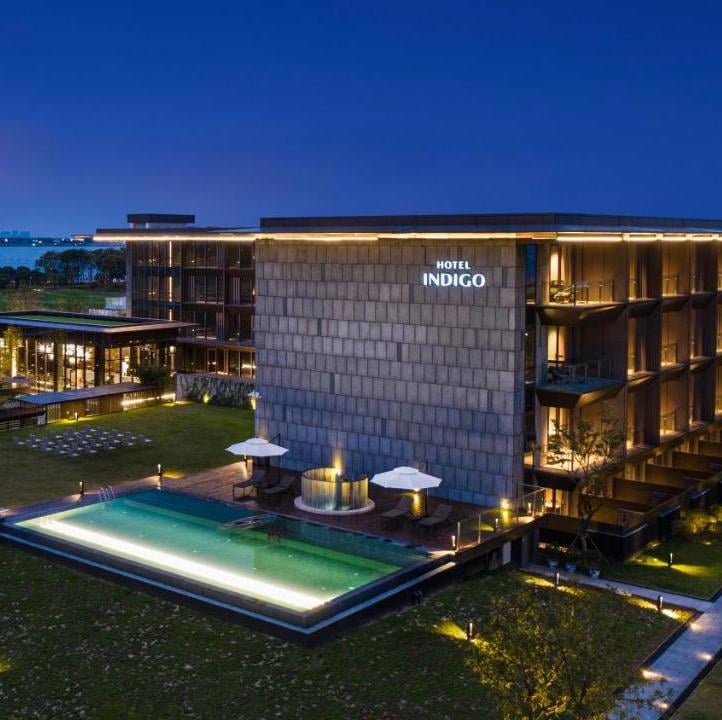
A peninsula property bordered by water on three sides, this 270-room hotel captures sweeping lake vistas through floor-to-ceiling windows and balconies cantilevered over Yangcheng Lake. Interiors layer teal-tiled bathrooms, terrazzo vanities, and dark wood screens against geometric rugs in muted greens, letting the panorama command attention. Cheng 16 restaurant applies Western technique to regional Suzhou cooking—ideal for travelers seeking lakeside quiet twenty minutes from the city center.

Kimpton's mainland China debut unfolds across low-slung pavilions threaded with gardens and canals, a layout that channels Suzhou's classical urban fabric into contemporary hospitality. The 178 rooms exceed the brand's usual standard, while dining spans The Grove's modernized Suzhou-Huaiyang cuisine and Kappo's sleek omakase counter. Bar 168, wrapped by water on three sides, delivers one of the region's most atmospheric settings for evening cocktails.
Where to Eat

★ Michelin
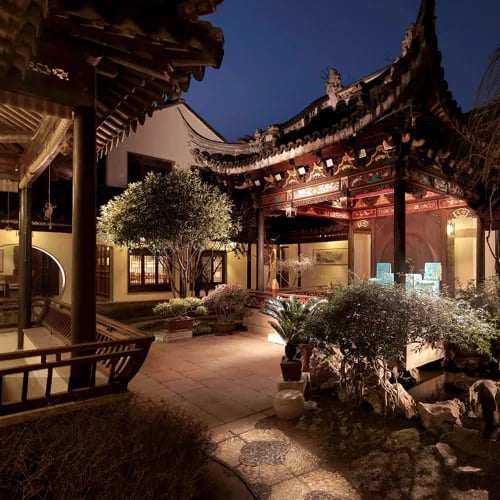
Within the Pingjiang historic quarter, an ancient mansion reimagined as a one-Michelin-starred dining room preserves classical Suzhou garden architecture alongside a seasonally shifting menu. The kitchen honors local traditions while adding contemporary flourishes—mantis shrimp dressed in fermented rice lees and crowned with caviar, duck soup enriched with ham and fox nuts delivering concentrated umami. A refined destination for Jiangsu gastronomy.

★ Michelin
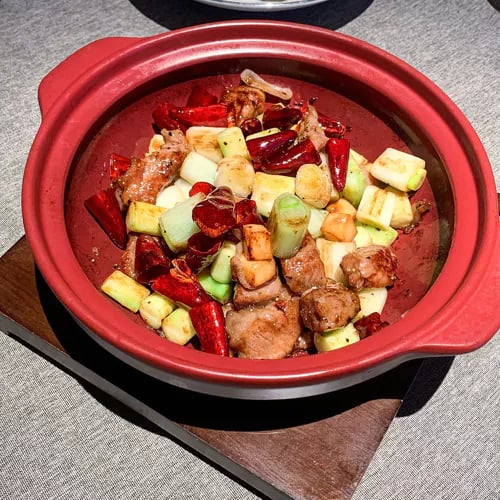
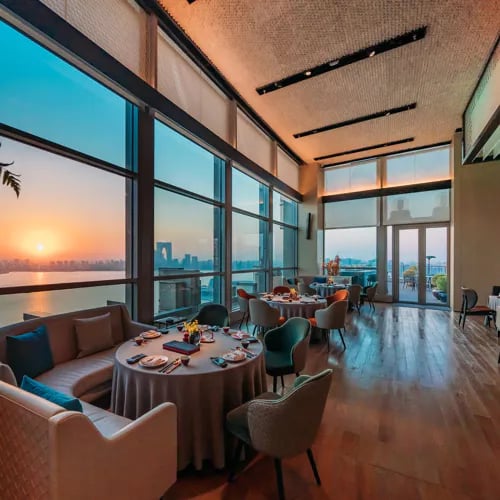
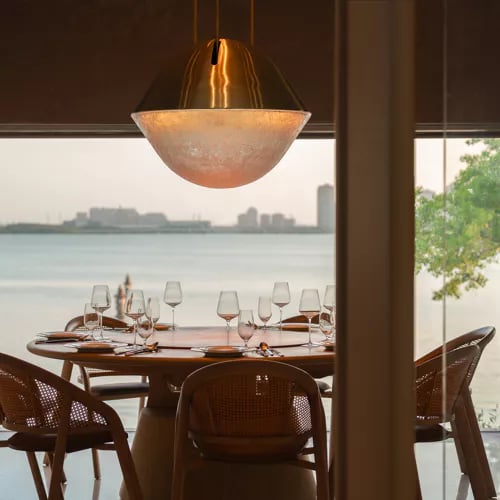
Perched on the 33rd floor of an office tower, this one-starred dining room pairs sweeping lake panoramas with refined Suzhou cuisine built around seasonal produce. The signature claypot rice—braised pork with green garlic, young bamboo in spring, chestnuts come autumn—develops a smoky, crackling crust at the bottom. A house-made chilli sauce laced with beef and dried fish delivers an unexpected, welcome bite.

Michelin Selected
Ban Lan brings Fujian cooking to Suzhou through an owner-chef partnership rooted in their home province, sourcing seasonal ingredients shipped directly from Fujian's coastal markets. The kitchen lightens traditional recipes without sacrificing depth, producing signatures like slow-braised ginger duck and a textured peanut soup layered with taro paste and bird's nest. Set menus guide the experience through regional specialties rarely found this far north.

Michelin Selected
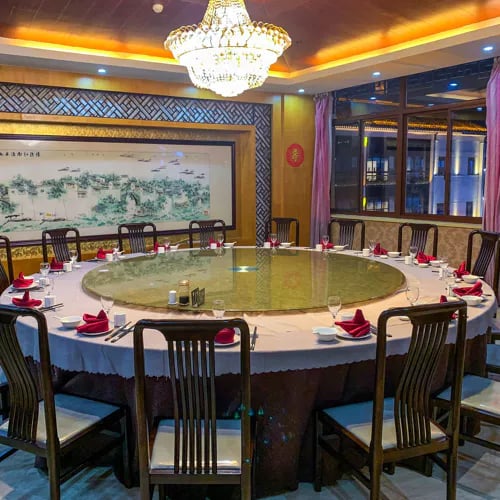
Perched on the fifteenth floor of Fairfield tower, Chai Court delivers Cantonese cooking rooted in tradition yet open to seasonal improvisation. Slow-simmered soups and lacquered barbecue meats anchor the menu, though regulars know to reserve ahead for the signature deep-fried pigeon—skin shatteringly crisp, flesh silken beneath. The spacious main room suits relaxed dinners; private salons accommodate celebratory banquets with equal ease.

Michelin Selected
Perched on the 27th floor with sweeping views of Jinji Lake, this Chaozhou restaurant reflects its chef's native expertise in the regional canon. Preserved ingredients define the kitchen's approach—aged dried radish enriches beef soup, salted lemon brightens duck broth, green olives punctuate conch preparations. The signature dish of deboned goose webs, braised until yielding and gelatinous, demonstrates precise technique and patient sourcing from birds aged thirty-six months.

Michelin Selected
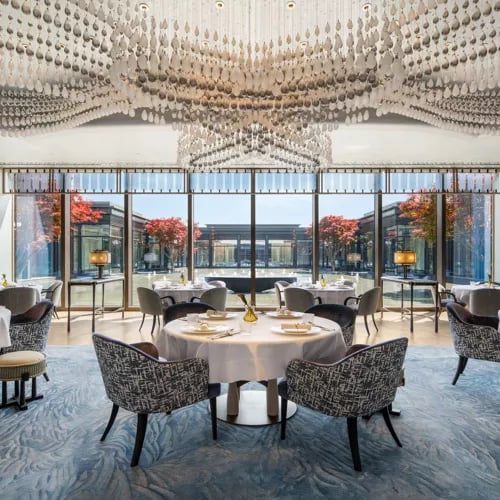
Panoramic lake views flood the expansive dining room at Exquisite Bocuse, where a striking modern art installation sets the stage for refined Cantonese and Jiangzhe cooking. Ingredients arrive daily from the group's own Shanghai farm, a commitment evident in the signature poached chicken—its flesh remarkably firm, the fat rendered to ideal proportions, the flavors clean and resonant. A polished destination for regional Chinese cuisine.

Michelin Selected
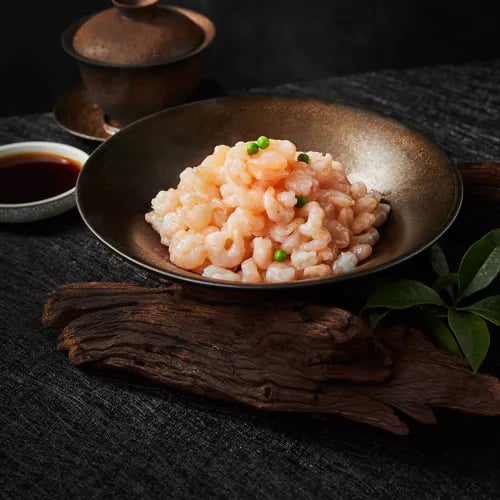
A 500-year-old residence in Luxiang Ancient Village now houses this Jiangsu restaurant, its dining room framing views of lake and mountain. The kitchen follows a grand chancellor feast tradition tied to the calendar: wild greens in spring, lotus through summer, crab when autumn arrives. Dongshan lamb comes minimally seasoned, while Taihu shrimps appear twice—shelled and sautéed, then shell-on and fried for textural contrast. Reservation required.

Michelin Selected
Floor-to-ceiling windows frame tranquil pond views at this refined Jiangsu dining room inside the Four Seasons. The Shanghainese chef reinvents regional classics with inventive touches—his peppery duck soup substitutes fish maw and glass noodles for traditional blood curd, while tofu puffs, gizzard, and intestine contribute layered textures. A Michelin Plate holder serving thoughtful Chinese cuisine in serene surroundings.

Michelin Selected
A Suzhou institution since 1904, this second-floor dining room near the city's shopping district has built its reputation on impeccably executed regional classics. The Chinese sleeper fillet arrives in wine lees sauce, its flesh silky yet firm, while the sautéed crabmeat and roe—picked fresh daily—delivers rich umami in every bite. Ideal for travelers seeking authentic Suzhou flavors with Michelin-recognized precision.

Michelin Selected
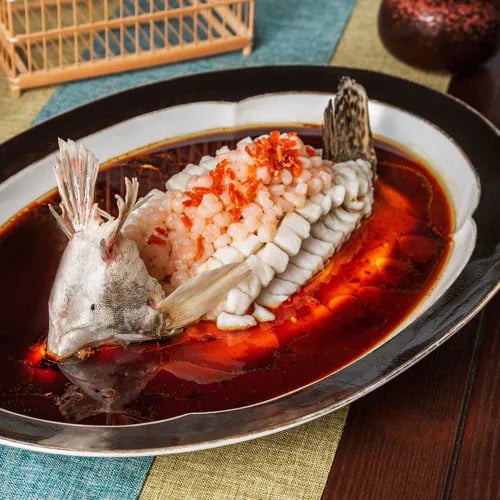
Named for Suzhou's celebrated embroidery tradition, Xiu wraps diners in silk-upholstered elegance at the InterContinental. The kitchen anchors itself in Jiangzhe cuisine, supplemented by well-chosen Sichuan and Cantonese preparations, with seasonal ingredients sourced from across China. The signature deep-fried mandarin fish, sculpted to resemble a squirrel and lacquered in sweet-sour sauce, delivers spectacle matched by precise, confident seasoning.
Frequently Asked Questions
Which Suzhou neighborhoods are best for experiencing traditional canal-side atmosphere?
+
Pingjiang Historic District preserves the original Song Dynasty canal layout with pedestrian lanes running alongside waterways. Shantang Street stretches seven li from Tiger Hill to the old city moat, lined with Qing-era shopfronts. Both areas maintain residential populations alongside visitor facilities, creating genuine neighborhood rhythms rather than open-air museum effects.
What local specialties should visitors try in Suzhou restaurants?
+
Songhelou restaurant style defines local fine dining, emphasizing seasonal ingredients and precise knife work. Look for dishes featuring freshwater ingredients from Taihu Lake — whitebait, lake shrimp, and hairy crab in autumn. Breakfast noodle shops serve broth-less varieties with red-cooked toppings, while evening meals might include water shield soup or braised bamboo shoots from nearby hills.
How does Suzhou's hotel scene differ between the old city and Jinji Lake?
+
Properties within the historic walled city occupy converted residences and garden compounds, typically smaller in scale with courtyard architecture. The Jinji Lake area developed after 2000 with international tower hotels featuring lake views and contemporary amenities. Nearby water towns like Tongli and Zhouzhuang offer heritage guesthouses for travelers preferring village settings over urban convenience.
Nearby Destinations
Explore China



Suzhou
The Grand Canal threads through Suzhou's old quarters like a liquid spine, connecting neighborhoods that developed over two millennia around silk production and scholar culture. Pingjiang Road runs parallel to a Song Dynasty waterway where evening boats drift past whitewashed courtyard homes, some now converted to intimate guesthouses. The Guanqian Street pedestrian zone buzzes with regional pastry shops selling thousand-layer cakes and pine nut candies, while the modern Jinji Lake district to the east presents a different face — a planned waterfront with contemporary architecture designed by international firms.
Suzhou's food culture leans sweet compared to neighboring Shanghai, with signature dishes like squirrel-shaped mandarin fish glazed in sweet-and-sour sauce and osmanthus-scented rice wine served cold. The Shiquan Street corridor south of the classical gardens clusters independent restaurants serving Suzhou-style noodles, notably the breakfast favorite of topping strands with braised eel or shredded pork. Teahouses occupy old guild halls and garden pavilions throughout the historic core, their menus listing local Biluochun green tea harvested from Dongting Mountain slopes above Taihu Lake.