NéMo in Tokyo: Michelin-Starred Dining Where the Japanese Sea Meets French Elegance


In Tokyo, certain addresses reveal themselves like whispered secrets, far from the bustle, in neighborhoods where elegance is measured by discretion. In Minami Aoyama, NéMo is one of those rare restaurants that transform dinner into a sensory journey through memories of the sea, the Japanese seasons and French refinement. Led by chef Kenichi Nemoto, this Michelin-starred restaurant cultivates a serene, contemporary atmosphere where natural wood, attentive service and meticulously crafted plates invite guests to slow down. From fish sourced from trusted fishermen to carefully considered pairings, every detail contributes to an intimate, luminous experience deeply rooted in the spirit of Tokyo.
A Serene Interlude in Minami Aoyama
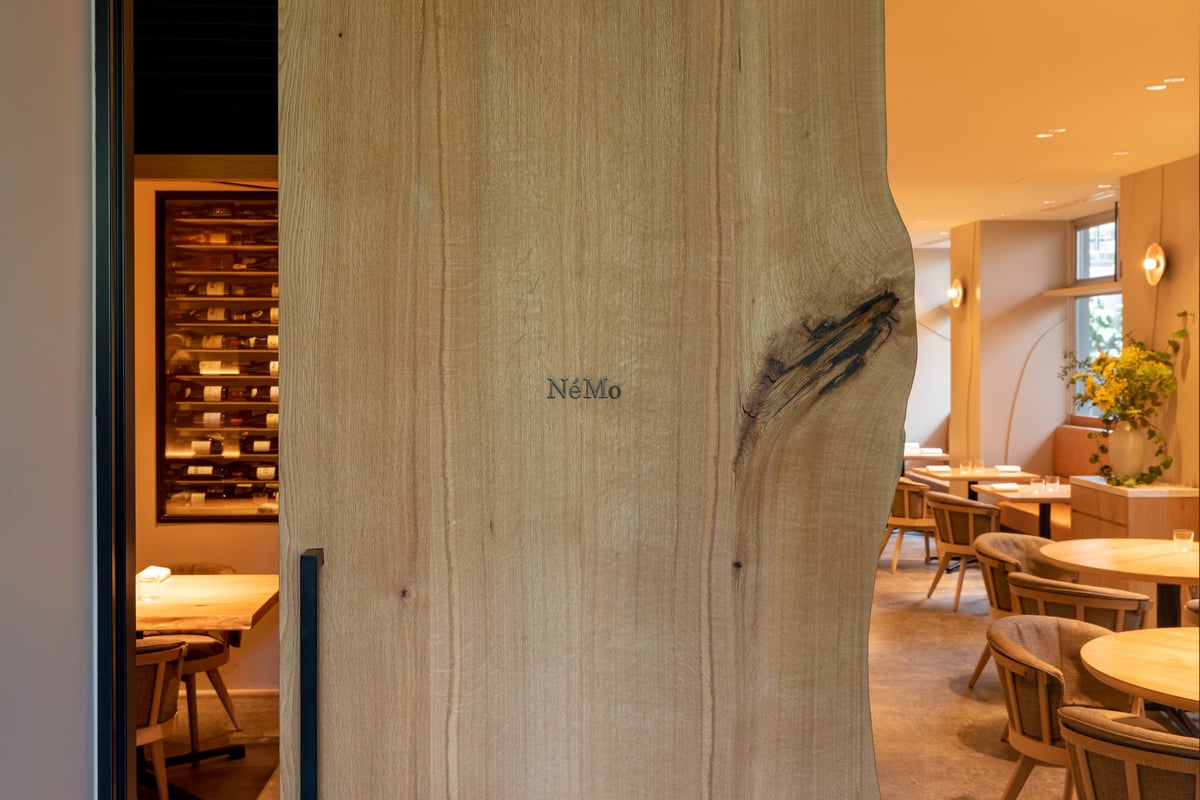
Established in Minami Aoyama since June 2021, NéMo embodies a contemporary, serene vision of French gastronomy in Tokyo, crowned with a Michelin star. In an elegant dining room adorned with natural wood, designed around circular forms and entirely free of sharp corners, Chef Nemoto has created a place where guests come to unwind as much as to dine. The atmosphere, brought to life by a warm and enthusiastic young team, feels more like a refined salon than a formal restaurant, inviting diners to forget the city’s energy for the duration of an intimate experience. The concept rests on a subtle harmony of boldness and sensitivity: conveying the passion of producers, celebrating the Japanese seasons and awakening all five senses through inventive cuisine, thoughtfully selected drinks and a deeply human approach to hospitality.


Kenichi Nemoto, from the Sea of Shimoda to Michelin-Starred Kitchens
Born in Tokyo in 1984, Kenichi Nemoto grew up close to nature, guided by a grandfather whose passion for fishing instilled in him an early love of the sea and respect for the natural world. These childhood memories—of meals shared in the countryside, freshly landed catches and gratitude for the seasons—gave rise to a profound calling: to offer his guests not simply cuisine, but emotion and a quiet sense of wonder at the beauty of exceptional ingredients.

Before opening NéMo, the chef-owner refined his culinary language in several celebrated establishments in both Japan and France. His career has taken him through Les Créations de NARISAWA, Aimee Vibert, Requinquer and Le Sergent Recruteur in Paris, followed by Tokyo’s three-Michelin-starred Quintessence, where he developed remarkable technical precision. French in its exacting standards and Japanese in its sensitivity, his style reveals an extraordinary attention to detail, particularly in the cooking and presentation of fish. Whether delicately fried, served in soup, roasted in butter or prepared with greater restraint, each fish is conceived to reach the table in its truest expression.

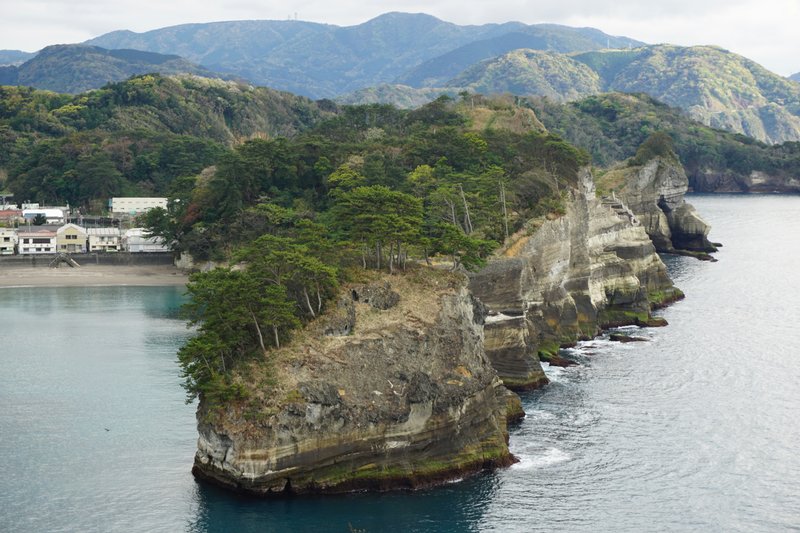
A fisherman since childhood, Kenichi Nemoto has an intimate relationship with seafood. At NéMo, he sources directly from trusted fishermen, particularly in Shimoda, who send their catch of the day—line-caught fish and impeccably fresh shellfish—straight to the restaurant’s kitchens. This close connection explains the absence of a fixed menu: lunch and dinner unfold according to the day’s arrivals and the treasures of the season. To accompany this seafood-driven cuisine, the cellar overseen by head sommelier and director Yuito Terashima holds some 800 references. Rooted in France yet open to the wider world, its Champagnes, white Burgundies, Jura wines, natural cuvées and bottles from coastal regions engage beautifully with the minerality and umami of the dishes.
Our Michelin-Starred Dinner
The menu begins with a dish named Ayu, showcasing a fish from Gifu in a composition that is both daring and delicate. Entirely edible, including the head, it is prepared in the spirit of tempura, lending it a crisp, almost weightless texture while preserving the depth of its flavor. Presented with sculptural precision, the fish rests in a luminous green sauce that combines the freshness of kiwi and cucumber with the briny intensity of shellfish, while the liver contributes a darker, velvety and lingering note. Finely sliced vegetables arranged on top bring crunch and vibrancy, creating an elegant contrast between bitterness, fruity acidity, marine salinity and the warmth of frying—a mouthful that evokes both a Japanese river and contemporary haute cuisine.
In a more pastoral vein, this dish offers a delicate, luminous interpretation of corn from Niigata Prefecture. Served in a small, minimalist cup, a silky yellow soup cradles an almost satin-smooth quenelle of corn ice cream, while a few kernels of popcorn add a crisp counterpoint. The corn’s natural sweetness is explored at different temperatures, through creamy richness and airy bursts of texture, like an evocative taste of Japanese terroir interpreted with exceptional finesse.

Following this sunlit sweetness, the pike conger arrives in a delicate, beautifully pared-back composition. The pearly flesh of this seasonal fish is cooked only on the skin side to preserve its tenderness, then set upon a bed of vegetables where edamame provides a bright crunch and junsai lends a welcome freshness. Finely grated macadamia nuts, scattered like golden powder, add buttery roundness and an elegant texture that contrasts with the delicacy of the fish and the green notes of its accompaniments. Alongside it, house-made oven-baked bread, with its golden crust and generous crumb, extends the experience with comforting simplicity—ideal for savoring the dish’s final nuances and accompanying the rest of the meal.


The journey then becomes more playful with the conger, a bite designed to be rolled by hand in a thin buckwheat galette—a gesture both delicate and convivial. At its center, glossy glazed conger meets the melting richness of pan-seared foie gras, while aubergine adds an almost confit-like sweetness. Shiso leaf and Japanese herbs awaken the whole with fresh, vegetal and lightly peppery notes. A scattering of buckwheat seeds punctuates the bite with a subtle crunch before the galette is folded and enjoyed by hand, like a small, portable luxury in which richness, umami and freshness are balanced with distinctly contemporary precision.


The amadai is a small marvel served in a rustic ceramic bowl, where an amber prawn broth generously envelops rice already steeped in the essence of the sea. The fried fish resting on top reveals delicately crisp, golden skin, contrasting with the almost velvety depth of the broth, while a few pearly flakes of flesh underscore the refinement of the preparation. On the palate, the dish recalls an elegant Japanese paella: the rice absorbs the broth’s briny intensity, the prawns bring a gentle salinity and the fish’s crisp texture enlivens every spoonful with beautifully measured elegance.

Greater amberjack from Shizuoka Prefecture continues this marine narrative with elegant restraint: a thick slice of pearly flesh, delicately pink at its center and lightly seared on the outside. It rests in a vibrant sauce of fresh and sun-dried tomatoes, scattered with Italian herbs whose tangy, confit-like and aromatic notes lift the richness of the fish. A briny depth from shellfish lingers on the palate, giving the dish a refined balance between Japanese precision in the handling of the ingredient and Mediterranean warmth, in a composition that is at once pure, generous and perfectly mastered.

After these briny nuances, Hitachi beef marks a transition toward more earthbound indulgence in a beautifully restrained presentation. A fillet cooked to a perfect shade of pink, unmistakably tender, rests in a glossy, deeply flavored meat jus enriched with a confit onion sauce that brings caramelized sweetness and an elegant length on the palate. Beside it, grilled baby corn topped with a golden gratin of milky, lightly smoky notes creates a contrast between vegetal crunch and creamy richness. Minimalist yet precise, the plate above all highlights the nobility of the beef, with that distinctly Japanese elegance in which every element complements the exceptional quality of the meat without ever obscuring it.

To refresh the palate, the first dessert arrives like a precious, invigorating sip, served in a small frosted cup where pale green foam rises in delicate bubbles, scattered with vivid green fragments of kinome. Melon from Shizuoka Prefecture brings a juicy, sun-drenched, almost milky sweetness, electrified by the herbaceous freshness of kinome and the subtle tingle of sansho pepper. The result is an elegant evocation of Japanese melon soda, reimagined in haute couture form: airy, fragrant and lightly effervescent on the palate, with a vibrant citrus finish that prolongs the sensation of freshness.

Continuing this fruit-led freshness, the next dessert opens an exquisitely elegant tropical interlude in which fresh, fleshy, sun-ripened mango meets the fragrant acidity of passion fruit, the enveloping sweetness of coconut milk and the coolness of sorbet. Yet the true moment of grace unfolds tableside, when the crème anglaise is caramelized with a hot iron in a precise, almost ceremonial gesture. Under the heat, the surface turns golden and glossy, forming a fine, crisp amber crust that contrasts with the cream’s silken texture. Both spectacular and delicate, this tableside flourish extends the pleasure beyond the plate and lends the dessert a vivid, almost theatrical dimension, poised between French indulgence and exotic brilliance.


Finally, Le Canelé provides a gentle signature to close the meal, served with an elegant infusion of three varieties of mint in a cut-glass teapot, where fresh leaves release their vegetal nuances into a pale, luminous liquor. Beside it, the small canelé—dark, glossy and deeply caramelized—promises that irresistible contrast between its lacquered crust and a soft, almost creamy center. Prepared since the restaurant first opened, it remains faithful to its original spirit while varying subtly according to the alcohol that infuses it. This version, made with Cuban rum, brings an exotic, rounded and fragrant warmth that plays beautifully against the minty freshness, creating a finale that is at once classic, refined and deliciously transporting.


My Verdict
At NéMo, every plate seems to evoke a memory of the sea, a Japanese season or a technique learned in the kitchens of great restaurants, achieving a rare balance between French precision and Tokyo sensibility. Free from ostentation, Kenichi Nemoto creates cuisine of serene elegance, where the freshness of the ingredients, the accuracy of the cooking and the delicacy of the service combine in a deeply harmonious experience. Within the hushed setting of Minami Aoyama, this Michelin-starred dinner leaves the impression of understated luxury—shaped by attentiveness, natural grace and emotion—like a suspended interlude from which one departs feeling that one has tasted Tokyo at its most intimate, refined and luminous.