Mandarin Oriental Tokyo, Breathtaking Views and Absolute Refinement


In Nihonbashi, where Tokyo preserves the legacy of its artisans while reaching towards the clouds, Mandarin Oriental Tokyo stands as one of the Japanese capital’s most refined addresses. This iconic hotel brings together spectacular views, contemporary serenity, exceptional cuisine and exquisitely precise hospitality. From a room suspended above the skyline and a breakfast of outstanding quality to the daring creations of the Tapas Molecular Bar, the hushed pleasures of the spa and the understated elegance of Nihonbashi, a stay here offers a rare immersion in a Tokyo that is both deeply sensory and firmly rooted in its heritage.
Nihonbashi, a District Steeped in Artisanal Heritage
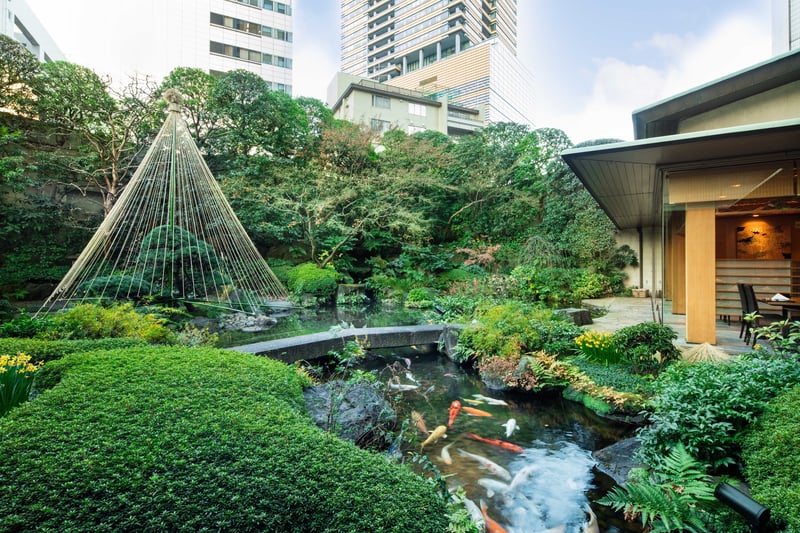
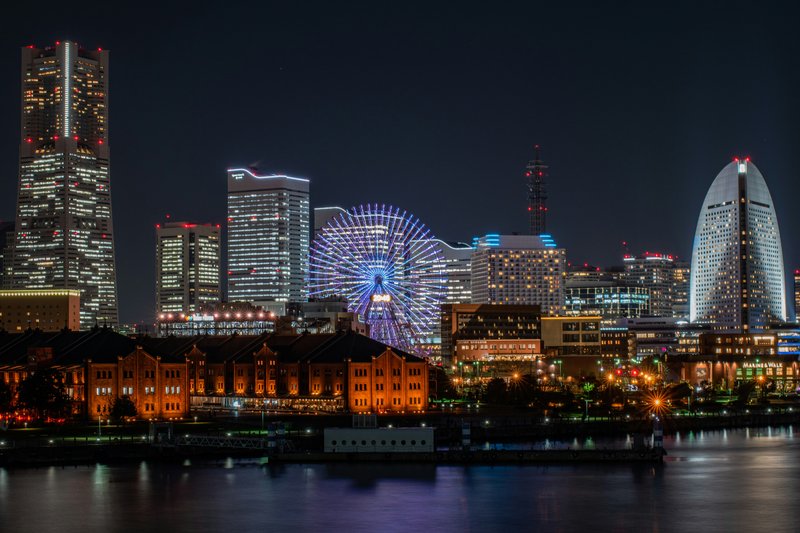
Ideally located in the heart of Nihonbashi, Tokyo’s historic birthplace and the former starting point of the great roads of the Edo period, Mandarin Oriental Tokyo offers a setting that is at once strategic, culturally rich and deeply refined. Nestled within the Nihonbashi Mitsui Tower, above Mitsukoshimae subway station, the hotel overlooks one of the capital’s most emblematic districts, where gleaming skyscrapers, legendary department stores such as Mitsukoshi and centuries-old artisan houses coexist with rare elegance. Just steps away, the city’s mercantile heritage unfolds through kimono boutiques, knife makers, confectioners and traditional workshops, while Ginza, with its luxury houses and sought-after restaurants, is only minutes away.

A Soaring Lobby Above the Skyscrapers
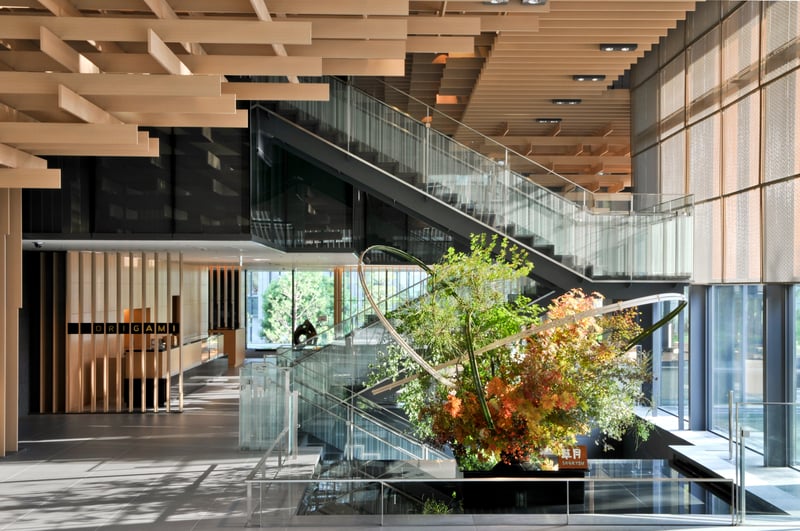
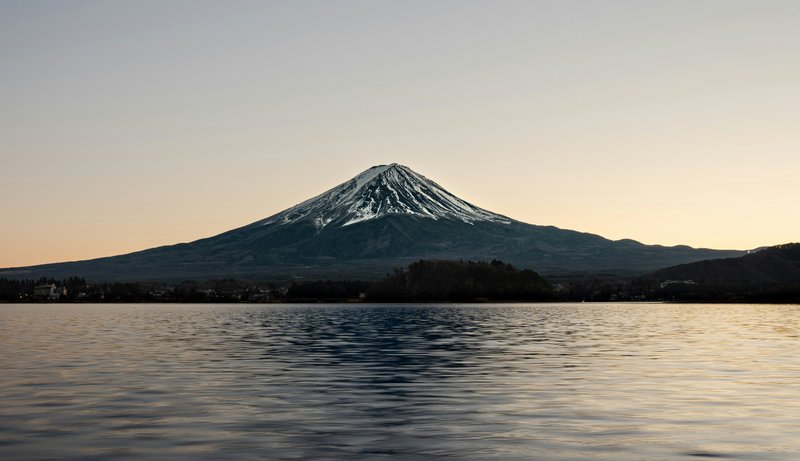
Perched atop a glass tower designed by Cesar Pelli, Mandarin Oriental Tokyo reveals a strikingly elegant urban style in which verticality becomes an art of living. From the moment guests arrive on the 38th floor, the double-height lobby sets the tone: spectacular glass walls, dizzying city panoramas and, on clear days, the almost surreal sight of Mount Fuji rising between the skyscrapers. From the hotel’s lofty vantage point, Tokyo appears perfectly serene: the Sumida River, Shinjuku and Tokyo Skytree trace the horizon, creating an aerial refuge above the megacity’s boundless energy. Conceived by Ryu Kosaka as a great living tree, the hotel draws subtle inspiration from nature and the four seasons, expressed through rich materials, layered textures and contemporary opulence that never feels ostentatious. Despite opening in 2005, the property retains a timeless modernity, defined by clean lines, a hushed atmosphere and omnipresent light flowing through every space, from the rooms and restaurants to the spa.


The Mandarin Grand Room, a Private Residence in the Clouds
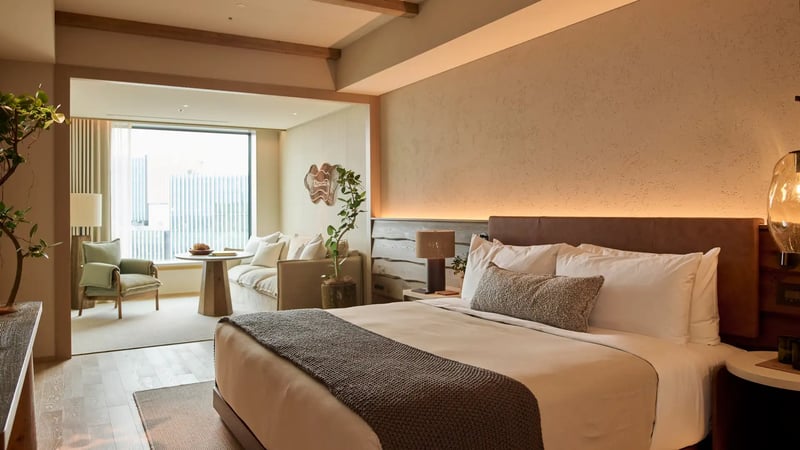
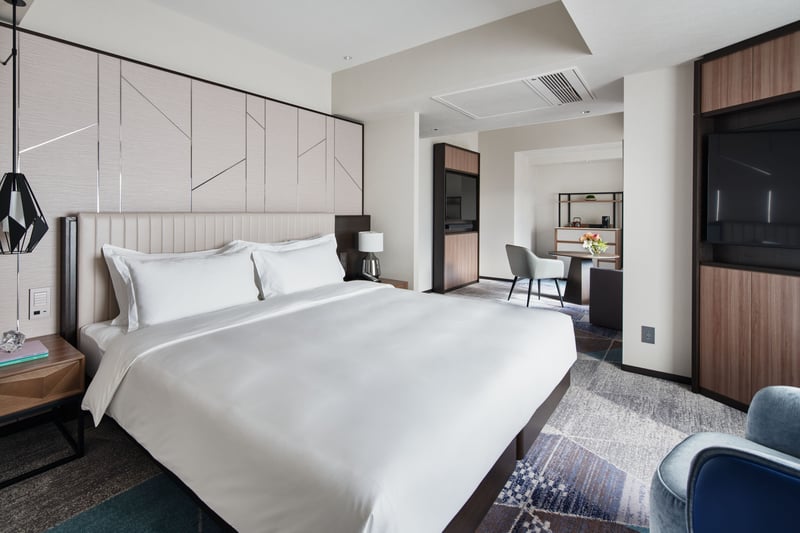
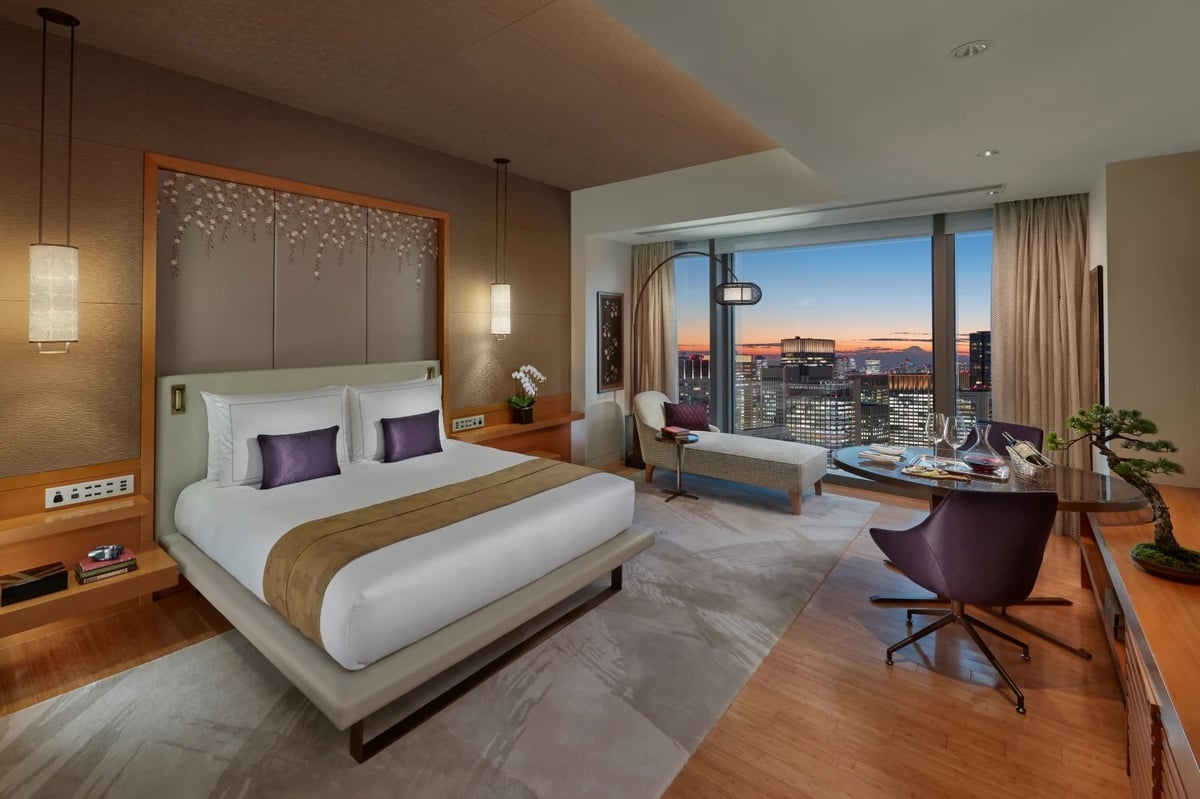
Set between the 30th and 36th floors, the 179 rooms and suites are true sanctuaries suspended above the capital. Flooded with natural light, they rank among Tokyo’s most spacious, with rooms measuring 50 to 60 square metres and suites spanning 90 to 100 square metres, all designed to allow the view to take centre stage. Depending on their orientation, the floor-to-ceiling windows reveal Tokyo Skytree, Tokyo Bay, Ginza, Tokyo Station or, on clear days, the almost unreal silhouette of Mount Fuji. The aesthetic is contemporary yet deeply Japanese, combining pale wood, washi paper, nature-inspired motifs and textiles designed by Reiko Sudo in a soothing palette of grey, beige and touches of violet.
We stayed in a 60-square-metre Mandarin Grand room, a cocoon of rare elegance where space, tranquillity and light create the feeling of a private residence in the sky. Every detail is exceptionally delicate: pale bamboo flooring, an intricately crafted headboard, fabric lanterns, a lacquer box holding a yukata, a generous dressing room and Egyptian cotton bed linen. Facing the floor-to-ceiling windows, the sofa invites guests to contemplate Tokyo as a living work of art, while the grey marble and granite bathroom extends this sense of well-being with its freestanding bathtub, rainfall shower, Natura Bissé products and generous amenities carefully arranged in a lacquered box.


An Exceptional Breakfast
On the 38th floor, K’shiki offers an elegant start to the day overlooking the Tokyo skyline. Served both buffet-style and à la carte, breakfast impresses with an extraordinarily varied buffet of superb quality, alongside meticulously prepared dishes ranging from poached egg with crab meat, avocado and hollandaise sauce to ramen with fish and chicken broth, as well as flawlessly executed morning classics. Special mention must go to the pastries, which are simply remarkable: their quality, delicate layers and finesse rival those of the finest Parisian palace hotels.


A Gourmet Journey Around the World
At Mandarin Oriental Tokyo, gastronomy unfolds as a sensory ascent above the city. Few Tokyo addresses bring together French haute cuisine, Cantonese specialities, exceptional sushi, delicate afternoon tea and award-winning omakase pizza with such effortless grace. The journey begins at street level on Chuo Dori, at the Mandarin Oriental Gourmet Shop, where cakes, breads, pastries, sandwiches and speciality coffees created by Executive Pastry Chef Fabien Martin and Head Baker Tomohiko Nakamura can be enjoyed on the pleasant terrace or taken away as a delicious memento. Higher up, on the 38th floor, the Oriental Lounge continues this indulgence in a more ceremonial form, with an outstanding afternoon tea composed of delicate pastries, refined savoury bites and creations inspired by the changing seasons, all served against Tokyo’s hypnotic lights. We had the pleasure of experiencing it a few months ago: Mandarin Oriental Tokyo: An Exceptional Afternoon Tea Overlooking Tokyo.


Signature embodies the hotel’s culinary elegance. Within a contemporary blue-and-white setting accented by magnificent silver screens, Chef Sylvain Gioana reinterprets classic French cuisine with precision and modernity. The graphic, impeccably composed plates converse with natural light by day and Tokyo’s glittering skyline by night. The experience gains even greater depth through the award-winning sommelier team, whose pairings subtly reveal the textures, sauces and nuances of each dish, transforming the meal into a moment of rare harmony.

Devotees of Asian cuisine will find much to delight them at Sense, where Cantonese cooking is expressed with finesse. Chef Toshiyuki Nakama elevates tradition through exceptional ingredients, from roasted Platinum pork to Kyoto duck served two ways, alongside a selection of dim sum prepared with seasonal Japanese produce. Higher still, Sushi Shin by Miyakawa offers one of the hotel’s most intimate experiences: seated at a counter crafted from 350-year-old Hinoki cypress, guests watch the chefs shape remarkably pure Edomae sushi using fish selected daily from Hokkaido and Toyosu Market.

Perhaps the most distinctive address is The Pizza Bar on 38th, ranked among the world’s finest pizzerias and conceived as an intimate eight-seat culinary theatre. Chef Daniele Cason presents a pizza omakase experience, prepared with dough made from organic Italian flour, seasonal Japanese produce and baked in a brick oven before the guests’ eyes. Each slice becomes a meticulous composition, occasionally unexpected and always beautifully balanced. For a more relaxed atmosphere, Ventaglio charms with its spectacular 25-metre-high ceiling and refined international buffet, particularly popular at lunchtime.

In the evening, the experience continues amid the more intimate atmosphere of the Mandarin Bar, an elegant retreat from the city’s bustle. Designed in a contemporary Japanese style, with natural materials and soothing views across the city, it serves signature cocktails and mocktails inspired by Nihonbashi, Tokyo’s historic birthplace.

Tapas Molecular Bar, Eight Guests in a Culinary Theatre
At the Tapas Molecular Bar, the experience feels like a rare privilege: just eight guests take their seats at the counter to witness a gastronomic performance of mesmerising precision. Under Chef Kento Ushikubo’s direction, molecular cuisine becomes a veritable 14-course gallery of culinary art, where familiar flavours, unexpected textures, contrasting temperatures and avant-garde techniques meet with elegance. His Omakase menu offers a journey for the eyes and palate alike, shaped by classical, modern and international influences and enhanced by a refined selection of drinks. Each creation deconstructs the ordinary only to reinvent it, stirring the imagination as much as the senses. The dinner we experienced evokes a Tokyo salaryman’s frantic working day transformed into an enchanting dream.


The experience begins with “Watering the Terrarium,” presented as a miniature landscape beneath a glass dome: a tiny edible garden arranged in a glass bowl, where snow crab hides beneath a creamy blanket of snow dotted with Oscietra caviar and dark grains resembling soil. Fourteen vegetables form this delicate landscape, with shoots, glossy leaves, crisp stems, a vivid flower and red radish bringing texture, freshness and colour to this precious terrarium. Inspired by chirashi, the dish balances artful abundance with Japanese elegance before being awakened by five sprays of bonito-infused Japanese vinegar, like a saline dew watering the miniature garden and revealing its salinity, delicate acidity and marine depth.


This dish evokes breakfast amid the bustle of Tsukiji Market. The isobeyaki is enjoyed like a precious piece of sushi placed directly into the hand: a dark sheet of nori enfolds fried mochi, crisp on the outside and deliciously elastic within, seasoned with soy sauce, fresh chives and chive oil injected into its centre. Deep orange, lustrous Hokkaido Ezo Bafun sea urchin brings an almost buttery oceanic opulence, punctuated by the delicate crunch of puffed rice.


The Shiso Dango arrives as a delicate little tableau. A highly anticipated course, it reinvents tradition by replacing rice with sesame tofu, fried until a thin, crisp shell gives way to a soft, almost creamy centre. The perilla leaf brings herbaceous freshness, while dengaku miso adds gentle umami depth; alongside it, pearlescent, lightly smoked abalone is lifted by a vibrant yuzu kosho sauce, whose citrus heat elegantly awakens the entire composition.

Here, Xiao Long Bao emerges as an exquisitely delicate trompe-l’œil: what appears to promise a dumpling ultimately reveals an almost secretive, elegant noodle soup. The dumpling wrapper has dissolved, leaving only the meatball, while the broth has settled beneath it to create a silky, milky chicken paitan, deep yet never heavy. Somen from Nara Prefecture lend their ethereal delicacy, kenmi chicken adds savoury richness and sudachi cuts through the composition with a bright, refined citrus note.

“Seasonal Encounter Between Land and Sea” appears as a precious miniature resting upon a broad, glossy green leaf, almost like a botanical offering. This architectural bite brings crisp-scaled tilefish into dialogue with golden chicken skin, white asparagus poached in dashi and seaweed scented with sake and mirin. Beneath these marine and earthy layers, konatsu brings the vivid, floral clarity of Japanese citrus, while frozen monkfish liver grated over the top envelops the dish in saline richness, recalling its nickname, “foie gras of the sea.” On the palate, the composition plays with an elegant tension between hot and cold, melting and crisp textures, oceanic depth and citrus freshness, achieving a seasonal balance of remarkable delicacy.

“The Salaryman Rushing to Work” is presented as a playful yet refined miniature. Beneath a generous snowfall of freshly grated Alba white truffle, the glossy golden cap reveals a composition both Japanese and Piedmontese, in which the umami depth of bonito flakes meets the gently resinous sweetness of pine nuts. The aroma is immediate, noble and enveloping: the truffle brings its musky sensuality, the bonito a delicate marine vibration and the pine nuts a rounded, toasted finish.

The journey continues with a creation in which white rice is paired with a deep, glossy Japanese curry, lifted with spices and enriched by a lobster sauce. Ise-ebi spiny lobster, cut into generous pieces, brings pearlescent, delicate and almost sweet flesh that contrasts with the curry’s warm intensity. At the summit, the illusion of a perfect poached egg is as intriguing as it is seductive: crafted from soy milk, this silky sphere conceals a pumpkin centre, adding a velvety vegetal sweetness. A few crisp elements complete the composition, whose presentation blends playful design with gastronomic precision.
“Duck with Sanshō” is a delicate, deeply Japanese composition showcasing glossy, pink-centred Kyoto duck breast, lightly coated in a clear, silky jus. Both noble and sensual, the meat is scattered with sanshō pepper, whose vibrant citrus character awakens the richness of the duck, while black garlic brings a mellow, almost balsamic depth. A few botanical touches and a finely placed garnish add freshness and elegance to an intimate presentation that evokes both the mastery of a fine-dining counter and Kyoto’s understated poetry.

“Fighting Bull” showcases the richness of A5 Miyazaki wagyu fillet, cooked to reveal a vivid pink centre and a visibly melting texture. Prepared in the spirit of sukiyaki, the beef rests in a dark, glossy, enveloping sauce with sweet and savoury notes, accompanied by a plump shiitake mushroom, delicately grilled baby daikon, fresh daikon radish and young shoots that add a vibrant vegetal touch. The composition plays on the contrast between the jus’s powerful umami, the wagyu’s delicately marbled richness, the mushroom’s earthy depth and the vegetables’ crisp freshness, while an espuma further enhances the sense of lightness and refinement.


The “Microplastics” dessert immediately intrigues with its deceptive, contemporary aesthetic. Beneath an almost playful appearance, it explores contrasts of texture and temperature through a warm grilled rice ball with a melting centre and the silky coolness of Assam tea infused with Miyazaki mango. Tapioca pearls add a delicate chew, while the translucent shards arranged on top, deliberately evoking “microplastics,” reveal themselves as fine, crisp and salty potato chips.
Next comes a delicate evocation of the beehive, both poetic and indulgent: a golden, airy taro puff resembling fried dim sum rests beside an immaculate quenelle of honey-wine ice cream, dusted with kinako for a toasted, silky note. Tokyo honey, served separately, brings amber and floral radiance, while Hibiki whisky lends an elegant, lightly wooded depth. Powdered fragments and a soft marshmallow extend the interplay of textures, moving between crispness, melting softness and a sweet cloud.


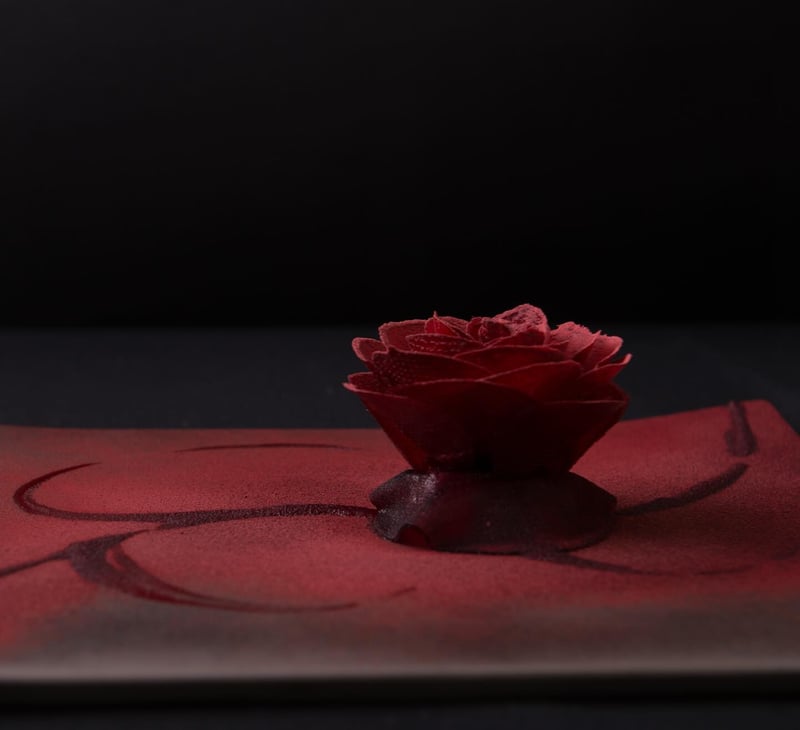
The meal concludes with a delicate, playful and refined interlude. These miniature spheres evoke the ritual choice between tea and coffee: smooth, glossy and deep brown, they recall a coffee-infused ganache. Presented alongside a graffiti-style illustrated notebook, the final tableau transforms these petits fours into an artistic wink, balancing gentle sweetness, a light crunch and mischievous elegance.

Tokyo Well-Being on the 37th Floor
Suspended on the 37th floor, the Spa offers a heavenly interlude above the city’s bustle, with spectacular views across the skyline. Within an atmosphere of hushed elegance, treatment rooms and private suites host rituals inspired by Japanese and Asian traditions, designed to restore harmony between body and mind, from signature treatments to the Art of Bathing. The Heat & Water facilities extend this sense of escape with ofuro-style vitality pools, a panoramic sauna, crystal steam room and ice fountain, offering a perfect alternation of warmth, water and contemplation. Here, well-being becomes a true sensory journey, shaped by silence, light and Tokyo’s unforgettable panorama.


My Review
Mandarin Oriental Tokyo leaves the rare impression of a great hotel capable of transforming a stay into an enduring memory: an address suspended between sky and city, where Japanese elegance, precise service and a wealth of experiences form a remarkably coherent art of living. From the light-filled Mandarin Grand room and breakfast overlooking Mount Fuji to the creative thrills of the Tapas Molecular Bar, every moment seems conceived with Tokyo’s distinctive delicacy, balancing absolute mastery with understated emotion. Nihonbashi adds an extra layer of soul, blending artisanal heritage, urban refinement and privileged access to the capital’s finest facets. An exceptional retreat, at once aerial and deeply rooted in its neighbourhood, offering one of Tokyo’s most elegant, contemplative and gastronomic expressions.
What I loved:
- An exceptionally central location in one of Tokyo’s historic districts, ideal for exploring the city.
- A remarkable breakfast, both in quality and variety, ranking among the finest we have experienced in Tokyo.
- An outstanding culinary offering, with several restaurants possessing distinctly individual identities, including the unmissable Tapas Molecular Bar, which alone makes the experience worthwhile.
What I regretted:
- There is very little to criticise about this stay: the experience is exceptionally accomplished, with a standard of service approaching perfection.
Practical Information
- Mandarin Grand room priced at €1,100 per night in June 2026.
Contact Details
Check AvailabilityMandarin Oriental Tokyo