Skip to content

Hakone

Explore Hakone

Hotels (7)

Where to Stay

Verified
Verified

Immortalized in Hiroshige's ukiyo-e woodblock prints, this 17th-century ryokan spreads across a 4,000-tsubo estate with six distinctive buildings overlooking wild, mossy gardens. The onsen here flows untouched—200 liters per minute of sulfur, sulfate, and bicarbonate waters that shift color with the weather. Families gather in the irori hearth room for shogi and karuta, while five private outdoor baths offer forest-view soaks in generous 1.6×1.8-meter tubs.

Verified
Verified

In Sengokuhara’s highlands, Kinnotake Sengokuhara frames Hakone as an adult ryokan of rare privacy: nine rooms only, each with its own open-air bath. Its interiors draw on The Tale of the Bamboo Cutter, while the baths run with milky Owakudani spring water. Chef Iwai’s Kyoto kaiseki is served in-room; afterward, The moon SPA and Bar Bamboo, facing a night-lit garden, keep the mood intimate.

Verified
Verified

Kinnotake Tōnosawa frames Hakone’s forested quiet through a creative ryokan concept inspired by Taketori Monogatari and Princess Kaguya. Its 23 rooms, across seven designs, each come with a private open-air bath fed by the Golden Spring. Kaiseki by chef Iwai, Teppanyaki Zen’s rare Ishigakijima Kitauchi Farm Premium Beef, Bar Bamboo and Mori no Spa suit couples seeking retreat over spectacle.

4. Gora Kadan

3 Michelin Keys· Relais & Châteaux

Once the private retreat of the Imperial Family Kanin-no-miya, this ryokan occupies a privileged position within Hakone National Park, barely ninety minutes from Tokyo by rail. Rooms in tatami or semi-Western style open onto framed views of forested hills beneath Mount Fuji; several feature private open-air stone or wooden baths fed by volcanic springs. A mineral pool surrounded by massive boulders anchors the gardens, while kaiseki dinners showcase seasonal local ingredients with quiet precision.

5. ESPACIO The Hakone Geihinkan Rin-Poh-Ki-Ryu

1 Michelin Key

A cable car descent through forested hillsides delivers guests to nine riverside villas along the Hayakawa, each an adults-only sanctuary where kumiko woodwork, translucent paper screens, and lacquer surfaces compose strikingly original interiors. Select villas feature private open-air onsen and saunas drawing on seven centuries of local hot spring tradition, while both indoor and outdoor pools offer further immersion in this contemplative valley retreat.

6. Fufu Hakone

1 Michelin Key

Fufu Hakone channels Gora’s rocky terrain into a 39-room mountain resort, with stone counters, rock-textured walls and softer notes of bamboo and seasonal flowers. Its public onsen faces the Hakone range, while every room adds a private open-air hot-spring bath. Japanese prix fixe dinners, BAR「空木」 and the Hinoka spa suit onsen-focused couples or families seeking quiet, design-led retreat.

7. Hakone Gora Karaku

1 Michelin Key

Gora Karaku distills the Hakone onsen tradition into seventy rooms where private hot-spring baths come standard — a rare luxury even by ryokan measures. Guests choose between tatami and Western layouts, both rendered in muted tones and plush materials that feel contemporary yet rooted. The kitchen draws on hyper-local, seasonal ingredients, while meditative mountain views and a public bath complex complete the restorative picture. Families welcome.

8. THE HIRAMATSU HOTELS & RESORTS SENGOKUHARA

1 Michelin Key

In Sengokuhara’s highland landscape, THE HIRAMATSU HOTELS & RESORTS SENGOKUHARA takes the form of a 20-room French-auberge retreat rather than a ryokan, with Western-style rooms and source-fed onsen baths in every room. Views reach Hakone’s mountains, greenery, the caldera, or, from some residence rooms, Mount Fuji; chef Suguru Urushibara’s Italian cooking, the SALON spa and Chagall-to-Kusama art suit food- and design-minded travelers.

9. Hakone Kowakien Tenyu

A nine-storey contemporary reinterpretation of the ryokan tradition, this 150-room mountain retreat grants every guest a private open-air thermal bath fed by natural springs. The indoor-outdoor public onsen facilities prove equally impressive, framing Hakone's forested slopes through floor-to-ceiling glass. Forest trails wind past waterfalls to open-air yoga sessions, while family-friendly amenities—children's yukata robes, dedicated menus—welcome multigenerational groups.

10. KAI Sengokuhara (Japan)

Hoshino Resorts' Sengokuhara property channels the contemplative spirit of a traditional ryokan through an art-forward lens, with creative workshops and curated spaces designed to deepen guests' connection to nature. Every room features a private onsen commanding sweeping views of the surrounding landscape. Families find genuine welcome here—children's menus, baby equipment, and art activities for all ages—while a single pet-friendly room accommodates four-legged companions.

What to Do

1. Kadan Spa - Beauté

Relais & Châteaux

Three natural hot springs cascade from volcanic rocks into outdoor pools at this spa set within the gardens of a former imperial villa. The mineral-rich waters, prized for their skin-nourishing properties, flow alongside sleek Japanese treatment rooms where restorative massages unfold amid the scent of exotic herbs. An indoor pool and Jacuzzi provide quieter moments between soaks in the open air.

Frequently Asked Questions

Which Hakone area is best for hot spring hotels?

+

Each area draws from different onsen sources. Gora offers sodium chloride springs known for warming the body, while Kowakidani features sulfur-rich waters. Yumoto, the oldest hot spring town at the base of the mountains, has the highest concentration of traditional ryokan with outdoor baths.

When is the best season to visit Hakone?

+

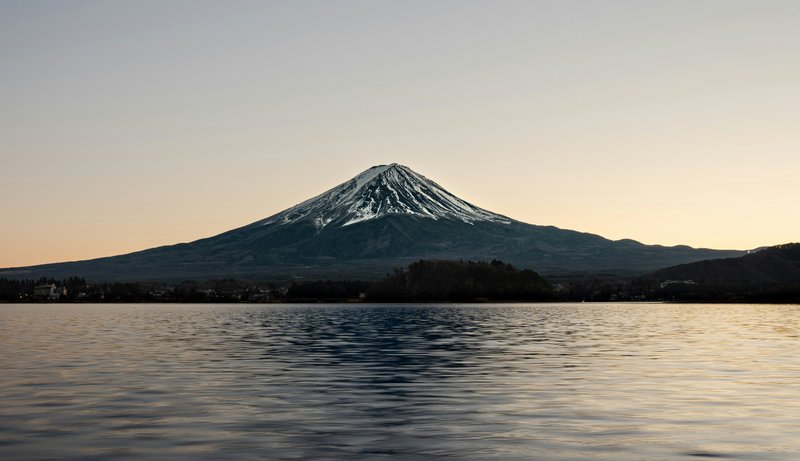
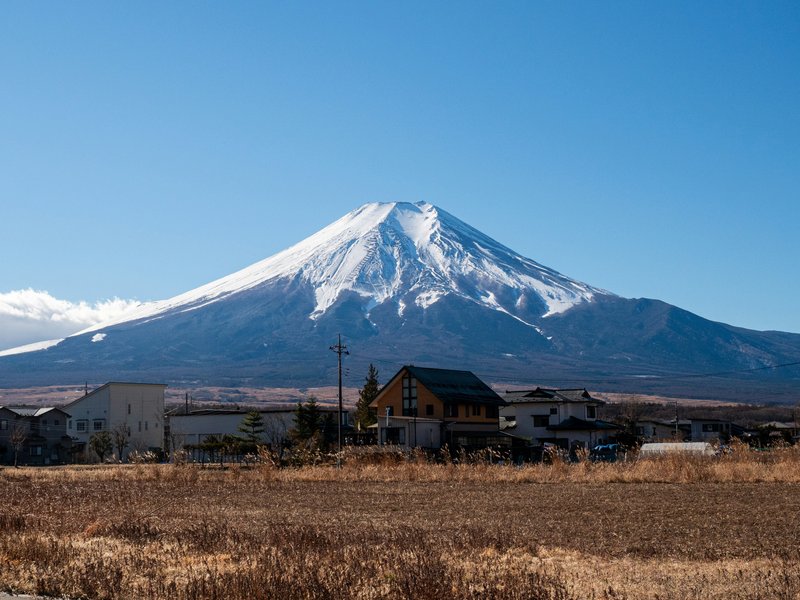
Autumn brings crimson maples from late October through mid-November, drawing crowds but offering spectacular scenery around Lake Ashi. Winter provides the clearest views of Mount Fuji and fewer visitors. The rainy season from June to July shrouds the mountains in atmospheric mist, creating an introspective mood that many Japanese travelers prefer.

How do Hakone ryokan differ from Western hotels?

+

Traditional ryokan follow centuries-old customs: kaiseki dinner served in-room, futon bedding laid out while you bathe, and yukata robes worn throughout the property. Most include two meals in their rates and structure the evening around bathing, dinner, and early rest. Many now blend these traditions with contemporary design and private onsen on the balcony.