How ROKU Kyoto Reinvents the Experience of Authentic Japan


In Kyoto, certain addresses possess the rare grace of opening the most discreet doors onto Japanese tradition. At the foot of the northern mountains, ROKU KYOTO cultivates this art of intimate immersion, inviting guests to discover the former imperial capital through its most treasured rituals, materials and time-honoured gestures. Tea ceremony, washi paper, ceramics, weaving, kintsugi and privileged access to the Gion Festival come together in a sensory journey into the heart of a living heritage, where every encounter reveals the refinement of skills passed down with patience. In this contemporary retreat surrounded by nature, luxury takes the form of silence, unhurried time and the subtle emotion that lingers when tradition reveals itself without artifice.
Tea Ceremony in Kyoto, Where Matcha Becomes a Ritual
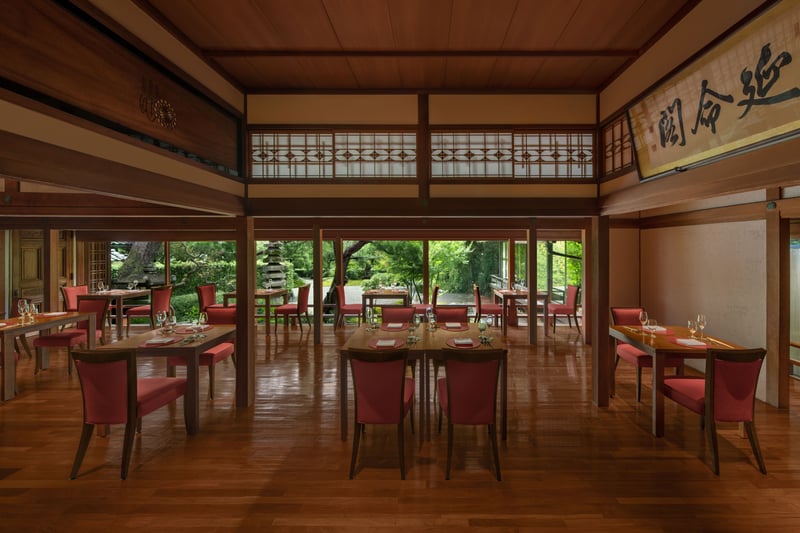
Among the signature activities offered by ROKU KYOTO (read our hotel review here: ROKU KYOTO: A Secluded Retreat Where Time Slows Down), guests can discover the region’s artisanal heritage through intimate workshops with local craftspeople, while families can enjoy playful experiences designed for younger visitors. The tea ceremony reflects this same desire to share Kyoto’s traditions with elegance and authenticity. Nestled within the magnificent northern garden of Shozan Resort, an understated Japanese teahouse invites guests to experience a traditional ceremony in a setting of absolute tranquillity. Relocated from the venerable Daitokuji Temple, this historic building is surrounded by Kitayama cedars and maples whose colours shift with the seasons, creating a deeply authentic setting. Over the course of approximately two hours, guests are introduced to the customs of chanoyu in a hushed atmosphere conducive to silence, observation and an appreciation of every gesture.


In a different vein, we were also fortunate enough to preview a more contemporary and particularly exclusive tea ceremony at Yuubian. Accompanied by a Japanese–English interpreter, we learned the fundamentals of the practice, asked questions, watched the host prepare the matcha and handled the utensils before making our own tea. The experience concluded on an unexpectedly indulgent note, with delicate plated French pastries extending this rare interlude between Japanese tradition and contemporary refinement.


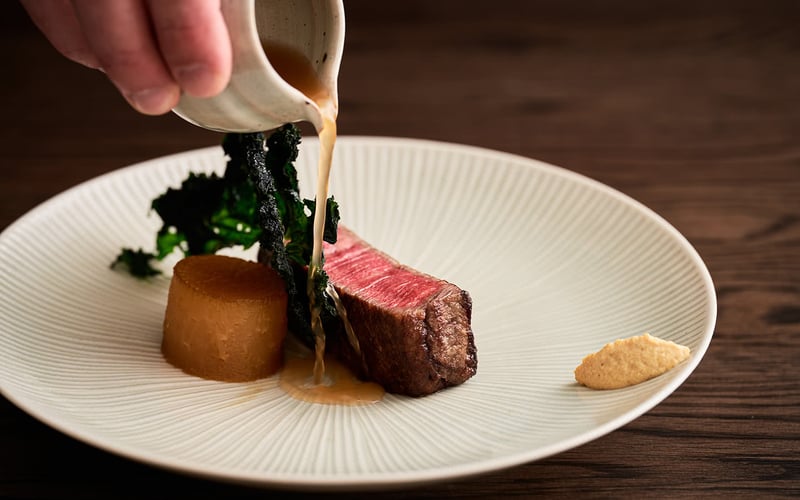
Before this experience, we had the pleasure of lunching at Itsutsu, an intimate restaurant devoted to the art of soba. The chef makes his own noodles using approximately 90% buckwheat, a high proportion that demands genuine technical mastery, and takes his commitment to fine produce so far as to personally select some of the vegetables destined for the tempura that very morning. Lunch began with a kombu-infused tomato delicately seasoned with Noto salt, followed by sea bream sashimi served with lemon and soy sauce. A selection of light, precisely fried tempura preceded the house-made soba, the restaurant’s true signature, before a beautifully simple dessert accompanied by tea. This intimate and authentic restaurant, frequented primarily by Japanese diners, places precise technique and the quality of its ingredients at the heart of the experience.


On the Banks of Kamiya, Washi Comes to Life
In a setting steeped in history, the Tenjin River flowing through the hotel grounds—affectionately known as Kamiya, the “paper river”—evokes the legacy of the artisans believed to have crafted washi along its banks as early as the Heian period. During this private two-hour workshop, a specialist artist introduces guests to the delicate techniques behind this centuries-old tradition, from the use of pure river water to the transformation of carefully selected fibres derived from ganpi bark. Combining ancestral expertise, natural materials and a contemplative atmosphere, the experience offers a rare immersion in the understated elegance of Japanese craftsmanship.
A Ceramics Workshop
Within the serene world of ROKU KYOTO, this ceramics workshop invites guests to create a keepsake with a profound connection to its setting, using clay sourced from the hotel’s own grounds. Under the guidance of artisans from Kanou Shokoku, one of Kyoto’s most respected traditional pottery studios, participants learn to knead the clay by hand before delicately decorating their creation. Following this experience of approximately two hours, each piece is fired in a kiln and shipped to its creator around two months later, extending the journey through the arrival of a unique and personal object shaped by memories of Kyoto. To deepen this immersion in the Japanese arts, a kintsugi experience also offers the opportunity to discover the ancestral art of repairing broken ceramics with gold and lacquer under the guidance of master craftsman Hiroki Suezaki.


The Precious Silence of Japanese Weaving
Step into the timeless elegance of Japanese craftsmanship during a traditional weaving experience led by Mr Amane Tatsumura, the fourth-generation owner of the KOHO Nishikiori Traditional Textile Studio. During a private gallery tour, guests discover sumptuous brocades and precious restorations of antique textiles, each bearing witness to an exceptionally refined artisanal heritage. The experience continues with the creation of their own fabric, woven from silk threads in rich, sophisticated shades inspired by the resort’s colours. This privileged moment offers an intimate encounter with the poetry of the material and the precision of an art passed down from one generation to the next.

ROKU KYOTO to the Secret Rhythm of the Gion Festival
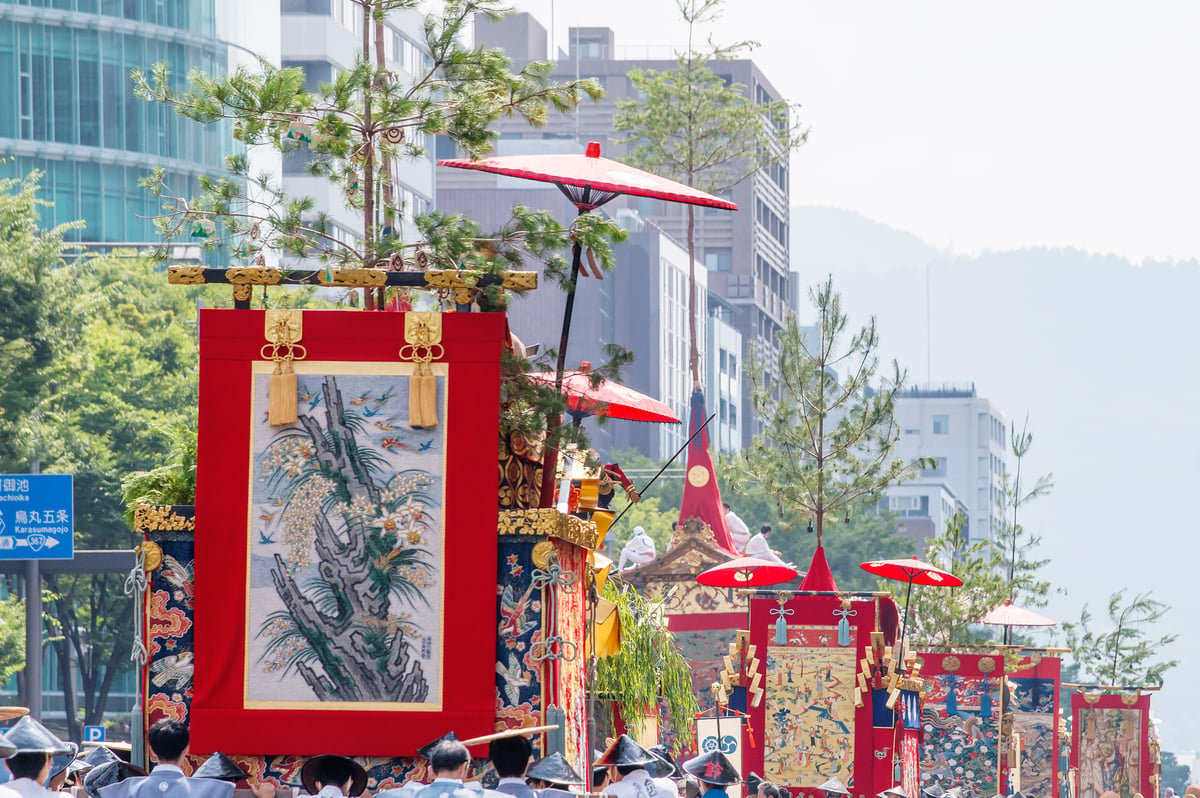
For the 2026 edition, on 17 and 24 July, ROKU KYOTO invited guests to experience one of the most iconic moments of summer in Kyoto: the Gion Festival’s Yamahoko Junko procession. Recognised by UNESCO as Intangible Cultural Heritage, this thousand-year-old ritual filled Kyoto’s streets with magnificent decorated floats—true “moving museums”—accompanied by the mesmerising rhythm of Gion-bayashi music. From a reserved indoor space in Kyoto Kawaramachi, guests enjoyed a privileged view of the procession, away from the dense crowds gathered in the streets and sheltered from the intense July heat. This exclusive and comfortable setting allowed them to admire the parade in serene surroundings, accompanied by commentary from a bilingual guide revealing the history, symbolism and profound cultural significance of this tradition.


Here, observation gave way to immersion: the decoration of the floats, the gestures passed down through generations and the festival’s solemn atmosphere created a sensitive dialogue between art, spirituality and living memory. Within the comfort of an elegant setting, drinks, sake, Japanese tea and light refreshments accompanied this rare experience, designed to reveal the full delicacy of Kyoto’s summer traditions.

Guests also discovered the elegance of the kagai world through an interactive encounter with two maiko from Kamishichiken, the oldest of Kyoto’s five geisha districts. Through ozashiki-style entertainment, dances, intimate conversation and traditional games, they offered a precious glimpse into a world where grace of movement, music, song and the subtle art of hospitality are cultivated each day. This intimate encounter with the maiko added a quintessentially Kyoto dimension to the procession, blending refinement, poetry and the passing down of tradition.


The experience continued with a hime wagasa workshop led by artisans from Tsujikura, a historic house founded in 1690 and devoted to the art of Japanese parasols made from bamboo and washi paper. Each participant crafted a unique miniature to take home, reflecting the precision and beauty of Japanese artistry. As a keepsake, guests also received a protective chimaki amulet presented by members of the relevant Yamahoko neighbourhood—Funehoko on 17 July or Kitakannonyama on 24 July—a precious talisman imbued with Kyoto’s prayers and spirit. Combining the procession, personal encounters, craftsmanship and living traditions, the morning proved absolutely exceptional, with such a rich programme of activities that there was never a dull moment. Several times throughout the year, ROKU KYOTO offers similarly unique experiences, allowing guests to discover Kyoto through rare, intimate moments deeply rooted in the local culture.


My Review
Through these carefully orchestrated experiences, ROKU KYOTO reveals a precious side of the city, shaped by unhurried gestures, noble materials, thoughtfully curated encounters and traditions preserved with infinite delicacy. From the silence of a teahouse to the measured fervour of the Gion Festival, from the texture of washi paper to the gleam of gold in kintsugi, every moment offers an invitation to enter Kyoto’s cultural intimacy without ever disturbing its delicate balance. The hotel captivates through its ability to unite contemporary comfort, exclusivity and cultural transmission, offering travellers a rare immersion in the artisanal and poetic soul of the former imperial capital.
Contact Details
ROKU KYOTO LXR HOTELS & RESORTS