Japan's inaugural JW Marriott occupies a prime position in the ancient capital, its modernist architecture drawing deeply from Nara's heritage through rooms designed after traditional local homes. The signature Azekura restaurant delivers teppanyaki, sushi, and kaiseki across three spaces, while the Flying Stag bar nods to the city's sacred deer with striking stag artwork above afternoon tea service. A Japanese-designed spa with indoor pool and morning yoga sessions rounds out the wellness offering.
Where to Stay
Nine rooms and suites dressed in European elegance occupy this adults-only auberge in semi-rural Sakurai, a short drive from Nara. The kitchen applies French technique to regional ingredients chosen for both flavor and wellness properties—a philosophy guests experience at an exclusive morning table, while lunch and dinner welcome outside visitors. Gardens surround the property, encouraging unhurried stays.
From its perch on Mount Wakakusa's lower slopes, this 21-room property commands sweeping views over Japan's ancient capital—a vista best appreciated from one of four open-air onsen baths. The mid-century structure has been reimagined as a contemporary ryokan with Western-plan rooms, while Terrace Wakakusayama restaurant pairs traditional Japanese techniques with French influences against that same dramatic panorama.
Behind traditional walls and gates at the threshold of Nara Park and Mount Kasuga's ancient forest, this 43-room compound pairs historically minded architecture with clean-lined contemporary interiors. Floor-to-ceiling windows frame garden views where the region's famous deer occasionally wander past. The on-site Suioyou restaurant showcases refined regional cuisine, while spa and onsen facilities complete an intimate retreat suited to families and wellness seekers alike.
Five suites occupy this adults-only retreat at the foot of Mt. Wakakusa, each designed around one of nature's elements—fire, water, earth, wind, wood. The location places guests between Todaiji Temple and Kasuga Taisha Shrine, with Nara Park spreading below. Chef-founders shape the seasonal menu, drawing on deep local traditions, while a private jacuzzi offers quiet recovery after temple walks.
Tucked into Nara's Kasuga Okuyama district, this intimate ryokan accepts just five groups daily, ensuring a hushed, unhurried atmosphere. The focus here is kaiseki-driven hospitality—each meal a carefully orchestrated progression of seasonal courses. Private onsen baths offer restorative soaks after temple visits, while the family-friendly approach makes it a rare find for travelers seeking traditional Japanese inn culture without sacrificing comfort for children.
Ubutsuna no Sato TOMIMOTO operates on a rare principle: only two guest groups per day occupy this traditional Japanese house in Ikoma, near Nara. The deliberate scarcity creates an atmosphere of unhurried intimacy, where families can settle into tatami rooms without competing for attention. This is Japanese hospitality stripped to its quietest, most personal form—a stay calibrated for travelers seeking stillness over spectacle.
At the threshold where Nara's urban fabric dissolves into the ancient woodlands of Nara Park, this 30-room retreat channels regional azekura architecture through darkened timber and sea-blue tones lit by flickering lanterns. Every guest room opens onto a private hot-spring onsen, while the spa draws on traditional herbal treatments. Gardens and family-friendly proportions make it equally suited to couples and multigenerational groups.
Where to Eat
A bamboo-enclosed retreat serving just one party daily, Oryori Hanagaki embraces the ichigo ichie philosophy—each meal as an unrepeatable encounter. The chef presents ingredients tableside, sometimes finishing preparations before guests, forging an intimate connection between diner and dish. Seasonal produce sourced throughout Japan meets occasional Western accents, resulting in two-Michelin-starred cuisine that rewards those seeking absolute exclusivity.
Chef Masato Nishihara's two-Michelin-starred table draws its philosophy from tsukumo—ninety-nine, the white canvas one stroke shy of completion. This pursuit of deliberate imperfection shapes a French menu rooted in Nara's terroir, where local ingredients meet inventive technique. Each course unfolds like a chapter from Japan's ancient capital, rewarding travelers seeking cuisine as contemplative as it is precise.
Chef Shojiro Shimizu holds two Michelin stars at this Nara address where centuries-old Japanese techniques meet refined French sensibility. Rice steams in a traditional kamado, proteins char over binchōtan, and seasonal appetizers arrive as precise expressions of the moment. The restaurant takes its name from a Zen chant by Dogen Zenji, a philosophy that permeates every deliberate gesture in the kitchen.
Named for the Basque word meaning 'memories,' Akordu presents Chef Hiroshi Kawashima's deeply personal interpretation of Nara's culinary heritage. Each table receives a small box containing poetic menu cards that hint at the evening ahead—a two-Michelin-starred experience where Japanese ingredients meet modern Spanish techniques. Kawashima's cooking honors the ancient capital's terroir while embracing creative freedom, crafting dishes that become lasting impressions.
At the foot of Mt Wakakusa, this one-Michelin-starred auberge has earned its reputation as the epicentre of Nara gastronomy. The kitchen draws inspiration from the ancient Yamayaki festival, cooking over wood flames that impart a delicate smokiness while sealing in moisture. Each menu item credits its producers by name and region—a gesture of transparency that reflects the establishment's philosophy of mutual understanding between those who grow, cook, and eat.
Clay pots steam with Hinohikari rice sourced from Nara Prefecture, seasoned simply with chirimen sansho—small dried fish and pepper that speak of the region's agricultural heritage. At this one-Michelin-starred table in Sakurai, local ingredients meet local ceramics in arrangements of deliberate restraint. The chef's sincerity shows in every course, concluding with handmade confections and whisked matcha that leave diners in quiet contentment.
A single Michelin star marks this family-run Japanese table where a devoted chef works alongside his daughters, who orchestrate the gracious service. The kitchen philosophy strips away complexity to reveal pure ingredient flavors—witness a dish of boiled vegetables finished with bonito-infused soy sauce, disarmingly simple yet deeply considered. The chef's maxim, 'cuisine reveals the person,' permeates every course.
In Asuka—the ancient cradle of Japanese civilization—a converted farmhouse holds one Michelin star and a Green Star for its sustainable approach. The chef's family cultivates the surrounding fields, supplying vegetables that arrive in the vibrant 'Daichi Kara' salad and wheat transformed into handmade pasta. Seasonal set menus move through Italian techniques applied to hyper-local produce, each course a quiet meditation on terroir and gratitude.
Named for the five senses it engages, Gokan Uogin reveals creativity within classical Japanese technique. Ingredients grill patiently over charcoal while rice steams in a wood-fired stove, filling the room with primal aromas. A signature dish reimagines buri-daikon: amberjack sashimi draped with grated daikon and a rich bonito stock sauce. Meals conclude with rice served in handmade ceramic bowls—each course a quiet revelation.
A family affair in the truest sense: the chef's father grows the rice and vegetables, his mother orchestrates the dining room, and the kitchen operates on a straight-to-table ethos that prizes immediacy. The one-starred French cooking here takes an unconventional turn—soup broths forgo salt and soy sauce entirely, relying instead on the natural salinity of each ingredient. Craftsman precision meets familial warmth.
Frequently Asked Questions
What is the best area to stay in Nara for temple access?
+
The Nara-machi historic district places you within walking distance of both Tōdai-ji and Kōfuku-ji temples, while offering traditional townhouse accommodations and excellent dining options along its narrow streets.
Is Nara best visited as a day trip or overnight stay?
+
An overnight stay reveals a different city entirely. Once day-trippers depart by late afternoon, Nara Park empties and the deer settle into evening routines. Morning visits to Tōdai-ji before tour buses arrive offer a contemplative experience impossible to replicate on rushed schedules.
What local dishes should visitors try in Nara?
+
Kakinoha-zushi — vinegared mackerel wrapped in persimmon leaves — represents the region's preservation traditions. Yamato-cha (local tea) and dishes featuring Yamato mana greens or other heirloom vegetables from the Nara basin showcase ingredients with centuries of cultivation history.
Nearby Destinations
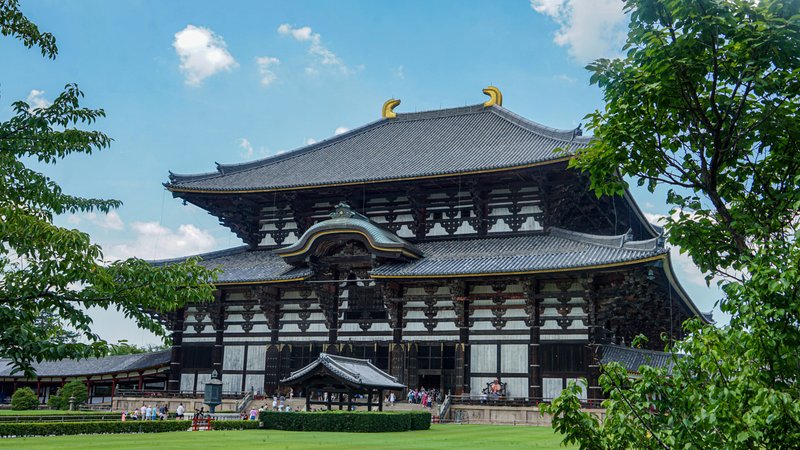
Explore JapanJapan's first permanent capital retains an unhurried grace that Kyoto long ago surrendered to crowds. The Nara-machi district — a grid of Edo-period machiya townhouses — now shelters discreet guesthouses behind indigo noren curtains, while the forested slopes of Mount Wakakusa provide a theatrical backdrop for properties with views across the park's wandering deer and ancient temple rooflines. The city's compact scale means morning walks from your accommodation to Tōdai-ji's Great Buddha Hall take minutes rather than hours.
Dining here favors quiet excellence over spectacle. Kaiseki restaurants along Sanjō-dōri serve multi-course meals featuring Yamato vegetables — heirloom varieties cultivated in the surrounding basin for centuries. The local specialty, kakinoha-zushi (mackerel pressed in persimmon leaves), appears in modest storefronts that have perfected single dishes across generations. For coffee, the lanes south of Sarusawa Pond hold independent roasters in converted merchant houses, their beans often sourced from the same suppliers as Tokyo's best shops.