


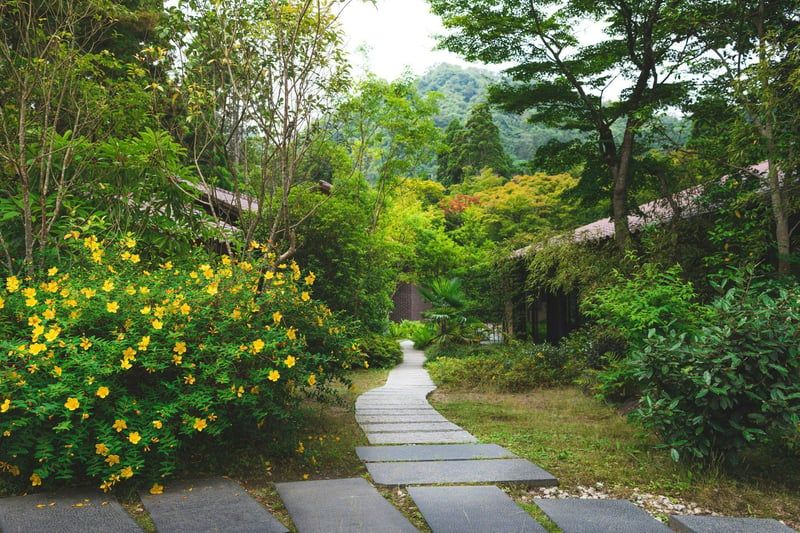
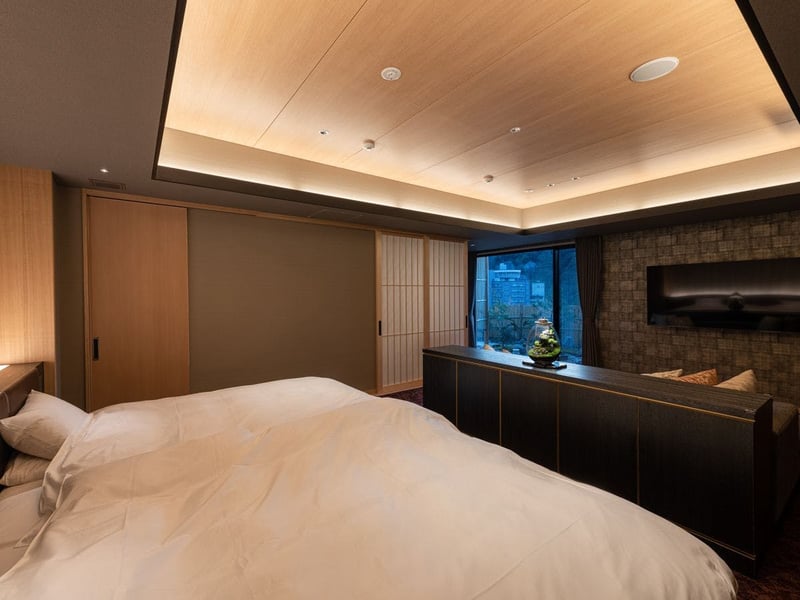
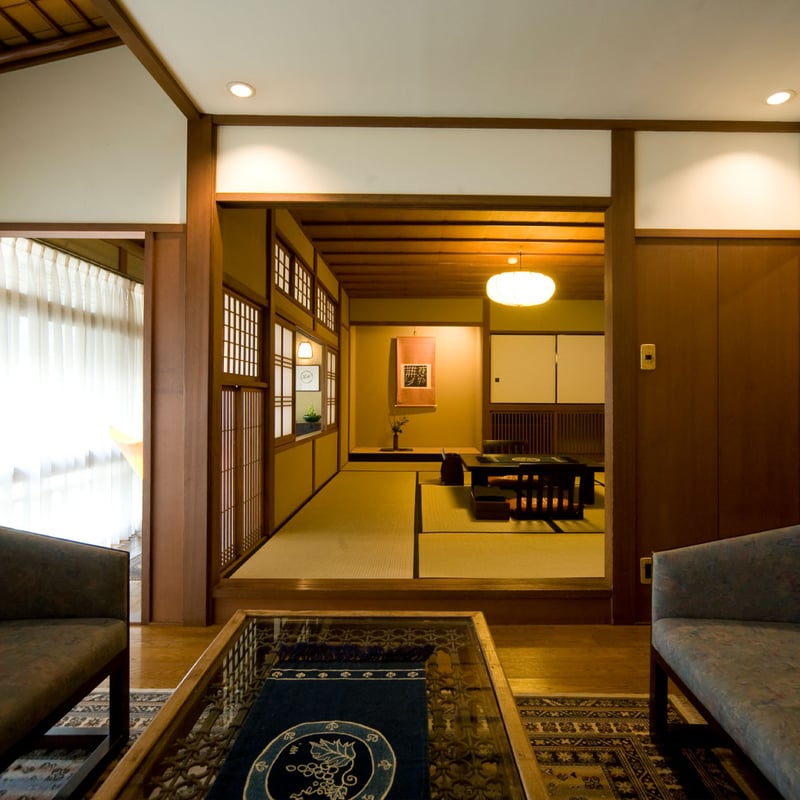
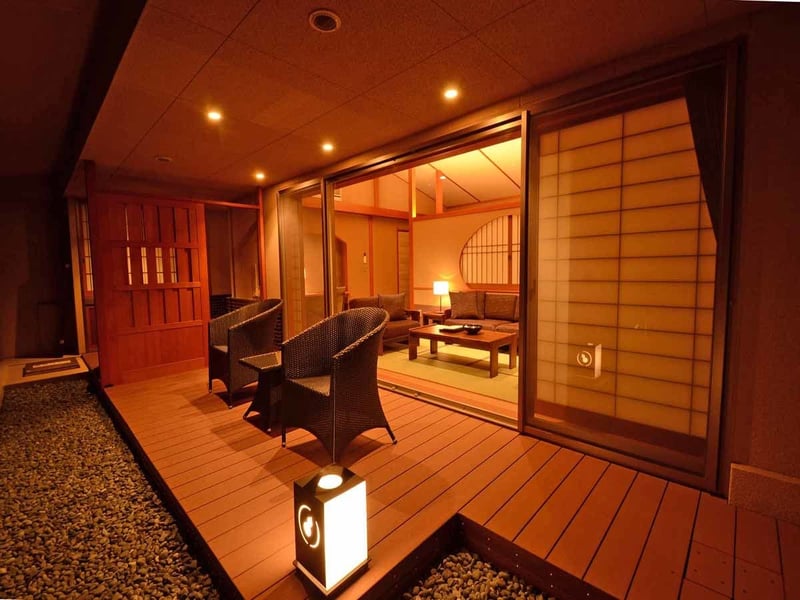
Ten rooms occupy this ryokan in the Rokko foothills, where low-slung traditional architecture frames stone paths and a stream threading through manicured grounds. Natural hot springs anchor the spa experience, while evenings bring formal kaiseki dinners of local produce. Beyond the property, guests arrange horseback rides through the mountains or collect chef-prepared bento boxes for woodland hikes—a refined country retreat serving Kobe, Osaka, and Kyoto.
Kobe Travel Guide: Best Hotels, Restaurants & Experiences 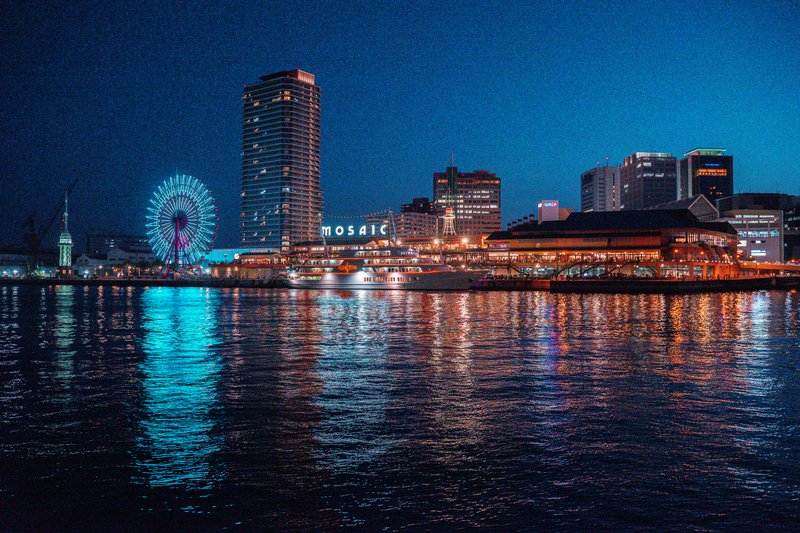
Explore Kobe
Hotels (9)

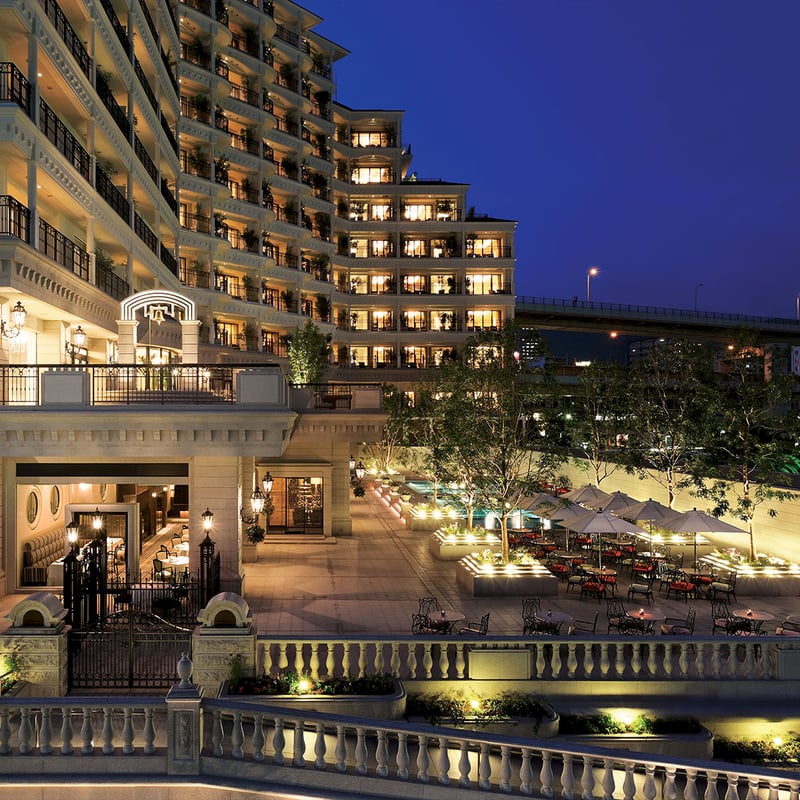
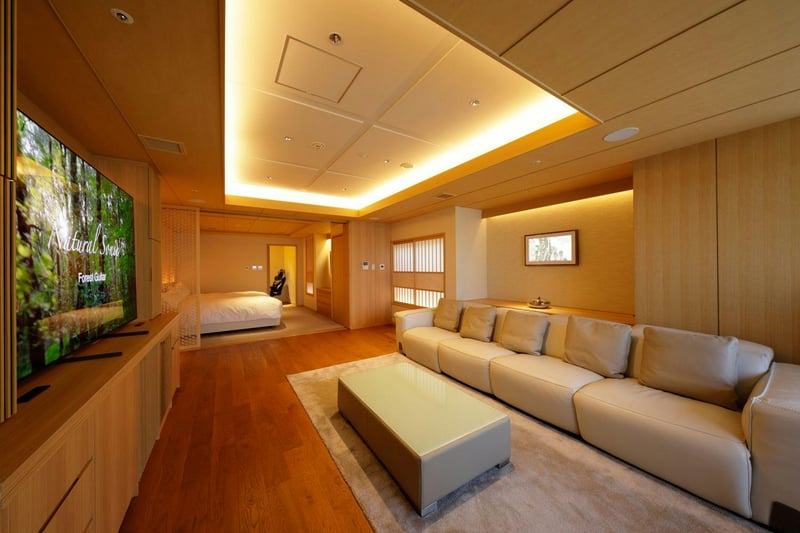
Occupying a prime waterfront position in Kobe's pedestrian-friendly Harborland district, this all-suite property delivers sweeping harbor panoramas from both its French and Japanese restaurants after dark. The top-tier Le Roi and La Reine suites showcase bold contemporary interiors, while a women-only spa—uncommon in Japan—offers a refined retreat. Business travelers and leisure guests alike find polished service throughout.

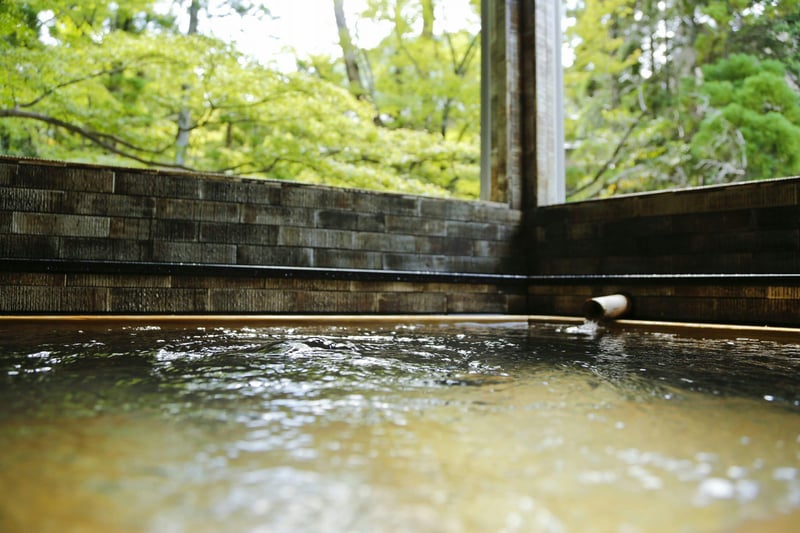
Adults-only Arima Onsen Kinzan occupies a privileged position within Japan's oldest thermal spring district, where natural hot spring waters have drawn visitors for centuries. The traditional ryokan format centers on its onsen facilities, complemented by sauna amenities and dedicated spa services. Couples and solo travelers seeking quiet immersion in Japanese bathing rituals will find an atmosphere designed specifically for undisturbed relaxation.

An adults-only retreat in Kobe's historic Arima onsen district, Four Seasons Colors Inn caters exclusively to couples and solo travelers seeking undisturbed relaxation. Traditional Japanese hot spring baths anchor the experience, their mineral-rich waters complemented by the polished service standards of the Four Seasons brand. The atmosphere remains deliberately intimate, free from the bustle of family-oriented properties.

An intimate annex of the respected Hashinoya ryokan, Ransui operates as an adults-only retreat in Arima, one of Japan's oldest hot spring towns. The property channels its energy toward quiet indulgence: traditional onsen baths fed by the area's mineral-rich waters, unhurried kaiseki meals, and a deliberately small guest count. Couples and solo travelers seeking genuine stillness over spectacle will find refuge here.

Rising ten stories above Awaji Island's shoreline, Villa Rakuen pairs contemporary ryokan architecture with tatami rooms, private Japanese gardens, and open-air baths carved from wood and stone. The Inland Sea panorama dominates every perspective—from minimalist suites to the rooftop celestial balcony designed for stargazing. Hoshi rooms feature cutaway-roof gazebos with reclining chairs angled toward the constellations. The kitchen draws on imperial-quality Awaji produce and seafood pulled from waters just beyond the windows.

Art Deco flourishes and Japanese restraint converge in this 116-room property rebuilt after the 1995 earthquake, its interiors evoking the golden age of ocean liners. Suites pamper with Jaxson Air-Blower massaging tubs, while dining spans Kobe beef at Medium Rare, omakase at Kobe Sushi Kanesaka, and Italian fare at House of Pacific. The J.W. Hart bar honors the British architect who shaped the city's international quarter.

In Arima’s mountain village, one of Japan’s oldest hot-spring areas, Tocen Goshobo gives Kobe a ryokan address with unusual reach: about twenty minutes by car from the rail station, yet removed from the city’s pace. Centuries of innkeeping inform 16 rooms of tatami tradition and Western residential lines, with hot-spring bathing, spa facilities and a restaurant that rewards advance planning.

Perched on Mount Rokko's forested slopes, this intimate guest house offers a rare combination: traditional onsen bathing alongside genuinely family-friendly and pet-welcoming policies. The mountain setting provides natural respite from Kobe's urban pace, while the hot spring facilities deliver authentic Japanese thermal bathing. Ideal for travelers seeking onsen culture without leaving children or four-legged companions behind.

Named for Matsuo Bashō's celebrated haiku travelogue, this adults-only retreat in Kobe's Arima hot spring district channels the contemplative spirit of the poet's wanderings. Traditional onsen baths draw from the region's mineral-rich waters, while a full spa with sauna facilities deepens the restorative focus. The absence of children ensures undisturbed calm—ideal for couples seeking immersion in Japanese bathing culture.
Frequently Asked Questions
What neighborhoods should I explore in Kobe?
+
Kitano-cho for its preserved Western-style ijinkan mansions and hillside cafés, Motomachi for its long covered shopping arcade and independent boutiques, and Nankinmachi for Chinese cuisine that has developed its own distinct local character. Sannomiya functions as the main hub, with the waterfront areas of Meriken Park and Harbor Land offering port views and evening dining options.
How does Kobe's geography shape the visitor experience?
+
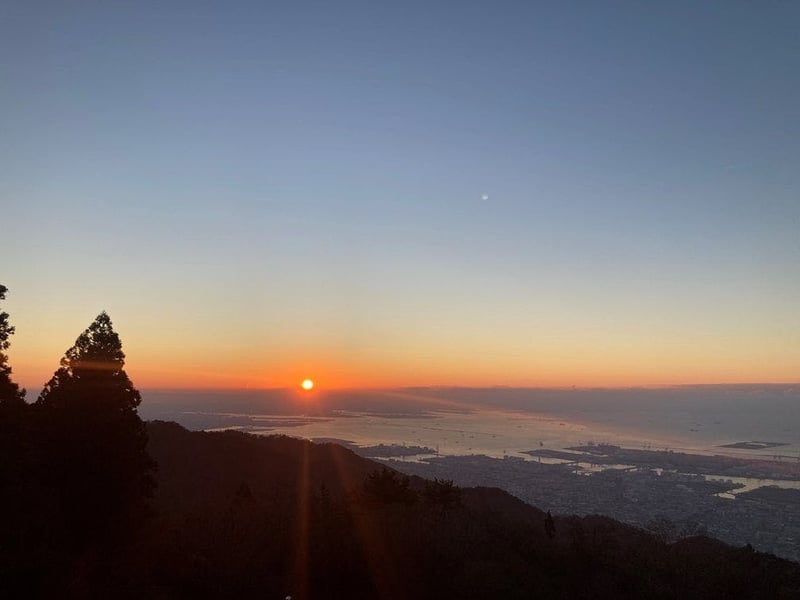
The city is compressed between Osaka Bay and the Rokko mountains, creating a vertical urban landscape where you move from sea level to mountain panoramas within minutes. The Shin-Kobe ropeway climbs directly from behind the shinkansen station to herb gardens and hiking trails, while the waterfront promenade offers a completely different perspective on the same compact city.
What is the coffee and café culture like in Kobe?
+
Kobe has maintained its kissaten tradition — traditional Japanese coffee houses — with particular concentration around Sannomiya and Motomachi. Many establishments have been roasting their own beans for generations, serving slow-dripped coffee in interiors that predate the specialty coffee movement by decades. The city's port history brought coffee culture early to Japan, and that heritage persists in shops where the house blend and the furniture haven't changed since the Showa era.
Nearby Destinations
Explore Japan




Kobe
Kobe stretches along Osaka Bay with the Rokko mountain range rising sharply behind it, creating a city of unexpected verticality. The Kitano district preserves Western-style residences from the Meiji era, when foreign merchants settled here, while Motomachi's covered arcade runs for nearly two kilometers with everything from antique dealers to custom shoemakers. Nankinmachi, one of Japan's three historic Chinatowns, brings a different rhythm entirely — street vendors, temple incense, and flavors that have evolved independently from their Cantonese origins over a century and a half.
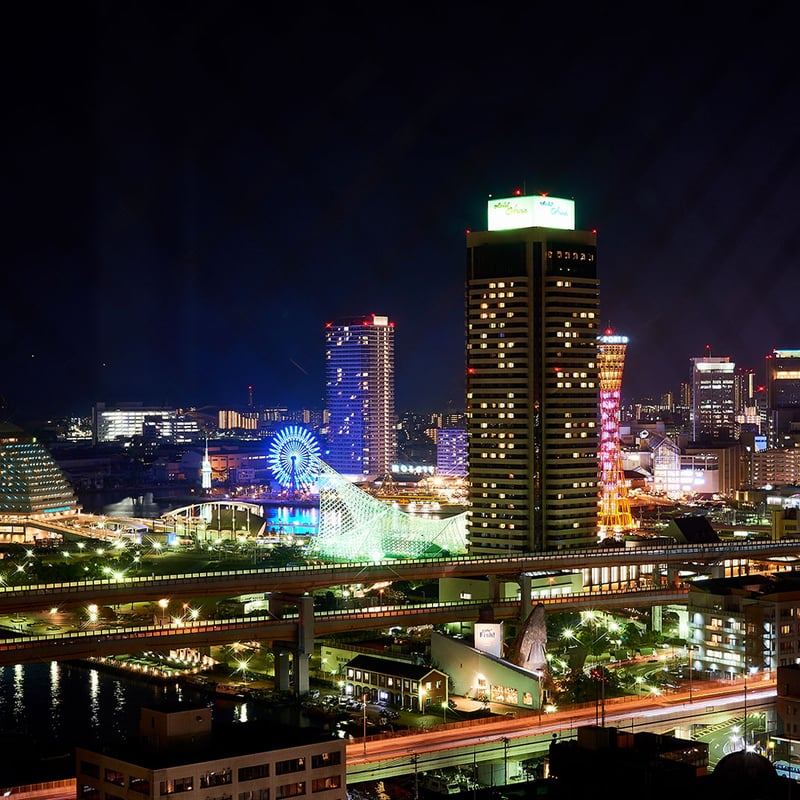
The port city's relationship with beef needs no introduction, but the dining scene extends well beyond steakhouses. Harbor Land and Meriken Park offer waterfront restaurants with views across to the port tower's distinctive lattice silhouette. In the hillside neighborhoods above Sannomiya station, kissaten coffee culture thrives in wood-paneled rooms that haven't changed their blend in decades. The city rewards those who walk its slopes: morning light on the bay, the particular quiet of a residential backstreet in Kitano, the way evening settles over the harbor from the ropeway descending Rokko.