


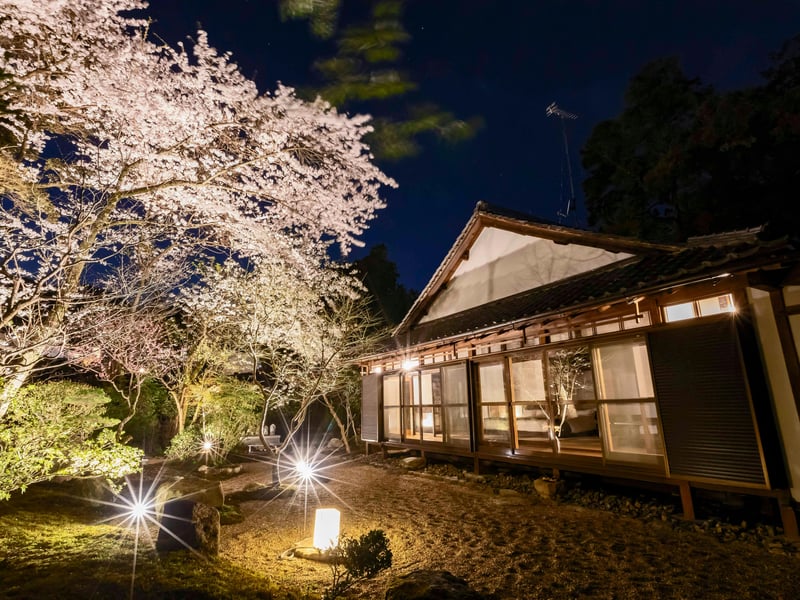
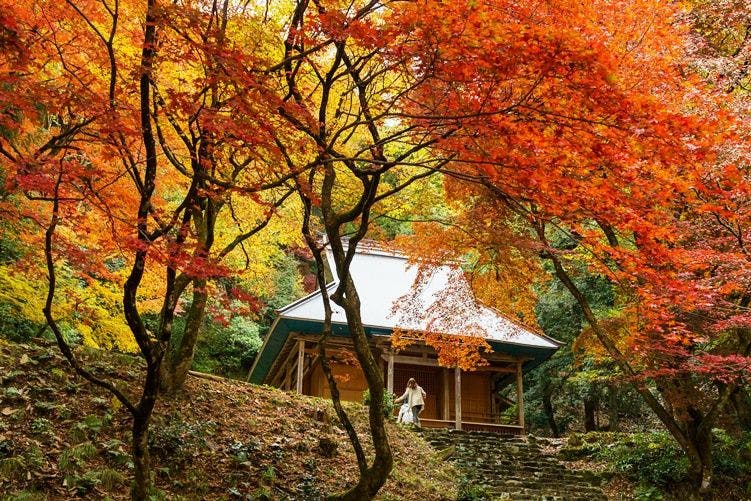
A single group per night occupies this 400-year-old former monk's quarters within Miidera Temple, a 1,300-year-old sanctuary holding 64 national treasures. Monks lead private tours to normally restricted halls, while the hinoki cypress bath draws from a spring once used by three emperors. The 807-square-meter garden glows with illuminated cherry blossoms or maples, and a moon-viewing stage closed to the public awaits at dusk.
Lake Biwa Travel Guide: Best Hotels, Restaurants & Experiences 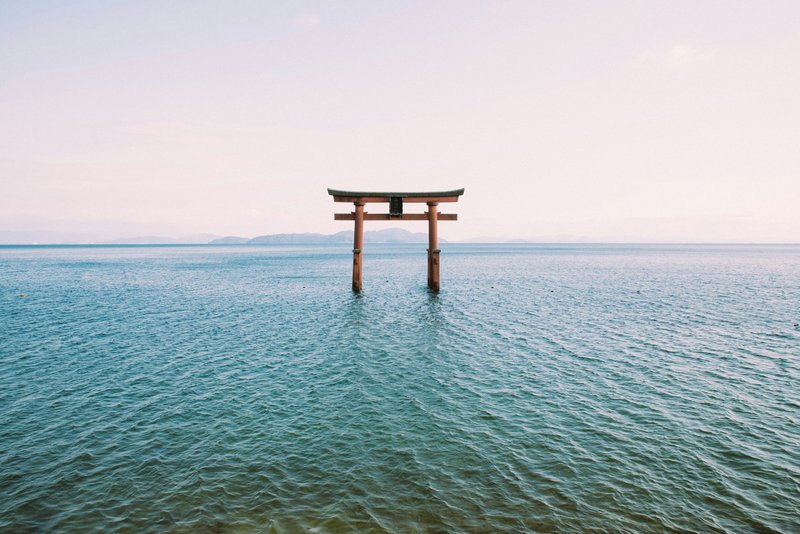
Explore Lake Biwa
Hotels (7)

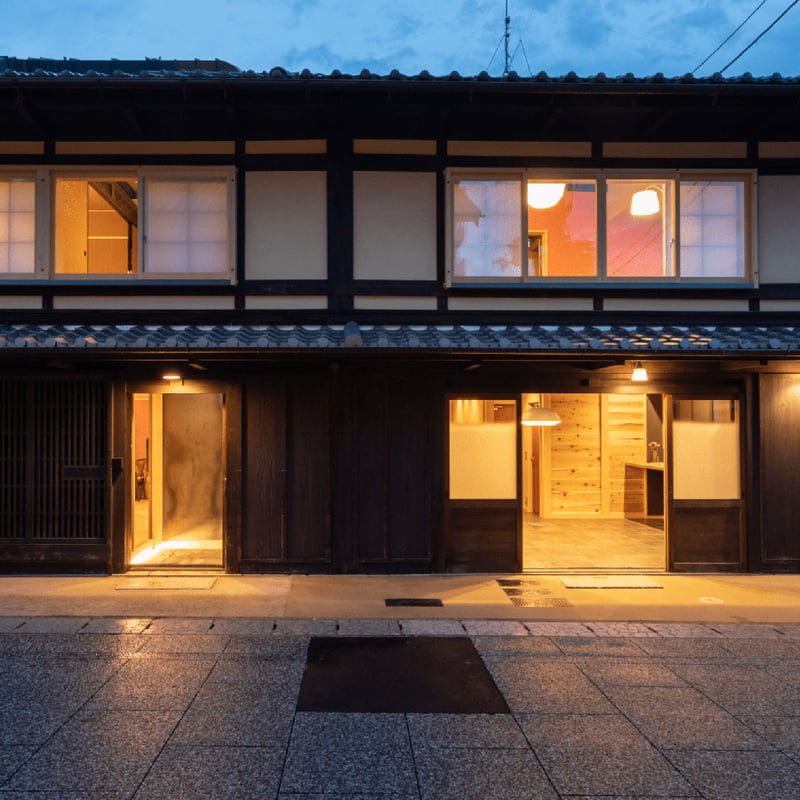
Thirteen rooms occupy restored century-old machiya scattered through Otsu's historic shopping arcades, each furnished with pieces by Finn Juhl and Hans Wegner that anchor the interiors in mid-century Danish craft. Nine minutes from Kyoto by train, this former Tokaido post town offers lake views and cultural sites the crowds miss. A 'Stay Funding' model channels part of every booking to local artisans—travel as quiet preservation.

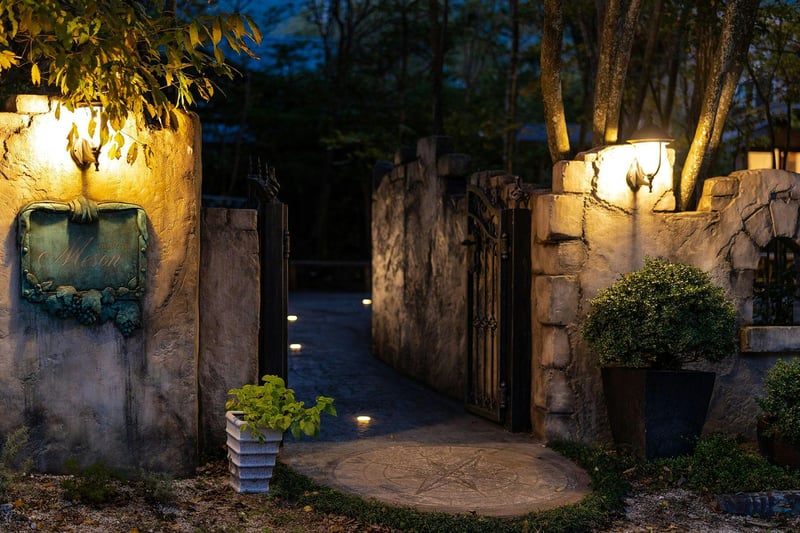
Five rooms scattered across Mount Hira's forested slopes—including authentic log cottages built by American craftsmen—make this intimate auberge a rare find on Lake Biwa's western shore. Chef Takuro Ishizuka's singular 'The ONE' dinner course marries local lake fish and mountain produce with Mediterranean technique. A 1,000-volume library, natural hot springs nearby, and Austrian wines sourced directly from Viennese vineyards reward those seeking contemplative seclusion.

Overlooking Lake Biwa from Nagahama's waterfront, Hamakogetsu offers traditional onsen bathing with views across Japan's largest freshwater lake. The property combines hot spring facilities with dedicated spa treatments, creating a retreat suited to multi-generational travel. Families find particular appeal in the relaxed atmosphere, where children can experience Japanese bathing culture alongside comprehensive wellness amenities.

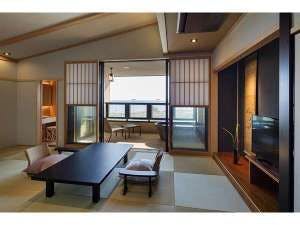
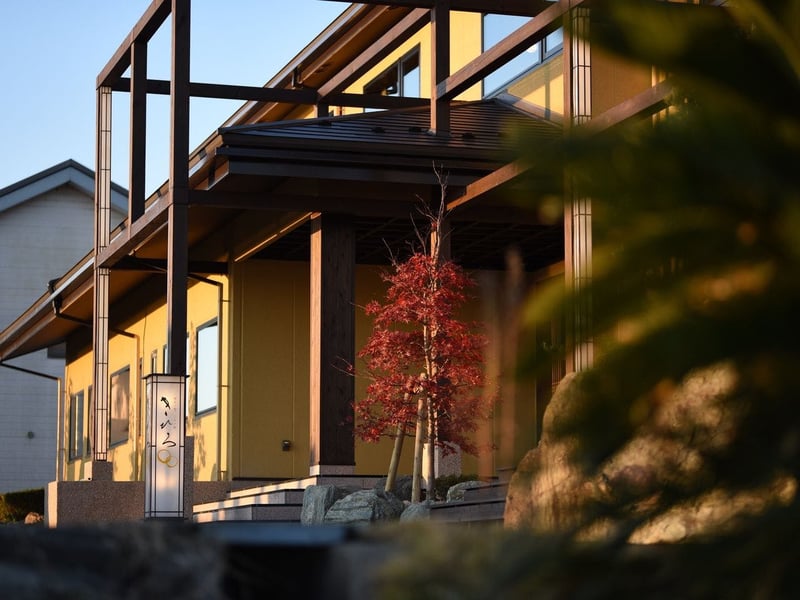
Perched in Nagahama's Kohoku district, Kihiro operates as an adults-only retreat crafted exclusively for couples seeking seclusion. The property centers on traditional onsen bathing, with private thermal facilities that allow guests to experience the ritual in complete intimacy. This singular focus on pairs—no families, no groups—creates an atmosphere of deliberate quietude throughout the compact property.

Ryokan Beniayu brings the traditional ryokan experience to Nagahama's shores along Lake Biwa, where families find an accessible entry point to Japanese hospitality rituals. Natural onsen baths anchor the wellness offering, complemented by spa facilities and sauna. The property maintains authentic ryokan accommodations—tatami rooms, futon bedding, seasonal kaiseki—while accommodating guests traveling with children, a rarity in this category.

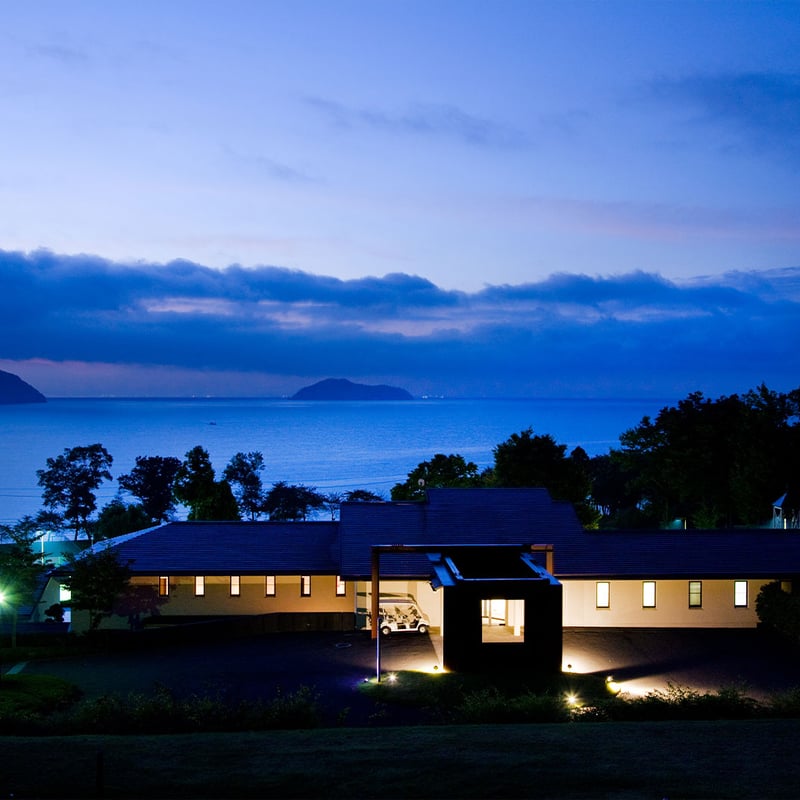
Glass walls frame Lake Biwa's shoreline at this fifteen-room retreat where modern minimalism replaces traditional ryokan conventions entirely. The aesthetic strips luxury to its essentials—precise spacing, serene proportions, nothing superfluous. Villa suites offer lofted sleeping quarters beneath sloped ceilings, while SOWER restaurant showcases regional ingredients. Evening winds down in the lounge amid hundreds of shochu varieties, the lake darkening beyond floor-to-ceiling windows.
Frequently Asked Questions
What makes Ōmi beef different from other wagyu?
+
Ōmi beef comes from cattle raised in Shiga Prefecture for over four hundred years, making it one of Japan's oldest wagyu traditions. The animals graze on pastures surrounding the lake, and local producers attribute the meat's fine marbling to the region's pure water and temperate climate. It carries slightly less fat than Kobe beef, with a cleaner finish.
How do I reach Chikubushima island?
+
Ferries depart from Nagahama Port and Hikone Port on the eastern shore. The crossing takes roughly thirty minutes. The island is small enough to walk in an hour, with the Hōgon-ji temple and Tsukubusuma shrine as the main sites. Ferry schedules vary by season, with more frequent service from April through November.
When is the best season to visit the lake region?
+
Spring brings cherry blossoms to the Kaizu-Ōsaki peninsula, one of Japan's most celebrated viewing spots. Autumn colours peak in mid-November along the Makino metasequoia avenue. Winter offers fewer crowds and the chance to experience traditional onsen culture with snow dusting the surrounding mountains. Summer brings cormorant fishing demonstrations on the water.
Nearby Destinations
Explore Japan




Lake Biwa
Japan's largest lake spreads across Shiga Prefecture, thirty minutes by train from Kyoto. The eastern shore around Ōmi-Hachiman preserves Edo-period merchant quarters with their distinctive white-walled warehouses along willow-lined canals. To the north, the Makino plateau offers cherry blossom tunnels in spring and metasequoia avenues that burn amber in autumn. Chikubushima island, reached by ferry from Nagahama, holds a seventh-century temple dedicated to Benzaiten.
The accommodation here follows the ryokan tradition — tatami rooms overlooking the water, kaiseki meals that trace the seasons through local sweetfish, wild vegetables from Mount Hiei, and Ōmi beef raised in the surrounding hills. Mornings begin with miso soup and grilled fish; evenings end in cedarwood baths fed by natural hot springs. Restaurants along the shore specialize in funazushi, a fermented carp preparation that predates sushi by centuries, and freshwater eel grilled over charcoal in the Nagahama style.